A nuclear reactor lowered nearly a mile into the Earth would operate far from storms, aircraft and most surface activity. Deep Fission believes that setting could also remove some of the most expensive parts of conventional nuclear plants.
The Berkeley-based company has moved its proposal beyond early fundraising and computer designs. It now has a pilot site in Parsons, Kansas, a completed data-acquisition well and a full-scale prototype canister intended to test installation procedures.
The reactor itself has not begun operating. Deep Fission’s recent work remains focused on site analysis, equipment testing and the regulatory steps needed before a nuclear demonstration can proceed.
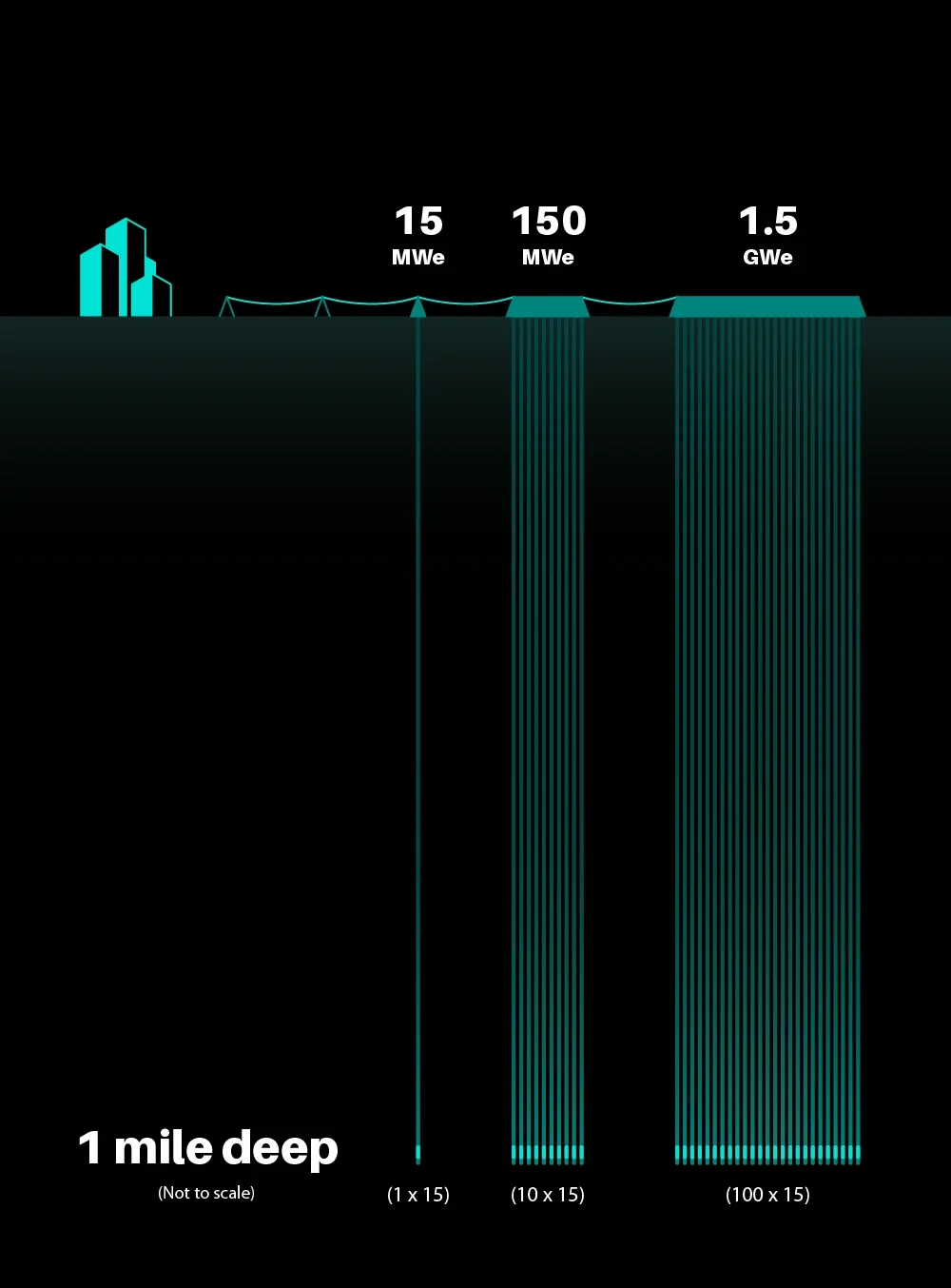
Each proposed unit would generate 15 megawatts of electricity from inside a 30-inch borehole. The design relies on established pressurized water reactor technology, but places the reactor about one mile underground.
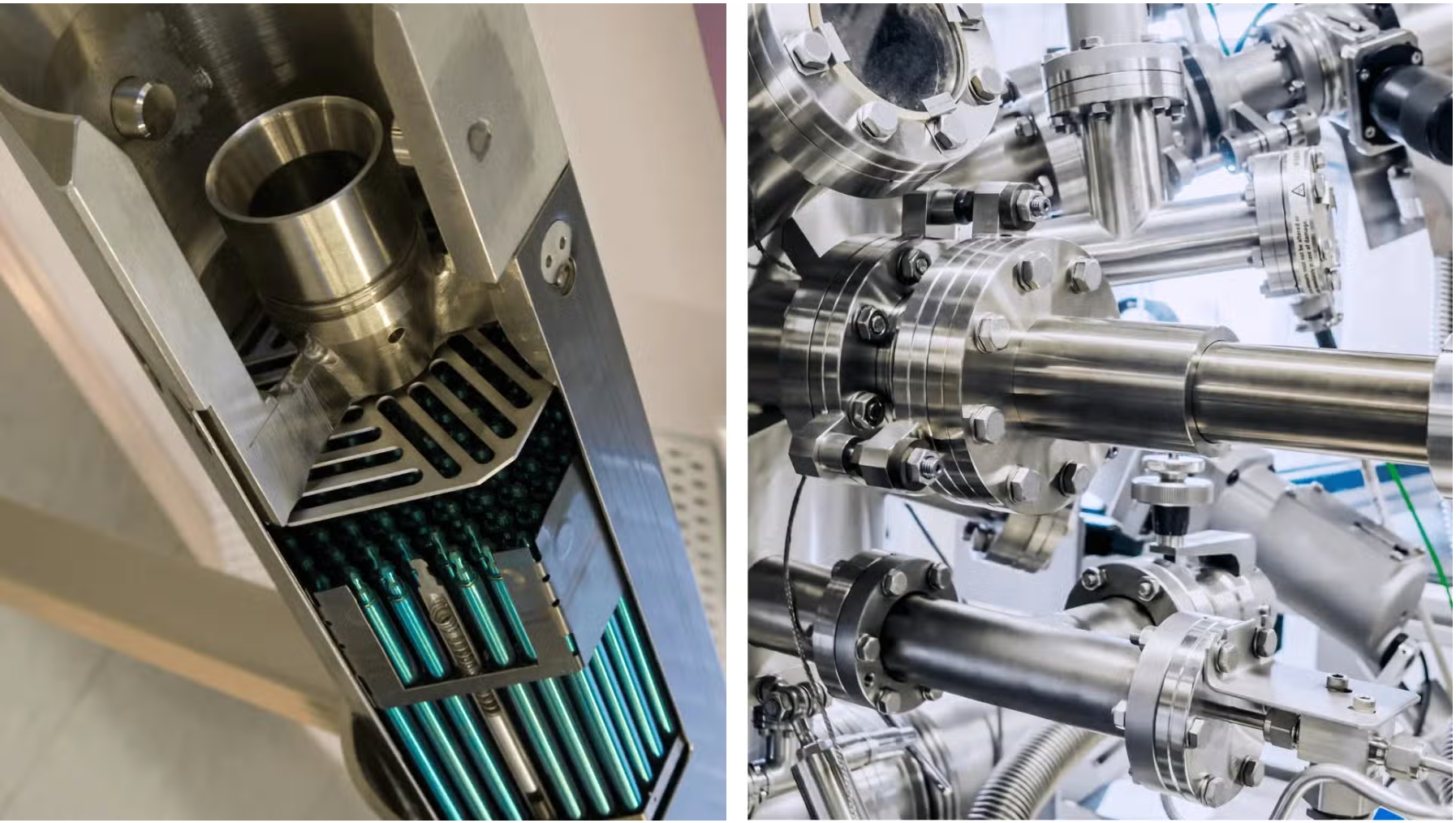
Pressurized water reactors, often called PWRs, keep water under high pressure so it can absorb heat from a reactor core without boiling.
Deep Fission’s design would operate under similar conditions. The core temperature would reach about 315 degrees Celsius, or roughly 600 degrees Fahrenheit, while pressure would remain near 160 atmospheres.
At a depth of one mile, surrounding water naturally produces pressure near that level. Deep Fission wants to use those conditions and the surrounding rock to replace some of the thick steel and reinforced concrete structures required at conventional plants.
The reactor would use low-enriched uranium fuel, standard fuel assemblies, control rods and boron in the coolant. The company argues that relying on familiar components could reduce technical uncertainty compared with developing an entirely new reactor system.
The Nuclear Regulatory Commission lists Deep Fission among the advanced reactor developers conducting pre-application work. The company began those discussions in May 2024 and has submitted a regulatory engagement plan outlining future interactions and licensing goals. Pre-application engagement does not amount to approval to construct or operate a commercial plant.
Deep Fission selected the Great Plains Industrial Park in Parsons for its first pilot project. The company broke ground there on Dec. 9, 2025, after announcing an agreement with the Great Plains Development Authority.
Drilling began in March 2026 on the first of three planned data-acquisition wells. These wells are not reactor shafts. They are intended to collect geological, hydrological and thermal information needed for engineering and safety assessments.
By June, the first well had reached approximately 6,000 feet. Deep Fission also prepared the ground for a second test well and expanded its field facilities as work increased.
A prototype reactor canister arrived at the Kansas site in July. The factory-built structure had completed fabrication and hydrostatic testing before delivery.
The canister contains no nuclear fuel. Deep Fission plans to use it to test handling, installation, retrieval and the sequence of operations around a future demonstration well. Its arrival marked physical progress, but it did not represent the completion of a working reactor.
The company had previously said it aimed to complete its first reactor and achieve criticality by July 4, 2026, pending federal authorization. That date passed without a publicly announced nuclear chain reaction. The project’s latest reported milestone was the delivery of the non-nuclear prototype canister on July 7.
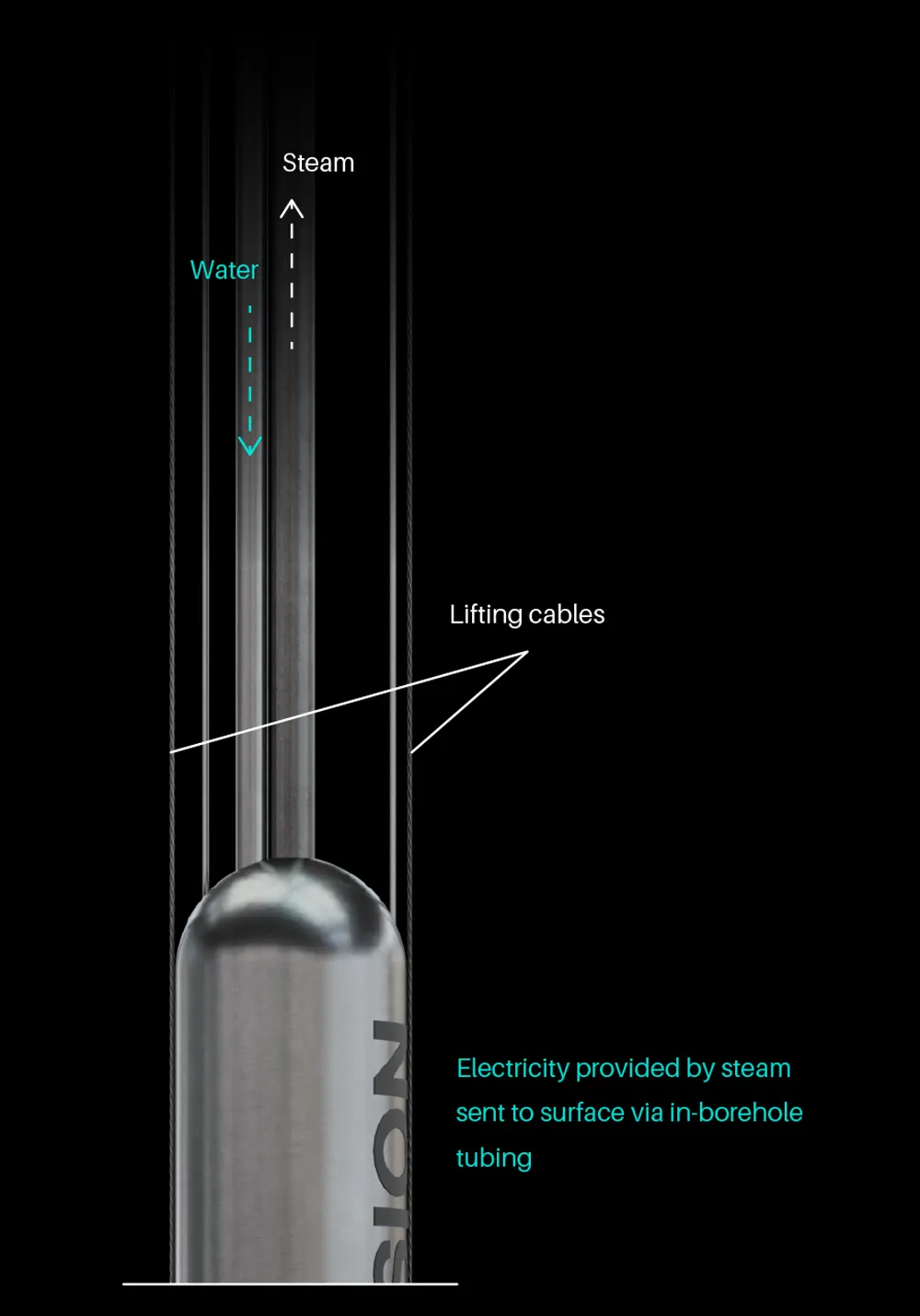
The proposed power system resembles a conventional PWR. Heat from the underground reactor would pass to a steam generator positioned below the surface.
The resulting non-radioactive steam would rise and drive a standard turbine above ground. That turbine would convert mechanical energy into electricity.
The reactor would remain attached to cables. Deep Fission says operators could raise it to the surface in one or two hours if inspection became necessary.
Underground placement could also separate the reactor from hurricanes, tornadoes, floods, tsunamis and aircraft crashes. Surrounding rock would provide a physical barrier against surface hazards and deliberate attacks.
Those advantages remain company claims until they are tested through engineering reviews and an operating demonstration. Regulators must also examine how the design would manage groundwater, drilling conditions, heat removal, radioactive material and emergencies deep underground.
Deep Fission was selected for the Department of Energy’s Reactor Pilot Program in August 2025. The program initially included 11 advanced reactor projects and sought to help at least three test reactors reach criticality by July 4, 2026.
The program provides a pathway for testing under Department of Energy authorization. Commercial deployment would still require the applicable federal licensing process, including work with the NRC.
Deep Fission has also raised far more money than the $4 million pre-seed round announced during its early development.
The company secured $30 million in financing in September 2025, followed by another $80 million in February 2026. It said the later financing would support commercialization and a strategic relationship with Blue Owl Capital’s real-assets business.
Deep Fission later entered the public market. In June 2026, it priced 2.5 million shares at $16 each, producing $40 million in gross proceeds. That was smaller than the earlier offering described in May, when the company sought a valuation of about $1.66 billion.
The company has also announced a potential customer pipeline of as much as 18.5 gigawatts. That figure is based on non-binding letters of intent, not firm reactor purchases or guaranteed revenue.
The Kansas project has received support from state and local officials, who have presented it as a potential source of investment and employment for Parsons.
Some residents have raised questions about nuclear waste, groundwater, seismic conditions, emergency planning and the amount of public involvement in the project. A community meeting drew residents seeking more information about how the experimental reactor would affect the area.
The eventual size of any commercial development remains unsettled. Company representatives have said it would depend on regulatory decisions, customer demand and community input.
Deep Fission has therefore crossed an important line from proposal to field testing, but several difficult stages remain. The company must complete site studies, drill a demonstration borehole, validate its retrieval system, secure authorization and show that the reactor can operate safely underground.
Its central idea remains unchanged: use drilling, water pressure and surrounding rock to reduce the infrastructure costs of nuclear power. The Kansas work will begin showing whether that concept can survive conditions outside a presentation or laboratory.
The original story “A nuclear reactor buried one mile below ground moves from concept to a Kansas test site” is published in The Brighter Side of News.
Like these kind of feel good stories? Get The Brighter Side of News’ newsletter.
The post A nuclear reactor buried one mile below ground moves from concept to a Kansas test site appeared first on The Brighter Side of News.