The Milky Way may not always have faced the same direction. New simulations suggest its stellar disc could have swung through space by more than 90 degrees after an ancient collision, helping explain why the galaxy’s surrounding halo turns so slowly.
Most stars in the Milky Way, including the Sun, occupy its flat spiral disc. Far beyond that structure lies a much larger stellar halo. It contains relatively few stars, many of which formed inside smaller galaxies before mergers drew them into the Milky Way.
Measurements from the European Space Agency’s Gaia mission have shown that this halo rotates much more slowly than astronomers expected. The reason has remained unclear.
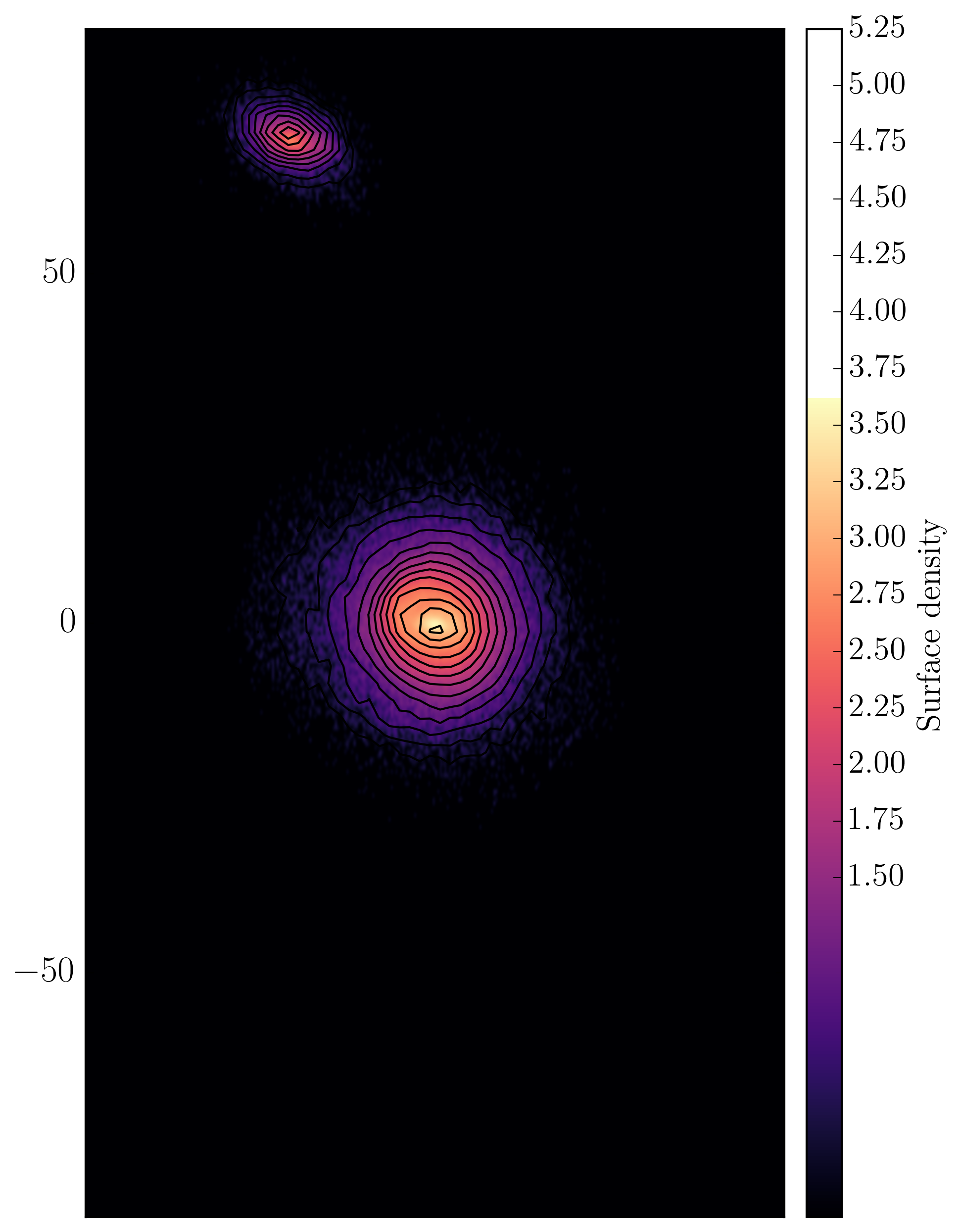
A Durham University team examined 25 Milky Way-like galaxies in the Auriga suite of cosmological simulations. These models followed galactic growth across billions of years, including collisions, mergers and changes in stellar motion.
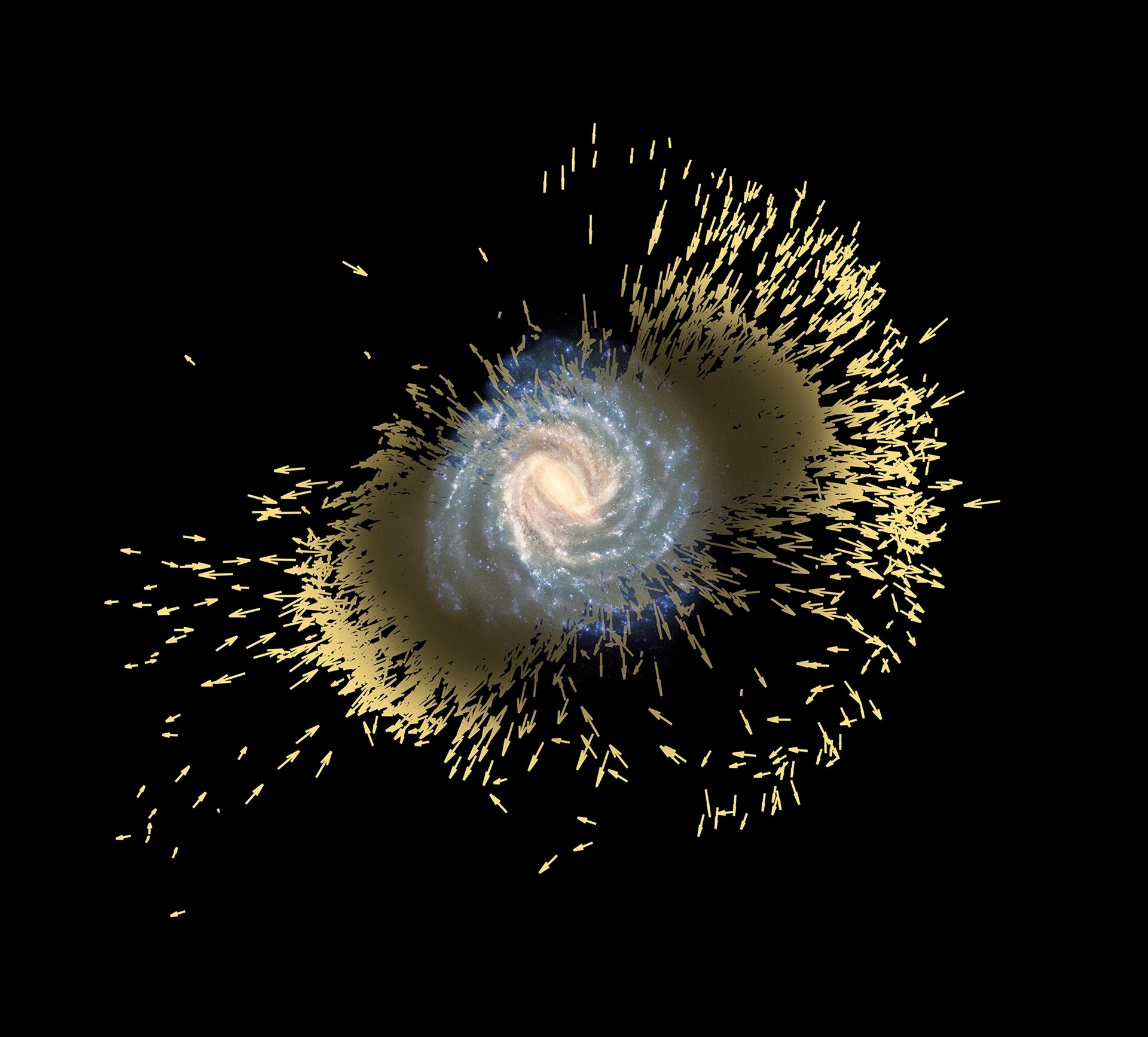
The galaxies with the slowest rotating stellar haloes shared two traits. Each had experienced a major head-on merger, and each had undergone what astronomers call a disc flip.
A disc flip occurs when a galaxy’s stellar disc changes orientation by more than 90 degrees. Its overall plane turns enough that stars later orbit in a very different direction through space.
The simulations connected these flips with severe collisions between growing galaxies. A head-on merger can rearrange stellar orbits and redirect the angular momentum that controls how a galaxy rotates.
The Milky Way already carries evidence of such a collision. About 10 to 11 billion years ago, a massive dwarf galaxy known as Gaia-Sausage-Enceladus crashed into the early Milky Way and was absorbed.
That merger was the largest known event in the Milky Way’s early history. It reshaped the young galaxy and left billions of stars moving along unusual orbits.
“We already know that the Milky Way had a massive head-on collision in the past with a galaxy known as Gaia-Sausage-Enceladus (often simply called the Gaia Sausage). So, we think that the Milky Way disc likely flipped in the past,” said Kirill Batrakov, the project’s lead researcher.
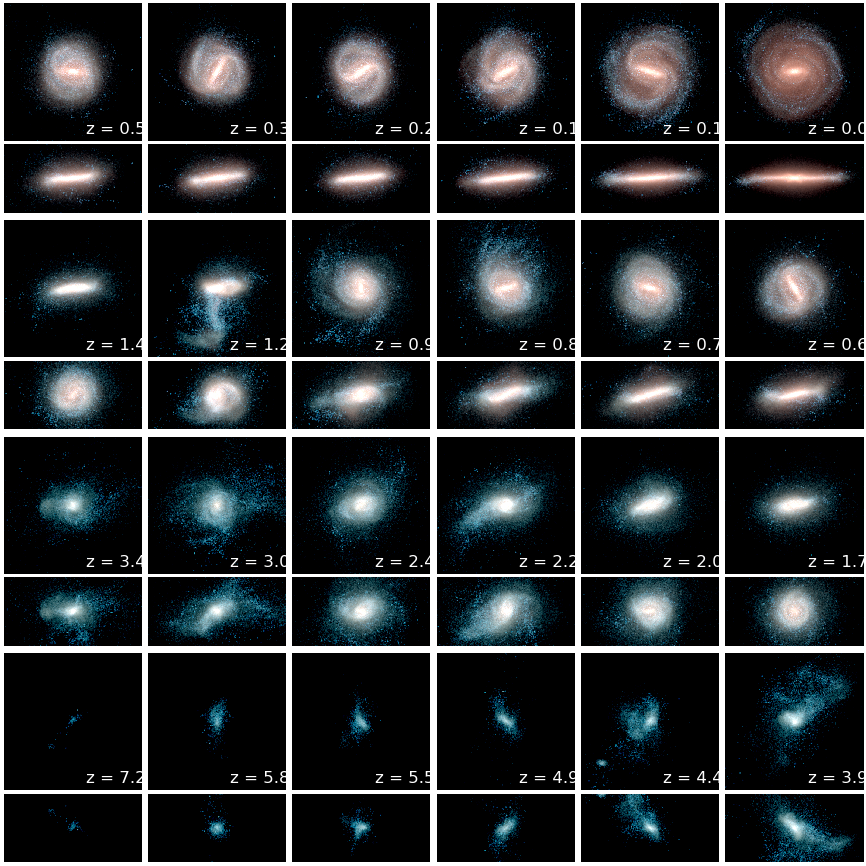
The stellar halo may act as a record of that violent period. Unlike the densely populated disc, it is dominated by stars acquired through earlier mergers.
Because these stars retain traces of former trajectories, their collective motion can reveal how the galaxy assembled. The halo’s slow rotation may reflect the same event that redirected the disc.
In the simulations, a slow stellar halo was associated with both a large collision and a dramatic change in disc orientation.
That connection gives astronomers a possible explanation for a long-standing Milky Way puzzle. It also offers a way to reconstruct events that happened billions of years before telescopes existed.
“What excites me the most is that this complex history can be reconstructed just from present-day observations,” Batrakov said.
The research is being presented at the Royal Astronomical Society’s National Astronomy Meeting in Birmingham.
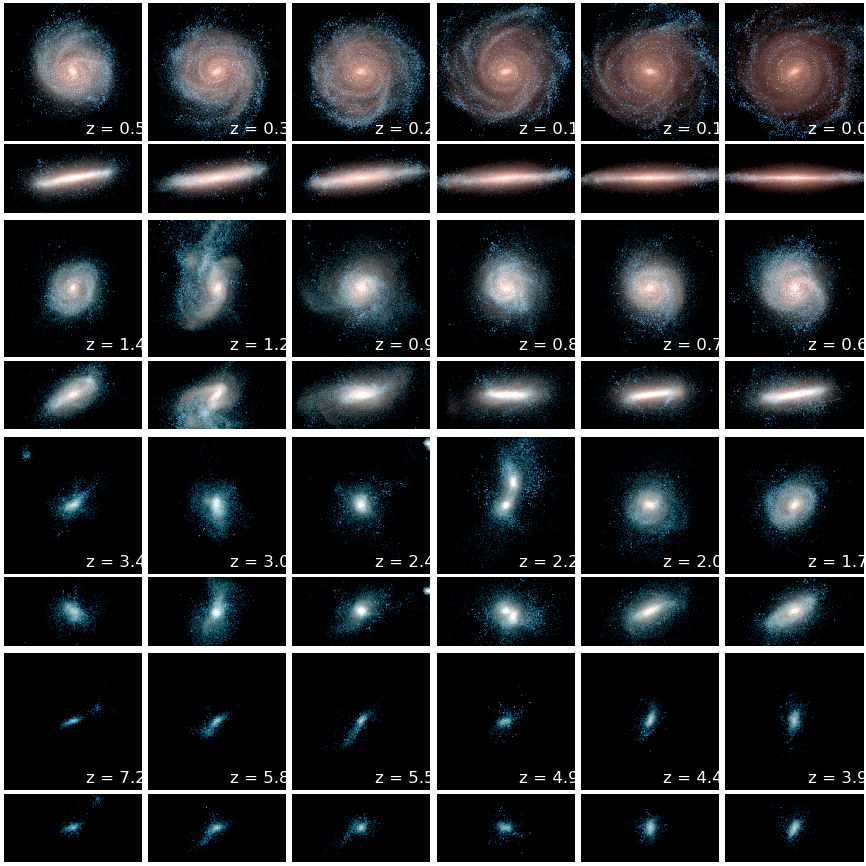
A disc flip would mean that most Milky Way stars once followed trajectories unlike their current paths. That possibility extends to the Sun, although the research does not establish its exact earlier motion.
“A disc flip also means most of the Milky Way’s stars once moved on very different trajectories than they do today – possibly even our own Sun, meaning our ‘stable’ spot in the galaxy might not have been so stable for the Solar System’s whole lifetime,” Batrakov said.
The finding does not mean that the Solar System was thrown out of the galaxy or suddenly disrupted. Instead, it points to a broad change in the disc’s orientation during the Milky Way’s development.
A disc flip is not inevitable. The simulations showed that not every Milky Way-like galaxy experienced one. That makes the Milky Way’s possible history useful for comparing different paths of galactic evolution.
The team also found a close relationship between the rotation of a galaxy’s stellar halo and its dark matter halo.
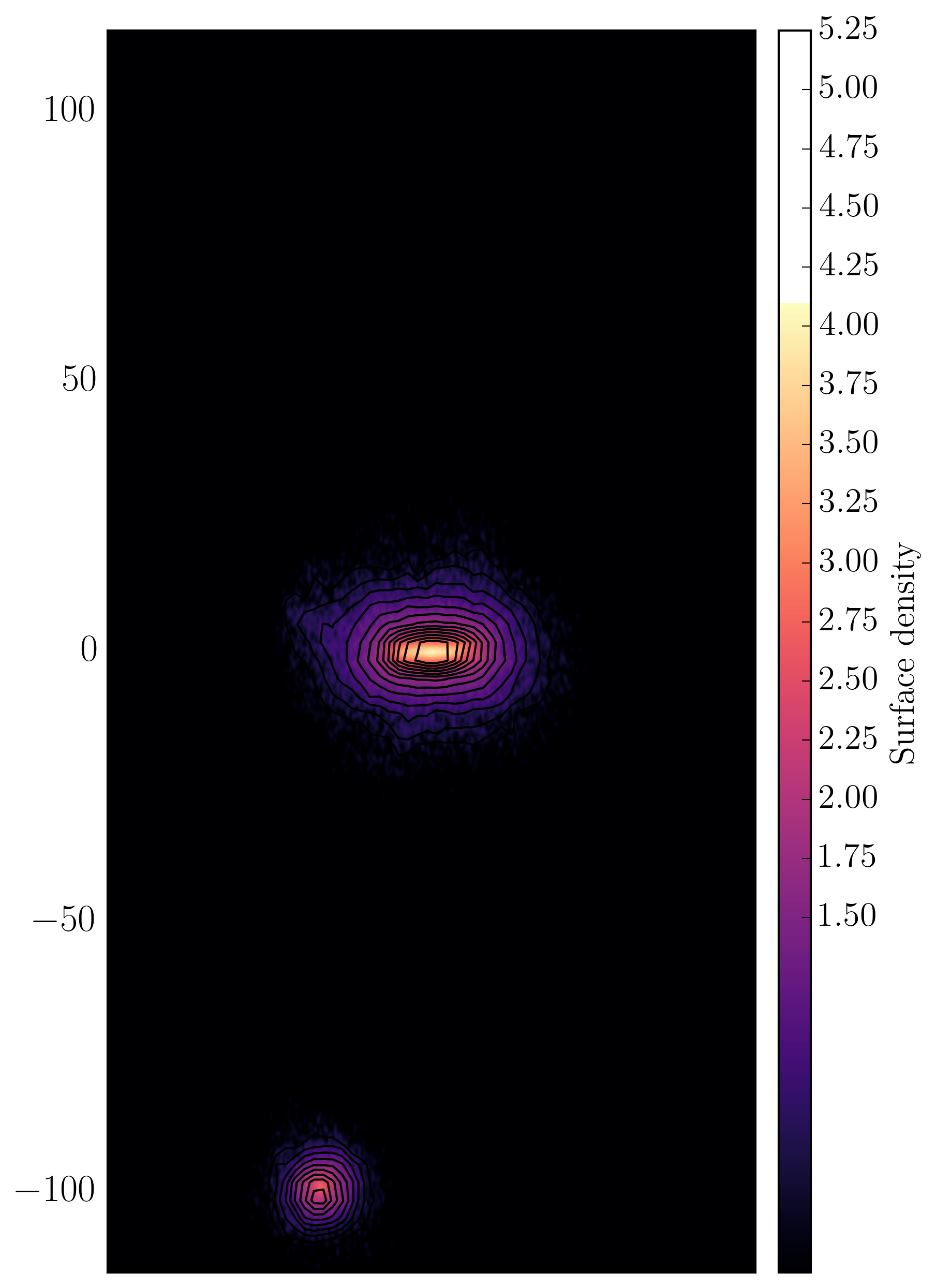
Dark matter cannot be seen directly, but its gravity helps shape galaxies. A dark matter halo surrounds the visible Milky Way and extends well beyond the stellar disc.
The simulations suggest that the stellar and dark matter haloes may have evolved together as galaxies absorbed smaller satellites. Their linked rotation could give astronomers indirect information about dark matter motion from measurements of visible stars.
That possibility matters because the Milky Way offers far more detailed observations than distant galaxies. Astronomers can map the positions and speeds of individual stars across large parts of it.
“Because we live inside the Milky Way, we can study it in more detail than any other galaxy, which makes it a key testbed for understanding galaxies more broadly,” Batrakov said.
“Finding that its disc flipped adds a new chapter to that story, one we must account for when placing the Milky Way in a broader context of other galaxies.”
The proposed disc flip gives astronomers a testable framework for linking several parts of the Milky Way’s history. Its ancient merger, slow stellar halo and dark matter motion may be connected rather than separate features.
Future observations can examine whether present-day stellar trajectories carry additional signs of a past change in orientation. Comparisons with other simulated and observed galaxies could also show how often major mergers cause similar flips.
The work may improve models of how spiral galaxies grow after absorbing smaller systems. It could also help researchers use visible halo stars to investigate the otherwise unseen movement of dark matter.
Most importantly, the findings show that the Milky Way’s current shape does not necessarily reveal the direction it held throughout its history. The galaxy may look stable today, but its stars still preserve evidence of a turbulent past.
This work was presented at the Royal Astronomical Society’s National Astronomy Meeting in Birmingham, UK, on July 21, 2026.
The original story “Cosmic collision: The Milky Way once flipped by more than 90 degrees” is published in The Brighter Side of News.
Like these kind of feel good stories? Get The Brighter Side of News’ newsletter.
The post Cosmic collision: The Milky Way once flipped by more than 90 degrees appeared first on The Brighter Side of News.

