Losing one hour in spring may do more than leave people tired. It can also push them toward processed snacks and away from the gym.
Research published in the Journal of Marketing examined eating and exercise before and after the start of daylight saving time. Across two studies, unhealthy snacking increased and gym attendance declined after clocks moved forward.
“There’s quite a bit of research in health fields related to how well-being is affected by daylight saving time,” said Ram Janakiraman, a professor of marketing analytics at North Carolina State University’s Poole College of Management. “We wanted to explore similar issues through the lens of consumer behavior, giving us new insights into how daylight saving influences the decisions we make.”
The first study examined information collected by a U.S. packaged food company from 2004 through 2010.
Participants in a nationally representative group recorded their snacks for two weeks using mobile devices. They reported what they ate, when they ate it and how much they consumed.
“This data set is remarkable because it spans multiple years and tracks specifically what people are eating,” Janakiraman said. “Many other data sets look at what people buy, or rely on people remembering what they’d eaten. This data was collected using a methodology that had study participants enter their consumption in the moment.”
The records included days before and after daylight saving time began. Consumers in areas that did not change their clocks served as a comparison group.
Processed snack consumption increased after the spring transition. The rise was most noticeable later in the day and during overcast weather.

The second study used attendance records from a company operating hundreds of U.S. fitness centers.
Researchers compared customer visits during the week before the clock change with visits during the following week. Gyms in regions that did not observe daylight saving time again served as controls.
Attendance fell after clocks moved forward, but the effect was not equal across all customers.
“This effect was stronger in people who are irregular gym users,” said Rishika Rishika, a co-author and associate professor of marketing at NC State. “People who have a regular gym schedule were less affected by the time change. This negative effect of daylight saving time was also more pronounced the further people live from the gym.”
The results suggest that strong routines may help protect people from temporary disruption. Those with inconsistent exercise habits or longer trips to the gym appeared more likely to skip a visit.

The studies did not show that every person changes behavior after the spring transition. Instead, they revealed broader patterns across consumer records.
“Anecdotally, we often hear stories from friends and acquaintances about how daylight saving time affects them,” Rishika said. “We wanted to see if there was data supporting the idea that moving the clock ahead one hour actually affects our behaviors.”
The data supported that concern. People ate more processed snacks and exercised less after losing an hour, particularly when healthy habits were not firmly established.
“One big takeaway for consumers is that we need to be mindful about trying to maintain healthy habits after daylight saving time,” Rishika said.
Planning meals, preparing healthier snacks and scheduling workouts may help people remain consistent during the transition.

The research arrives as Congress again considers ending the twice-yearly clock changes.
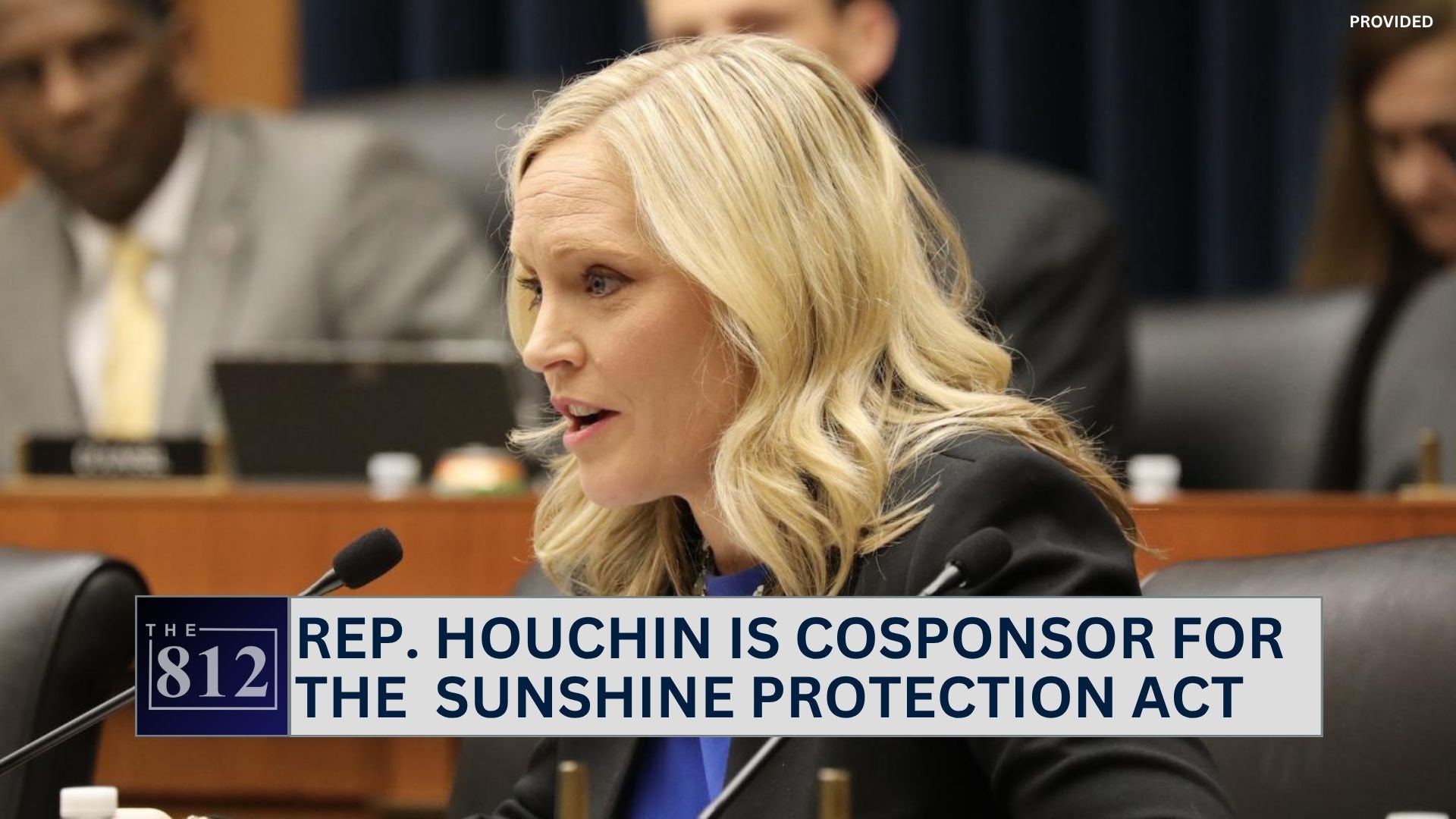
On July 14, 2026, the House passed the Sunshine Protection Act by a vote of 308 to 117. The measure would establish year-round daylight saving time and eliminate the March and November clock changes. It still requires Senate approval and the president’s signature.
Federal law currently allows states to remain on standard time throughout the year. Hawaii and most of Arizona follow that approach. States cannot independently adopt permanent daylight saving time.
The study does not determine whether permanent daylight saving time or permanent standard time would be healthier. It examined the immediate disruption caused by moving clocks forward, not the long-term effects of either permanent system.
That distinction remains central to the debate. Permanent daylight saving time would provide more evening light but delay winter morning light. Permanent standard time would align mornings more closely with natural sunrise patterns.
The authors said companies and public agencies could help consumers protect their routines during the spring transition.
“The study also tells us that daylight saving time is an opportunity for companies to engage in outreach efforts that help consumers adjust to the time change,” Janakiraman said. “The findings also suggest there is a need for public policies that support people when we’re setting the clock forward.”
Fitness centers could send workout reminders during the week after the change. Food companies and health organizations could also encourage consumers to plan meals and make deliberate snack choices.
The findings show that changing the clocks can affect more than sleep. A one-hour shift may influence everyday choices about food and exercise, especially among people already struggling to maintain healthy routines.
Research findings are available online in the Journal of Marketing.
The original story “Daylight saving time has a negative impact on healthy living, new research finds” is published in The Brighter Side of News.
Like these kind of feel good stories? Get The Brighter Side of News’ newsletter.
The post Daylight saving time has a negative impact on healthy living, new research finds appeared first on The Brighter Side of News.

