New research suggests that the body’s internal chemistry may quietly shape how well people learn, remember, and even unlearn fear. Scientists have found that the balance between two hormones, progesterone and estradiol, can predict how effectively the brain processes memory.
The study, led by Raül Andero at the Universitat Autònoma de Barcelona, offers fresh insight into how biological signals influence memory and emotional learning, with possible implications for mental health treatment.
“Assessing the relationship between progesterone and estradiol levels can help us identify when an individual is most biologically prepared to perform a memory-related task,” said Jaime F. Nabás, first author of the study.
Fear plays a vital role in survival. It teaches the brain to avoid danger. However, when fear lingers after the threat is gone, it can become harmful.
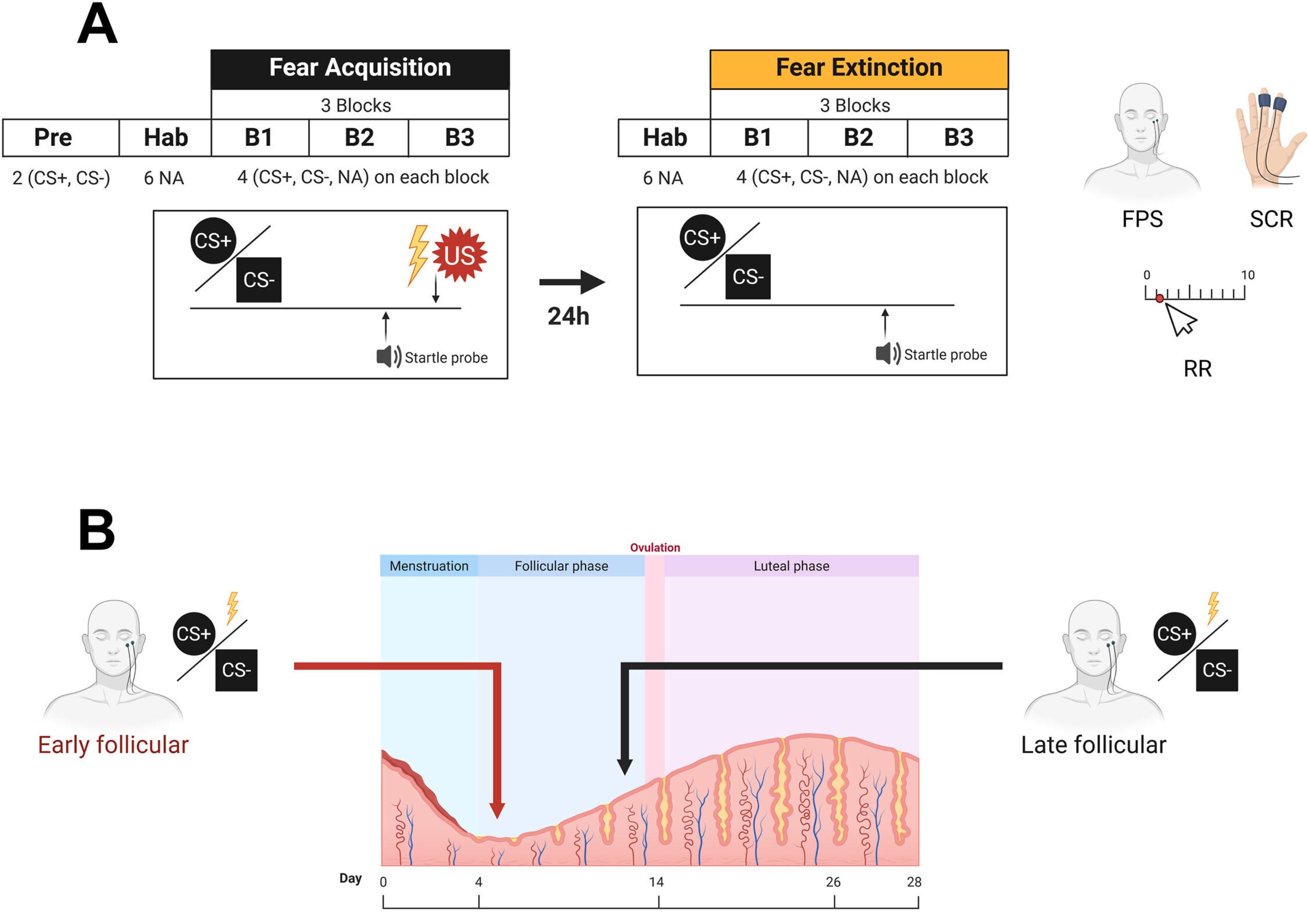
Conditions such as post-traumatic stress disorder, phobias, and panic attacks often involve difficulty unlearning fear. This process, known as fear extinction, allows the brain to update old memories and reduce emotional responses.
To study this, researchers designed a two-day experiment involving both humans and mice. This approach allowed them to compare results across species.
On the first day, participants learned to associate a neutral signal with a mild electric shock. This created a fear response. On the second day, the same signal appeared without the shock. The goal was to observe how quickly fear faded.
At the same time, scientists measured hormone levels using saliva in humans and blood samples in mice. They focused on estradiol and progesterone, two hormones present in both men and women.
These hormones fluctuate naturally, especially in women during the menstrual cycle. Previous studies had linked estradiol to memory, but findings were inconsistent. Progesterone remained less understood.
The new research took a different approach. Instead of looking at each hormone separately, the team examined their relationship.
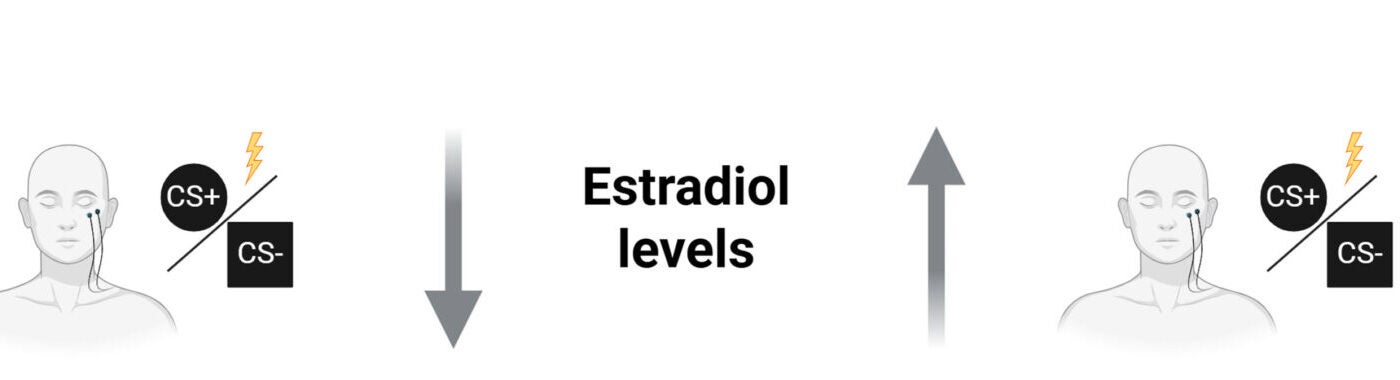
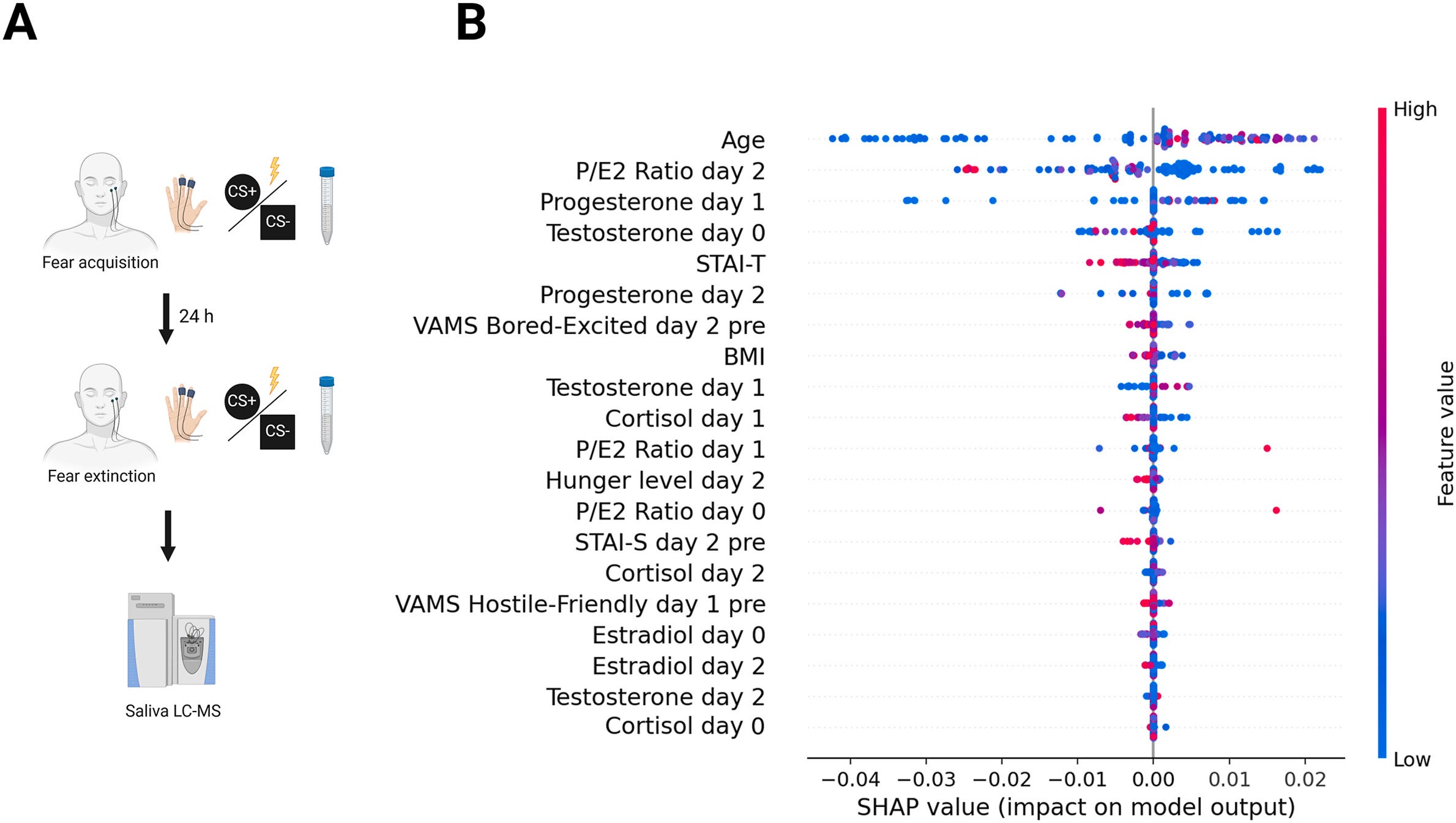
“The results showed that while individual hormone levels had some influence, the most important factor was their combination,” said Raül Andero.
Using machine learning, researchers identified patterns that traditional analysis could not detect. They found that the ratio between progesterone and estradiol was the strongest predictor of fear extinction.
A higher progesterone-to-estradiol ratio before the second session led to better performance. Participants with this balance were more successful at reducing fear responses.
This pattern appeared in both humans and mice, suggesting a shared biological mechanism.
“It is important to note that the predictive value of the progesterone-to-estradiol ratio applies to both men and women,” said Óscar Pozo of the Hospital del Mar Research Institute.
The study also explored how these hormonal patterns change over time. In women, results aligned with specific phases of the menstrual cycle.
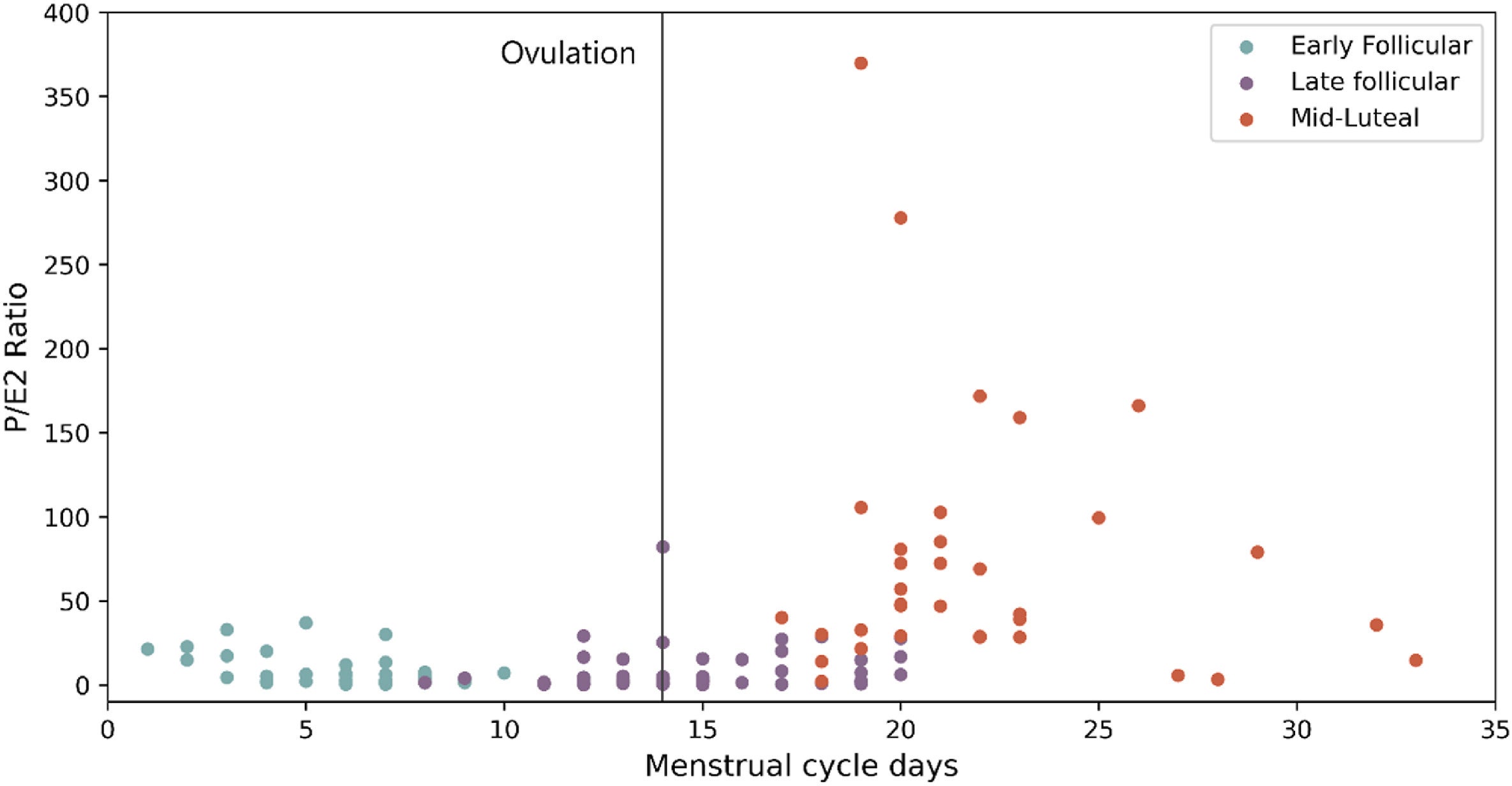
Fear extinction worked best near the end of the follicular phase, just before ovulation. During this period, the hormonal environment appears to support memory formation and emotional regulation.
This finding suggests that timing may influence how effectively the brain processes new information.
“If we know we have the hormonal balance that predisposes us to learn more effectively, we could take advantage of it,” Nabás said.
Experiments with mice reinforced the human findings. The animals underwent a similar fear-conditioning process, allowing researchers to observe biological responses more closely.
As in humans, individual hormone levels alone did not predict outcomes. However, the hormone ratio again stood out as a key factor.
Mice with higher ratios showed improved fear extinction, indicating a reduced emotional response. This consistency across species strengthens confidence in the results.
The study also showed that hormone levels shift during the learning process. After fear extinction, progesterone increased while estradiol decreased, raising the ratio further.
These findings open new possibilities for treating anxiety and trauma-related disorders. Therapies such as exposure therapy rely on fear extinction, making them directly relevant to this research.
If clinicians can identify when patients are biologically primed for learning, treatments could become more effective.
“This could also help optimize treatments for anxiety- and trauma-related disorders, for example by identifying the most suitable moments to carry out psychological therapy,” Andero said.
The study suggests that biological timing may play a role in therapy success, offering a path toward more personalized care.
While the results are promising, researchers caution that more work is needed. The study involved healthy participants, and future research must test whether the findings apply in clinical settings.
Scientists also plan to explore whether the hormone ratio affects other types of memory beyond fear.
Larger and more diverse studies will help confirm these results and refine their practical use.
Even so, the discovery highlights the growing importance of personalized medicine. By understanding how individual biology shapes behavior, researchers can design more targeted treatments.
The study reinforces a powerful idea. Memory and emotion are not shaped by the brain alone. They are influenced by the body’s chemistry, which changes over time.
Hormones act as signals, guiding how the brain responds to experience. Their balance may determine how easily people adapt, learn, and recover from fear.
As science continues to uncover these connections, it becomes clear that the mind and body work as a single system.
Understanding that system could transform how people approach learning, mental health, and everyday life.
This research offers a new way to approach both learning and mental health care. By identifying a biological marker linked to memory performance, scientists move closer to predicting when individuals are most prepared to learn or adapt.
In education, this could lead to more personalized study strategies. Students may one day use biological signals to plan study sessions when their memory systems are most responsive.
In clinical settings, the impact could be even greater. Therapies for anxiety, trauma, and phobias rely on the brain’s ability to update fear memories. If clinicians can align treatment sessions with optimal hormonal states, patients may experience faster and more lasting results.
The findings also encourage a shift in research. Instead of focusing on single biological factors, scientists may examine how systems interact. This approach could lead to more accurate models of human behavior and more effective interventions.
Ultimately, the study highlights a simple but powerful idea. Small changes in the body’s internal balance can shape how people think, feel, and learn. Understanding those changes may help improve both daily life and long-term health outcomes.
Research findings are available online in the journal Neurobiology of Stress.
The original story “Hormone balance study reveals best time for learning and memory” is published in The Brighter Side of News.
Like these kind of feel good stories? Get The Brighter Side of News’ newsletter.
The post Hormone balance study reveals best time for learning and memory appeared first on The Brighter Side of News.

