A crowded room does not always protect someone from feeling alone.
Loneliness depends less on how many people surround you than on whether those relationships feel meaningful. Social isolation measures something different, namely the number and frequency of a person’s social contacts.
A major collaborative study now offers clearer evidence that this distinction matters for health. Loneliness was strongly tied to poorer mental health, reduced wellbeing, and worse general health.
Social isolation also appeared harmful, although its strongest links involved lower happiness and a weaker sense of meaning.
The study was led by the University of Bristol, Nesta, and Amsterdam UMC. Researchers from the universities of Oxford and Manchester also contributed.
Rather than relying on one research method, the team combined three. That unusual design helped them test whether loneliness might contribute to poor health directly.

Traditional studies can identify patterns between loneliness and illness. However, those links may reflect other hidden influences.
Poor health could make someone lonely, for example. Family background, income, personality, or earlier illness could also affect both social life and health.
The researchers tried to separate those possibilities. They first conducted observational analyses using the UK Biobank. Some of these analyses included more than 414,000 adults.
A second method compared siblings. Because siblings share family experiences and some genetic traits, these comparisons can reduce certain sources of bias.
The third method used Mendelian randomization. This genetics-based technique examines naturally occurring genetic differences linked to an exposure, such as loneliness.
Genetic datasets ranged from 17,526 people to more than 2 million. Sibling analyses included as few as 8,004 participants for certain outcomes. Each method has weaknesses. Yet the weaknesses differ.
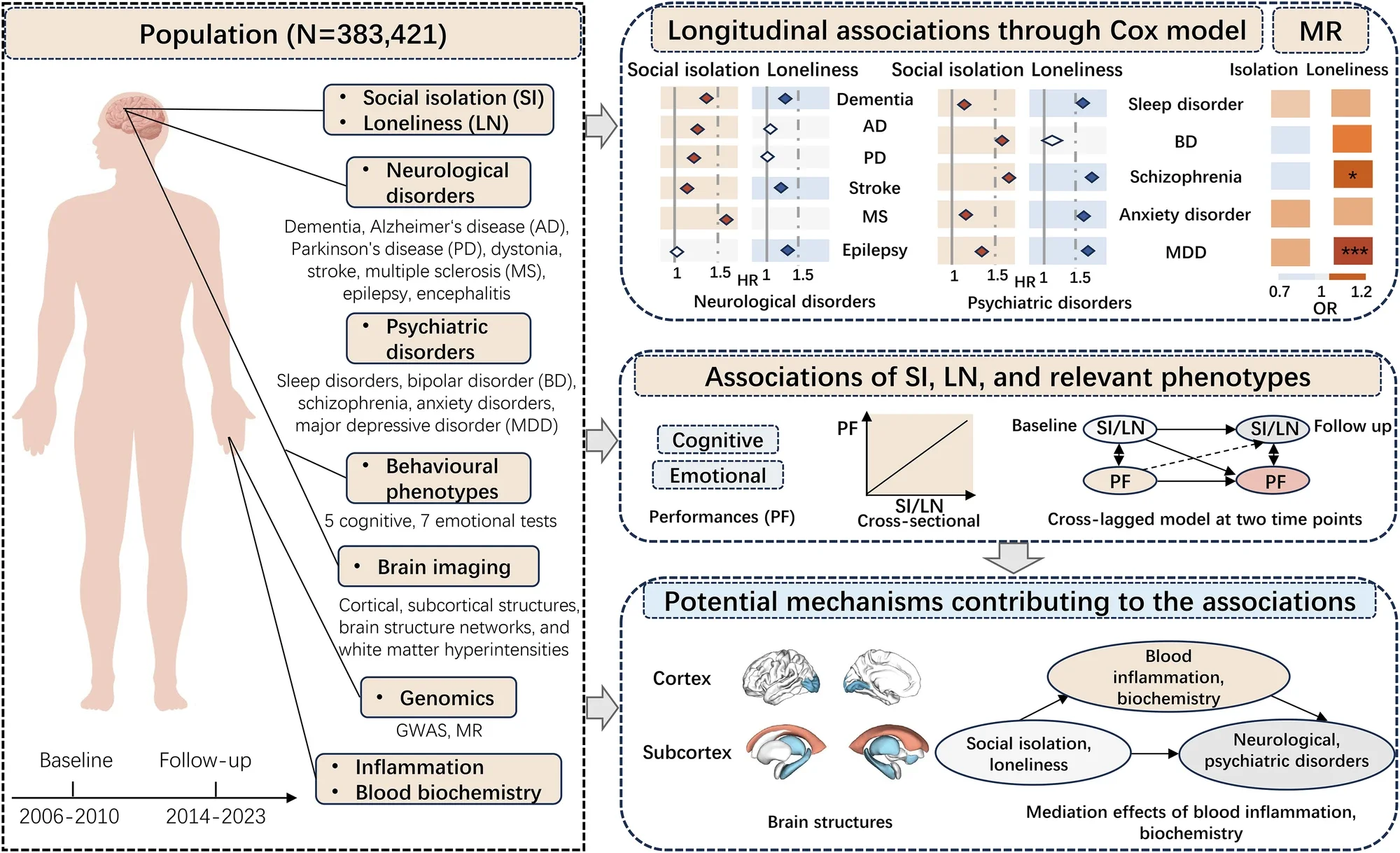
When several methods point in the same direction, researchers gain greater confidence that the connection may not be accidental.
The results placed loneliness near the center of the mental health picture.
Loneliness describes how someone experiences the quality of their relationships. A person may have regular contact yet still feel unseen or unsupported.
Social isolation describes the structure of a person’s social world. It concerns how often someone interacts and how many connections they maintain.
The two experiences overlap, but only slightly. In the UK Biobank data, their measured correlation was 0.13. Their genetic correlation was 0.31.
Those figures suggest that loneliness and isolation should not be treated as interchangeable problems.
Someone living alone may feel comfortable and connected. Another person may attend events, work with others, and still experience deep loneliness. That difference shaped the health findings.
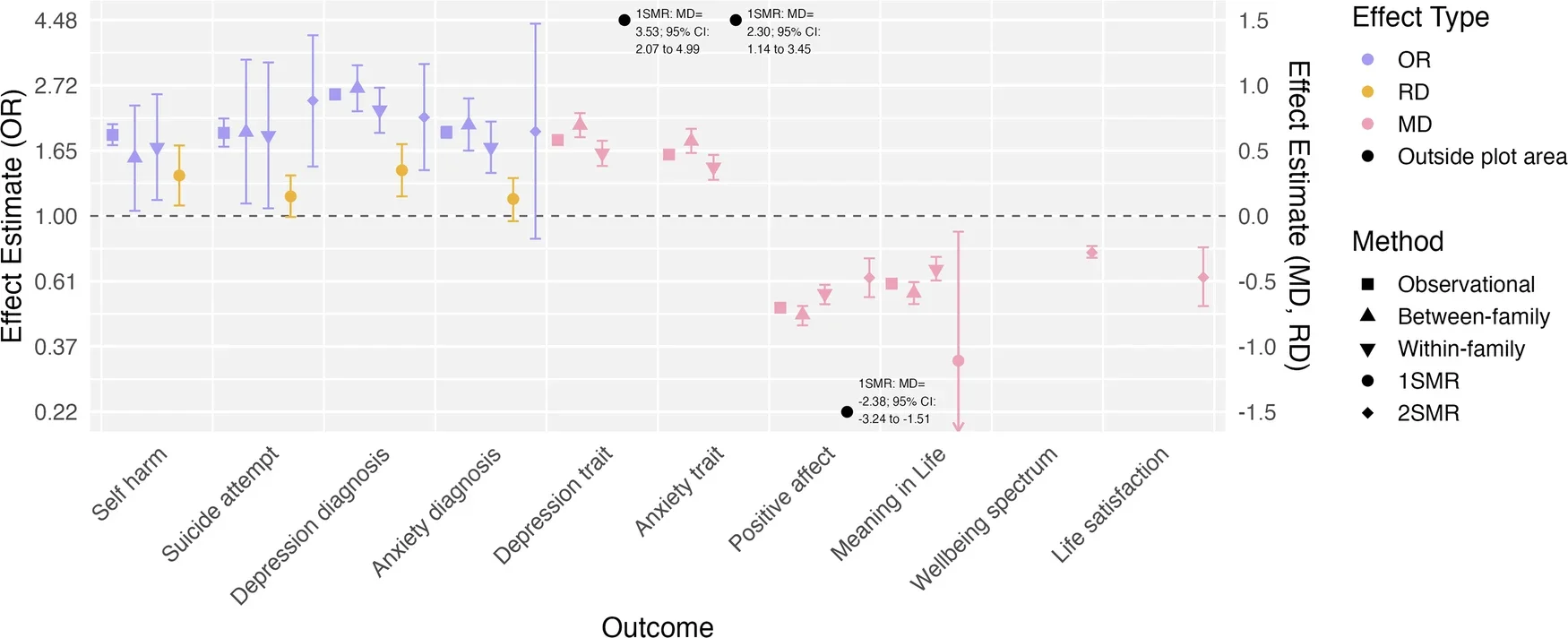
Across the three major methods, loneliness was consistently associated with depression, anxiety symptoms, and lower wellbeing.
It was also connected with lower happiness, reduced life satisfaction, and a weaker sense of meaning.
Evidence also linked loneliness with increased risks involving self-harm and suicide attempts. The study examined these as population-level mental health outcomes, not individual predictions. Dr. Zoe Reed, a research fellow at the University of Bristol, described loneliness as an important public health concern.
“Our findings suggest that loneliness, and possibly social isolation, are still important public health concerns, especially for mental health and general health,” Reed said.
“Supporting people who feel lonely or socially isolated could help improve mental health, wellbeing and overall health.”
The study did not treat loneliness as a one-way cause.
Researchers also examined whether poor mental health could increase loneliness. Their findings suggested that both directions may operate together.
Depression appeared to increase loneliness. Lower wellbeing, reduced happiness, and lower life satisfaction also seemed to make loneliness more likely.
That creates the possibility of a self-reinforcing cycle. A person who feels lonely may become more vulnerable to depression or anxiety. Those symptoms may then make connection harder.
The cycle can continue without any dramatic event. Small withdrawals, missed invitations, and reduced trust may gradually deepen the problem.
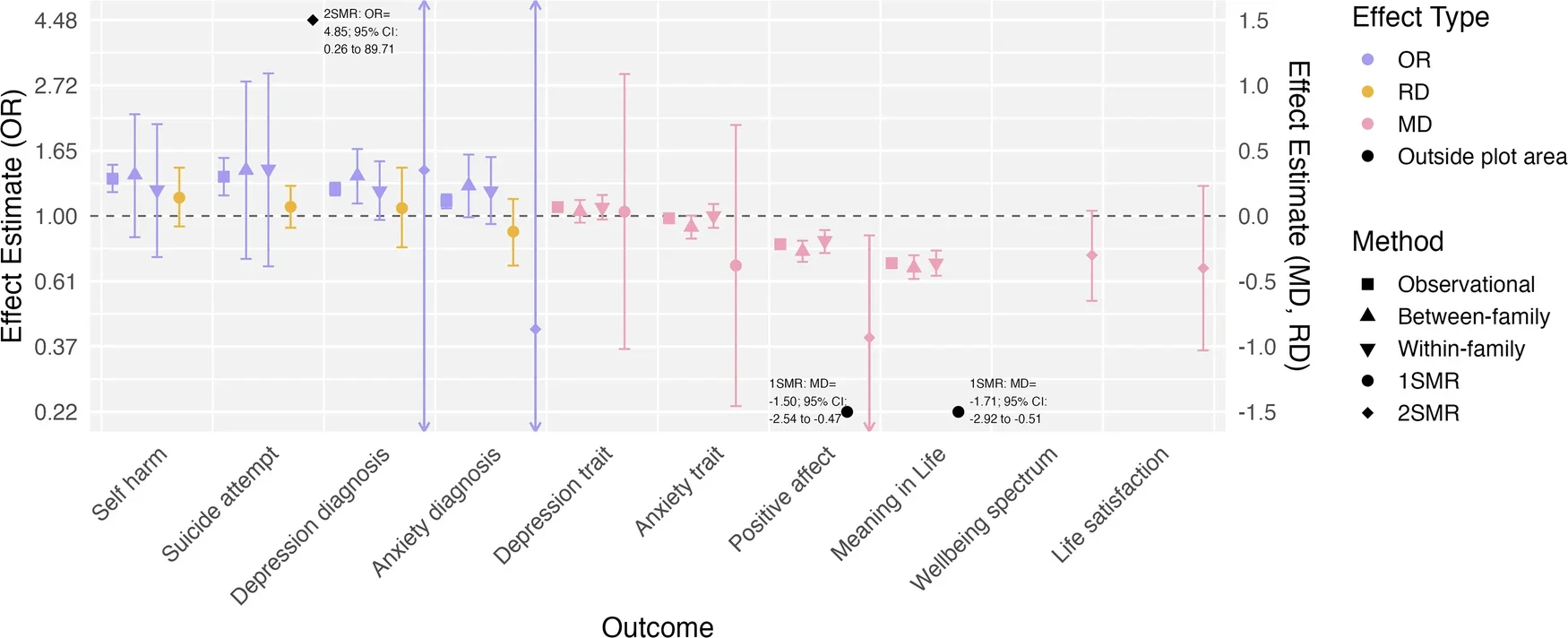
Social isolation followed a somewhat different path. Observational analyses connected isolation with several poor outcomes. Yet the more rigorous methods offered consistent evidence mainly for lower happiness and reduced meaning.
When loneliness and isolation were examined together, loneliness often remained the stronger factor. In some analyses, the apparent link between isolation and reduced positive feelings largely disappeared after loneliness was considered.
That suggests the emotional experience of loneliness may partly explain why isolation harms wellbeing. Lauren Bowes Byatt, director of Nesta’s healthy life mission, said the subject has remained understudied.
“This research underlines that loneliness is likely to have a detrimental impact on our mental health and wellbeing,” she said.
“By understanding how loneliness or social isolation may be contributing to ill-health, we can get closer to new and more effective solutions.”
The strongest evidence concerned mental health, but the study looked much further.
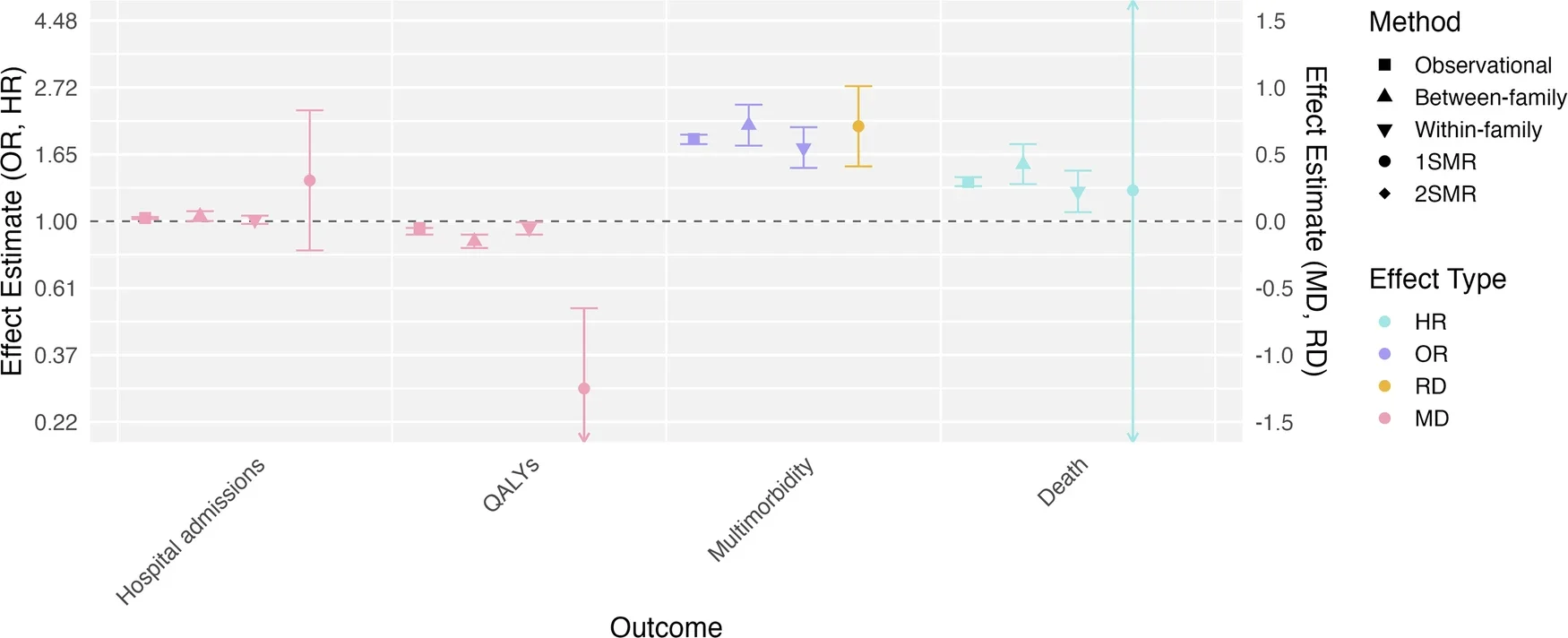
Researchers examined death, hospital admissions, quality-adjusted life years, and multimorbidity.
Quality-adjusted life years combine length of life with quality of health. Multimorbidity means living with at least two health conditions. Loneliness was linked to fewer quality-adjusted life years and greater multimorbidity.
Several analyses also connected loneliness with increased mortality. However, the genetic estimates remained too uncertain for firm conclusions.
The team found weaker evidence for social isolation and general health. Some observational studies associated isolation with death. That pattern did not remain consistent across all research methods.
Specific physical diseases produced even less certain results.
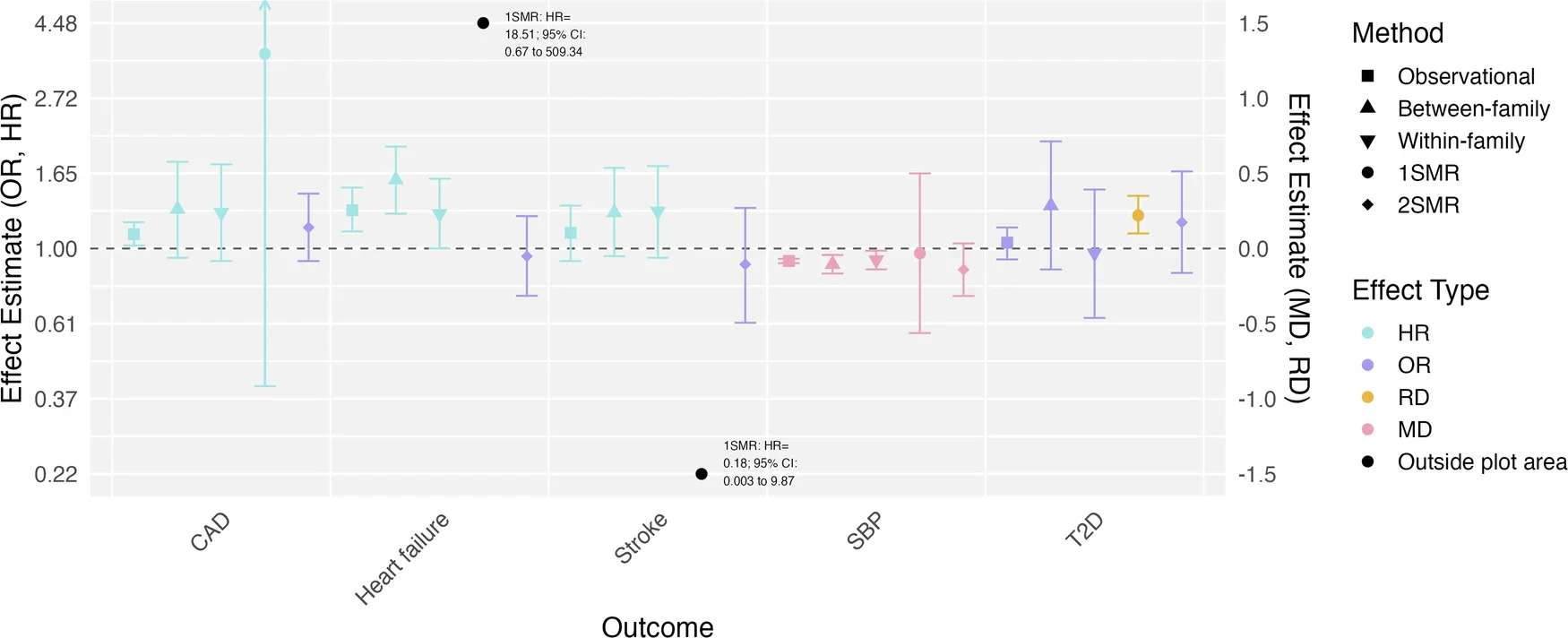
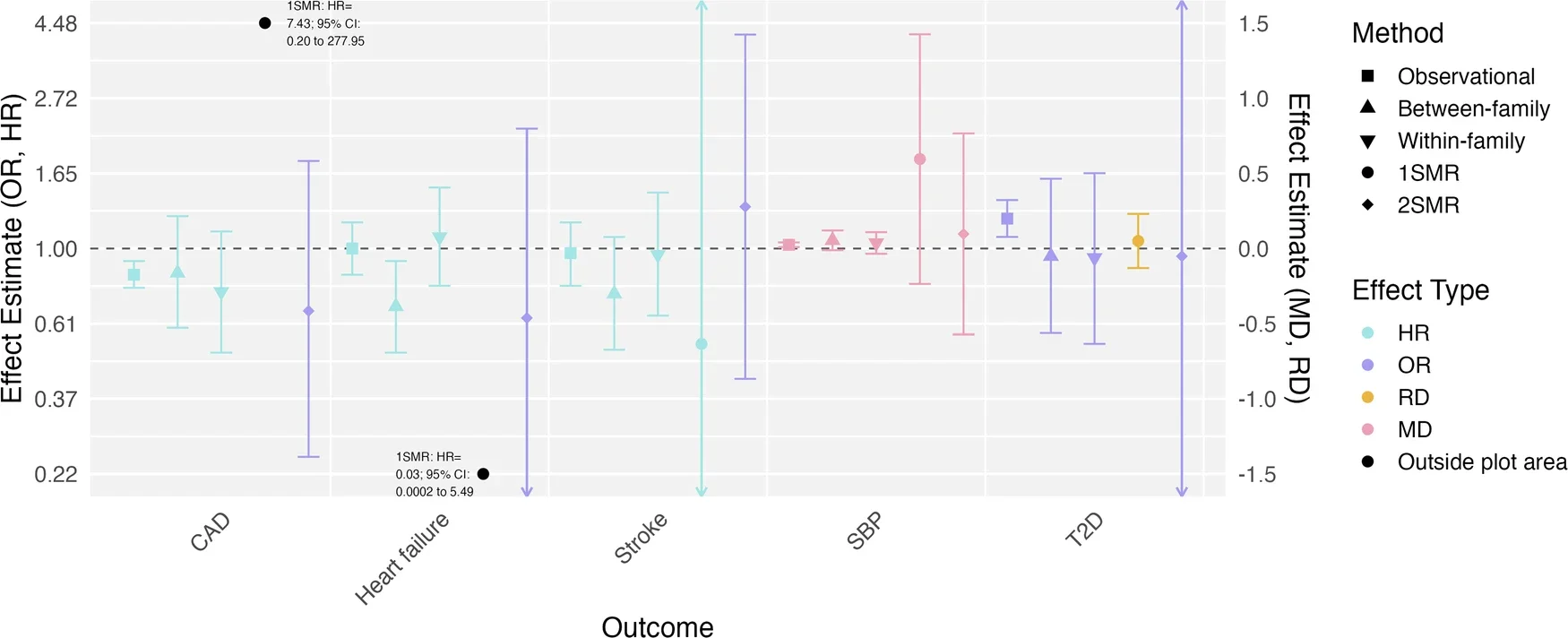
The researchers examined coronary artery disease, heart failure, stroke, blood pressure, and type 2 diabetes.
Some observational analyses found links. Many weakened when sibling comparisons or genetic methods were applied. This does not prove that loneliness has no physical effects.
Several genetic analyses had wide confidence ranges. Some conditions were also uncommon, which reduced the study’s statistical power.
Smaller physical effects may be difficult to detect separately. They could still build over many years. The study measured loneliness at one point in time. It could not fully examine the effects of persistent loneliness across decades.
It also focused on middle-aged and older adults.
Younger people may experience loneliness differently. Future research will need to test whether the same health patterns appear earlier in life.
The findings challenge the idea that loneliness can always be solved by increasing social activity.
More contact may help some people. Yet contact alone does not guarantee trust, comfort, belonging, or emotional support. Two people can have similar calendars and entirely different inner experiences.
Effective programs may need to consider relationship quality. They may also need to address anxiety, low mood, confidence, and barriers to connection.
The study does not identify one best treatment.
It does, however, suggest that health services should take loneliness seriously rather than dismissing it as ordinary sadness.
Screening could help identify people whose social needs remain hidden. A person may not appear isolated during a short medical visit. Public health programs could also separate loneliness from social isolation. Each may require a different response.
A socially isolated person might benefit from transportation, accessible meeting spaces, or community services.
Someone who feels lonely despite regular contact may need support building safer or more meaningful relationships.
Health professionals may gain better results by asking two separate questions.
They can ask how often a patient sees other people. They can also ask whether those relationships feel supportive. That distinction could uncover risks that a simple head count would miss.
Mental health programs may benefit from combining social support with care for depression and anxiety. Treating only one part could leave the cycle intact.
Policymakers should also avoid viewing loneliness as a private failure. Community design, health access, work patterns, disability, and family circumstances can shape connection.
The research supports investment in services that improve both contact and relationship quality.
More studies must examine younger groups and long-lasting loneliness. Researchers also need stronger evidence about individual physical diseases. Still, the central finding remains hard to ignore.
Loneliness is not merely an uncomfortable feeling at the edge of health. It may sit inside the process that shapes mental wellbeing and general health.
Research findings are available online in the journal Nature.
The original story “The hidden weight of loneliness on mental health and wellbeing” is published in The Brighter Side of News.
Like these kind of feel good stories? Get The Brighter Side of News’ newsletter.
The post The hidden weight of loneliness on mental health and wellbeing appeared first on The Brighter Side of News.

