A vast stretch of islands across the South Pacific holds one of the oldest human stories on Earth. For tens of thousands of years, people lived, migrated, and adapted across these remote landscapes. Yet their genetic history has remained largely missing from modern science. A new study led by researchers at Yale University now brings that story into focus, offering one of the most detailed looks at human genetic diversity in Oceania to date.
Published in Science, the research uncovers how ancient encounters with extinct human relatives still shape biology today. It also highlights a long-standing gap in global genomics, one that has left entire populations underrepresented in scientific knowledge.
For decades, most genetic studies have focused on people of European ancestry. This imbalance has limited understanding of human evolution and raised concerns about fairness in medical research.
Serena Tucci, lead author of the study, stressed the importance of inclusion. “The drastic underrepresentation of Oceanians limits our understanding of human evolution and could exacerbate health inequalities,” she said.
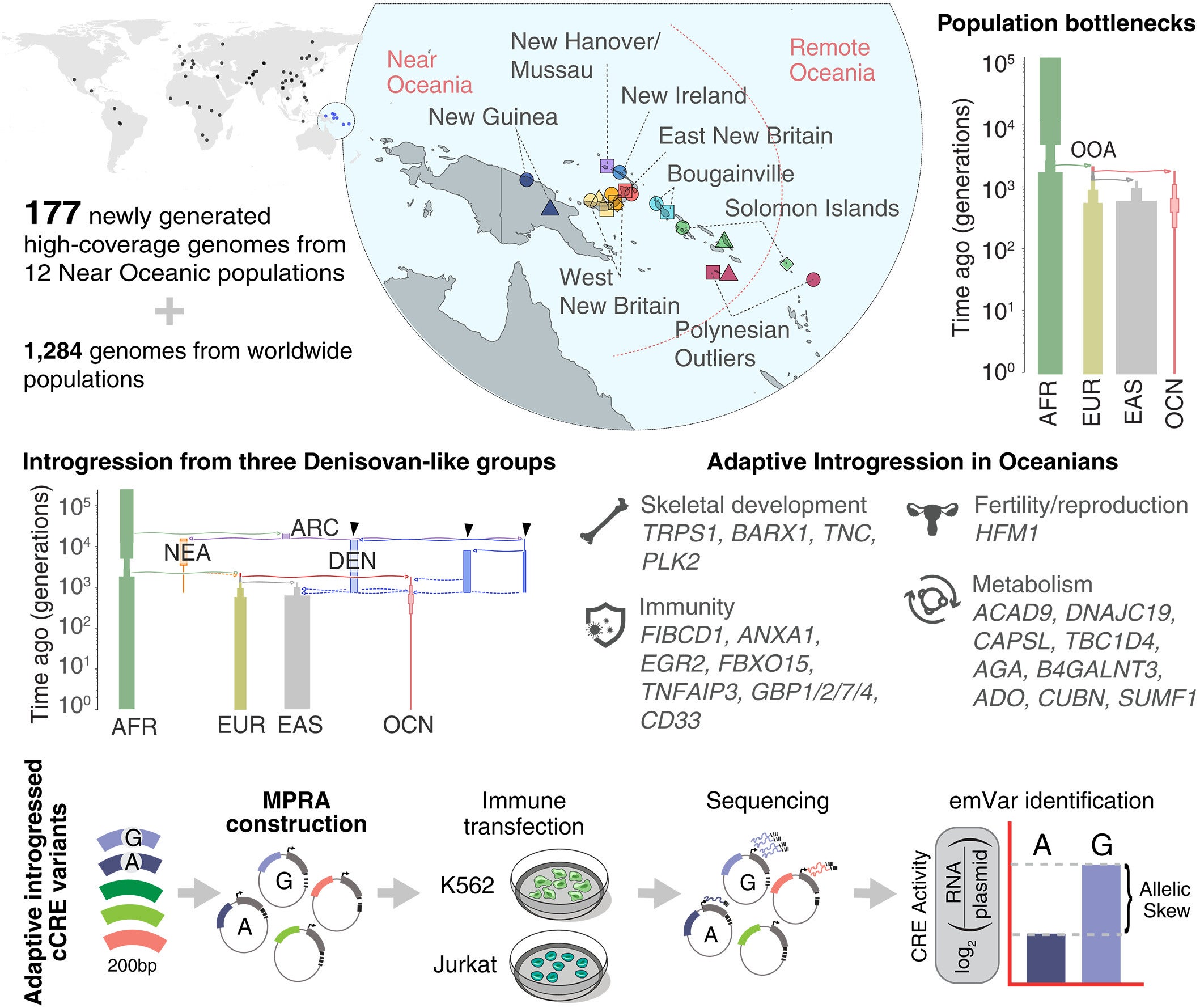
To address this gap, the research team sequenced the genomes of 177 individuals from 12 populations across Near Oceania. This region includes Papua New Guinea, the Bismarck Archipelago, and the Solomon Islands. The team also compared these genomes with more than 1,200 previously studied genomes from around the world.
The results revealed a striking level of diversity. Researchers identified more than 61 million genetic variants, with a large portion unique to the region. Many of these had never been recorded before.
Human settlement in Near Oceania dates back at least 45,000 years. Early migrants reached these islands long before later waves of expansion into more distant parts of the Pacific.
Over time, many communities remained isolated. Small populations developed distinct genetic patterns shaped by chance and environment. This process, known as genetic drift, left clear marks in their DNA.
Some groups showed signs of severe population declines in the past. These events, called bottlenecks, can reduce genetic diversity and leave long stretches of identical DNA.
The study found evidence of such bottlenecks across several populations. In some cases, population sizes may have dropped by as much as 90 percent thousands of years ago.
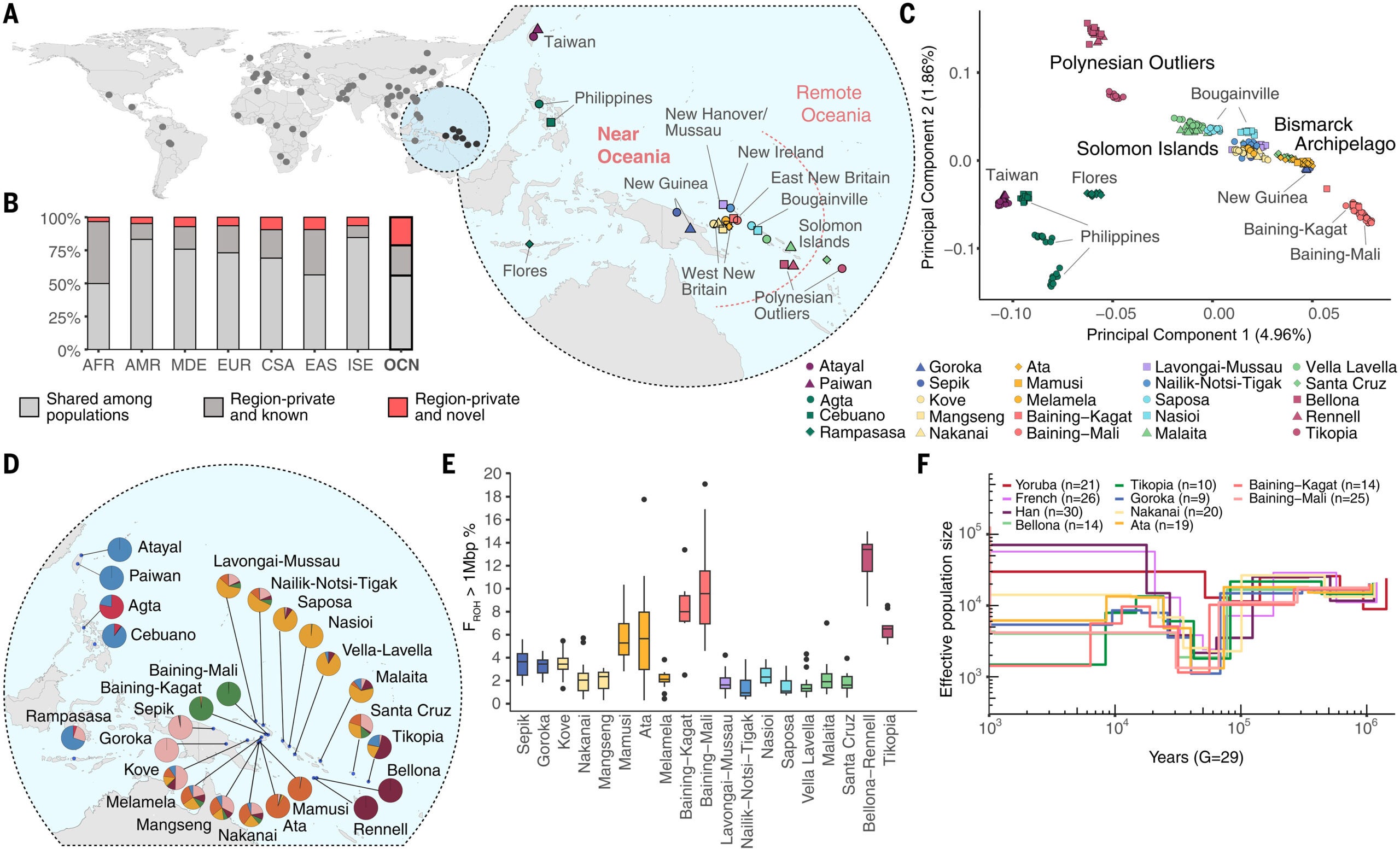
These patterns reveal a history shaped by isolation, survival, and adaptation in challenging environments.
One of the most striking findings involves ancient interbreeding. Modern humans once shared the planet with other human groups, including Neanderthals and Denisovans.
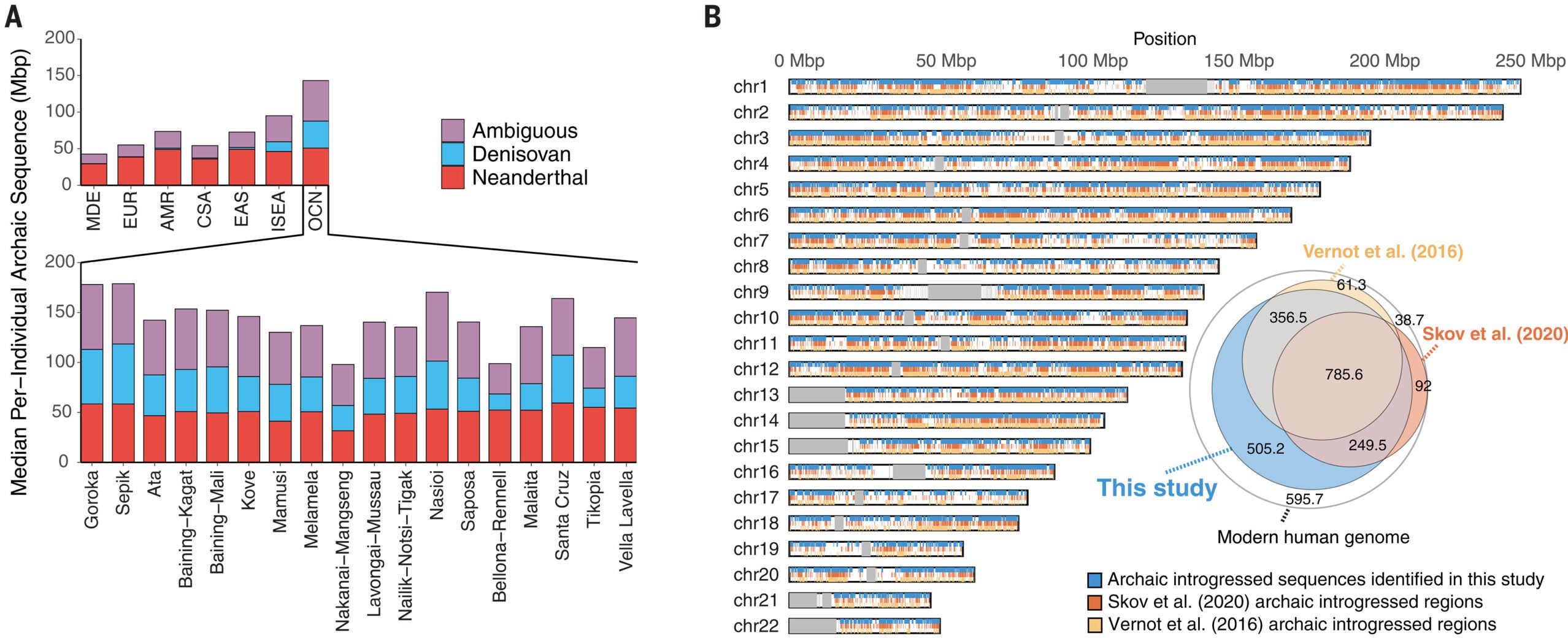
While most non-African populations carry some Neanderthal DNA, Denisovan DNA is far less widespread. It is most concentrated in Oceania.
The study found that people in Near Oceania carry far higher levels of Denisovan ancestry than other populations. In some cases, Denisovan DNA makes up more than 1 percent of the genome.
Even more surprising, the data suggest that early humans in this region did not meet just one Denisovan group. Instead, they appear to have encountered at least three distinct Denisovan-like populations.
These encounters occurred over thousands of years as humans moved through Asia and into the Pacific. Each interaction left a genetic imprint that still exists today.
The research goes beyond identifying ancient DNA. It shows how that DNA continues to influence human biology.
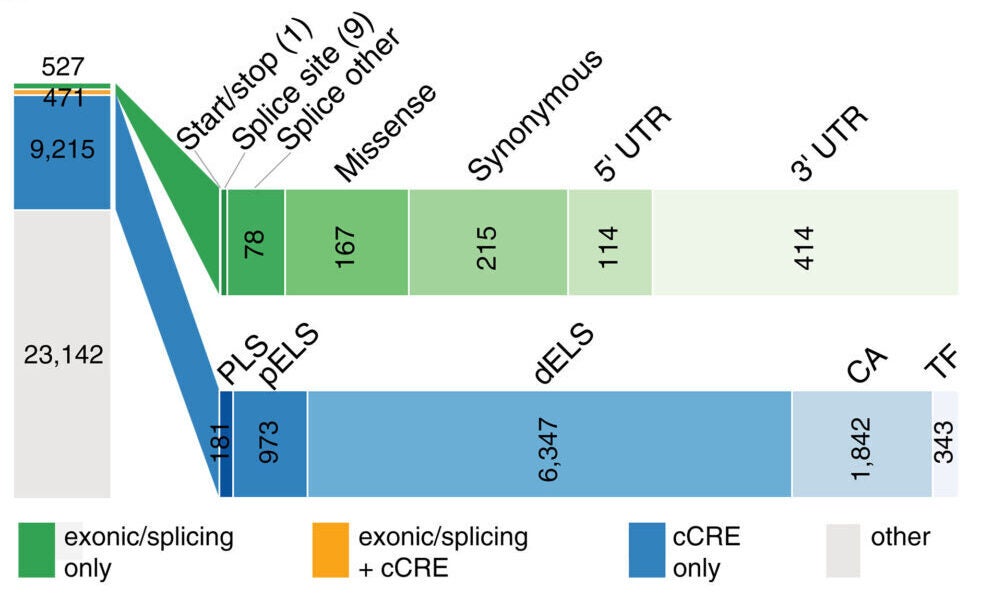
Using advanced laboratory techniques, the team tested how specific genetic variants affect gene activity. They identified more than 3,100 variants that change how genes are turned on or off.
This is a major step forward. Previous studies showed that ancient DNA survived in modern genomes. This study shows that it remains biologically active.
“This DNA is not just a remnant of ancient liaisons; it continues to influence our biology today,” Tucci said.
Many of the functional variants identified in the study are linked to the immune system. In particular, they affect pathways involving interferon signaling, which helps the body fight infections.
Patrick Reilly, first author of the study, explained the significance. “Pathogens are one of the strongest selective pressures throughout human evolution,” he said.
As early humans entered new environments, they encountered unfamiliar diseases. Genetic variants inherited from Denisovans may have helped them survive.
These variants likely improved the body’s ability to respond to viruses and bacteria. Over time, natural selection increased their frequency in the population.
This finding highlights how ancient interbreeding played a direct role in human survival.
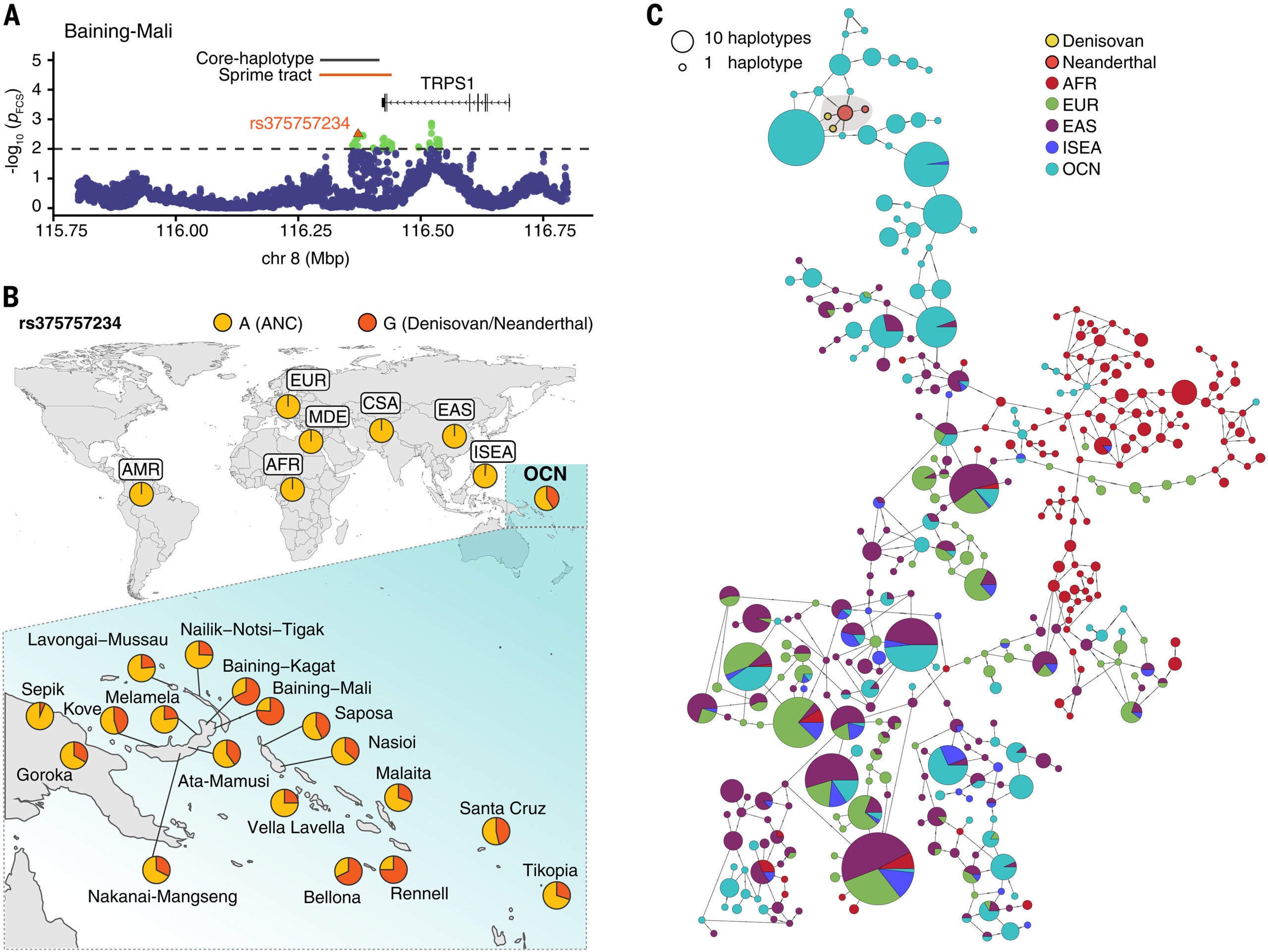
The study also found that Denisovan DNA influences other traits. One key example involves a gene called TRPS1, which affects skeletal development.
Variants of this gene appear at high frequency in some Oceanic populations. Similar patterns have been observed in populations from Africa and South America.
This suggests that evolution can produce similar adaptations in different regions. Environmental pressures may shape the same biological systems in parallel ways.
Such findings reveal the complexity of human evolution. Traits are not shaped by a single event, but by repeated interactions between genes and environment.
Not all ancient DNA has been preserved. The researchers identified large regions of the genome where archaic DNA is missing.
These areas, known as “archaic deserts,” make up about 11 percent of the genome. They often contain genes essential for survival and development.
The absence of ancient DNA in these regions suggests that harmful variants were removed over time. Natural selection likely favored modern human versions of these genes.
This pattern shows that while some ancient DNA was beneficial, much of it was neutral or harmful.
Another key finding is that adaptation varies widely across populations. Even within the same region, different groups show distinct genetic changes.
In many cases, the same biological pathways are involved. However, the specific genes and variants differ.
This suggests that each population adapted to its own environment in unique ways. Factors such as climate, diet, and disease all played a role.
The result is a mosaic of genetic diversity shaped by local conditions.
The study also raises important questions about health. Many of the identified genetic variants are not well represented in medical databases.
This is largely because those databases are based on limited populations. As a result, important genetic factors in Oceanic populations remain poorly understood.
Expanding research to include diverse populations can improve diagnosis and treatment. It can also help identify genetic risks that are currently overlooked.
By studying a wider range of genomes, scientists can build a more complete picture of human health.
This research offers one of the clearest views yet of human history in the Pacific. It shows how migration, isolation, and ancient interbreeding shaped modern populations.
It also highlights the importance of studying underrepresented groups. Each population carries unique insights into human biology and evolution.
The findings challenge simple narratives of human history. Evolution is not a straight line. It is a network of interactions, shaped by chance and necessity.
This study has significant implications for both science and medicine. By expanding genomic research to include underrepresented populations, scientists can better understand human diversity. This leads to more accurate models of disease risk and treatment outcomes.
The discovery that ancient DNA still influences gene activity opens new avenues for research. Scientists can study how these variants affect immune responses and other biological processes. This may lead to new treatments for infectious diseases and immune-related conditions.
The findings also highlight the need for more inclusive medical databases. A broader genetic foundation can help reduce health disparities and improve care for diverse populations.
In the long term, this research could guide personalized medicine. Understanding how different populations adapt to their environments may help tailor treatments to individual genetic backgrounds.
Finally, the study deepens our understanding of human evolution. It shows that ancient interactions continue to shape modern life, linking past and present in ways that are only now becoming clear.
Research findings are available online in the journal Science.
The original story “Ancient DNA in Oceania reveals hidden human evolution and health insights” is published in The Brighter Side of News.
Like these kind of feel good stories? Get The Brighter Side of News’ newsletter.
The post Ancient DNA in Oceania reveals hidden human evolution and health insights appeared first on The Brighter Side of News.

