For an animal that already looks assembled from spare parts, the platypus has added another twist to its history.
Fossils from South Australia point to an ancient species, Obdurodon insignis, that looked a lot like the modern platypus but still carried a full set of crushing teeth. Living platypuses do not. Adults use tough grinding pads instead, one of the features that make them stand apart from nearly every other mammal on Earth.
That contrast matters because the new remains do more than add another strange detail to an already strange animal. They suggest the platypus body plan had settled into something close to its modern form by the late Oligocene, around 25 million years ago, even before the living species lost its teeth.
“Platypuses are extremely rare in the fossil record and are often restricted to teeth, so it’s exciting to find new material and learn more about these unique mammals,” said study co-author Dr. Aaron Camens of Flinders University.
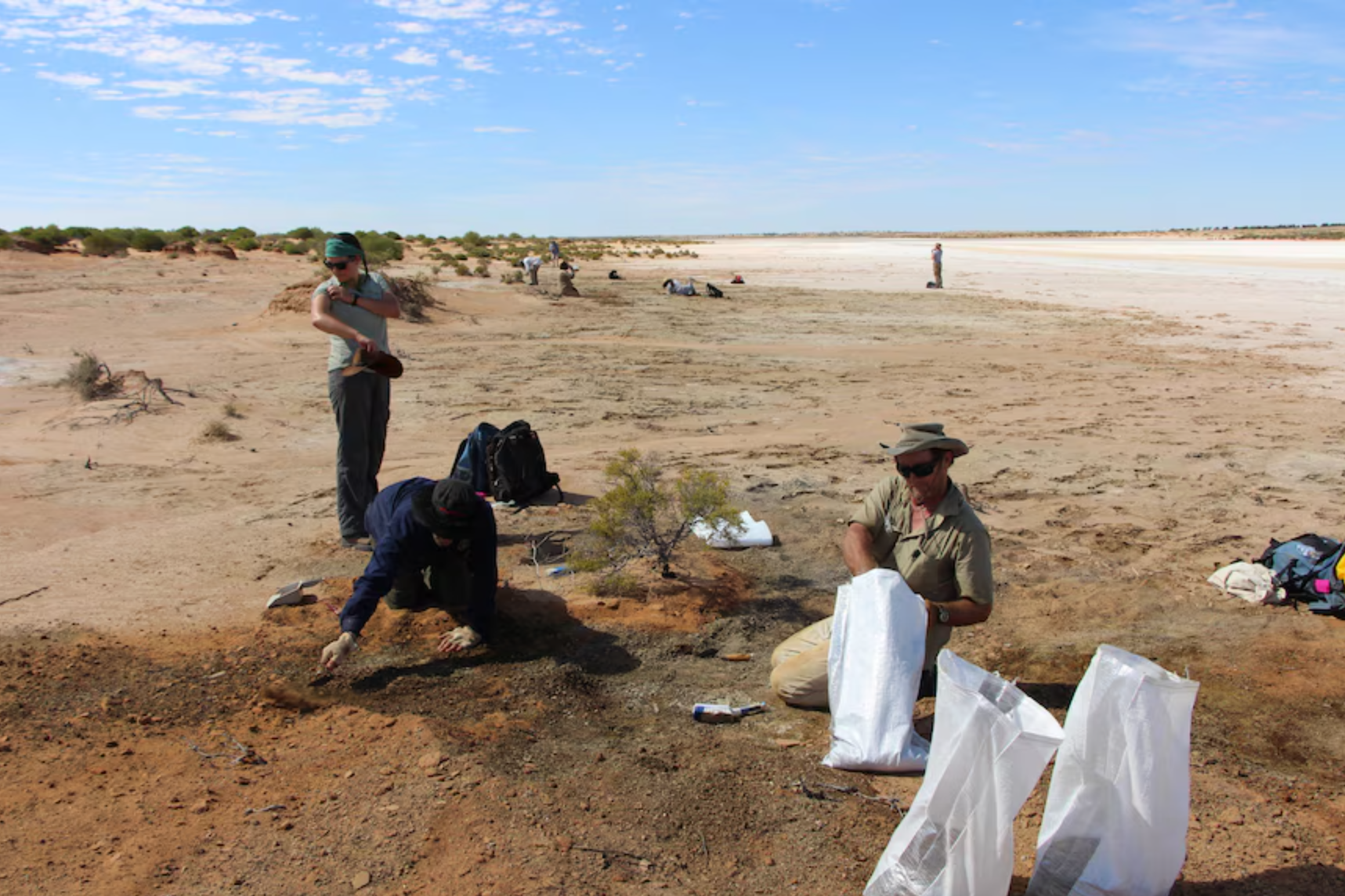
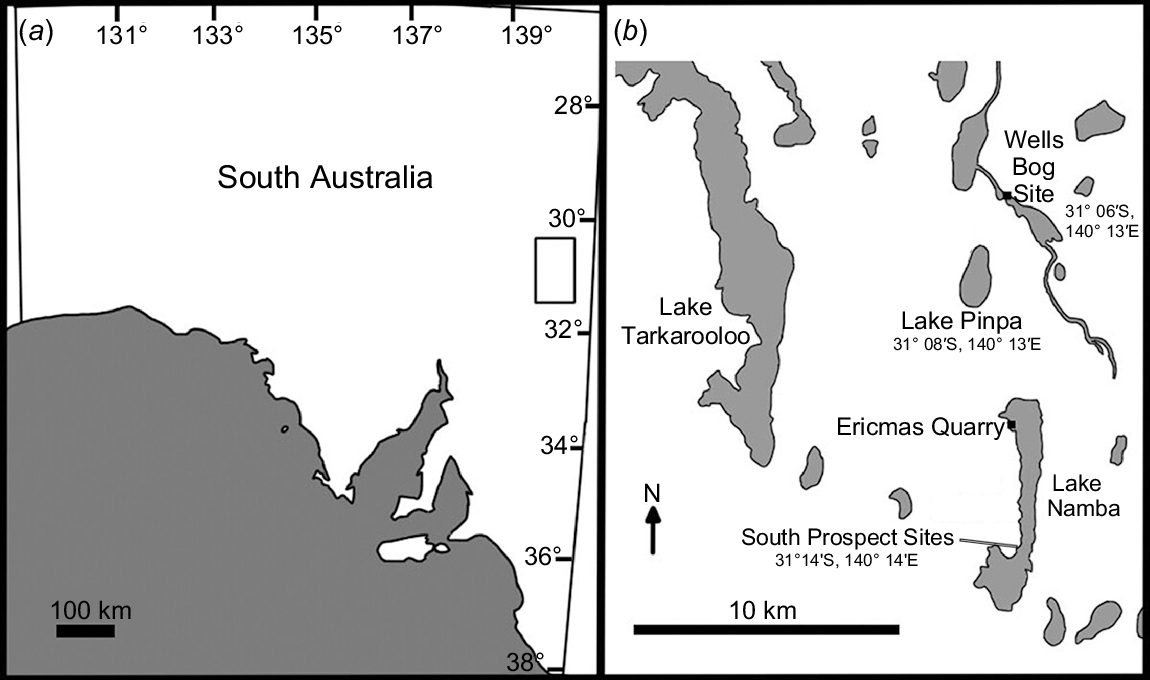
The fossils come from the Namba Formation at Frome Downs Station, where a Flinders University team has worked for about 20 years. In a thin fossil-rich deposit known as the fish lens at Wells’ Bog Site, the researchers recovered three remains they linked to Obdurodon insignis: a right first lower molar, a right second premolar, and part of a shoulder bone called the scapulocoracoid.
Each specimen fills a gap. Together, they sharpen the outline of an animal that has stayed frustratingly faint in the fossil record.
The most eye-catching fossil is the molar.
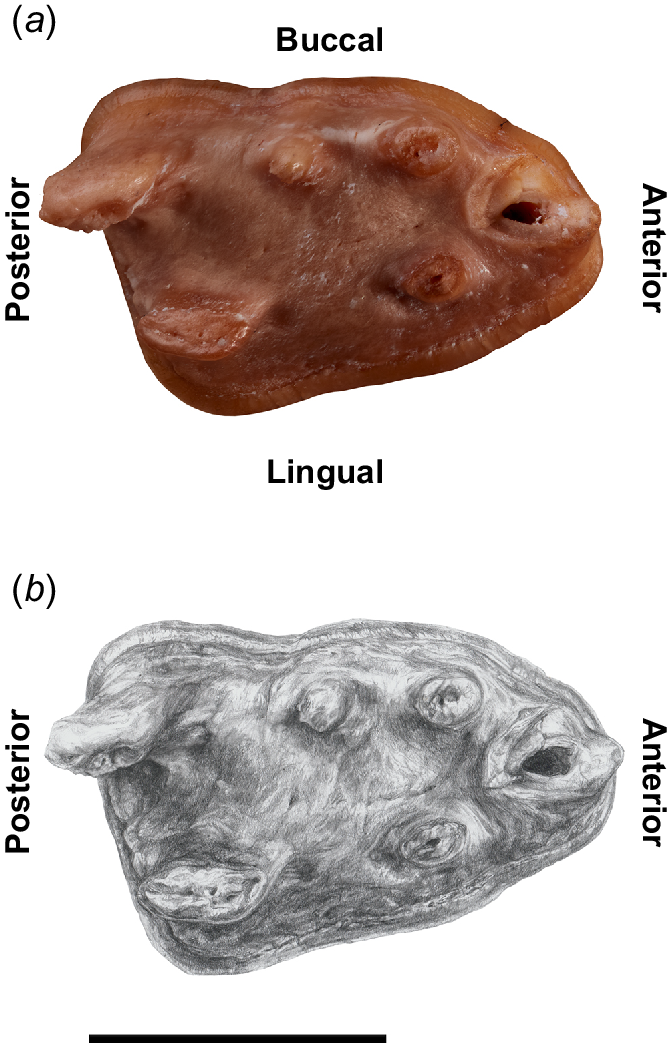
It closely matches the known tooth shape of Obdurodon insignis, but it is about 25 percent larger than the species’ holotype tooth. That size jump hints at notable variation within the species, something also seen in another ancient platypus, Obdurodon dicksoni.
The tooth itself was built for hard work. The ridges, roots, and overall structure suggest an animal that could crush prey rather than simply mash softer food. The newly described premolar strengthens that picture. It carries a pointed cusp and crest, and the authors say it likely sat toward the front of the tooth row, where it could help seize and crack armored prey.
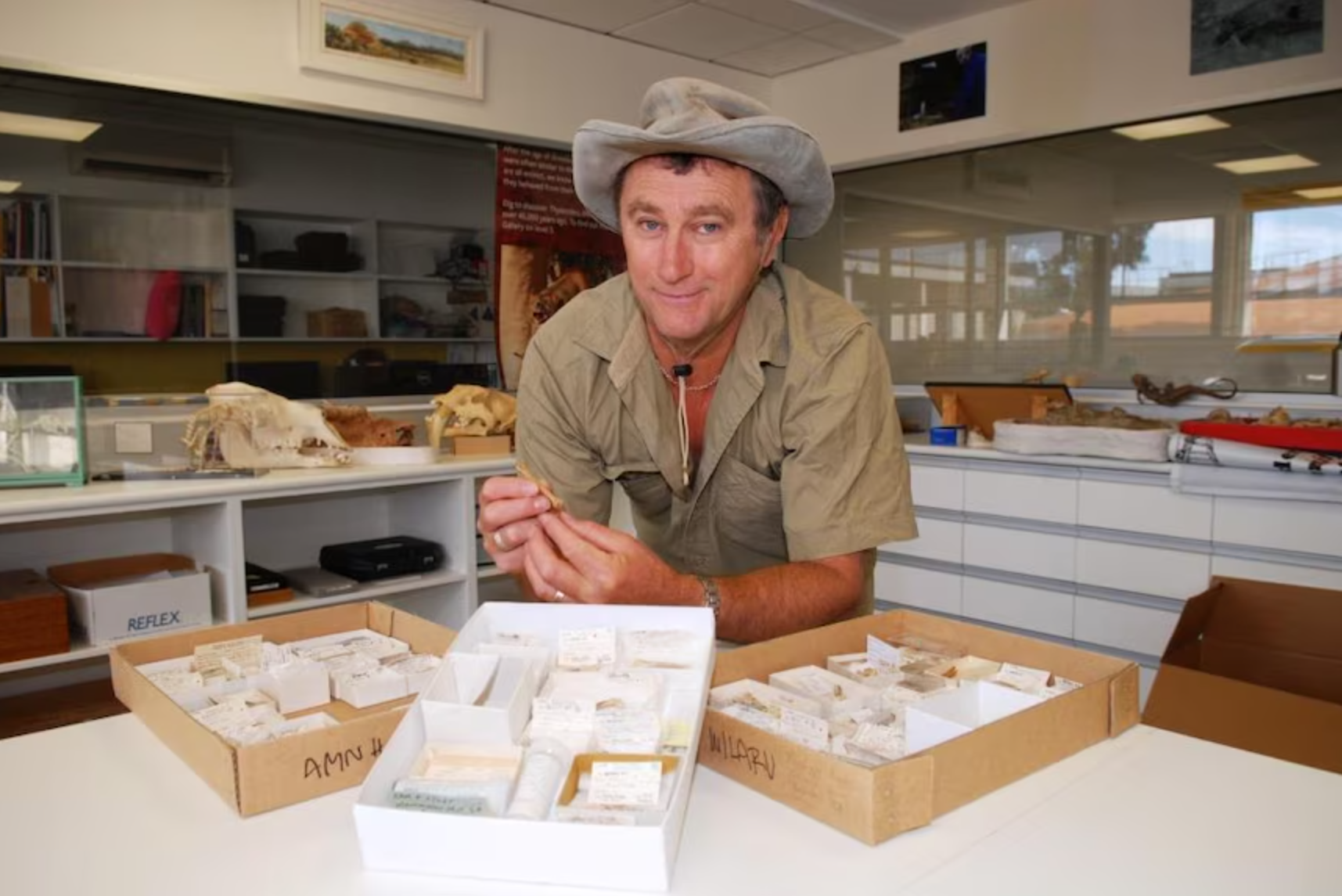
“The new premolar for Obdurodon insignis shows this species also had large, pointed front teeth, which, with its large, robust molar teeth, could easily have crushed animals with shells or robust exoskeletons like yabbies,” said study co-author Trevor Worthy, an associate professor at the Flinders Paleontology Lab.
That feeding setup marks a clear difference from today’s platypus. Modern adults lose their teeth and rely on grinding pads. So while the old and living forms share the same broad identity, they were not eating in exactly the same way.
The research team places Obdurodon insignis within the platypus family Ornithorhynchidae, one branch of the monotremes, the rare egg-laying mammals that also include echidnas. Monotremes split from other mammals more than 100 million years ago, yet their fossil trail is sparse. In Australia’s late Oligocene and Miocene rocks, monotreme remains are uncommon enough that a single tooth can become a major clue.
That is part of what makes this material useful. The researchers were not looking at a nearly complete skeleton. They were working with a handful of pieces, some of them tiny, and still managing to pull a more detailed animal out of the stone.
The shoulder fragment may be the most revealing fossil in the group.
Most ancient platypus finds have been limited to teeth, jaws, or skull parts. This scapulocoracoid is only the second known body fossil for Obdurodon insignis, and it offers a rare look at how the animal may have moved.
Its overall form closely resembles that of the modern platypus. The glenoid fossa, the part of the shoulder that meets the upper arm, suggests the humerus was held in a horizontal plane, a limb posture well suited to swimming. In other words, this ancient platypus already seems to have had the basic machinery needed for life in the water.
“The other rare find was the discovery of a partial scapulocoracoid, or bone that supports the arm or front limb,” said Worthy.
“This reveals a very similar forelimb structure to the modern platypus, indicating it could swim just as well as its modern descendant.”
Still, the fossil was not a perfect match for the living animal. The specimen differs from the modern platypus in several ways, including a more robust scapula-coracoid connection, a stronger scapular lip around the shoulder socket, and a broader glenoid shape that may have allowed more up-and-down movement of the humerus. The authors interpret those features as signs of a more flexible pectoral girdle and a less restrained shoulder joint.
That raises an intriguing possibility. Obdurodon insignis may have been a less specialized swimmer than the modern platypus, even if it was already highly competent in the water. The familiar platypus stroke, efficient and tightly controlled, may have been present in rough form rather than fully refined.
“These fossils show that 25 million years ago Obdurodon insignis was very similar to the modern platypus. It differed mainly by being slightly larger and having teeth,” said Worthy.
That sentence captures the larger message of the find. Much had already fallen into place.
The fossils came from more than an isolated animal bone bed. They came from an ecosystem.
The Wells’ Bog material belongs to the Pinpa Local Fauna of the Namba Formation, which the authors describe as part of a freshwater setting rich in aquatic life. Other fossils from the broader assemblage point to lungfish, teleost fish, turtles, a crocodylian, a small cetacean, and water birds, along with land animals whose remains ended up near the lake margins.
Geology and fossil evidence together suggest a large, permanent lake system. Seasonal drying may have exposed parts of the lakebed, with shorelines collecting carcasses and washed-in remains. The fish lens where the platypus fossils turned up is thin, no more than about 100 millimeters thick, but densely packed with bones and mineral nodules.
“An ancient, toothed platypus lived in these lakes and rivers as shown by the bones of one that settled to the floor of the lake 25-five-million-years-ago,” said Worthy.
Even in that fossil-rich setting, Obdurodon insignis appears rare. The three new specimens may represent only one individual. The authors note that the species is much less common there than some other animals in the same fauna, including lungfish and a small cetacean known from multiple localities. That uneven presence matters because it suggests the animal may not have preferred large lake habitats full time.
Instead, the team proposes that Obdurodon insignis may have spent more of its life in stream environments, similar to the habitat often used by the modern platypus.
The picture is suggestive, not complete.
That caution runs through the study. The researchers describe the new material as broadening the known age range of Obdurodon insignis, linking it to late Oligocene deposits in both the Namba and Etadunna formations. But they also spend time sorting out older taxonomic and stratigraphic confusion around previous finds from South Australia, including debate over how some local faunas should be classified and whether one published name, Obdurodon griffithsi, can really support a distinct species at all. Their conclusion there is blunt: it is a nomen dubium, a dubious name that does not add meaningful diversity to the genus.
There is something almost stubborn about the platypus.
Birds changed. Whales changed. Horses changed. Australia’s platypus lineage, at least in broad outline, seems to have found a workable design early and held onto it.
The new remains reinforce that view. Despite differences in teeth and some shoulder details, Obdurodon insignis already looked functionally close to the living platypus by the late Oligocene. The study authors argue that monotremes similar in function to the modern platypus have existed since that time.
That does not mean nothing changed. Teeth disappeared in the living species. The shoulder may have become more tightly specialized for swimming. Habitat use may have shifted. But the core arrangement proved durable.
Sparse fossil records can make long-term stability hard to see, because so many steps are missing. Here, a molar, a premolar, and part of a shoulder are enough to show that the platypus was already very much itself tens of millions of years ago.
Worthy, who has spent years working on the ancient ecosystem that produced the fossils, put it this way: “I have studied this lost ecosystem for many years now, and it is for exquisite fossils like these that I return again and again to the desert. One never knows what erosion or one’s efforts will reveal next.”
Australia’s oddest mammal still has a long prehistory left to uncover.
The clearest impact of this research is on how scientists reconstruct monotreme evolution. Platypus fossils are so rare that even a few new specimens can change the timeline, clarify anatomy, and narrow ideas about how ancient species lived.
These remains also help show which features changed over time, such as the loss of teeth, and which stayed remarkably stable, such as the general swimming body plan. Just as important, the study underscores how incomplete the monotreme record still is.
That means future fossil finds in Australia could substantially reshape what researchers think they know about one of the world’s most unusual mammal lineages.
Research findings are available online in the journal Australian Zoologist.
The original story “Ancient platypus had teeth 25 million years ago, fossils reveal” is published in The Brighter Side of News.
Like these kind of feel good stories? Get The Brighter Side of News’ newsletter.
The post Ancient platypus had teeth 25 million years ago, fossils reveal appeared first on The Brighter Side of News.

