Dark matter appears to hold galaxies together, yet it has never shown itself directly. A new theory suggests the missing substance may owe its elusive behavior to the geometry of a hidden fifth dimension.
The framework, developed at the University of Sheffield and published in Physical Review D, connects two major ideas in fundamental physics: dark matter and extra dimensions. It proposes that dark matter particles and force-carrying dark photons occupy an additional dimension beyond the four dimensions people experience.
The shape of that dimension could arrange the particles’ masses in a precise relationship. That alignment would produce a resonance, greatly strengthening dark matter interactions under particular conditions.
The effect resembles a musical instrument vibrating strongly when it encounters the right note. In this case, however, the resonance would involve particles whose masses naturally fall into step.
Dark matter has never been detected directly, but its gravitational influence appears across the universe. Galaxies rotate as though they contain far more matter than astronomers can see, while clusters and large cosmic structures also behave as though invisible mass surrounds them.
One major candidate is thermal dark matter. Under this idea, dark matter interacted with other particles in the hot early universe before those interactions weakened as space expanded and cooled.
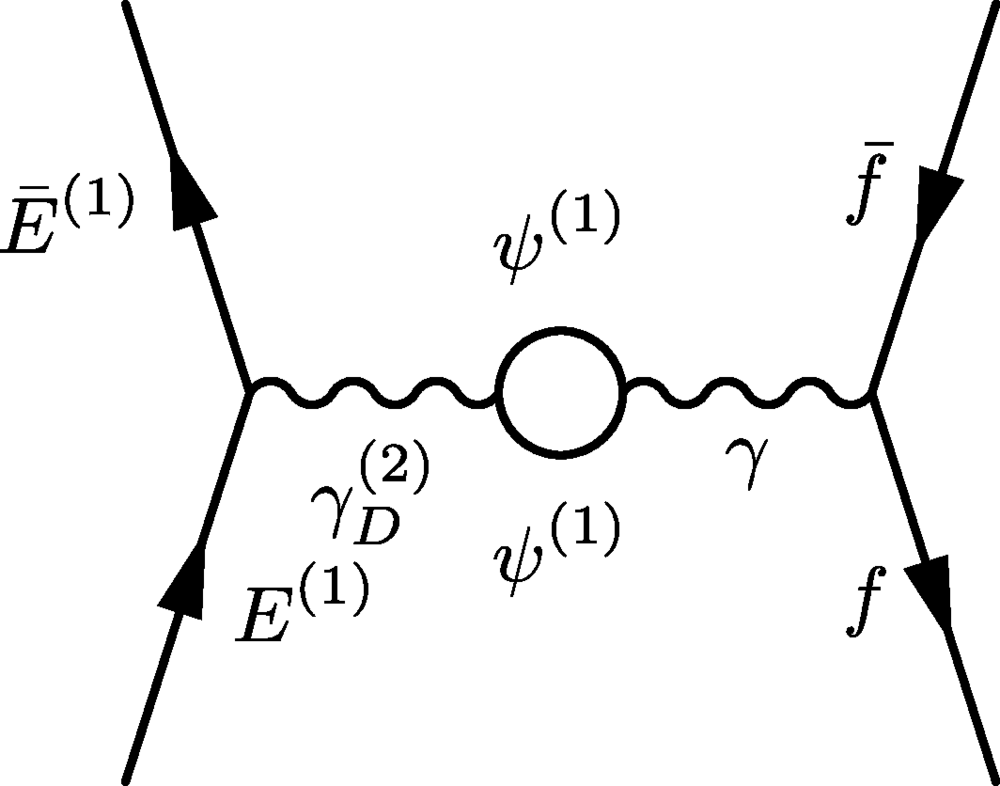
Some thermal dark matter models rely on a dark photon, a hypothetical particle that carries a force within the dark sector. A dark photon could also interact faintly with ordinary matter through a process called kinetic mixing.
Resonance could make those interactions much stronger when the dark photon’s mass closely matches twice the dark matter particle’s mass. Yet many previous models required scientists to set those masses by hand with extreme precision.
The Sheffield model offers a possible reason for that alignment.
“Dark matter resonance is already known to be a powerful idea, with the potential to change our understanding of how dark matter was produced in the early universe and how we search for it today,” said Dr. Yu-Dai Tsai, a Royal Society Dorothy Hodgkin Senior Research Fellow at Sheffield.
“But many previous resonant dark matter models have treated the resonance as an assumption. This work gives a possible deeper origin for it: The resonance may come directly from the geometry of hidden dimensions.”
The model places the dark sector inside a compact fifth dimension. Ordinary particles remain confined to familiar four-dimensional spacetime.
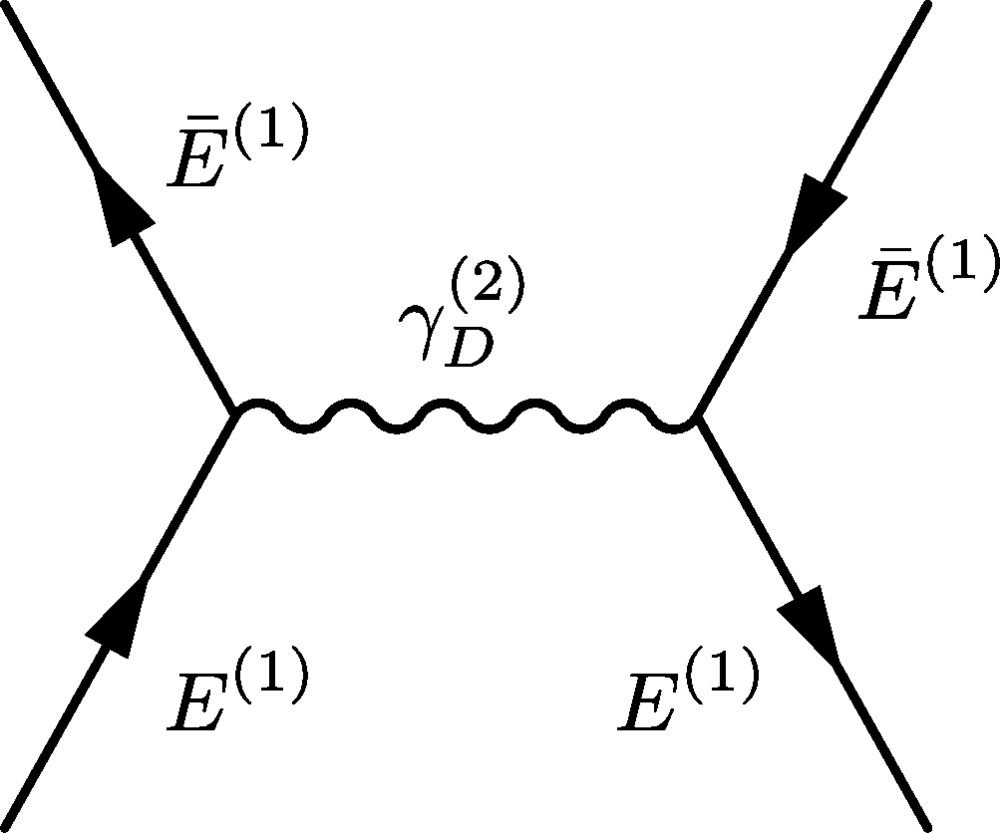
Dark matter takes the form of a fermion, a broad class that includes particles such as electrons. The dark photon serves as the mediator connecting dark matter with ordinary particles.
The fifth dimension is compactified, meaning it is curled into a tiny structure. Particles traveling through it appear in four dimensions as a series of heavier states known as Kaluza-Klein modes.
Their masses depend on the size and geometry of the compact dimension. In the proposed framework, the lightest stable fermion mode becomes the dark matter candidate, while a higher dark photon mode acts as the mediator.
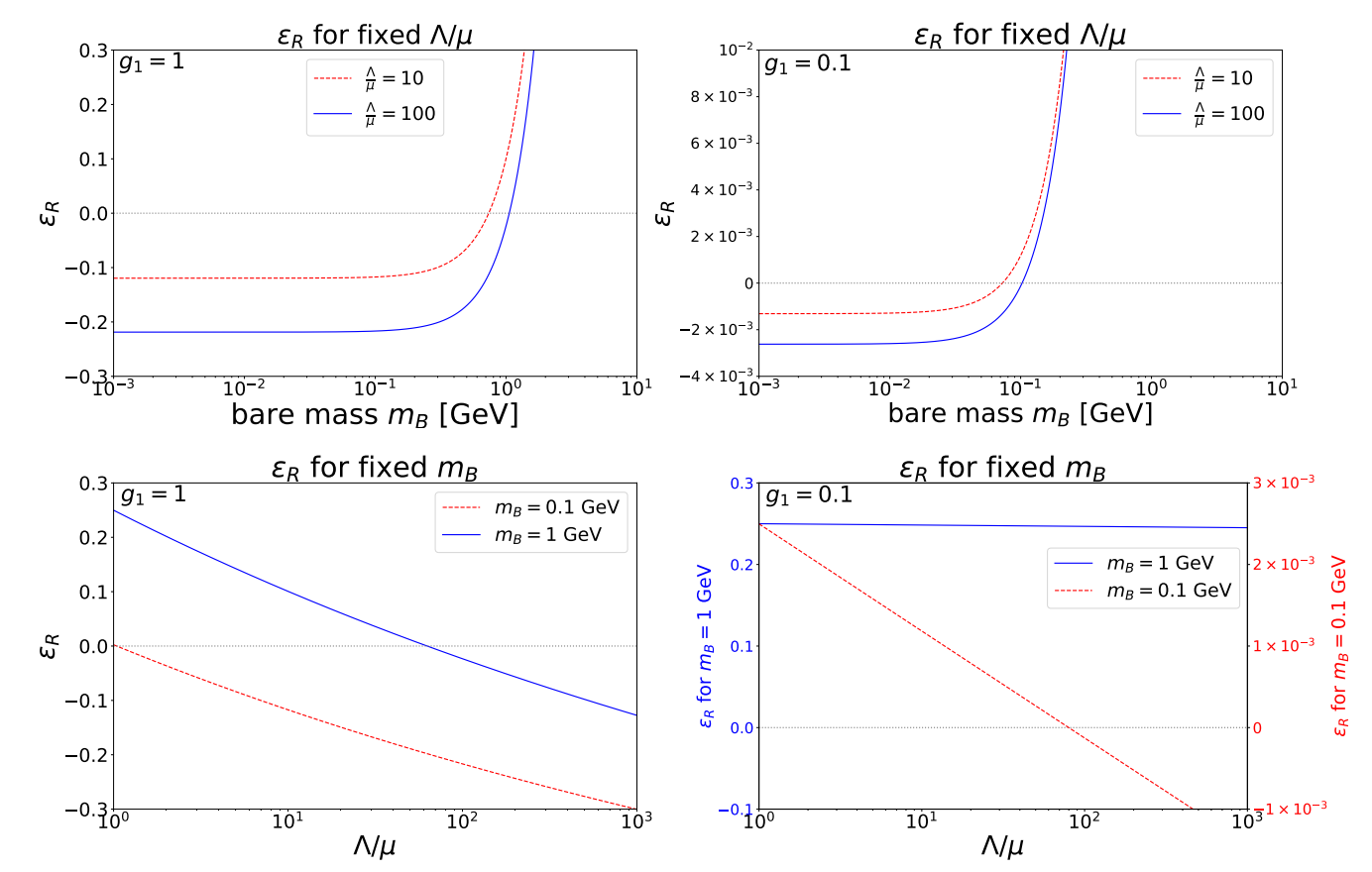
The structure naturally places the dark photon close to the mass needed for resonance with two dark matter particles. Radiative corrections, which account for quantum effects on particle masses, can adjust the relationship without destroying it.
“This resonance can make dark matter interactions much stronger at crucial epochs in cosmic history, such as in the early universe,” Tsai said. “Crucially, the model allows for these strong interactions in the past while still explaining why dark matter appears so inert and hard to detect today.”
Resonance could help dark matter annihilate efficiently during the early universe, leaving behind the abundance observed today. That process is known as freeze-out.
As the universe cooled, dark matter particles would have stopped annihilating frequently. The remaining population would then persist as the invisible matter inferred from gravitational observations.
The proposed particles would occupy the sub-gigaelectronvolt mass range, below the mass scale targeted by many traditional dark matter searches.
Their interactions with electrons would also be suppressed by the low speed of dark matter moving through the Milky Way. This feature could help explain why current direct-detection experiments have not observed them.
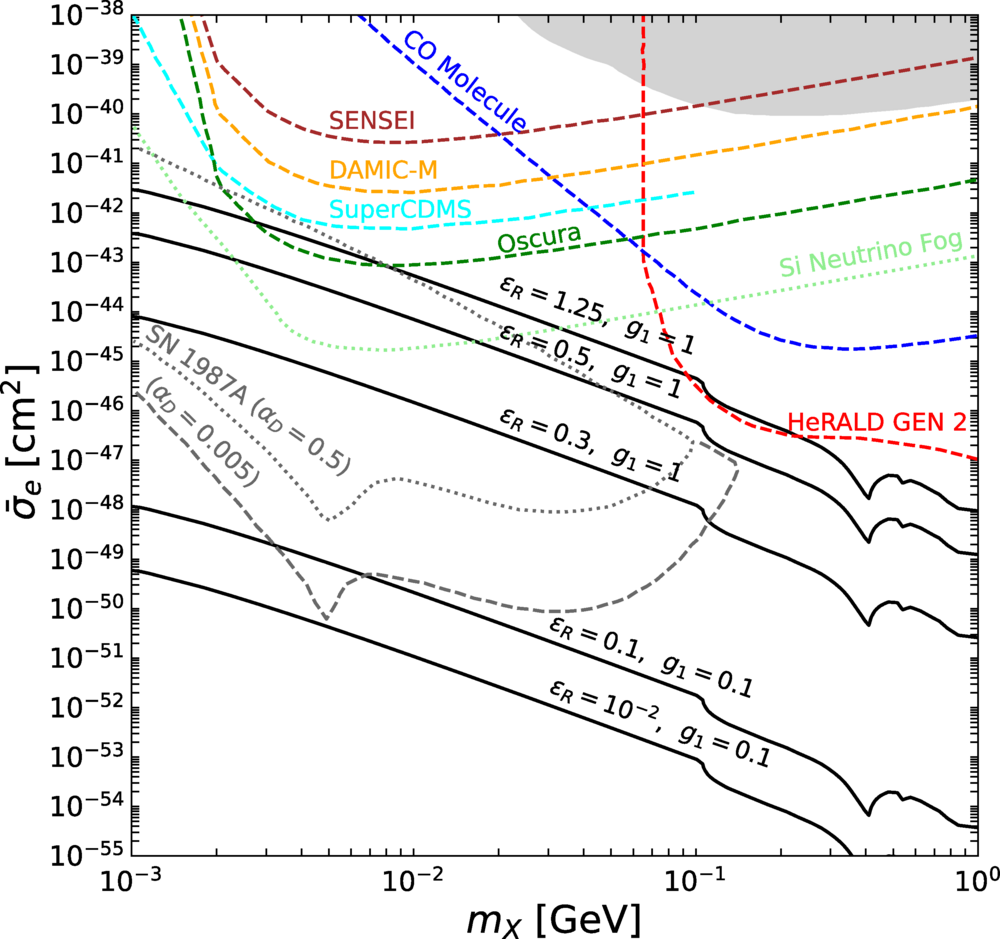
The framework predicts a range of interaction strengths that future instruments could explore. These include Oscura, SuperCDMS-SNOLAB, SENSEI, DAMIC-M and experiments using superfluid helium or molecular targets.
The researchers found that models with relatively modest resonance could fall within the reach of Oscura or a second-generation HeRALD experiment. Stronger resonances could remain accessible to later versions of HeRALD.
Accelerator experiments, including Belle II and CERN’s NA64 experiment, may also test parts of the theory by searching for invisible dark photon signals.
The framework could also affect a long-running debate over small-scale cosmic structure.
Computer simulations based on noninteracting dark matter sometimes predict more dense galactic centers or small satellite galaxies than astronomers observe. Dark matter particles that interact with one another could soften those differences.
A particularly strong resonance could increase those self-interactions. The study found that the necessary level may arise with little fine-tuning when the dark sector’s gauge coupling is below 0.01.
The researchers do not claim that the model proves extra dimensions exist or identifies dark matter. It remains a theoretical construction whose predictions must be tested.
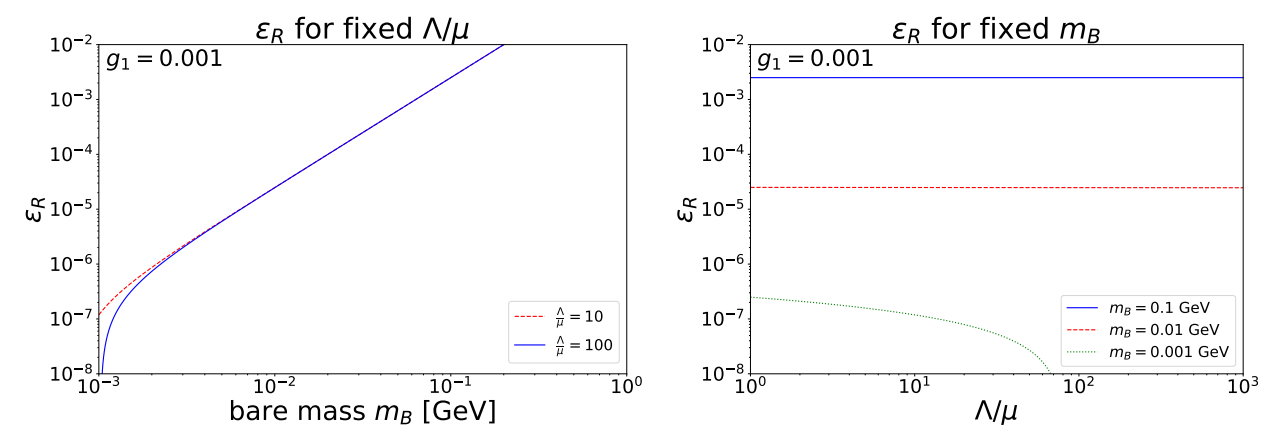
Some astrophysical limits also require further work. For example, constraints derived from the supernova SN1987A depend on the strength of dark-sector interactions. A dedicated analysis would be needed to apply them consistently to this model.
Still, the theory replaces an unexplained coincidence with a geometric mechanism. Rather than arranging particle masses manually, the fifth dimension could generate their relationship.
“Understanding dark matter would represent a profound advance in humanity’s knowledge of the cosmos and what it is made of,” Tsai said.
“Our research gives physicists clear new targets in the search for dark matter while connecting two of the biggest ideas in fundamental physics: the mystery of dark matter and the existence of hidden dimensions.”
The model gives direct-detection and accelerator experiments specific combinations of particle masses and interaction strengths to examine. That could narrow searches that otherwise span enormous ranges of possibilities.
It also provides theorists with a framework for studying how dark matter formed, froze out and possibly influenced the structure of small galaxies.
Dark matter experiments require exceptionally sensitive detectors, cryogenic systems, low-noise electronics and quantum measurement tools. Improvements developed for those searches can also support advances in medical imaging, computing and communications.
Most importantly, the theory creates a testable connection between particle resonance and extra dimensions. Future experiments may determine whether that connection reflects nature or remains an elegant mathematical possibility.
Research findings are available online in the journal Physical Review D.
The original story “Dark matter may be naturally tuned to a hidden fifth dimension” is published in The Brighter Side of News.
Like these kind of feel good stories? Get The Brighter Side of News’ newsletter.
The post Dark matter may be naturally tuned to a hidden fifth dimension appeared first on The Brighter Side of News.

