Cancer cells are famous for their hunger. They pull in sugar to fuel fast growth, helping tumors build the energy and materials they need. For years, scientists tried to fight cancer by cutting off that sugar supply.
A new study led by researchers at The University of Texas at Austin takes the opposite approach. Instead of starving cancer cells, an experimental drug tricks them into burning even more sugar. Then it blocks another fuel source, fat, at the same time.
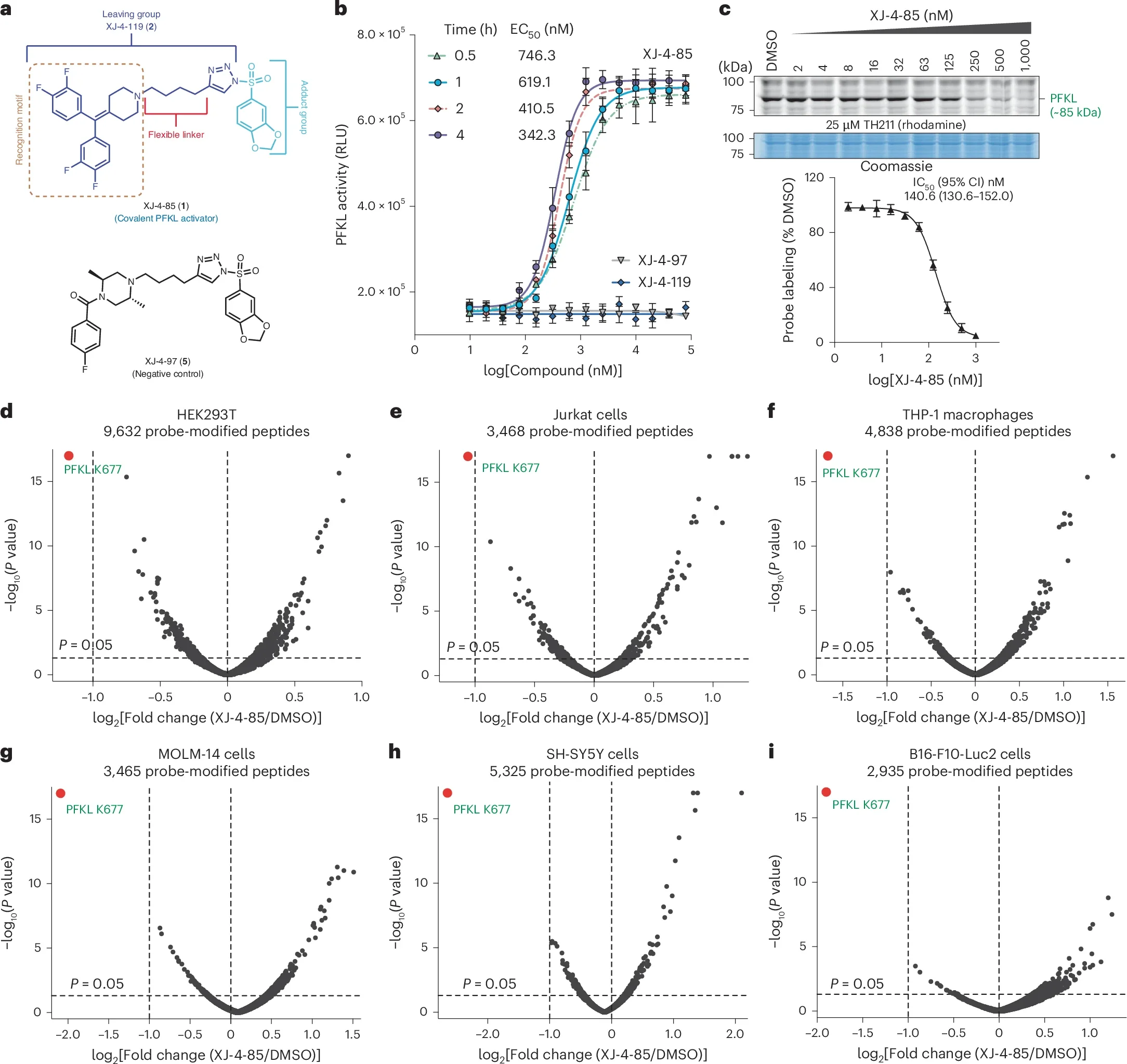
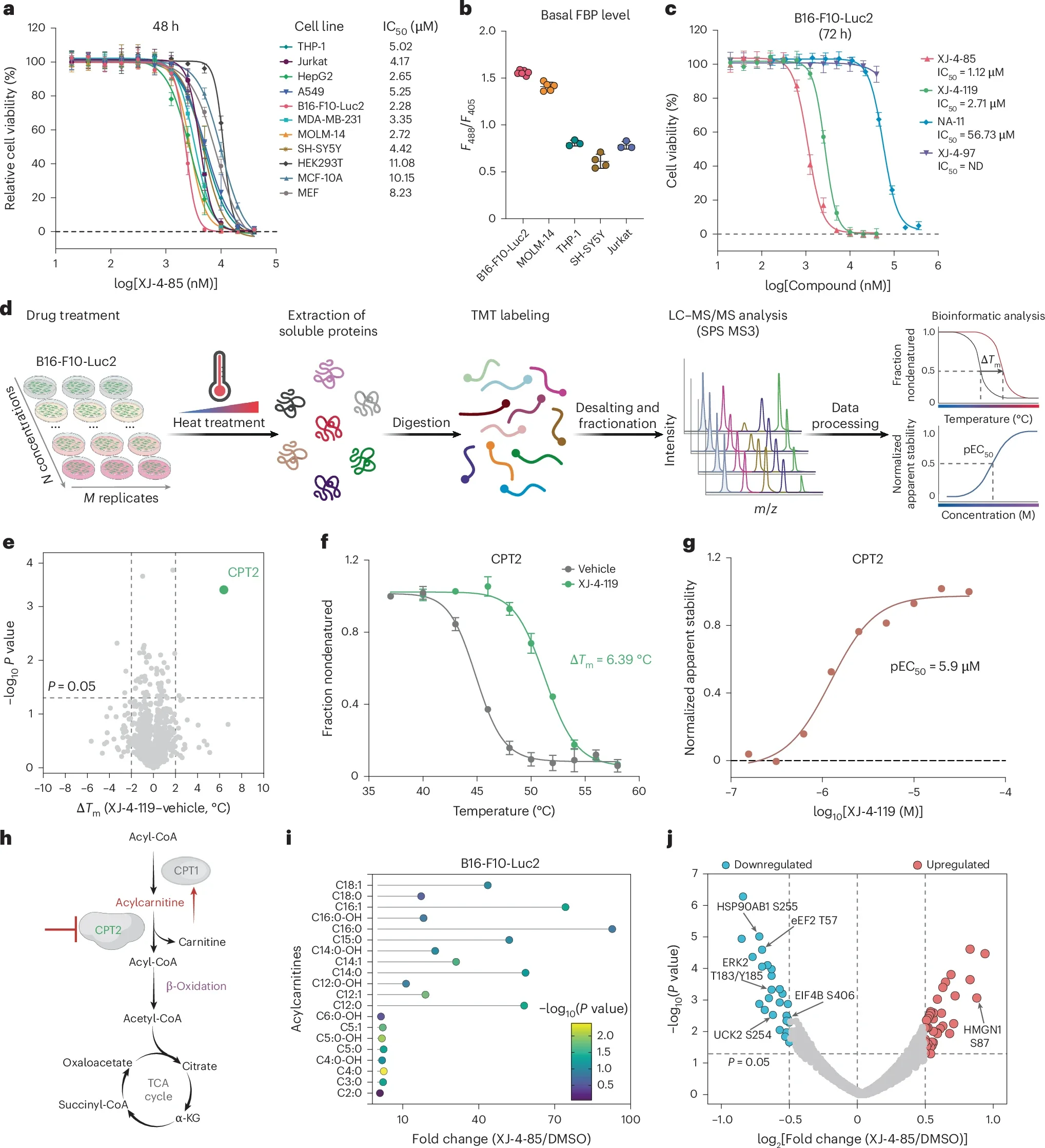
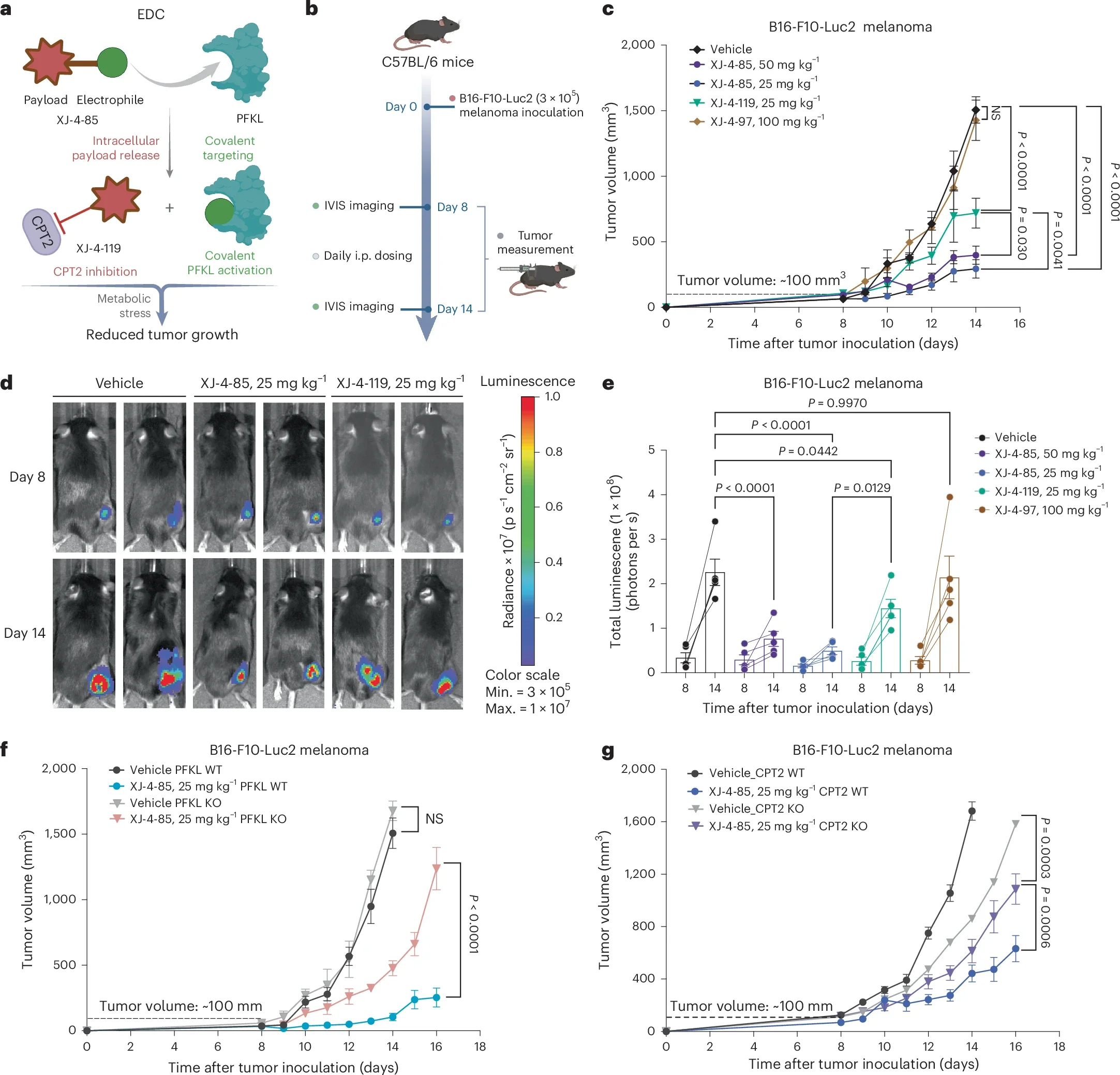
The compound, called XJ-4-85, showed promise against an aggressive form of melanoma in mice. It also killed several types of human cancer cells in lab tests, including melanoma, leukemia, breast, lung, liver and neuroblastoma cells.
The study focuses on cancer metabolism. That term describes how tumor cells gather and use energy.
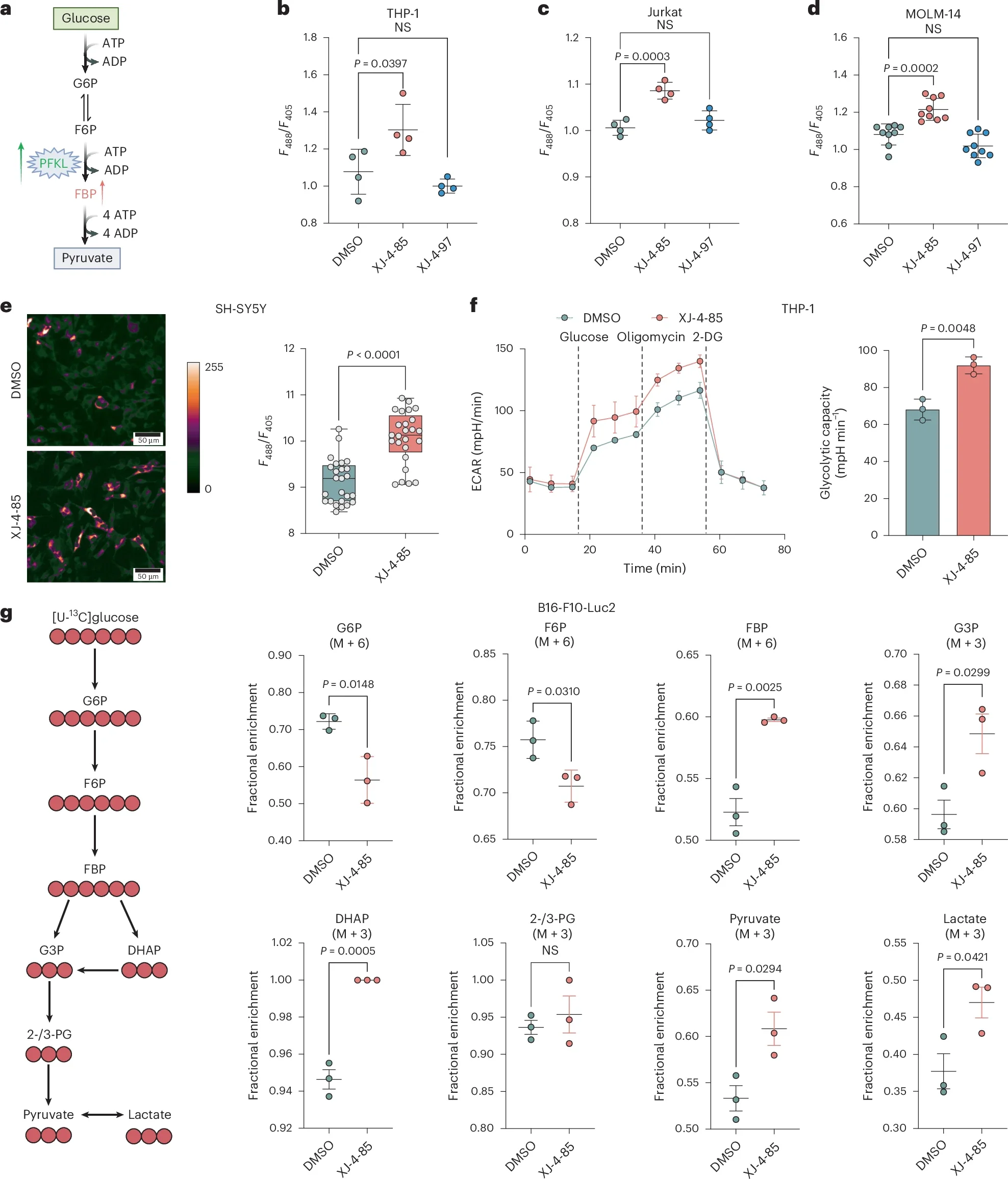
Many cancer cells rely heavily on glycolysis, a process that breaks down sugar. This pattern helps tumors grow quickly, even in difficult conditions. It also gives scientists a possible weakness to target.
XJ-4-85 works in a surprising way. One part binds to PFKL, an enzyme that helps cells break down sugar. Rather than blocking this enzyme, the drug speeds it up.
At the same time, the compound releases a payload that targets CPT2. That enzyme helps cells use fatty acids for energy. By disrupting both systems, the drug places cancer cells under severe stress.
“I like to think of this technology like a two-headed dragon,” said Xiaolu (Lulu) Lim Ang Cambronne, an associate professor of molecular biosciences at UT and co-corresponding author. “We are putting one part of the cell into overdrive while simultaneously weakening another part. It appears to be extremely potent.”
The idea may sound strange at first. If cancer cells love sugar, why make them burn more of it?
The answer lies in balance. Cells survive by shifting between energy sources. If one pathway becomes strained, they often lean on another.
XJ-4-85 appears to disrupt that flexibility. It pushes sugar metabolism into overdrive while weakening fatty acid metabolism. Cancer cells lose room to adapt.
The result is a kind of metabolic trap. The tumor cell runs harder on one fuel system while losing access to a backup. Many cancer cells could not survive that pressure.
Noncancerous cells were much less affected in the mouse experiments and several lab studies. That selectivity remains an important early sign, though more testing is needed.
The researchers compare their strategy with antibody-drug conjugates, or ADCs. These cancer drugs use antibodies to guide chemotherapy payloads toward tumor cells.
ADCs have become an important tool in cancer treatment. But they also have limits. Antibodies are large, complex and difficult to manufacture.
They usually target proteins on the surface of cancer cells. That leaves many important proteins inside cells out of reach.
“Antibodies are difficult to make, and because they’re so large they’re only able to target proteins in the surface of cancer cells,” said Ken Hsu, an associate professor of chemistry at UT and co-corresponding author. “We think of this new compound as a fully chemical counterpart to ADCs. They are much easier to manufacture. And because they are smaller, they are able to target even proteins that are inside cells.”
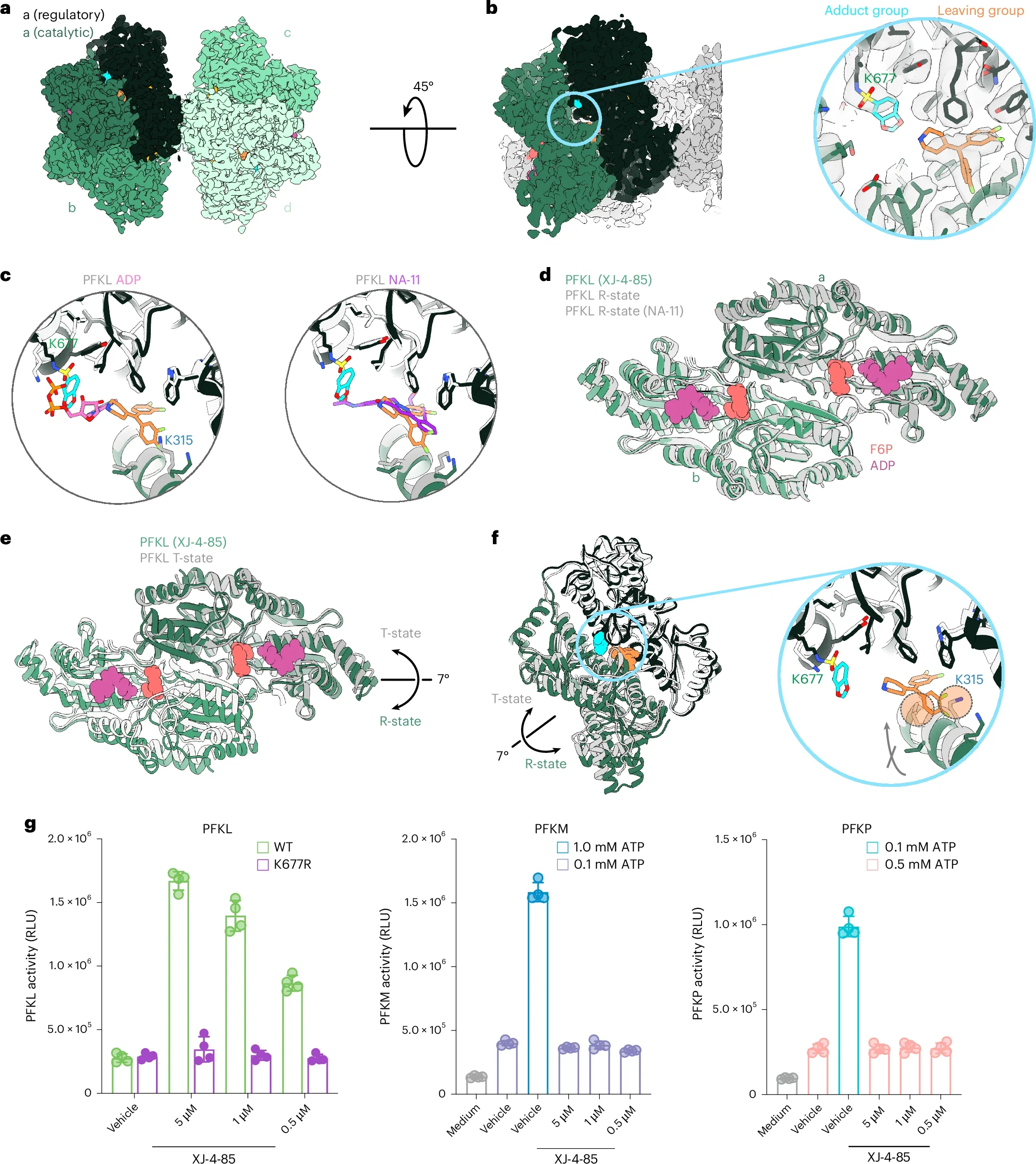
XJ-4-85 targets PFKL at specific sites on the enzyme. In the study image, the protein structure shows the compound bound at K677 and K315.
Those sites help explain how the drug boosts glycolysis. When the compound binds, it helps keep PFKL in an active form. That pushes the sugar-burning pathway forward.
Researchers used cryo-electron microscopy to see the drug bound to PFKL in detail. This method can reveal protein structures at near-atomic resolution.
The team found that the compound stabilizes the enzyme in its active state. That helps explain why sugar metabolism rises after treatment.
“The way this drug works was totally unexpected,” said Xiaoding Jiang, a postdoctoral fellow in the Hsu Lab, who designed the molecule. “A lot of research was required to figure out what it was doing on the molecular level. We were also surprised to see how selectively it binds to cancer cells.”
The drug’s second move comes after it binds PFKL. It releases a payload that acts on CPT2, a protein tied to fatty acid use.
CPT2 helps cells break down long-chain fatty acids inside mitochondria. Mitochondria are the energy-producing structures inside cells.
When CPT2 is disrupted, cells struggle to use fat as fuel. For cancer cells already pushed into intense sugar burning, that loss can be devastating.
The researchers found signs that treated cancer cells accumulated molecules linked to blocked fatty acid metabolism. That supported the idea that CPT2 was being hit.
The drug also changed protein signals linked to cancer growth and survival. Together, these effects suggest XJ-4-85 attacks more than one weakness at once.
In lab experiments, XJ-4-85 worked against several human cancer cell types. These included melanoma, leukemia, breast cancer, lung cancer, liver cancer and neuroblastoma.
The team also tested the compound in mice with melanoma. The tumors grew much less in treated mice than in untreated ones. Many cancer cells died, while normal cells were less affected.
The drug’s payload alone did not work as well as XJ-4-85. That finding suggests the targeting and two-part mechanism both matter.
The researchers also found that PFKL was important for the drug’s effect. When tumors lacked PFKL, the compound became much less effective.
That supports the main idea: the drug depends on its ability to engage cancer metabolism directly.
The researchers call this broader class of compounds electrophile-drug conjugates, or EDCs. These are small chemical medicines designed to target proteins inside cells and release a second active agent.
That strategy could open a wider range of disease targets. Many important proteins sit inside cells, where antibodies cannot easily reach them.
EDCs may offer a way to guide drug payloads toward those hidden targets. They could also be easier to manufacture than antibody-based treatments.
Beyond cancer, the researchers suggest EDCs may eventually help with other diseases. For now, the cancer findings provide an early proof of concept.
“They have the potential to be useful beyond cancer, for other kinds of diseases as well,” Cambronne said.
The research remains in an early stage. XJ-4-85 has not been tested in people. More laboratory work will need to assess safety, dosing and long-term effects.
Cancer cells can also adapt in complex ways. Future studies must test whether tumors can resist this kind of dual metabolic attack.
Still, the study offers an important shift in thinking. Instead of merely blocking cancer’s sugar use, scientists may be able to overload one pathway while disabling another.
“This project took a village,” said Hsu, a CPRIT Scholar.
The work brought together researchers from UT, the University of Washington, West Virginia University and other partners. It received support from several research foundations and federal agencies.
This research could help scientists design a new generation of cancer drugs. By targeting proteins inside cells, small-molecule conjugates may reach disease pathways that antibody-based drugs cannot access.
The findings also expand how researchers think about cancer metabolism. Tumors do not rely on one fuel source alone. A treatment that stresses sugar metabolism while blocking fat use may limit cancer’s ability to adapt.
If future studies confirm safety and effectiveness, this approach could lead to more selective cancer treatments. That could mean stronger tumor killing with less harm to healthy tissue.
The broader EDC platform may also help researchers study other diseases. Many illnesses involve faulty enzymes or internal cell pathways. Small chemical conjugates could one day deliver drugs more precisely to those hidden targets.
These five resources explore the metabolic flexibility of cancer cells, melanoma metabolism, glycolysis and emerging chemical approaches for reaching difficult intracellular targets.
Metabolic reprogramming in melanoma therapy: This review examines how melanoma shifts among glycolysis, oxidative phosphorylation and other metabolic pathways during tumor growth, metastasis and treatment resistance, highlighting why metabolic adaptability is an important therapeutic challenge. (Cell Death Discovery, 2025)
Metabolic Plasticity and Cancer Stem Cell Metabolism: Exploring the Glycolysis-OXPHOS Switch as a Mechanism for Resistance and Tumorigenesis: This review explores how cancer cells can switch between glycolysis and oxidative phosphorylation under stress, helping explain why attacking more than one metabolic pathway may be necessary to limit therapeutic escape. (Stem Cell Reviews and Reports, 2025)
Metabolic interplays between the tumour and the host shape the tumour macroenvironment: This review broadens cancer metabolism beyond individual tumor cells by examining how nutrients, immune activity and whole-body metabolic conditions interact with tumor progression and treatment response. (Nature Reviews Cancer, 2025)
Beyond glucose and Warburg: finding the sweet spot in cancer metabolism models: This work examines the limits of viewing cancer metabolism mainly through glucose and emphasizes differences between metabolic behavior in laboratory cell cultures and tumors growing in living organisms. (npj Metabolic Health and Disease, 2024)
Chemical Proteomics–Guided Discovery of Covalent Ligands for Cancer Proteins: This review describes how chemical proteomics and covalent chemistry are being used to develop small molecules against cancer-related proteins and pathways that have been difficult to reach with conventional drugs. (Annual Review of Cancer Biology, 2024)
Research findings are available online in the journal Nature Chemical Biology.
The original story “Experimental drug turns cancer’s sugar hunger against tumors” is published in The Brighter Side of News.
Like these kind of feel good stories? Get The Brighter Side of News’ newsletter.
The post Experimental drug turns cancer’s sugar hunger against tumors appeared first on The Brighter Side of News.


Leave a comment
You must be logged in to post a comment.