Dogs have spent tens of thousands of years living and working beside people, but that partnership has not shaped every canine brain in the same way. Breeding and training appear to leave distinct marks on the neural systems dogs use to process communication.
Researchers at Harvard University, led by Mélina Cordeau, examined the brain structure of 108 dogs using diffusion MRI tractography, a noninvasive 3D imaging technique that maps pathways connecting different brain regions. The sample included 50 male and 58 female dogs.
The work was designed to separate two influences on canine communication: long-term selective breeding and shorter-term individual training. The results suggest that both matter, but they affect the brain differently.
Modern breeds selected for close work and family life with humans showed broad changes in communication-related brain networks compared with more ancestral, or premodern, dogs. Those differences were especially pronounced in pathways involved in vocal and word processing.
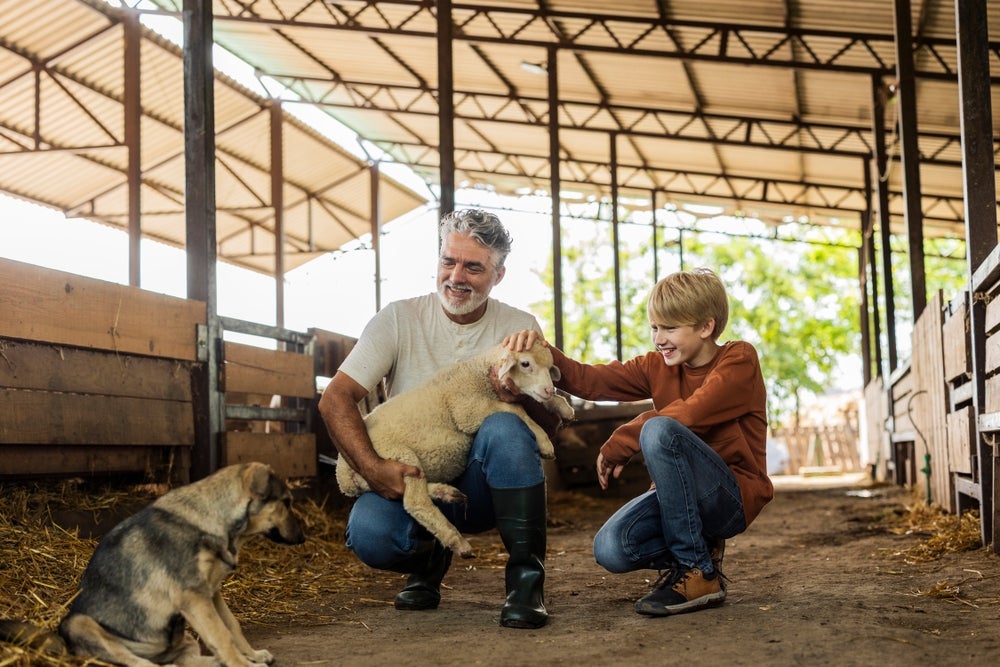
Selective breeding was associated with increased hemispheric asymmetry, meaning communication-related pathways differed more between the two sides of the brain. The team also found altered connectivity in temporal and associative networks involved in processing vocal and lexical information.
Those changes point to a long-term biological effect of breeding dogs for roles that require close interaction with people. Rather than producing a single communication pathway, selection appears to have reshaped several networks involved in handling information from human partners.
The comparison between modern and premodern dogs also gave the researchers a way to distinguish inherited changes from the effects of experience. Broad differences between lineages reflected selection acting over many generations, while training produced more focused changes within individual animals.
That distinction is important because dogs learn throughout their lives. A dog’s ability to follow a cue may reflect both the traits inherited from its lineage and the neural changes that come with repeated practice.
To examine the effect of experience, the team compared trained service dogs with released service dogs from similar breeding backgrounds. This allowed them to look at dogs with comparable genetic histories but different training outcomes.
The differences were more localized than those tied to selective breeding. Training was associated with changes in sensorimotor and associative pathways that support the interpretation of cues and the execution of responses.
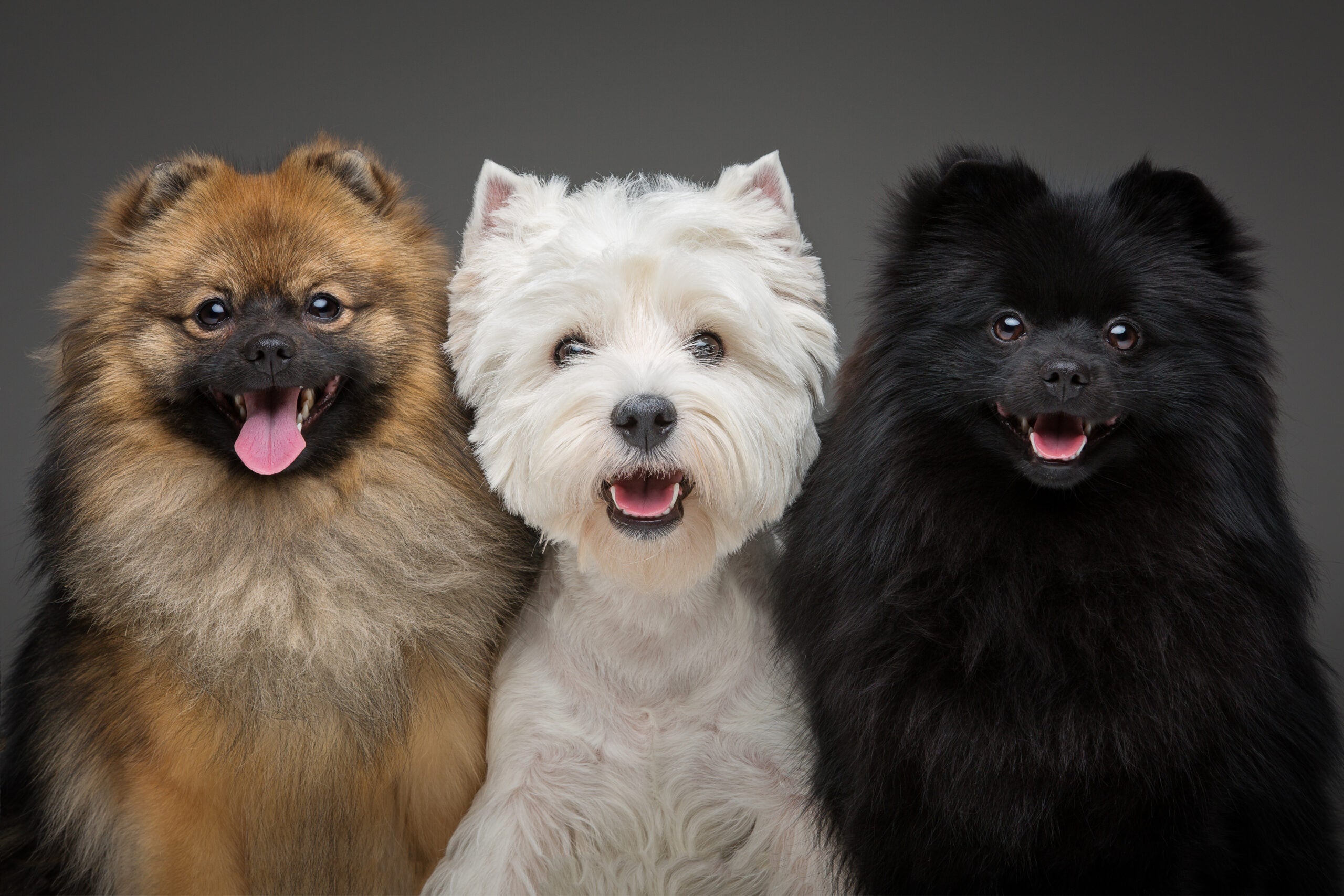
Trained dogs also showed stronger coupling between vocal premotor regions and secondary auditory regions. Those areas are associated with receptive vocabulary, or the ability to process and respond to words and other vocal signals.
The result suggests that intensive training can strengthen particular connections involved in hearing a cue and preparing an appropriate response. That pattern differs from the broader network changes linked to selective breeding across generations.
The researchers also found that brain connectivity could predict trainability. Dogs with higher behavioral trainability scores had stronger cortical connections but weaker connections involving the medial geniculate, a brain region within an auditory pathway.
That relationship suggests that differences in neural wiring are not only visible after training. The strength of certain connections also tracks with how readily individual dogs respond to training.
Taken together, the findings point to two layers of influence on the canine brain. Artificial selection appears to have shaped broad communication networks over evolutionary timescales, while training altered more specific pathways during an individual dog’s life.
The study therefore links canine communication to both inherited selection pressures and lifetime learning. Dogs did not develop their ability to communicate with people through breeding alone, and training does not operate on a blank slate.
Instead, the brain systems involved in communication reflect the interaction of both forces.
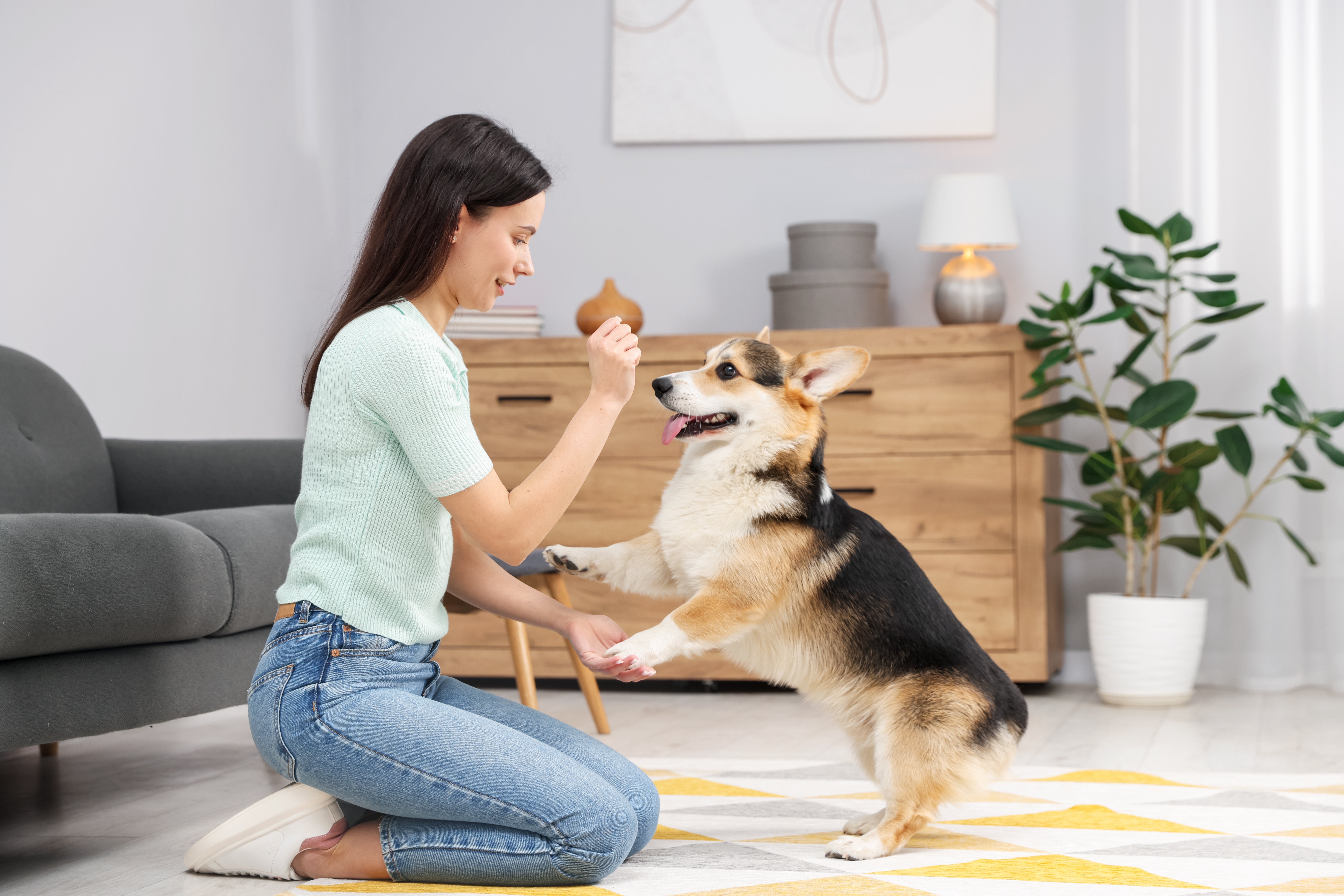
That framework may help explain why dogs from different lineages and training backgrounds can vary in their responsiveness to words, vocal cues and other forms of human communication. The research does not reduce those differences to one brain region or one pathway. It shows that several connected systems contribute.
The authors describe dogs as a useful model for studying how human influence can shape communication systems across very different timescales. Selective breeding changes populations over generations, while training can modify neural pathways within a single lifetime.
Cordeau said the findings may also improve understanding of the relationship between people and dogs.
“More broadly, I think this type of research can help us better understand not only dogs, but also the human–dog relationship. By identifying how dogs process human communication, and how breeding and training shape these abilities, we may eventually be able to improve the way we interact with dogs, refine training approaches, and make assistance-dog training more effective and better adapted to each individual dog.”
The findings could help researchers better understand why some dogs respond differently to human communication and training. Because the study linked trainability to specific patterns of brain connectivity, those connections may offer a way to investigate individual differences more closely.
The work also separates the effects of breeding from the effects of intensive training. That distinction could help future research examine which communication abilities are associated with inherited neural organization and which can change through experience.
For service and assistance dogs, the results may eventually help refine training approaches and adapt them more closely to individual animals. Cordeau specifically points to the possibility of making assistance-dog training more effective by understanding how dogs process human communication.
More broadly, the study shows that the canine brain carries traces of both evolutionary selection and personal experience. The systems dogs use to communicate with people have been shaped across generations, then adjusted again through learning within each dog’s life.
These five expert resources offer a deeper look into dog-human communication, word processing, trainability, domestication, and canine social cognition.
Research findings are available online in the journal JNeurosci.
The original story “Generations of breeding changed how dogs’ brains process human communication” is published in The Brighter Side of News.
Like these kind of feel good stories? Get The Brighter Side of News’ newsletter.
The post Generations of breeding changed how dogs’ brains process human communication appeared first on The Brighter Side of News.


Leave a comment
You must be logged in to post a comment.