A few extra micrograms of pollution can sound trivial on a city air-quality report. Across years of breathing, however, that difference may matter.
A major evidence review links long-term exposure to two forms of airborne particles with a higher risk of Parkinson’s disease. The clearest associations involved PM2.5 and PM10, both small enough to enter the respiratory system.
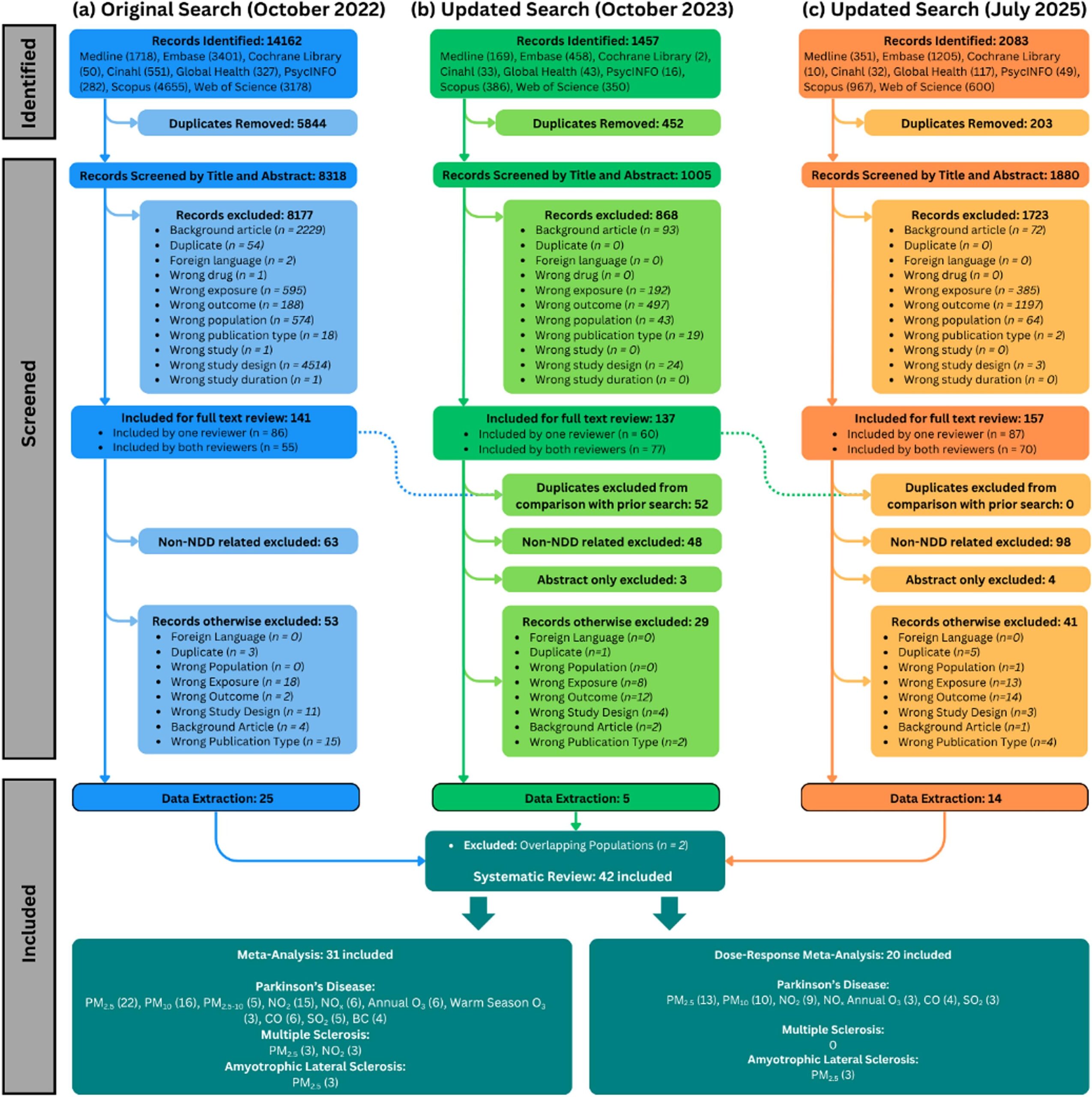
Researchers at the University of Cambridge combined findings from earlier studies that often produced uncertain or conflicting results. The team analyzed 26 studies on Parkinson’s disease. It also included three studies each on multiple sclerosis and motor neurone disease.
Parkinson’s disease affects about 6 million people worldwide. Yet its causes remain only partly understood, with both inherited and environmental factors likely involved.
The review does not prove polluted air directly causes Parkinson’s disease. Still, its findings strengthen concerns about the effects of long-term particle exposure on the nervous system.
PM2.5 includes particles measuring 2.5 microns wide or less. These particles can travel deep into the lungs after inhalation.
They come from vehicle emissions, power plants, industrial activity, wood burning, fireplaces, and construction dust. Some also form through chemical reactions involving gases already present in the air.
PM10 particles measure 10 microns wide or less. They include larger particles, though they remain small enough for people to inhale. Sources include road dust, construction activity, pollen, mould spores, diesel emissions, industrial pollution, brake wear, and tyre wear.
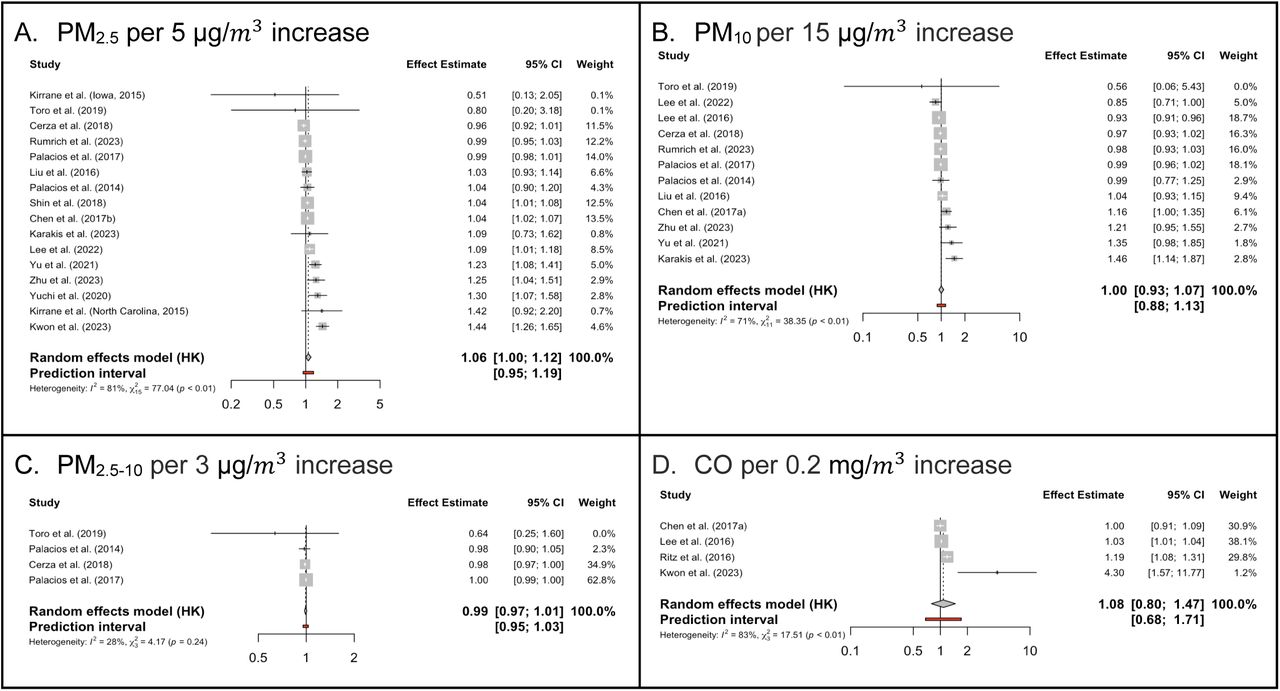
The pooled analysis found that each 5 micrograms per cubic metre increase in PM2.5 exposure raised relative Parkinson’s risk by 10%.
For comparison, the average roadside PM2.5 measurement in Central London reached 10 micrograms per cubic metre during 2023.
The pattern appeared stronger for PM10. Each 15 micrograms per cubic metre increase corresponded with an 18% rise in relative risk. Central London’s average roadside PM10 measurement reached 17 micrograms per cubic metre during 2023.
Those figures do not predict an individual person’s future. They describe changes in relative risk across the populations included in the research.
Even so, the scale of exposure matters because air pollution affects large numbers of people at once.
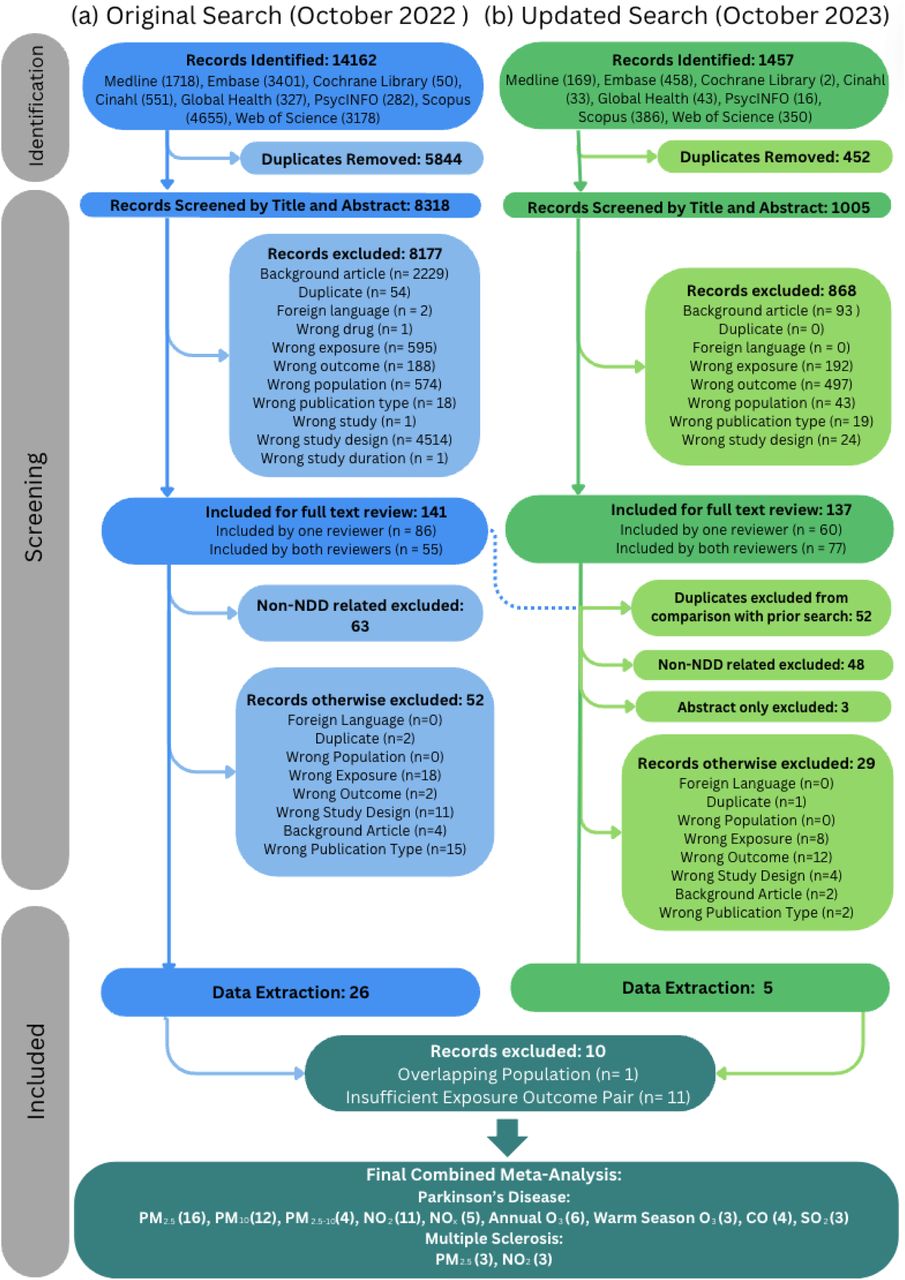
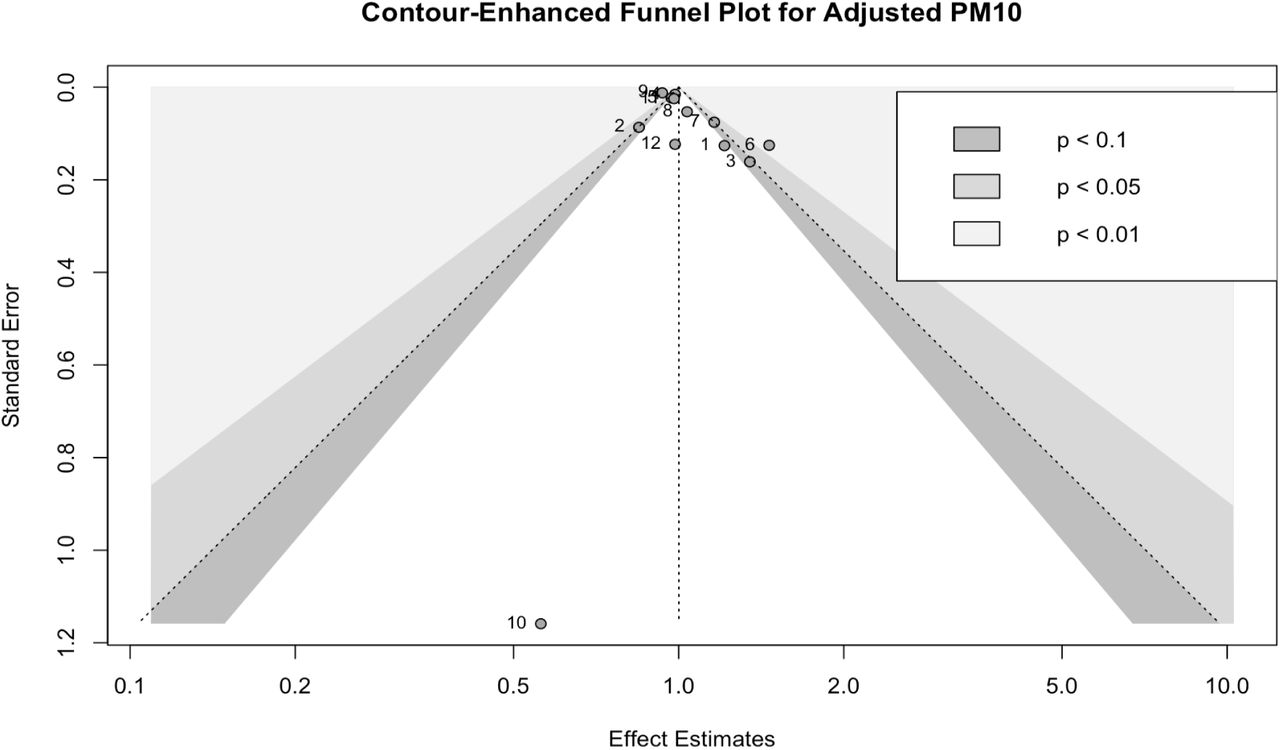
Individual pollution studies often struggle to reach clear conclusions. Parkinson’s disease develops slowly, making long-term environmental research difficult. Many studies also include too few cases. Their results may shift according to location, population, pollution estimates, and research design.
The Cambridge team used a systematic review and meta-analysis to combine the available evidence. This method can produce broader conclusions than any single study alone.
Dr Annalan Navaratnam, a clinical research fellow at IMS Epidemiology, said the field still lacks enough strong investigations.
“There are still relatively few robust studies that explore the link between air pollution and Parkinson’s disease, but even so, it’s becoming clear that there is a link,” Navaratnam said.
“We found evidence of a link with two types of pollutants in particular, but even though the evidence was inconclusive for other types, this may be down to how the studies were designed. We urgently need more research, in larger populations, to examine what is a significant public health issue.”
The researchers found inconclusive evidence for nitrogen dioxide, carbon monoxide, sulphur dioxide, ozone, and soot.
That does not establish those pollutants as harmless. The available studies were too limited, imprecise, or inconsistent for firm conclusions. Future work should also examine how pollutants interact. People rarely breathe one substance in isolation.
The review discusses a possible biological explanation involving oxidative stress and neuroinflammation.
Air pollution, particularly PM2.5, may trigger damaging chemical stress and inflammation within the body. Those responses could interact with a person’s genetic susceptibility.
The process might then contribute to the buildup of alpha-synuclein. This protein accumulates abnormally in Parkinson’s disease. It may also contribute to the loss of dopamine-producing neurons, another central feature of the illness.
These proposed steps remain an explanation, not proof of the full pathway. The review did not directly track particles moving through bodies or causing brain changes.
First author Alexandra Tien-Smith said the findings fit a larger record of pollution-related harm.
“These findings add to a growing and strong body of evidence of the many adverse health impact of air pollution worldwide ranging from a wide variety of diseases across every human organ system to premature mortality.”
Long-term exposure to fine particles has already been associated with stroke and dementia. Researchers have also investigated links with several neurodegenerative conditions. The current analysis gives Parkinson’s disease the strongest evidence among the three neurological illnesses examined.
The review did not identify evidence connecting air pollution with multiple sclerosis or motor neurone disease.
However, the researchers urged caution. Only three studies were available for each condition.
Small evidence pools can miss real associations. They can also make uncertain findings appear more convincing than they are. The lack of a detected link should therefore not be read as final proof that pollution plays no role.
More large-scale studies will need better exposure measurements and larger populations. They should also consider mixtures of pollutants rather than isolated chemicals.
Parkinson’s disease research faces similar gaps. Although the review found associations, the number of robust studies remains limited.
Differences between studies also complicate interpretation. Pollution levels, health systems, environments, and population traits vary across regions.
Meta-analysis can combine that evidence, but it cannot remove every weakness within the original research.
The Cambridge group has also worked on practical tools for reducing urban pollution.
Dr Haneen Khreis and colleagues previously created an open-access map covering more than 1,000 policy interventions. The tool tracks efforts to reduce traffic emissions and related air pollution.
Strategies include congestion charging, low-emission zones, public transport development, active travel programs, electric vehicles, and urban planning. It also records barriers, supporting factors, health effects, and unexpected benefits linked with each policy.
Researchers are expanding the tool to include financial costs, economic benefits, and possible greenhouse gas reductions.
“The message is clear: we need to take action now to improve air quality and help reduce the global burden of disease,” Khreis said.
“Our open access tool is intended to help researchers, practitioners, policymakers and third sector organisations understand the impact of different interventions on everything from traffic emissions and air pollution to human exposure, health impacts and unexpected co-benefits.”
The team hopes decision-makers can use that evidence when choosing policies suited to their own regions.
These studies and resources provide recent context on particle exposure, neurological disease and the biological pathways researchers are investigating.
Association of long-term outdoor air pollution exposure with incidence of Parkinson’s disease, multiple sclerosis and motor neuron diseases: a systematic review and meta-analysis: The Cambridge-led review pooled available evidence and found significant associations between long-term PM2.5 and PM10 exposure and Parkinson’s disease incidence. (Environment International, 2026)
Ambient air pollution and Parkinson disease in a population-based cohort: This large cohort study examined long-term pollution exposure and Parkinson’s risk, adding population-level evidence to the environmental literature. (Neurology, 2024)
Air pollution and the risk of Parkinson’s disease: a systematic review and meta-analysis: This earlier synthesis found suggestive associations between particulate pollution and Parkinson’s disease while highlighting substantial study heterogeneity. (Environmental Research, 2023)
Air pollution and neurological diseases: a review of the evidence: This World Health Organization resource summarizes how air pollution can affect the nervous system through inflammation, oxidative stress and vascular pathways. (World Health Organization, 2022)
Global air quality guidelines: WHO guidance summarizes health risks from PM2.5, PM10 and other pollutants and provides recommended exposure limits for protecting population health. (World Health Organization, 2021)
Research findings are available online in the journal Environment International.
The original story “Long-term air pollution exposure linked to Parkinson’s disease risk” is published in The Brighter Side of News.
Like these kind of feel good stories? Get The Brighter Side of News’ newsletter.
The post Long-term air pollution exposure linked to Parkinson’s disease risk appeared first on The Brighter Side of News.


Leave a comment
You must be logged in to post a comment.