For many people facing glioblastoma, every treatment choice carries fear and urgency. This aggressive brain cancer often brings open-skull surgery, chemotherapy, radiation and a difficult prognosis. A large new study now suggests that a minimally invasive laser procedure may help selected patients live longer and recover faster.
Researchers led by Washington University School of Medicine in St. Louis analyzed outcomes from 787 brain tumor patients treated with laser interstitial thermal therapy, known as LITT.
The analysis found that survival depended strongly on two factors: how much tumor the laser destroyed and how early doctors treated some lesions. For patients and families, those details can help guide harder conversations about timing and treatment options.
Standard brain tumor surgery often requires doctors to temporarily remove part of the skull. Surgeons then remove as much tumor as possible before patients begin other therapies.
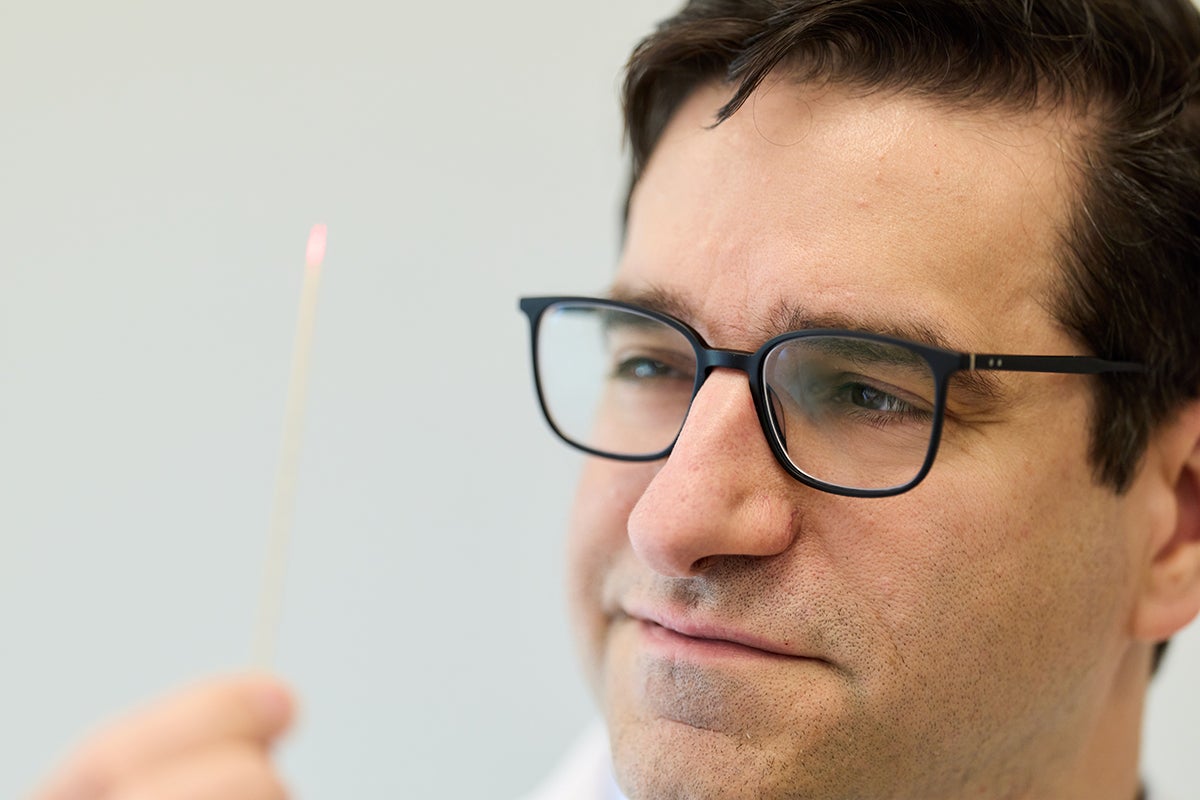
For tumors that sit deep in the brain, return after treatment or cannot be safely removed, doctors may use LITT. The procedure needs only a small opening in the skull.
Neurosurgeons insert a robotically controlled laser probe through that opening. Real-time MRI guides the probe along a path that avoids healthy brain tissue.
Once the probe reaches the tumor, heat from the laser kills nearby tumor cells. The surgical tool used in the study, NeuroBlate, was developed by Monteris Medical and cleared by the U.S. Food and Drug Administration in 2009.
The new analysis used data from the LAANTERN prospective multicenter registry. The registry began in 2015 and collected real-world outcomes for patients treated with NeuroBlate.
It closed in 2023 with 1,057 total patients. Of those, 787 had tumor-related conditions and formed the basis of this study.
The group included 445 patients with primary brain tumors. These tumors start in the brain. It also included 342 patients with metastatic lesions, which spread to the brain from cancer elsewhere.
Glioblastoma was the most common primary tumor, with 190 cases. The metastatic group included recurrent brain tumors, newly diagnosed lesions and radiation necrosis after earlier treatment.
The study’s clearest message involved extent of ablation. That means how much of the target lesion the laser treatment covered.
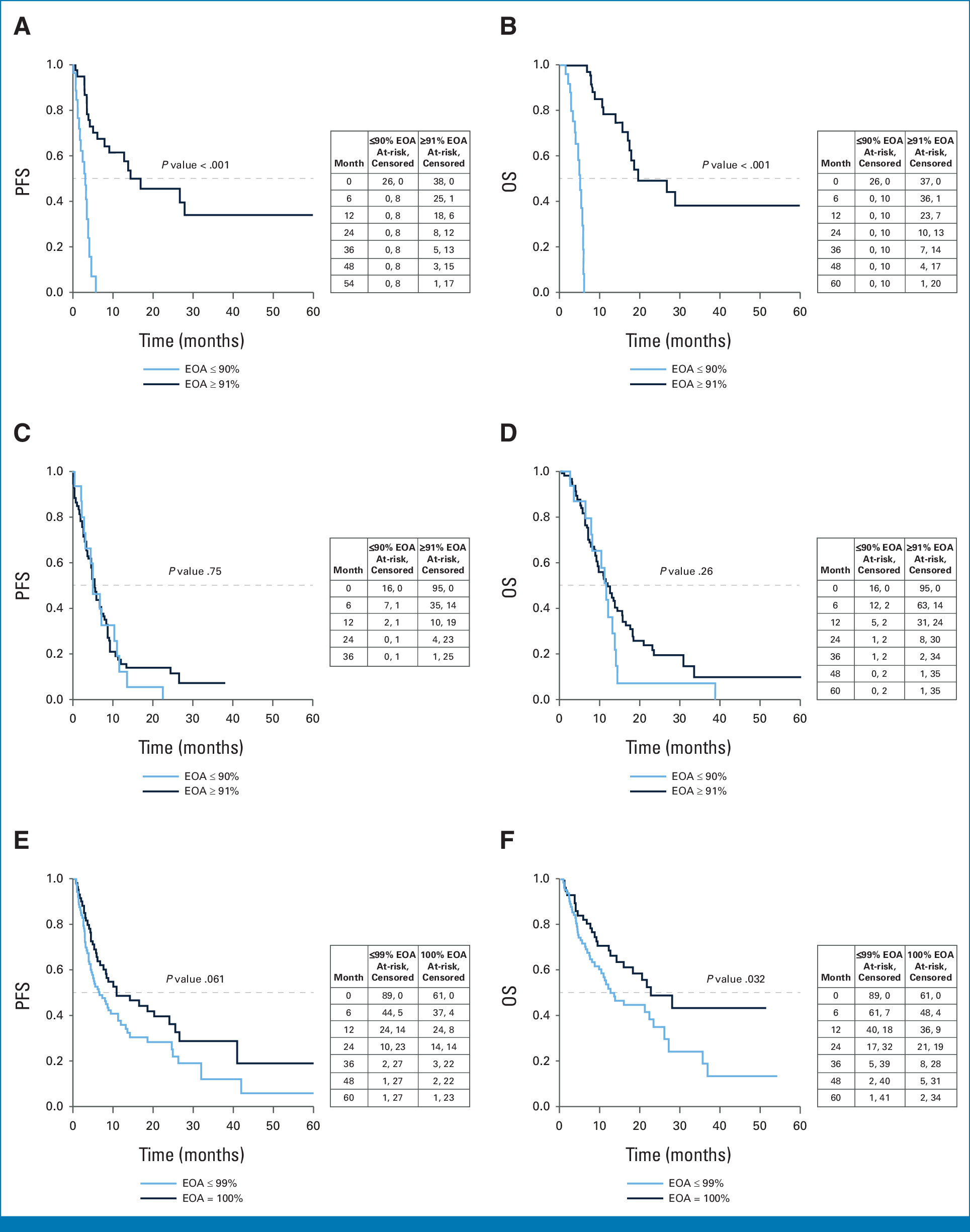
Among patients with newly diagnosed glioblastoma, results differed sharply by ablation level. Those with at least 91% of their tumor cleared survived a median of 2.1 years from diagnosis.
Patients with 90% or less ablation had a median overall survival of 0.36 years. Their median progression-free survival was also shorter.
By comparison, survival after standard open surgical resection is about 1 1/2 years. The new findings suggest LITT may deserve consideration earlier for some difficult tumors.
“Our goal is to both extend the survival of our brain tumor patients and improve the quality of their lives,” said Eric C. Leuthardt, MD, the study’s principal investigator and lead author.
Leuthardt, the Shi Hui Huang Professor of Neurological Surgery at WashU Medicine, said the analysis helps define who benefits most.
“This analysis identifies the factors that lead to the best outcomes. This critical new information will help us find opportunities for patients to benefit the most from this therapy,” he said.
For recurrent metastatic brain tumors, complete ablation also mattered. Patients whose recurrent metastatic tumors were fully ablated had better survival after LITT.
Median survival was 2.8 years with complete ablation. It was 1.3 years when ablation reached 99% or less.
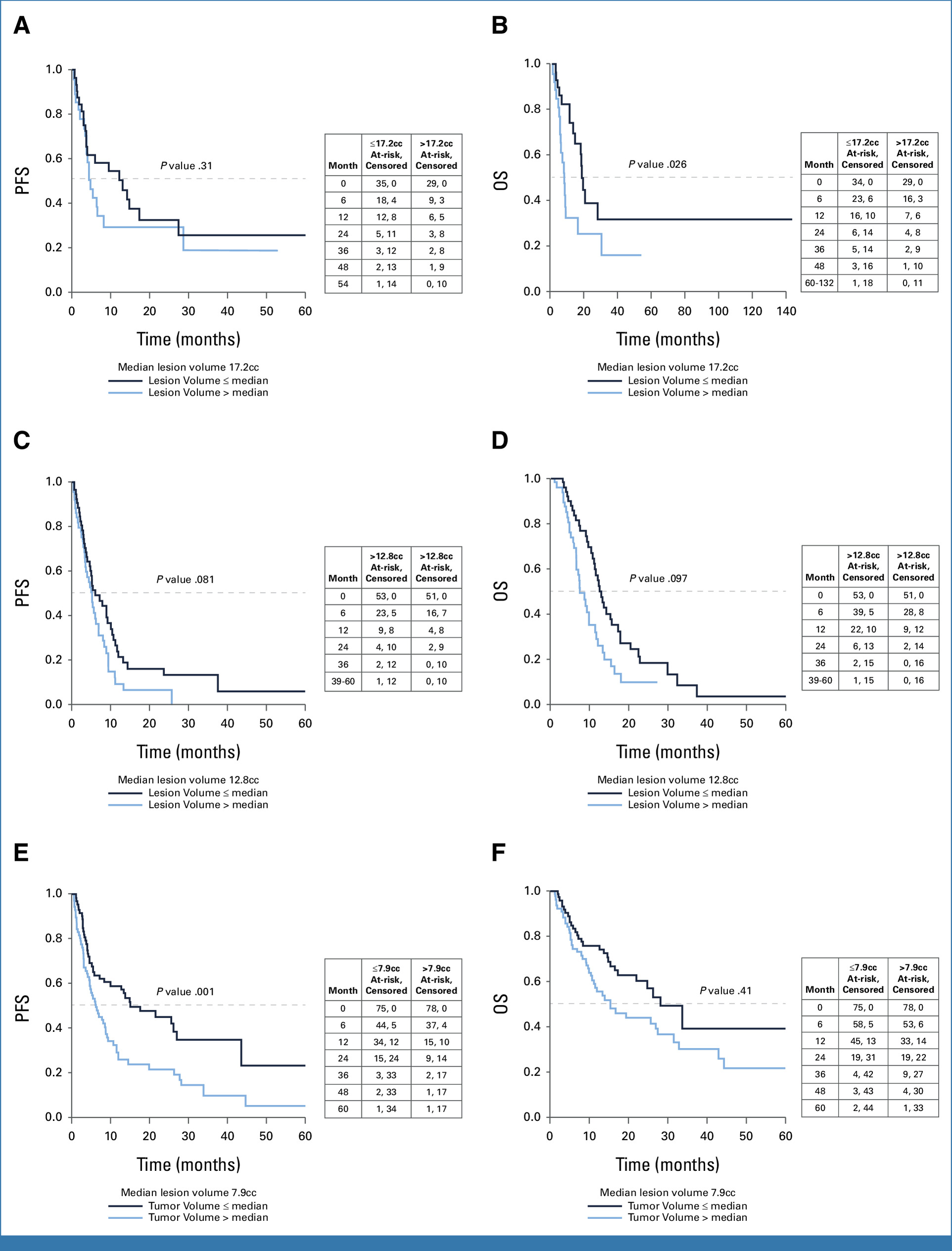
The study also found that smaller metastatic tumors did better. That challenges the common practice of watchful waiting after radiation, when doctors may wait to confirm tumor growth.
The data suggest that treating some lesions while they remain small may improve outcomes. Waiting can allow tumors to grow beyond the point where laser therapy works best.
In recurrent metastatic tumors, lesions smaller than 7.9 cubic centimeters had longer progression-free survival. Larger lesions had poorer results.
Glioblastoma also showed a size pattern. Tumors smaller than 14.1 cubic centimeters had a median overall survival of 2.2 years. Larger tumors had a median survival of 1.6 years.
These numbers do not mean every small lesion needs laser treatment right away. But they give doctors useful evidence for weighing early intervention.
For patients, the message is practical. Timing can matter as much as the treatment itself.
The laser procedure also changed the patient experience. Traditional brain surgery can mean weeks of recovery after an open-skull operation.
LITT usually requires only a single-stitch incision a few millimeters wide. In the registry, the median hospital stay was 32.4 hours.
The median procedure time was 163 minutes. Median blood loss was only 5 milliliters. Most patients did not need intensive care.
Researchers also found that procedure efficiency improved over time. Mean procedure time fell from 191.8 minutes before 2020 to 164.2 minutes from 2020 to 2023.
ICU use also dropped, from 46.7% to 27.9%. Median hospital stay decreased slightly, from 33.4 hours to 31.6 hours.
The study found that patients generally maintained day-to-day function after LITT. Median Karnofsky Performance Status was 90 at baseline and again at one month.
At three months, the median score declined modestly to 80. By 12 months, it returned to 90 among patients with available data.
Quality-of-life scores also remained stable over time. Average FACT-Br scores were 144.8 at baseline and 145.0 at 12 months.
The procedure also appeared to reduce seizure burden. In primary tumor patients, reported seizures fell from 54.1% at baseline to 11.0% at six months.
In metastatic patients, seizures fell from 35.3% at baseline to 7.7% at six months. Some patients also stopped anti-seizure medicines after treatment.
As with any brain procedure, LITT carried risks. The overall per-person adverse event rate was 12.8%.
Most adverse events involved the nervous system. The most common complications included bleeding, swelling, seizures and motor weakness.
Severe or irreversible adverse events affected 2.3% of patients. Six bleeding events required additional surgery.
Two deaths were judged related to surgery, one from swelling and one from hemorrhage. The surgical mortality rate was 0.25%.
These findings show that LITT is not risk-free. Still, the registry supports it as a generally well-tolerated option for carefully selected patients.
Some patients in the analysis received laser therapy at Barnes-Jewish Hospital, part of BJC HealthCare. WashU Medicine and Barnes-Jewish have helped pioneer laser neurosurgery for brain tumors.
In 2010, Leuthardt performed the nation’s first LITT procedure for a brain metastasis at Barnes-Jewish after NeuroBlate received FDA clearance.
“By combining BJC HealthCare’s premier infrastructure with WashU Medicine’s world-class expertise, patients with brain cancer gain access to the most advanced medical technology available,” said Leuthardt.
He said the emotional impact of a shorter recovery can be profound.
“We are shifting the entire framework of how we handle brain tumors,” said Leuthardt. “When patients are told they have months to live, having the option of a low-risk procedure that gets them back home to their families in just over a day is profoundly meaningful.”
This research gives doctors stronger evidence for selecting brain tumor patients who may benefit from laser therapy. The data suggest that smaller lesions and higher ablation coverage can lead to better outcomes in certain tumor groups.
The findings may also change treatment timing. For some metastatic brain lesions, earlier laser treatment may work better than waiting through multiple imaging cycles. That could help doctors act before tumors become harder to treat.
For patients, LITT may offer a less invasive option with shorter hospital stays and stable quality of life. It may be especially meaningful for people with deep, recurrent or hard-to-access tumors.
For humanity, the study adds another tool against some of the most devastating brain cancers. LITT is not a cure for everyone. But for selected patients, it may extend life, preserve function and return people home faster.
These resources examine the evidence for LITT in glioblastoma, brain metastases and other difficult-to-treat intracranial lesions.
Evaluating efficacy and safety of laser interstitial thermal therapy in patients with newly diagnosed and recurrent glioblastoma: a systematic review and meta-analysis: Reviews 15 studies involving LITT for glioblastoma and assesses survival, progression, complications and tumor-volume outcomes. (Neurosurgical Review, 2024)
Contemporary Applications of Laser Interstitial Thermal Therapy: A Comprehensive Systematic Review: Surveys 39 studies covering brain tumors, radiation necrosis and epilepsy to assess where LITT has the strongest clinical evidence. (World Neurosurgery, 2025)
MR-guided laser interstitial thermal therapy followed by early application of temozolomide for recurrent IDH-wildtype glioblastomas: preliminary results from a prospective study: Examines a prospective strategy combining MRI-guided LITT with early temozolomide treatment in recurrent IDH-wildtype glioblastoma. (Neurosurgical Review, 2025)
Research findings are available online in the journal Journal of Clinical Oncology.
The original story “Minimally invasive laser surgery may offer new hope for brain tumor patients” is published in The Brighter Side of News.
Like these kind of feel good stories? Get The Brighter Side of News’ newsletter.
The post Minimally invasive laser surgery may offer new hope for brain tumor patients appeared first on The Brighter Side of News.


Leave a comment
You must be logged in to post a comment.