Long before cars and trains, travel across England meant climbing into a stagecoach and bracing for the journey ahead. New historical research shows that these trips were far from peaceful. Passengers worried about more than highway robbery. Many feared the physical toll of the ride itself.
A study led by Alun Withey at University of Exeter reveals that motion sickness troubled travelers centuries ago. Letters, diaries, and medical texts from the 1600s and 1700s describe nausea, discomfort, and exhaustion. These accounts challenge the romantic image of carriage travel often seen today.
The research shows that early travel was a deeply physical experience. It tested the body and mind in ways that still feel familiar.
During the seventeenth and eighteenth centuries, road networks improved across England. Stagecoaches began connecting more towns and cities. More people could travel longer distances than ever before.
Yet the journey itself remained difficult. Coaches moved slowly, often under four miles per hour. Trips could take days. Passengers stopped often to change horses or wait out weather.
Despite this growth, comfort did not improve much. Roads stayed uneven and rough. Even in good weather, travelers faced constant shaking. In poor conditions, the journey became dangerous.
Dr Withey explains that travel was not a gentle ride through the countryside. It was a harsh and unpredictable experience that affected the entire body.
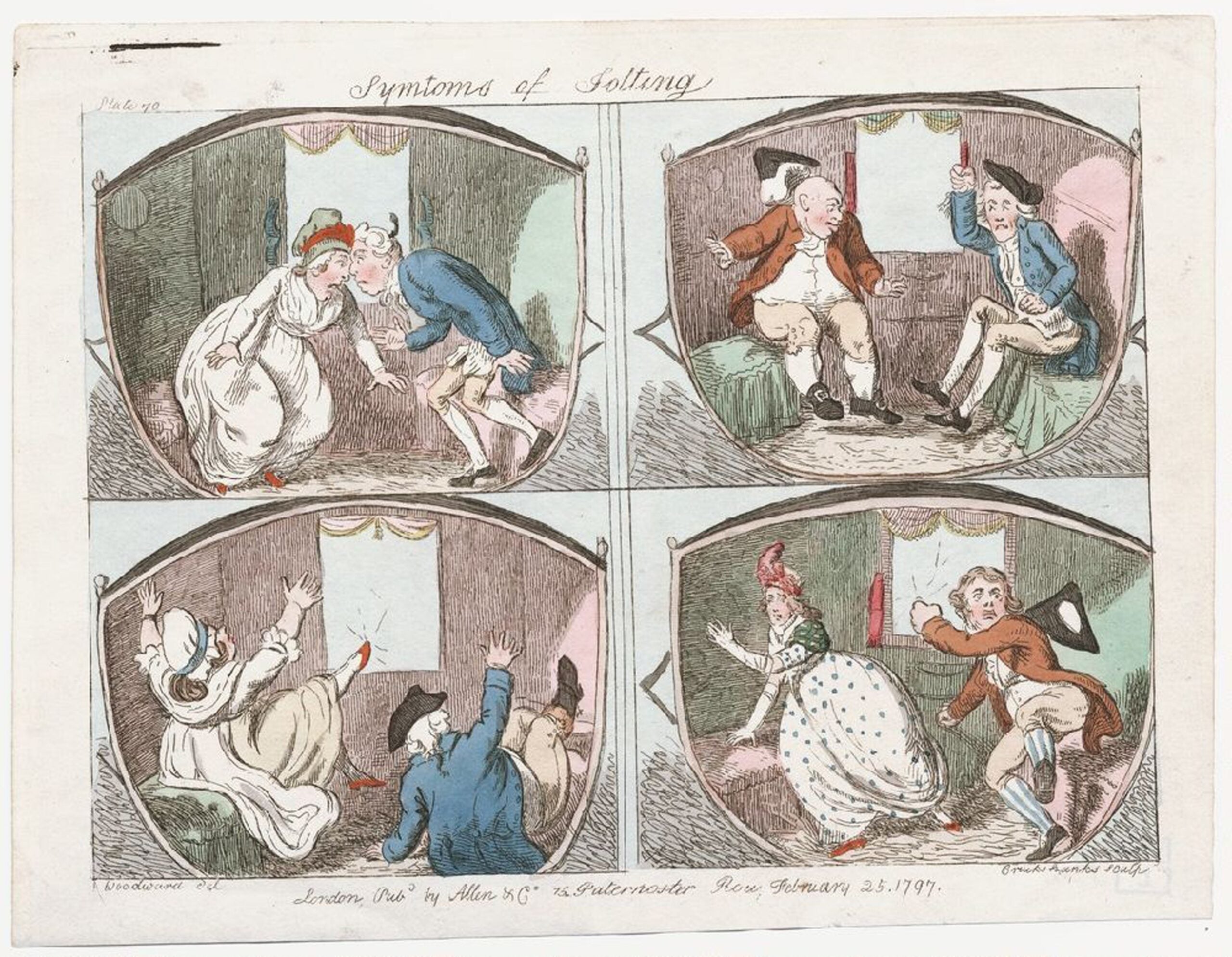
Passengers often described the motion of the coach in vivid terms. Words like “jolt” became common. These descriptions captured the violent, uneven movement of the ride.
Letters from the time show how deeply this motion affected travelers. Sophia Hoare wrote in 1809 that she was “heartily tired with the jumbling and jolting of our miserable vehicle.” She later added that “all my bones ached.”
Anne Lister, writing in 1822, described being “exceedingly jolted” and at times “shockingly jolted.” These repeated accounts show that discomfort was not rare. It was expected.
The body struggled to adapt. Muscles tightened. Bones absorbed repeated shocks. Over time, the strain led to fatigue and pain.
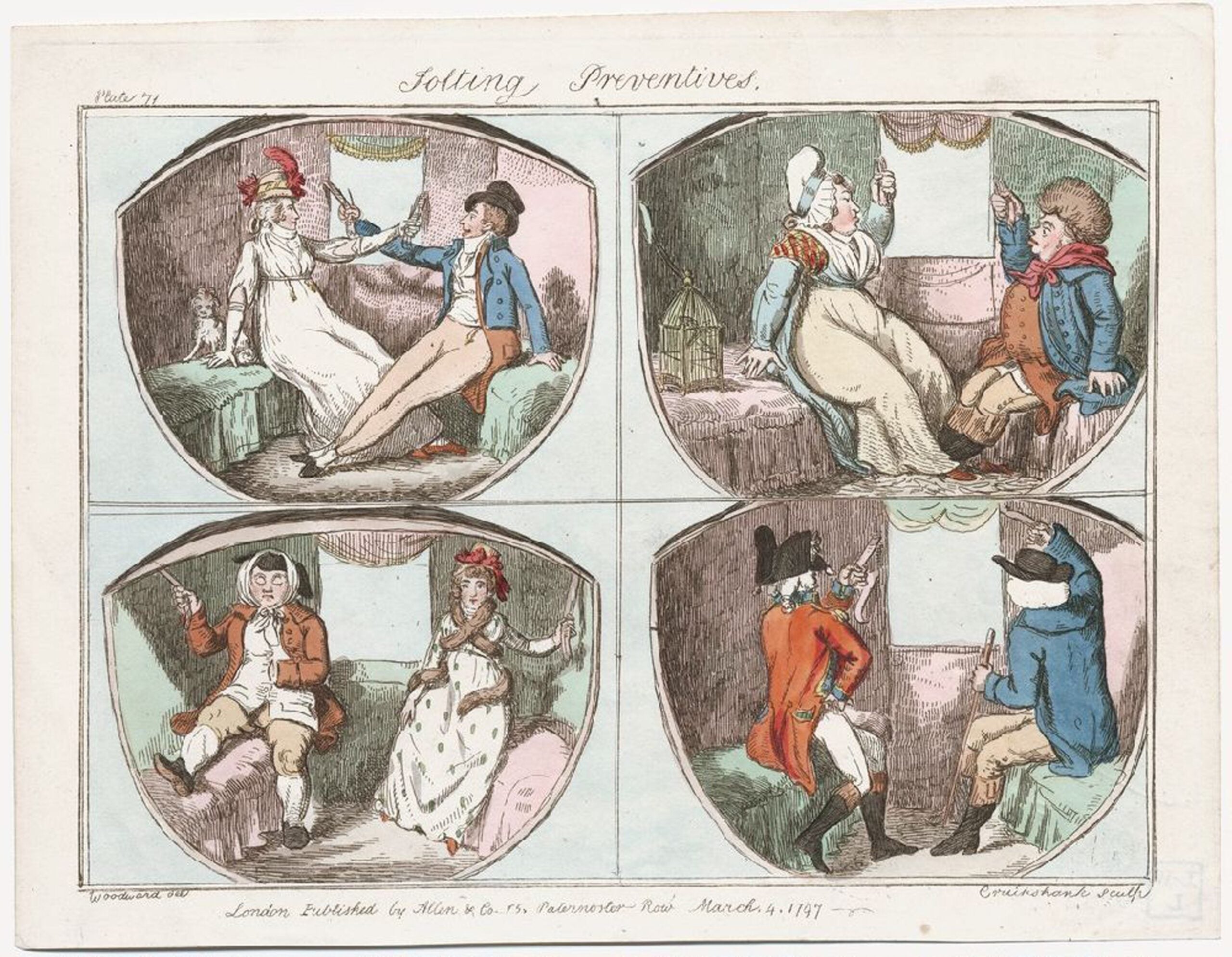
The study reveals that motion sickness was widely discussed long before modern travel. Travelers described nausea, dizziness, and vomiting during coach rides.
Although medical science had not yet defined the condition clearly, people recognized it as a serious issue. Some even avoided travel because of it.
Medical experts of the time debated its cause. Some believed the motion disturbed the brain. Others thought the stomach reacted to constant movement.
There was no clear answer. Still, the experience itself was well understood. Motion sickness became one of the most dreaded parts of travel.
Inside the coach, conditions often made things worse. Passengers sat tightly packed together for long hours. Personal space barely existed.
Travelers could not choose their companions. They shared space with strangers from different social classes. This created tension and discomfort.
In a letter from 1656, John Locke described enduring “a thousand squeezes” during a crowded journey. He also expressed disgust at the physical closeness of fellow passengers.
The lack of space added to the physical strain. Bodies pressed together. Movement became even more difficult. For many, the discomfort felt constant.
Air quality inside the coach was another major concern. With several people packed into a small space, the environment quickly became unpleasant.
Passengers complained about strong odors from sweat and illness. Poor ventilation trapped heat and smell inside the coach.
In 1686, Robert Boyle noted that the “reek of men’s bodies” could cause faintness or even collapse. At the time, people believed bad air could lead to illness.
These conditions heightened discomfort. They also made motion sickness more intense. Heat, smell, and movement combined into a difficult experience.
Coach travel also challenged social norms. People from different backgrounds shared the same space. This created awkward and sometimes tense interactions.
Wealthier passengers often felt uneasy sitting beside those of lower status. At the same time, the shared environment blurred social boundaries.
Gender also played a role. Women traveling alone faced concerns about safety and propriety. Close contact with men raised fears and discomfort.
The coach became a space where social rules felt strained. Travelers had little control over their surroundings.
At the time, doctors disagreed about whether coach travel helped or harmed the body. Some believed the movement acted as exercise. They argued it improved circulation and prevented illness.
Others strongly disagreed. They saw the motion as too violent. They believed it caused pain and worsened existing conditions.
This debate reflects broader uncertainty about the human body. As travel became more common, people struggled to understand its effects.
Coach makers tried to improve comfort over time. They added springs and adjusted designs to reduce shaking. Some advertisements promised smoother journeys.
However, these changes had limited impact. Many travelers still reported discomfort. The basic conditions of the road remained the same.
Even with improvements, the experience rarely matched expectations. The journey continued to challenge the body.
The study highlights how travel affected all the senses. Passengers felt constant motion in their muscles and bones. They smelled the air around them. They heard the noise of the road and other travelers.
Dr Withey describes coach travel as a “deeply embodied form of mobility.” It was not just movement from one place to another. It was an intense physical experience.
Travelers did not simply observe the journey. They felt it in every part of their bodies.
Modern images often show stagecoach travel as calm and scenic. This research tells a different story. The reality was noisy, crowded, and uncomfortable.
These findings connect the past to the present. Motion sickness, crowded spaces, and travel fatigue remain familiar today.
The study shows that these challenges are not new. They have shaped human travel for centuries.
This research changes how people understand travel history. It highlights the physical and emotional toll of early transportation systems. By focusing on lived experience, it offers a more realistic view of the past.
The findings also connect historical travel to modern issues. Motion sickness, overcrowding, and discomfort still affect travelers today. Understanding their long history can help researchers study how the human body responds to movement.
In a broader sense, the study shows how technology shapes human experience. Even as travel becomes faster and more efficient, comfort remains a key concern. Lessons from the past may guide future improvements in transportation design.
The research also benefits historians and medical scholars. It provides insight into how people understood the body before modern science. This can inform studies of health, perception, and human adaptation over time.
Research findings are available online in the journal Social History of Medicine.
The original story “Motion sickness has plagued travelers for hundreds of years” is published in The Brighter Side of News.
Like these kind of feel good stories? Get The Brighter Side of News’ newsletter.
The post Motion sickness has plagued travelers for hundreds of years appeared first on The Brighter Side of News.

