Mummified human remains sold online may look dry and harmless, yet some show fungal growth while others may carry hazards invisible to the eye. The trade can also place postal workers and customs officials in the path of those risks.
A University of Staffordshire-led analysis examined 128 online posts and auction listings involving mummified human and animal remains. Researchers found evidence of possible biodeterioration, weak safety guidance and shipping practices that may conflict with postal regulations.
Of the 128 posts, 122, or 95.3%, showed human material. Six involved animals. Isolated hands, feet and other body parts appeared most often, while heads made up more than half the sample.
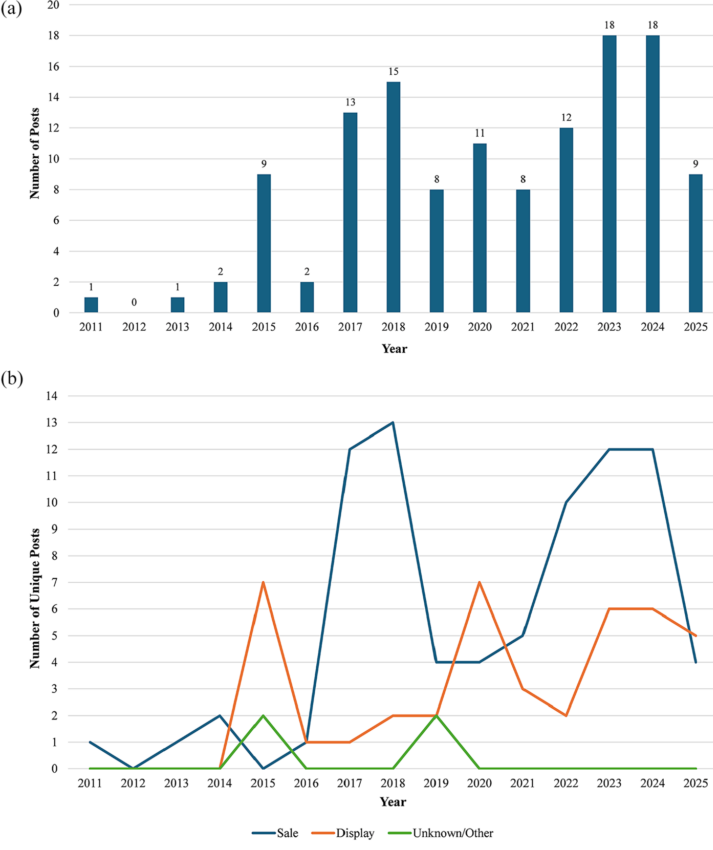
The trade spans social media, e-commerce sites, webstores and auction houses. The sample included posts collected between 2015 and 2025, with broader trend data extending back to 2011.
Researchers documented 27 listings involving isolated body parts and 21 involving whole mummified heads. In all, 66 posts, or 51.6%, included heads in different states of preservation, including partial heads, skulls with surviving tissue or hair and tsantsas, often called shrunken heads.
Only one listing involved a complete mummified human body.
Geographic origin was stated in 102 cases. Of those, 44 were linked to Egypt and 21 to South America. Another 26 posts gave no geographic origin, leaving gaps in provenance and storage history.
Seller location appeared in 62 cases. More than half of those sellers, 34, were based in the United States. Sellers appeared in 12 U.S. states, with Pennsylvania and Colorado most common in the sample.
Some sellers appeared aware of legal restrictions. Eleven posts said they would not ship to Georgia, Louisiana, Minnesota or Tennessee. Four auction-house listings also excluded Georgia, New York or Tennessee.
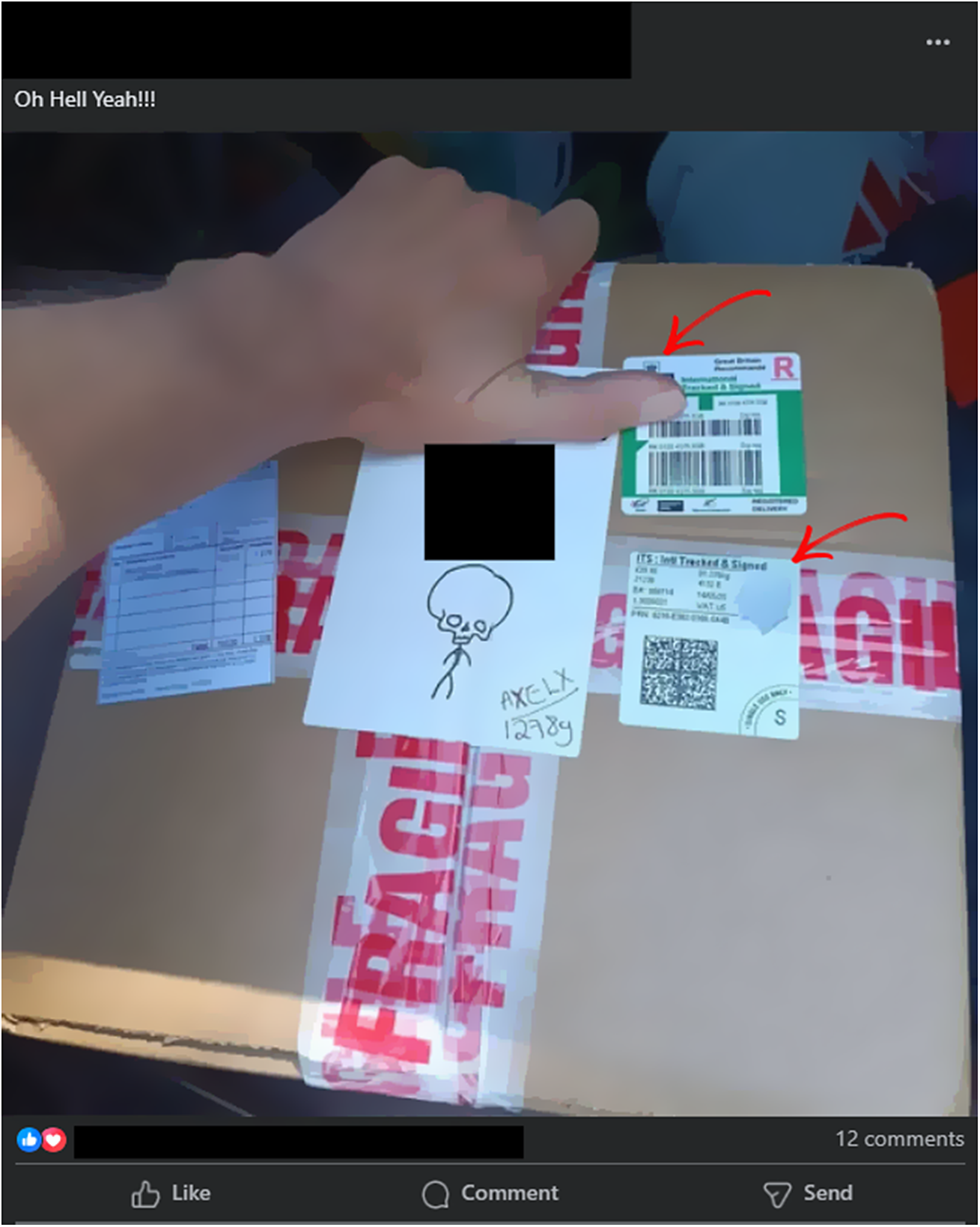
Shipping details were often vague. One seller wrote, “I only ship insured shipping with USPS, with tracking.” Other listings advertised worldwide shipping without explaining how human remains would be declared or handled.
Postal and courier rules generally restrict shipment of human remains, with exceptions for items such as cremated remains. The researchers argue that guidance can be difficult to locate, vague or easy to misread.
One documented package containing mummified human remains traveled from the United Kingdom to a U.S. buyer through Royal Mail, despite company rules prohibiting such shipments. The customs classification used was intended for demonstrational instruments, apparatus or models, not human remains.
That creates risks beyond buyer and seller. Packages can pass through warehouses, delivery networks and customs inspections, where workers may not expect preserved human tissue.
“There is also evidence to show that mummified remains are being mailed to buyers, both nationally and internationally, with little (if any) consideration of the health and safety implications of these actions. Clearer, more prominent guidelines are needed to ensure buyers and sellers are unable to misinterpret or find loopholes in shipping policies,” said lead author Dr Kirsty Squires, Professor of Human Bioarchaeology at University of Staffordshire.
Thirteen Facebook posts showed remains with visible suspected fungal colonization. Signs included white, gray, yellow and black spots, dark patinas and, in one case, black spotting with diffuse white cotton-like growth.
Eight of those 13 entries were sales posts. Six showed extensive biodeterioration.
The researchers could not identify specific microbes from photographs and did not physically test the remains. Visible growth can signal a problem, but the absence of visible damage does not establish safety.
Mummified remains with surviving soft tissue can support microbial colonization. Poor storage, humidity, darkness and inadequate ventilation can encourage fungal growth, while movement can disturb dormant spores and send them airborne.
Exposure to Aspergillus spores has been attributed to the deaths of 10 of 12 conservation scientists who opened the tomb of King Casimir IV Jagiellon in Kraków during the 1970s. A severe form of aspergillosis has also been proposed as a possible contributor to Lord Carnarvon’s death.
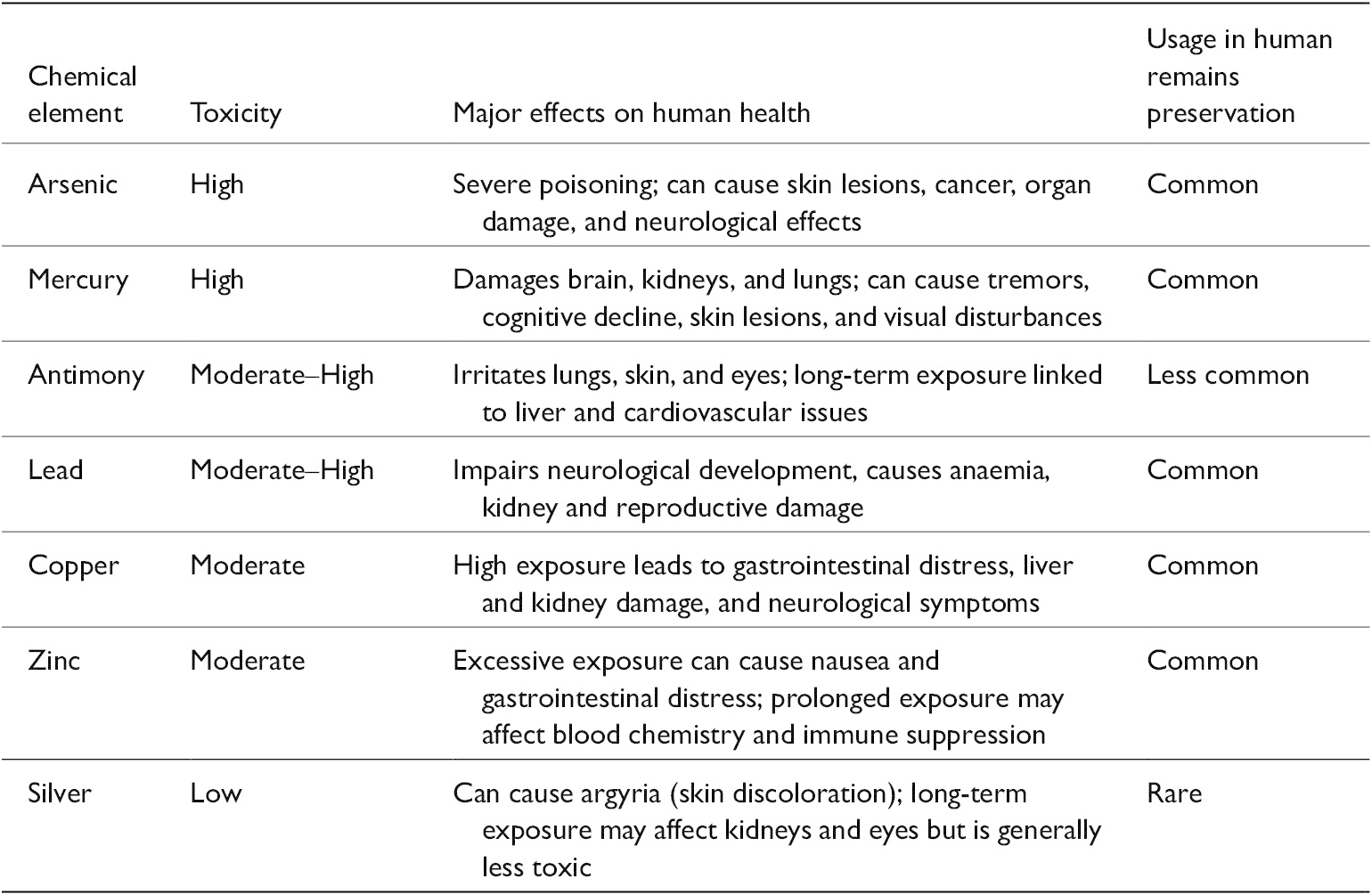
The remains can carry chemical hazards too. Historical preservation and embalming methods sometimes used toxic substances including arsenic, mercury and lead.
Professionals who work with preserved bodies commonly use gloves, masks and lab coats. Online sellers rarely offered comparable guidance.
Researchers identified 22 posts in which people handled mummified human remains without gloves. That may expose sellers or buyers to contaminated material, especially if remains have degraded or contain hazardous preservatives.
“Despite the notable health and safety risks associated with handling mummified remains, they are typically overlooked by sellers in this unregulated market. This may stem from limited awareness of biohazards posed by preserved soft tissues and/or from profit-driven motives that disregard human health and safety,” Squires said.
The study does not show that every mummified remain sold online poses the same danger. Its sample was collected opportunistically rather than through a systematic search, so it cannot measure the full market or establish statistically significant trends over time.
The researchers want clearer rules and stronger oversight from online marketplaces, postal and courier companies, customs services and public authorities.
They recommend more explicit shipping policies that distinguish legitimate transport for research or funerary purposes from private collecting. Clearer customs classifications could also make it harder to mislabel preserved bodies as educational or archaeological objects.
Workers inspecting suspicious packages may need protective equipment when declarations suggest anatomical or archaeological material. The team also recommends reporting sales posts to platforms and relevant professional or law-enforcement bodies.
“Improved oversight and education are therefore essential to safeguard public health and preserve archaeological remains,” Squires said.
The concern extends beyond collectors. Mummified remains may move through homes, warehouses, postal systems and borders without safeguards routinely used by museums, laboratories and professional handlers. Better rules could reduce those exposures while protecting fragile remains from further deterioration.
These resources explore how preserved remains can harbor microorganisms, how fungi threaten cultural collections, and how social media has expanded the private trade in human remains.
Human Remains as ‘Conflict Antiquities’ and How Bioarchaeology and Forensic Anthropology Can Change the Narrative
This 2026 analysis examines the global online human remains trade, including how colonial histories, violence and social media shape collecting practices, and outlines ways bioarchaeologists and forensic anthropologists can respond. (Bioarchaeology and Social Theory, 2026)
Unveiling the hidden microbiome: a microbiological exploration of untouched burial crypts in Krakow, Poland
Researchers examined microorganisms in previously untouched burial crypts, including human and coffin remains, providing recent evidence about the microbial communities that can persist in enclosed historical burial environments. (Systematic and Applied Microbiology, 2025)
Behind Closed Doors: The Human Remains Trade within Private Facebook Groups
This study examined four private Facebook groups used to buy, sell and discuss human remains, revealing distinctive trading practices, group identities and behaviors that can be harder to observe in public online markets. (Internet Archaeology, 2024)
Multimodal imaging and molecular analysis of a 350-year-old purple heron mummy
Detailed examination of a naturally preserved animal mummy found fungal hyphae, spores and bacterial colonies alongside remarkably intact tissues, illustrating how microbial colonization can coexist with apparent long-term preservation. (Scientific Reports, 2026)
Is the fungus Aspergillus a threat to cultural heritage?
This review examines the ability of Aspergillus fungi to colonize and deteriorate cultural heritage materials, including mummified human remains, and discusses the implications for preservation and human exposure. (Journal of Cultural Heritage, 2021)
Research findings are available online in the International Journal of Cultural Property.
The original story “Mummy’s curse: Mummified remains sold online may expose the public to hidden risks” is published in The Brighter Side of News.
Like these kind of feel good stories? Get The Brighter Side of News’ newsletter.
The post Mummy’s curse: Mummified remains sold online may expose the public to hidden risks appeared first on The Brighter Side of News.


Leave a comment
You must be logged in to post a comment.