A drug originally designed to interfere with cancer growth has produced an unexpected combination of effects in mice. Specifically, it led to stronger bones and less body fat after simulated menopause.
The experimental compound, called CADD522, increased bone volume and preserved important internal bone structures in female mice whose ovaries had been removed. It also reduced fat accumulation in those mice. The procedure creates estrogen deficiency and is widely used to model postmenopausal bone loss.
Researchers led by the University of East Anglia report the findings in npj Drug Discovery. The paper is titled “RUNX2 inhibitor CADD522 improves bone microarchitecture and lipid metabolism in post-menopausal bone loss.” The work included collaborators at the University of Maryland, Scintillon Research Institute in San Diego, and the University of Stirling.
“We have uncovered an entirely new way of tackling the disease,” said lead researcher Darrell Green of UEA’s Norwich Medical School.
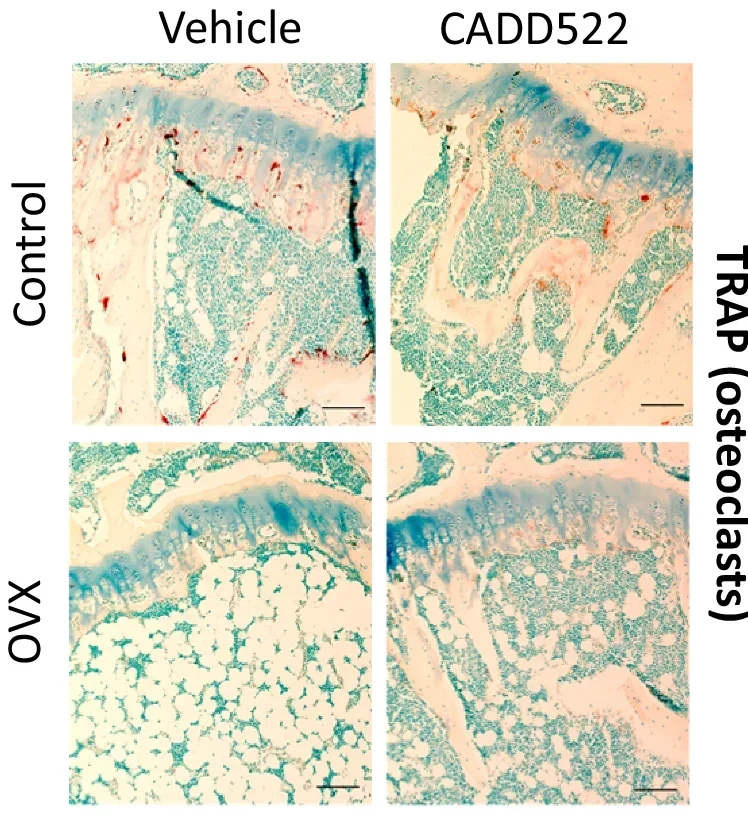
CADD522 was developed to inhibit RUNX2, a transcription factor that controls gene activity. RUNX2 has been implicated in the growth and spread of several cancers.
That makes its effect on bone particularly intriguing. RUNX2 plays an important role in skeletal development and osteoblast differentiation. As a result, blocking it might initially seem more likely to harm bone than strengthen it.
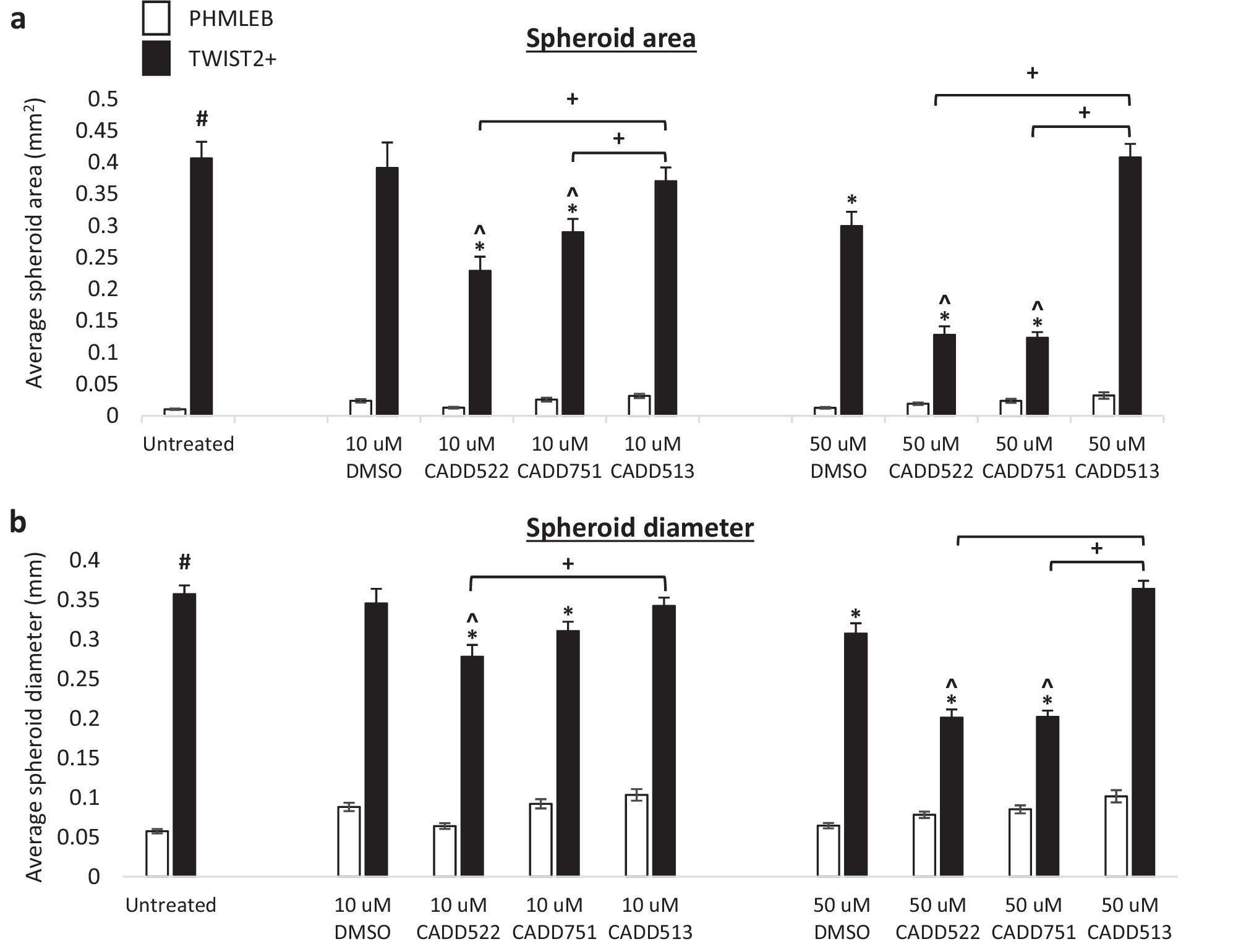
Earlier cancer experiments provided the clue. Researchers noticed that CADD522 reduced cancer-related bone disease, prompting them to investigate whether the compound might also help with osteoporosis.
The new study included 16 ovariectomized mice and 16 sham-operated controls. Within each group, eight received CADD522 and eight received a vehicle treatment. The drug was given at 25 milligrams per kilogram three times a week for eight weeks.
Micro-CT scans showed that CADD522 increased bone volume in both control and ovariectomized animals. In mice modeling menopause, it also increased bone surface density and preserved trabecular number.
Trabeculae form the delicate internal lattice that gives spongy bone much of its strength. Loss of this architecture is a major feature of osteoporosis.
Blood measurements offered another clue about how the treatment was working.
Ovariectomized mice receiving CADD522 showed higher levels of P1NP, a marker associated with the formation of new type I collagen and bone. At the same time, levels of βCTX, a marker of bone resorption, did not significantly change.
That pattern suggests the drug may have shifted remodeling toward bone formation. It did so without simply suppressing the normal removal of old bone.
“This is particularly important because many existing osteoporosis drugs work by suppressing bone loss. However, this can sometimes lead to complications when used for long periods,” Green said.
The result distinguishes CADD522 from conventional antiresorptive drugs such as bisphosphonates and denosumab. Other osteoporosis treatments stimulate bone formation, but some require injections or carry restrictions that complicate long-term therapy.
The researchers caution that the current experiment measured bone architecture and biomarkers, not actual fracture prevention. Longer studies will be needed to determine whether the structural improvements translate into stronger bones that fracture less often.
The biggest surprise emerged outside the skeleton.
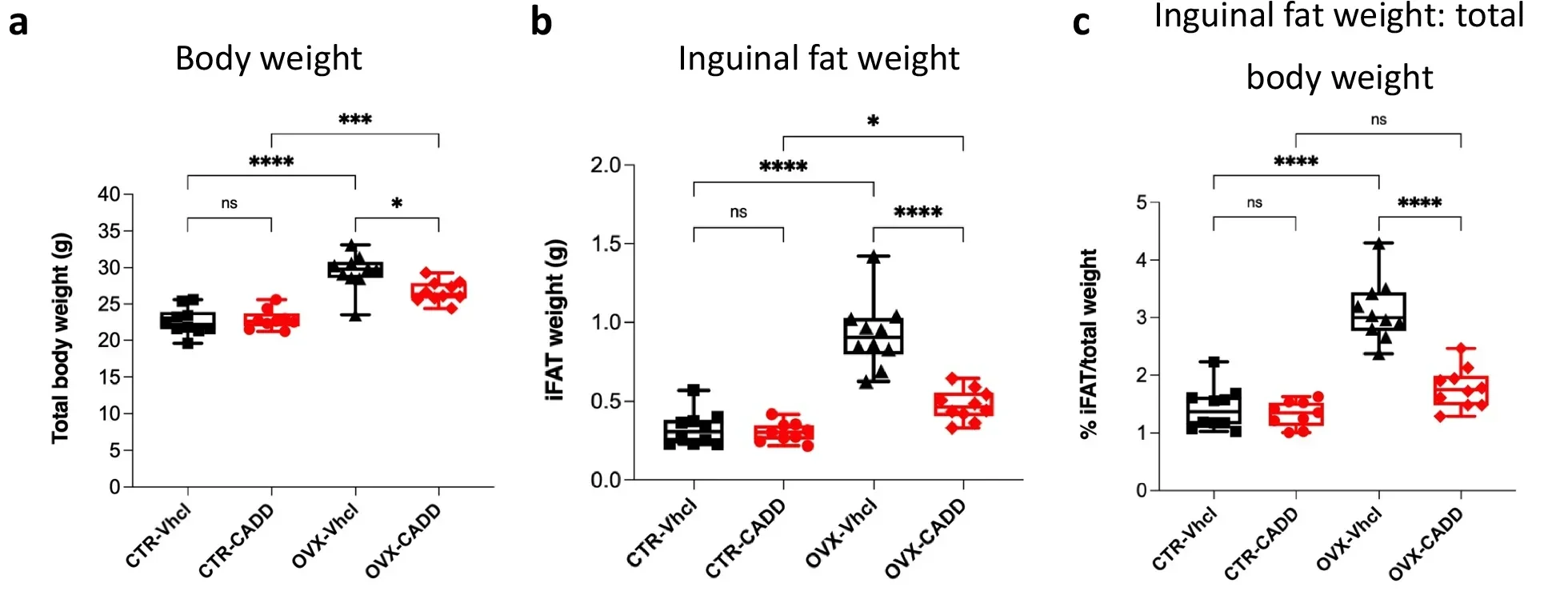
CADD522 reduced body weight in ovariectomized mice but not in the non-ovariectomized controls. The difference could not be explained by lower food intake because treated and untreated animals consumed similar amounts.
Researchers then examined fat stores and found that CADD522-treated ovariectomized mice had lighter inguinal fat pads. They also had less visible white adipose tissue.
Their bones also contained fewer marrow fat deposits.
That finding could be particularly relevant to postmenopausal bone disease. Estrogen deficiency is associated with changes in body composition. In addition, increased bone-marrow adiposity and greater marrow fat can accompany deteriorating bone health.
“The mice receiving CADD522 weighed less than their untreated counterparts despite eating the same amount of food,” Green said. “They also had less body fat and fewer fat deposits accumulating inside their bone marrow.”
The researchers found no evidence that the weight effect resulted from activation of UCP1, a protein associated with energy-burning brown fat. Therefore, the mechanism responsible for the reduction in adiposity remains unclear.
The team also performed lipid profiling on brain tissue from three mice in each experimental group.
CADD522 caused broad changes in fatty acids, particularly among phospholipids, which are major components of cell membranes. Several changes induced by ovariectomy shifted back toward levels found in control mice.
The strongest effects involved long-chain saturated and monounsaturated fatty acids. Levels of arachidic, docosanoic and lignoceric acids fell, reversing increases seen after ovariectomy. Palmitoleic and vaccenic acids increased, while elevated erucic and nervonic acids moved toward control levels.
The compound had relatively modest effects on omega-3 polyunsaturated fats. DHA and total omega-3 abundance were not significantly altered, suggesting CADD522 was not simply disrupting lipid metabolism broadly.
Researchers did not test learning, memory or cognition, so the brain-lipid results cannot be interpreted as evidence of neurological benefit.
“We didn’t directly test for memory or thinking ability, but our work raises questions about whether this drug could one day help address wider menopause-related health problems,” Green said.
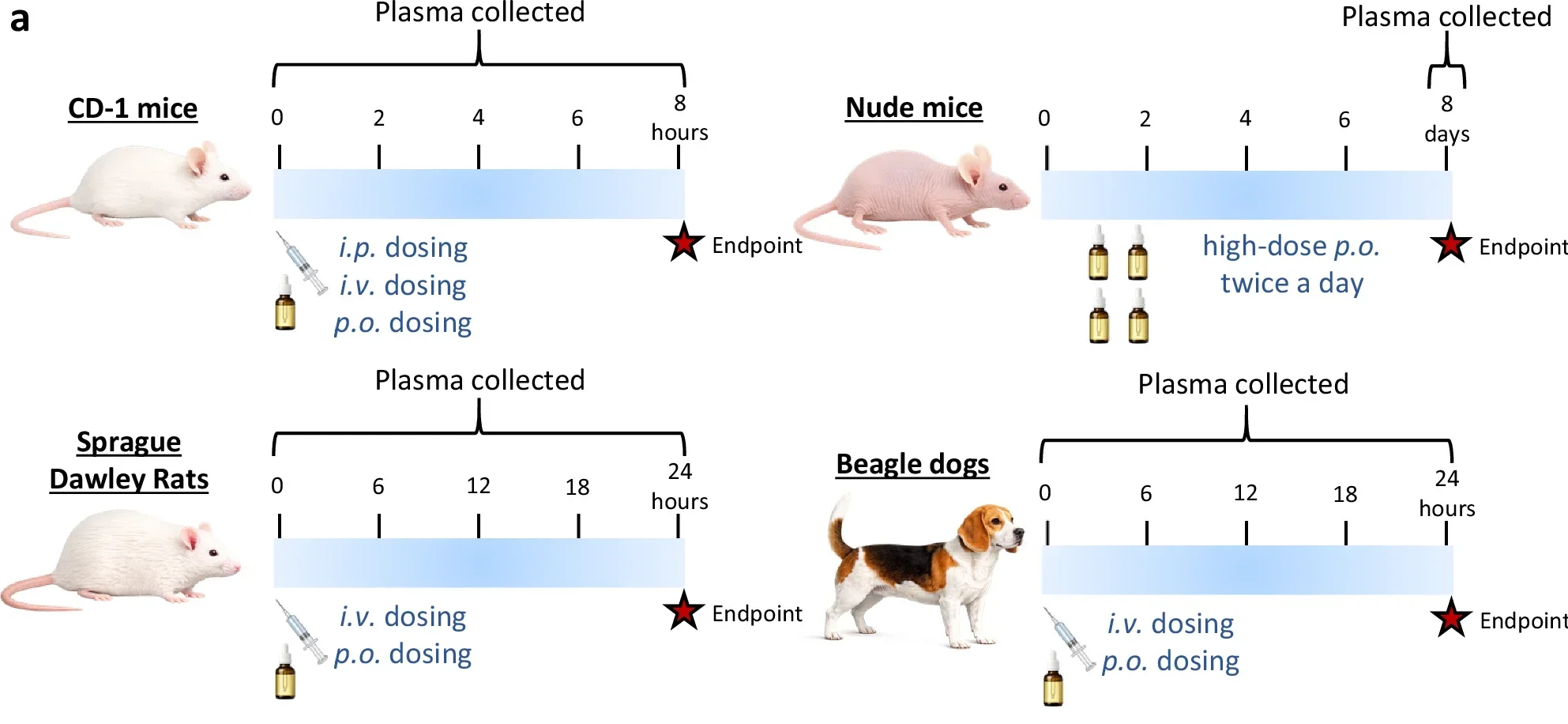
CADD522 also underwent early pharmacology and safety testing in mice, rats and dogs.
The compound could be administered orally. Short-term testing generally suggested tolerability. However, high-dose treatment in mice produced mild decreases in white blood cells and modest increases in alkaline phosphatase and cholesterol.
Researchers also found that the compound broke down more slowly in human liver microsomes than in mouse samples. That could eventually prove useful because rapid clearance remains one of the drug’s main development challenges.
Laboratory experiments further confirmed that CADD522 directly interacts with RUNX2. This supports the idea that the biological effects are related to its intended molecular target.
None of those findings establishes safety or effectiveness in people. The osteoporosis experiment involved a single mouse model. Furthermore, lipid measurements came from only a few animals, and researchers have not yet demonstrated reduced fracture risk.
“This is still in the early stages and has so far only been tested in animals but we hope that the benefits will translate to humans to ultimately reduce fracture rates,” Green said.
For now, CADD522 offers something more preliminary but potentially valuable. Specifically, it provides evidence that targeting RUNX2 in adult tissues may influence bone formation and metabolism. These effects were not predicted from the protein’s developmental role.
If those effects withstand further testing, the same experimental drug platform could eventually address two changes that commonly accompany menopause. These changes are declining skeletal integrity and increasing adiposity. The drug could do so through an unusually interconnected biological pathway.
These resources examine current osteoporosis treatments, RUNX2 biology, bone-marrow fat and the interconnected skeletal and metabolic changes that accompany menopause.
Clinical challenges and considerations in pharmacotherapy of osteoporosis due to menopause: Reviews the causes of postmenopausal osteoporosis and the efficacy, safety and practical limitations of existing and emerging drug treatments. (Expert Opinion on Pharmacotherapy, 2024)
Bone Marrow Adipose Tissue as a Critical Regulator of Postmenopausal Osteoporosis – A Concise Review: Explores how estrogen deficiency, expanding bone-marrow fat and signaling from adipose tissue may contribute to declining bone mass after menopause. (Clinical Interventions in Aging, 2024)
Osteo-sarcopenic obesity in midlife and older women: a current worldwide public health challenge: Examines how menopause can simultaneously promote fat accumulation, muscle loss and skeletal deterioration. It highlights the value of therapies that could address more than one process. (Archives of Osteoporosis, 2025)
Research findings are available online in the journal npj Drug Discovery.
The original story “New cancer drug may reverse midlife bone loss and weight gain” is published in The Brighter Side of News.
Like these kind of feel good stories? Get The Brighter Side of News’ newsletter.
The post New cancer drug may reverse midlife bone loss and weight gain appeared first on The Brighter Side of News.


Leave a comment
You must be logged in to post a comment.