The limestone at the Twelve Apostles does not sit flat. Look closely at the cliffs along Victoria’s coast and the layers lean a little, broken here and there by small faults, the kind of details most visitors would miss while staring out at the sea stacks. Those slight tilts turned out to matter.
A study led by scientists at the University of Melbourne has now traced, for the first time, how the Twelve Apostles formed. The work found that shifting tectonic plates gradually lifted and tilted the rocks over millions of years, long before waves carved the pillars that tourists know today. The study was published in the Australian Journal of Earth Sciences.
That means the Twelve Apostles are older in one sense, younger in another, and more geologically complicated than the postcard view suggests.
Associate Professor Stephen Gallagher from the University’s School of Geography, Earth and Atmospheric Sciences said the site acts as a rare record of ancient Earth. “Much like an environmental time capsule, each layer of these giant structures preserved information about the Earth’s climate, tectonic activity, plants and animals over millions of years, including a key time about 13.8 million years ago when the climate was much warmer than what it is today,” he said.
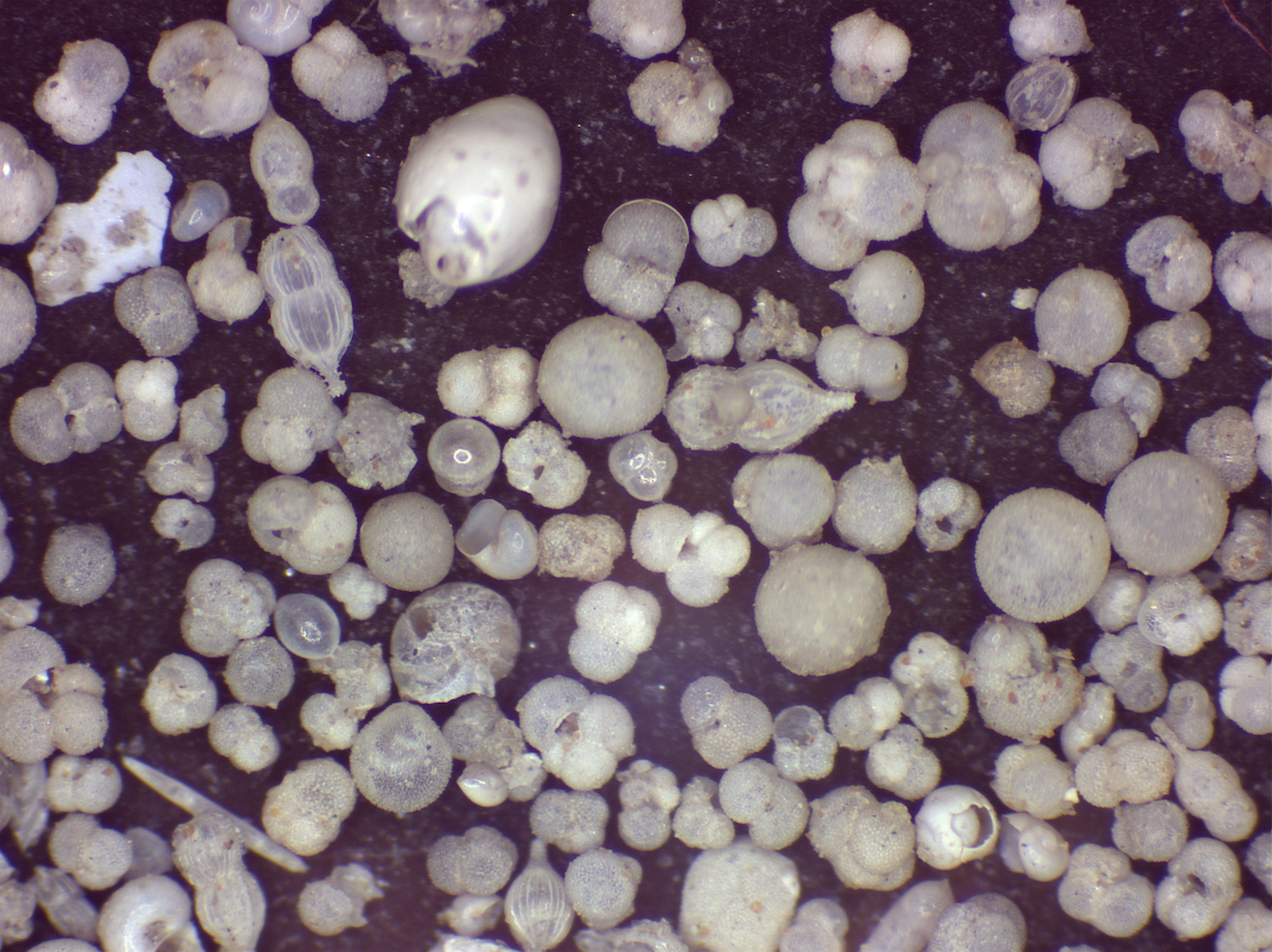
The study also revised the age of the limestone layers themselves. Earlier preliminary work had placed them between 7 and 15 million years old. By identifying microscopic fossils in the rock, the researchers narrowed that range to 8.6 to 14 million years old.
The new work shows the famous stacks were not shaped by one process alone.
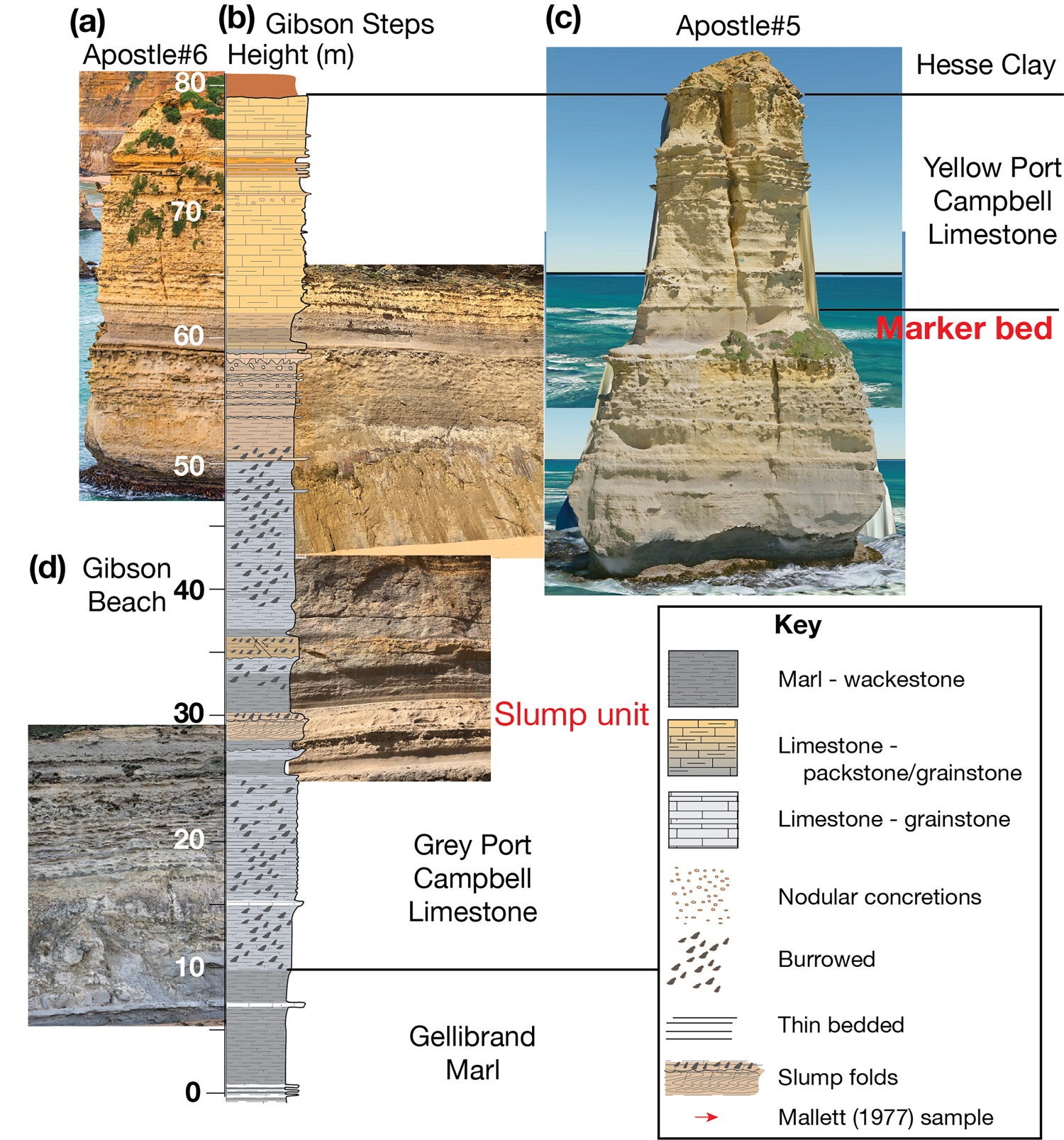
First came deposition. The older Gellibrand Marl formed in deeper marine conditions during the middle Miocene, with the study dating parts of it to younger than 14.1 million years ago. Later, the overlying Port Campbell Limestone formed in shallower shelf environments. The lower grey limestone included signs of changing sea levels and some soft-sediment slumping. Higher up, younger yellow limestone built up in shallow inner-shelf conditions and remained in place until at least 8.6 million years ago.
Then came uplift and deformation. The researchers identified a major break between the youngest late Miocene limestone and younger Pliocene deposits above it. That gap, called an unconformity, marks a period when deposition stopped and the landscape was uplifted, weathered and eroded.
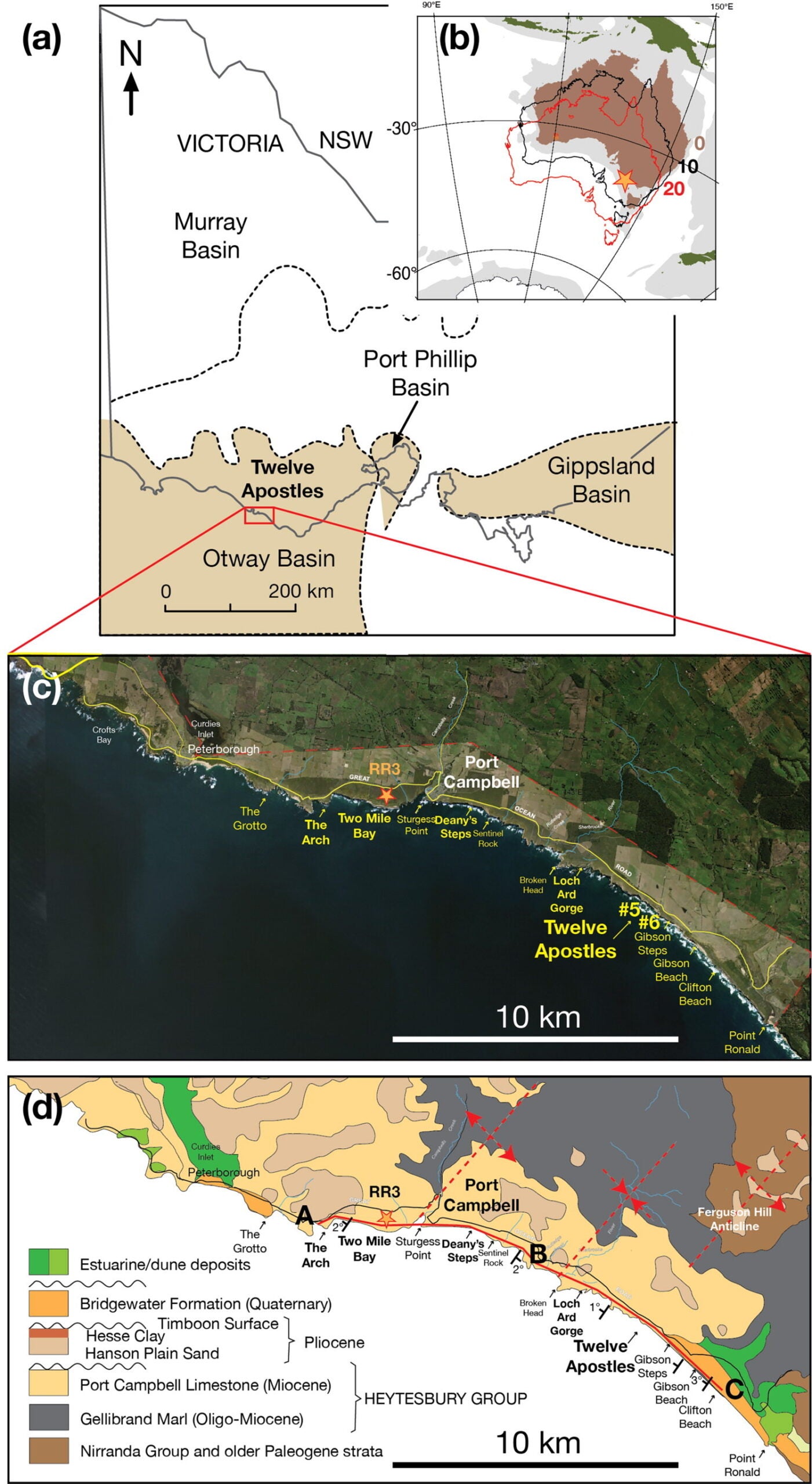
According to the study, a shift in the dynamics of the Australian Plate from about 12 million years ago created northwest to southeast compression in the Otway region. That compression folded the rock layers into broad anticlines and synclines and produced minor reverse faults. In places, the beds dip about 1 to 5 degrees. East of Two Mile Bay, they tilt seaward by about 1 to 2 degrees.
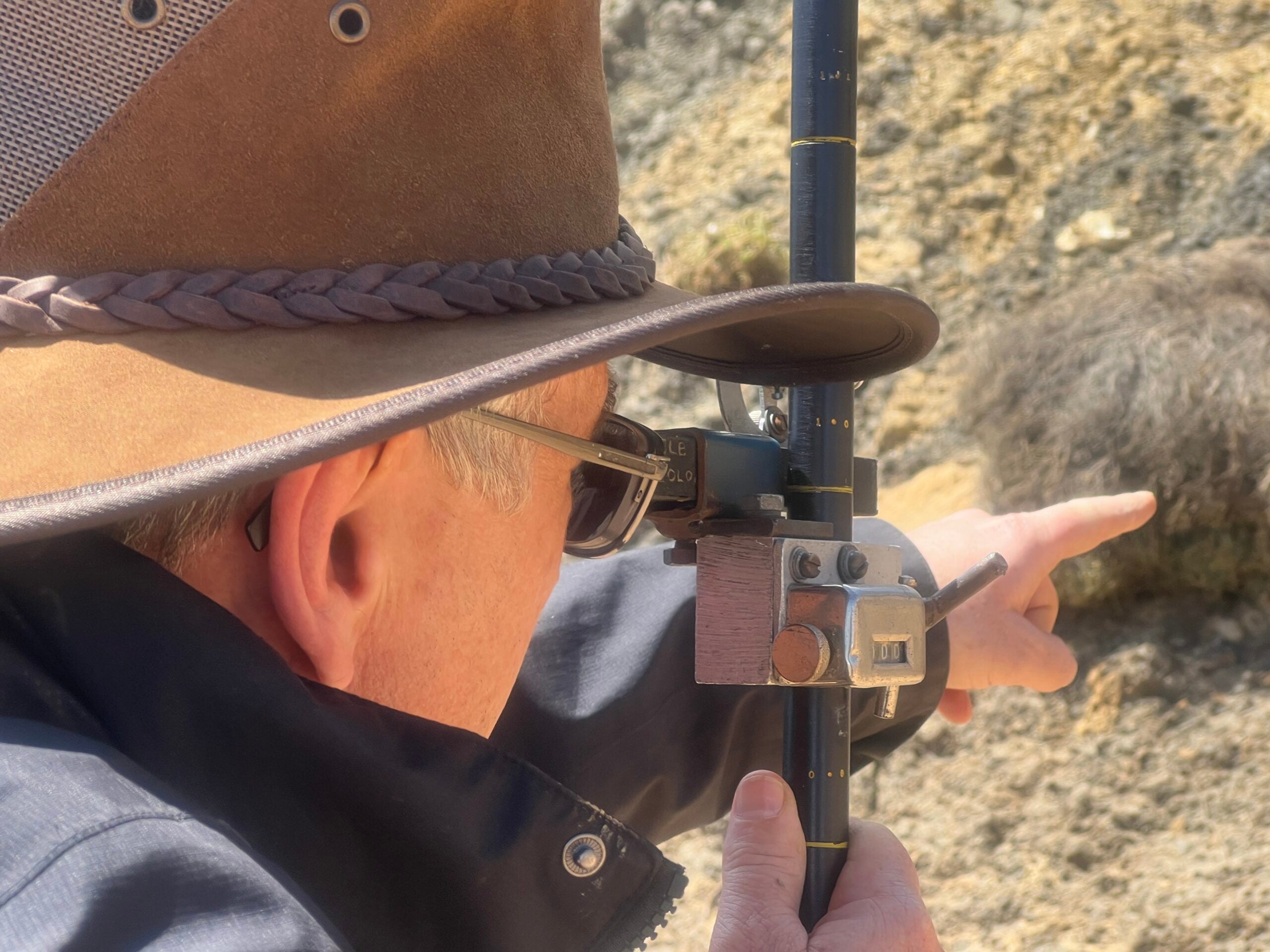
Gallagher said the process did not lift the rocks evenly. “We also uncovered that the tectonic movements didn’t push up the Apostles perfectly straight. Instead, they forced layers to tilt and break along the way. If you look closely at the cliffs around the Twelve Apostles today, you can see the limestone layers are not flat but are, in fact, tilted by a few degrees. Small fault lines can also be seen, which are records of ancient earthquakes,” he said.
That distinction sits at the heart of the study.
The limestone layers record a long stretch of Earth history, from roughly 14 million to 8.6 million years ago in the sections studied. But the sea stacks themselves are recent features. The paper says the present cliffs and stacks formed after the Last Glacial Maximum, around 23,000 to 20,000 years ago, when sea level later rose by about 125 meters and created the modern shoreline.
In the last few thousand years, the sea cut into the brittle Port Campbell Limestone, making cliffs and promontories. Arches formed as waves undercut those headlands. When arches collapsed, they left behind sea stacks. In other words, the rock is ancient, but the familiar shapes are brief.
One sentence in the paper captures that contrast well: the sea stacks and cliffs are “a relatively short and ephemeral part” of a much longer story.
The geology also helps explain why the formations are so vulnerable. The study notes that the limestone is brittle, and the present landscape keeps changing as erosion continues. While the site is called the Twelve Apostles, the paper points out there were only ever seven or eight stacks, not twelve. Today, eight remain.
Gallagher put that fragility in present-tense terms. “We are using this ‘window back in time’ to understand where temperatures and sea levels may be heading on our current path of climate change. With only eight of the twelve Apostles remaining, we need to study and learn from them while we can.”
To piece the history together, the team combined field mapping, stratigraphic logging, carbonate analyses, natural gamma measurements, older photographic surveys, digital imagery from the Great Ocean Road 3D Photomesh, and foraminiferal biostratigraphy.
Those foraminifera, microscopic marine fossils preserved in the rocks, were central to the age revisions. Their first and last known appearances in different layers helped date the strata across Gibson Steps, Gibson Beach, Deany’s Steps, Two Mile Bay, The Arch and Loch Ard Gorge.
The study also mapped more than 40 kilometers of near-continuous sea cliffs in the Port Campbell Embayment. That broad view let the researchers build a cross-section of the coast and connect local outcrops into a larger geologic history.
Still, the paper leaves some questions open. The strike of beds in the region is difficult to estimate, the authors write. Only five samples were retained from one engineering bore because the rest of the core had been disposed of. The researchers also say more work is needed to test whether some cyclic layers in the limestone reflect orbital cycles. And they note that further microfossil and sediment analyses could reveal more about sea-level and climate variability during the middle Miocene Climate Optimum.
This study gives scientists a clearer geologic timeline for one of Australia’s best-known coastlines, but it also does something more useful. It turns the Twelve Apostles into a sharper archive of past climate and sea-level change.
Because the limestone layers preserve evidence from a warmer period around 13.8 million years ago, researchers can use them to study how oceans and coastlines responded under conditions unlike today’s, but relevant to today’s warming world. The work may also improve understanding of why the coast erodes the way it does now, since the cliffs inherit weaknesses from the same faults, tilts and rock layers created millions of years ago.
The team is already moving in that direction. They are examining individual rock layers to reconstruct ancient climate, ocean conditions and sea levels, and to see how those older processes still shape modern coastal erosion.
Research findings are available online in the Australian Journal of Earth Sciences.
The original story “New research reveals how the twelve apostles formed and their true age” is published in The Brighter Side of News.
Like these kind of feel good stories? Get The Brighter Side of News’ newsletter.
The post New research reveals how the twelve apostles formed and their true age appeared first on The Brighter Side of News.

