A familiar thought experiment about a hidden cat has helped scientists take a meaningful step toward building reliable quantum computers. In a new study from the UNSW Sydney, researchers show that a simple change in how quantum systems are measured can sharply reduce errors while speeding up the process.
The work tackles one of the biggest barriers in quantum computing. Measuring a quantum system often disturbs it, which can corrupt the information scientists are trying to read. The new method finds a way to learn more while interfering less.
Quantum computers rely on tiny systems that can exist in multiple states at once. These systems, often called qubits, allow machines to process information in powerful new ways. Yet this same property makes them extremely delicate.
Reading quantum information is not straightforward. The act of measurement can change the system itself. Scientists have spent years trying to balance two goals, gaining accurate information and keeping the system stable.
“Quantum error correction relies on repeated measurements without disrupting the fragile quantum information,” said Andrea Morello of UNSW Sydney.
Even small disturbances can introduce errors. Over time, these errors can grow and make large-scale quantum computing impractical.
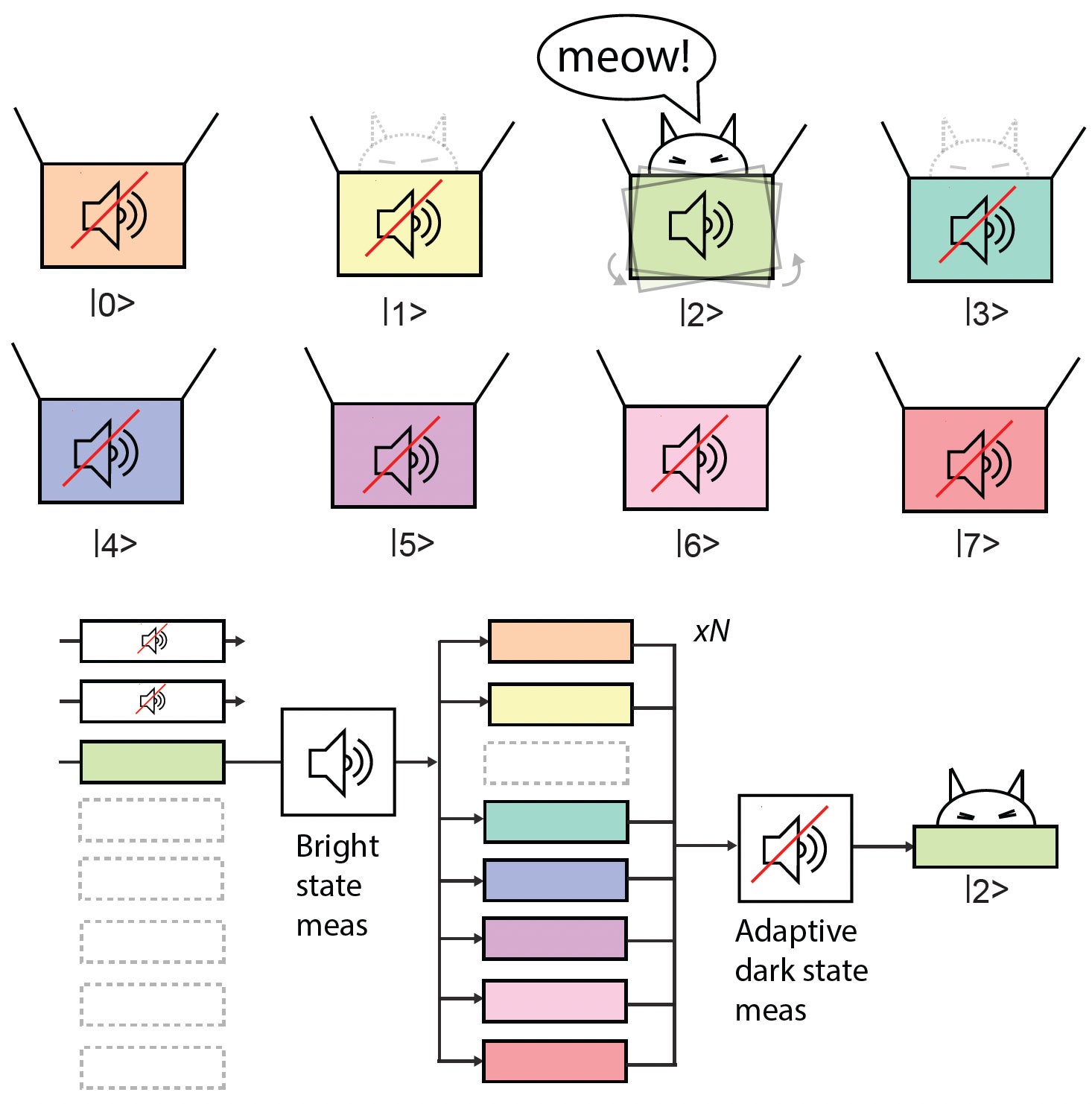
To explain the problem, researchers turned to a familiar analogy. A cat hides in one of eight identical boxes in a dark, noisy room. You cannot open the door. You must figure out where the cat is without disturbing it.
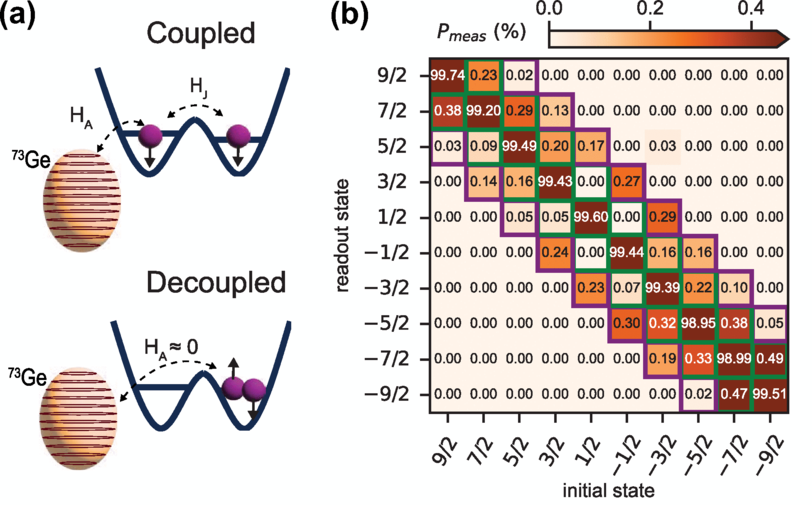
Each box represents a possible quantum state. In the experiment, the “cat” is the nucleus of an antimony atom embedded in silicon. This tiny system can exist in eight different states, offering more space to store information.
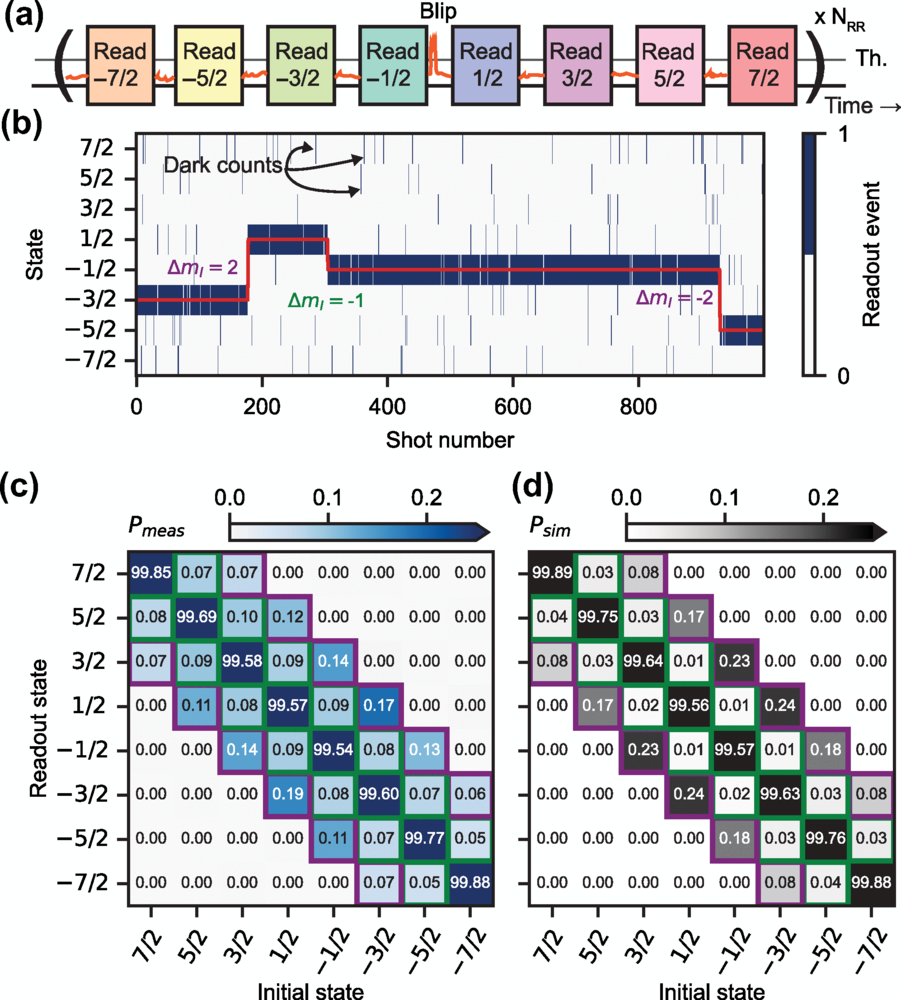
Traditionally, scientists would check each state repeatedly. They would listen for a signal, much like waiting for a “meow.” The state with the most signals is assumed to be correct.
However, repeated probing creates a problem. Each check can disturb the system, just as spraying water might scare the cat and make it move.
The UNSW team developed a new strategy that changes how the search works. Instead of checking all states over and over, the method stops as soon as the first signal appears.
That first signal provides an initial guess. After that, the system avoids probing that state again. Instead, it checks the remaining states for silence.
If those states stay quiet, confidence grows that the original guess was correct.
“The absence of a signal confirms the presence of another, without interacting directly with the system,” Morello said. “Sometimes, silence can be loud.”
This idea relies on what scientists call negative-result measurements. When no signal appears, the system remains undisturbed. These quiet checks reduce the chance of error.
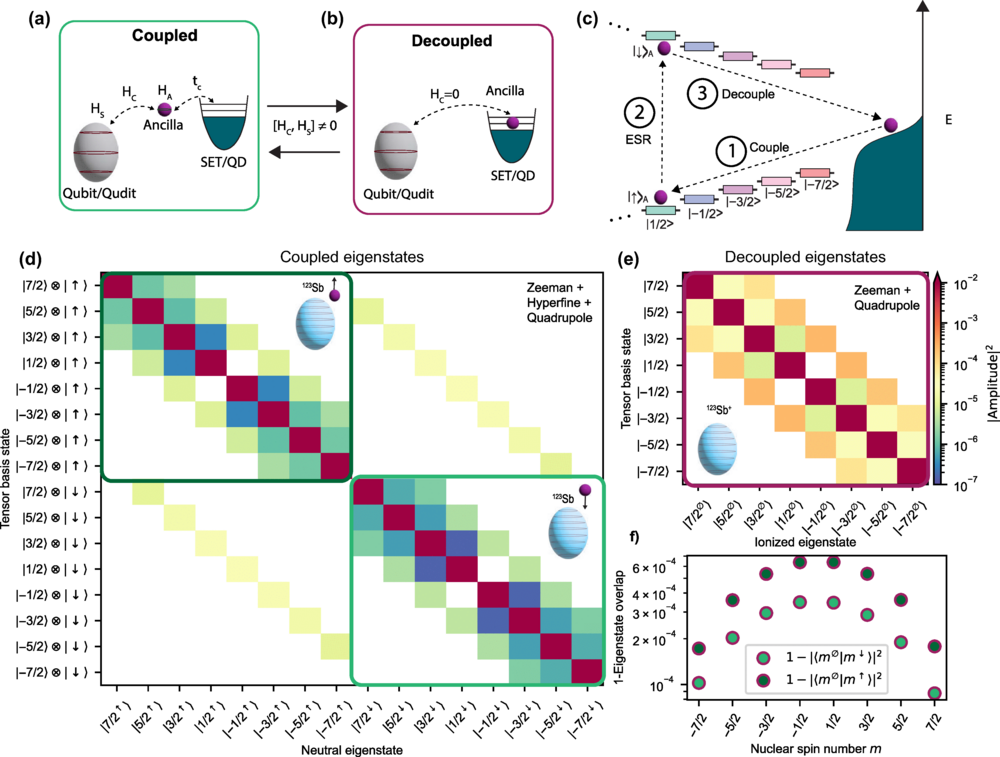
In the real experiment, the “sprinkler” used to test each state is an electron. Scientists can move the electron onto or off the atom depending on its state.
Each movement can disturb the system. In traditional methods, this happens many times during measurement. That repeated disturbance increases the chance of errors.
The new approach changes this pattern. The electron only needs to move once to identify a likely state. After that, the system checks the other states without triggering additional disturbances.
This simple adjustment leads to a major improvement.
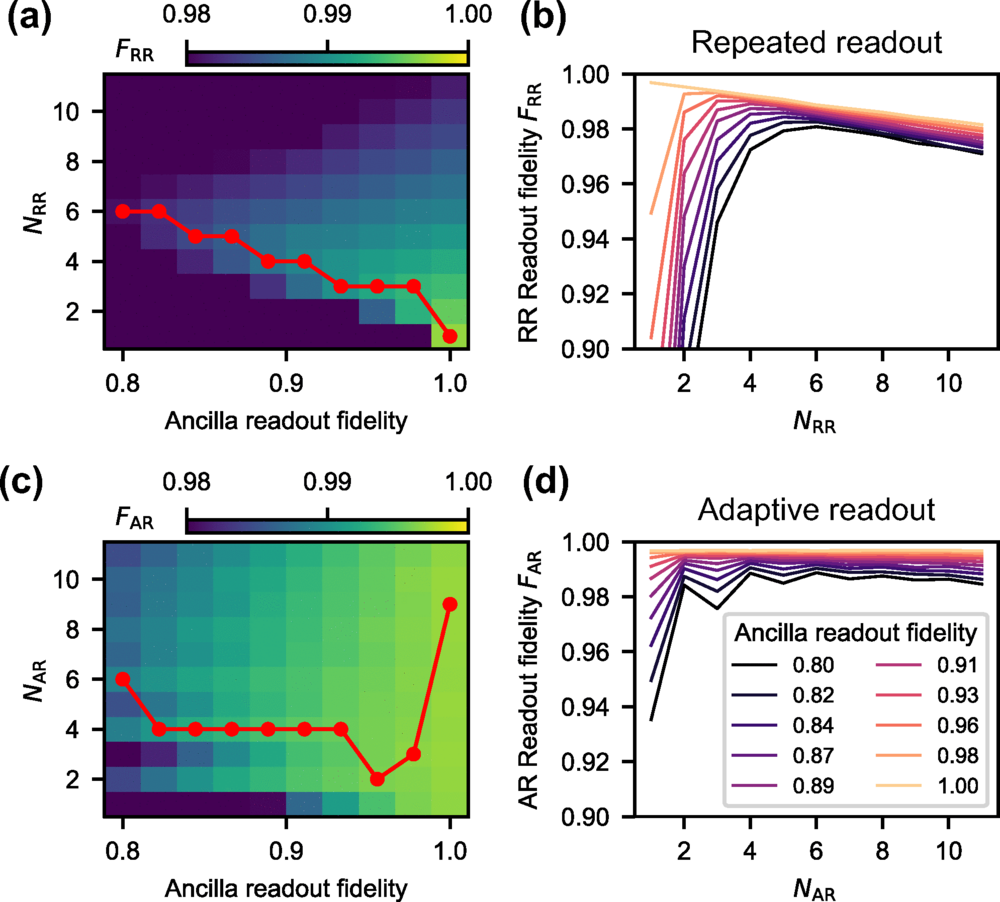
The researchers tested their method on the antimony atom system. The results showed a clear advantage over traditional techniques.
Measurement errors were reduced by more than half. At the same time, the total measurement time dropped to about one third of the original.
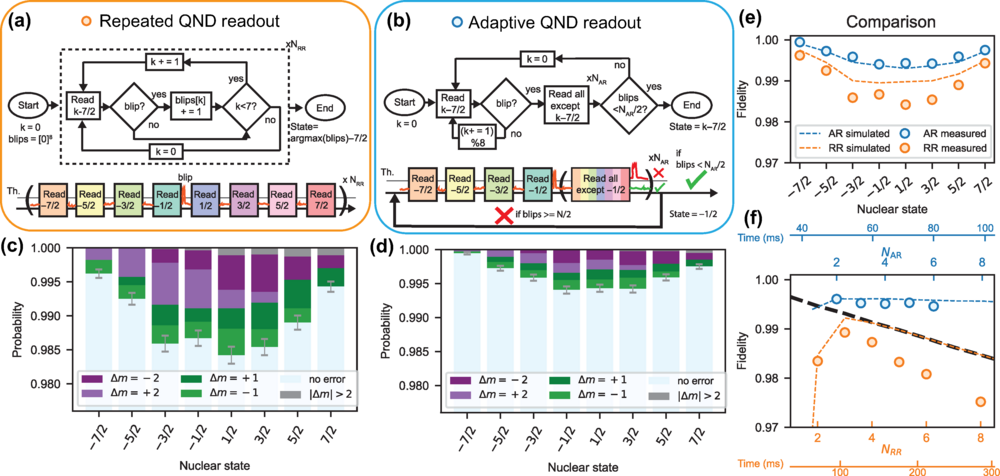
Lead author Arjen Vaartjes said the team achieved a confidence level of 99.61 percent in identifying the correct state.
“This value is significant because it puts our system in the range of measurement fidelities necessary to perform successful quantum error correction,” Vaartjes said.
In quantum computing, even small improvements matter. A fraction of a percent can determine whether a system can correct its own errors or fail entirely.
Quantum computers must detect and fix errors as they occur. This process, known as error correction, depends on repeated measurements.
However, if each measurement introduces new errors, the system cannot keep up. The process becomes self-defeating.
The new method addresses this issue directly. By reducing the number of disruptive measurements, it lowers the overall error rate.
It also speeds up the process, which is critical. Quantum systems can lose their information quickly. Faster measurements leave less time for errors to build up.
Although the study focused on a specific atomic system, the approach has broader potential. Many quantum technologies face similar measurement challenges.
“These systems range from semiconductor qubits to atomic or photonic architectures,” Morello said. “The new protocol can readily be adapted.”
Because the method relies on strategy rather than new hardware, it can be applied widely. Many existing systems already use similar components.
This flexibility makes the discovery especially valuable. It offers a practical way to improve performance without redesigning entire machines.
Large-scale quantum computers remain a goal rather than a reality. One of the main obstacles is maintaining accuracy as systems grow more complex.
The new findings suggest that smarter measurement strategies could help overcome this barrier. By extracting more information with less disturbance, researchers can preserve fragile quantum states.
This progress could support future applications in drug discovery, chemical simulations, and advanced data analysis.
The work also highlights an important shift in thinking. Instead of forcing systems to behave perfectly, scientists are learning to work with their natural limits.
The research shows that a simple idea can have a powerful effect. By stopping early and listening for silence, the team reduced errors and improved efficiency.
The solution required no new materials or complex redesign. It relied on a better understanding of how to gather information without causing harm.
Vaartjes reflected on the effort behind the discovery with a lighter note. “All it took was a fast FPGA, a cup of coffee, a dedicated team of clever researchers and a long Friday afternoon of coding.”
This study offers a clear path toward more reliable quantum computers. By improving measurement accuracy, it helps systems detect and correct errors more effectively. This is essential for building machines that can operate at scale.
The approach could also reduce the cost and complexity of quantum hardware. Since it relies on improved measurement strategies rather than new components, it can be integrated into existing systems. This may accelerate the development of practical quantum technologies.
In the long term, better quantum computers could transform multiple fields. They may enable faster drug discovery, improved climate modeling, and more efficient optimization in finance and logistics. Each of these applications depends on accurate and stable quantum operations.
The findings also encourage a broader shift in research. Scientists may focus more on smarter measurement techniques, rather than only improving hardware. This could lead to new innovations across many types of quantum systems.
Ultimately, the study shows that progress in quantum computing may come from subtle changes. By learning how to observe without disturbing, researchers move closer to unlocking the full potential of quantum technology.
Research findings are available online in the journal PRX Quantum.
The original story “Quantum cat strategy reduces errors and speeds up quantum computing” is published in The Brighter Side of News.
Like these kind of feel good stories? Get The Brighter Side of News’ newsletter.
The post Quantum cat strategy reduces errors and speeds up quantum computing appeared first on The Brighter Side of News.

