A quiet layer of biology is beginning to change how health is understood, and it sits on the surface of nearly every cell in your body. Scientists now say these tiny sugar structures, once ignored, may hold some of the earliest clues to disease.
Researchers at Edith Cowan University have found that glycans, complex chains of sugar molecules, can reveal signs of illness years before symptoms appear. The discovery is pushing a fast-growing field called glycomics into the spotlight and raising the possibility of earlier, more personalized care.
“Glycans aren’t just sitting there. They’re actively controlling how our immune system works and how diseases develop,” said Wei Wang, who leads the Suboptimal Health and Glycomics group at the Centre for Precision Health. “We’re finally seeing clear patterns, and it’s a game changer.”
For decades, research focused on genes and proteins. Those systems offered clear rules and tools for study. Glycans, by contrast, remained difficult to measure and easy to overlook.
These sugar chains attach to proteins and cell surfaces across the body. They help control how cells communicate and how the immune system reacts. They also adjust how proteins behave in real time.
Unlike DNA, which stays mostly fixed, glycans constantly change. Diet, stress, hormones, and even early disease can reshape them. That makes them a living record of what is happening inside your body.
This flexibility is what makes glycans so powerful. They act like fine-tuners, adjusting biological systems without altering genetic code. In many ways, they reflect the body’s current state better than genes ever could.
The reason glycans stayed hidden for so long comes down to complexity. Each protein can carry many different sugar structures. Some differ only in shape, yet behave in very different ways.
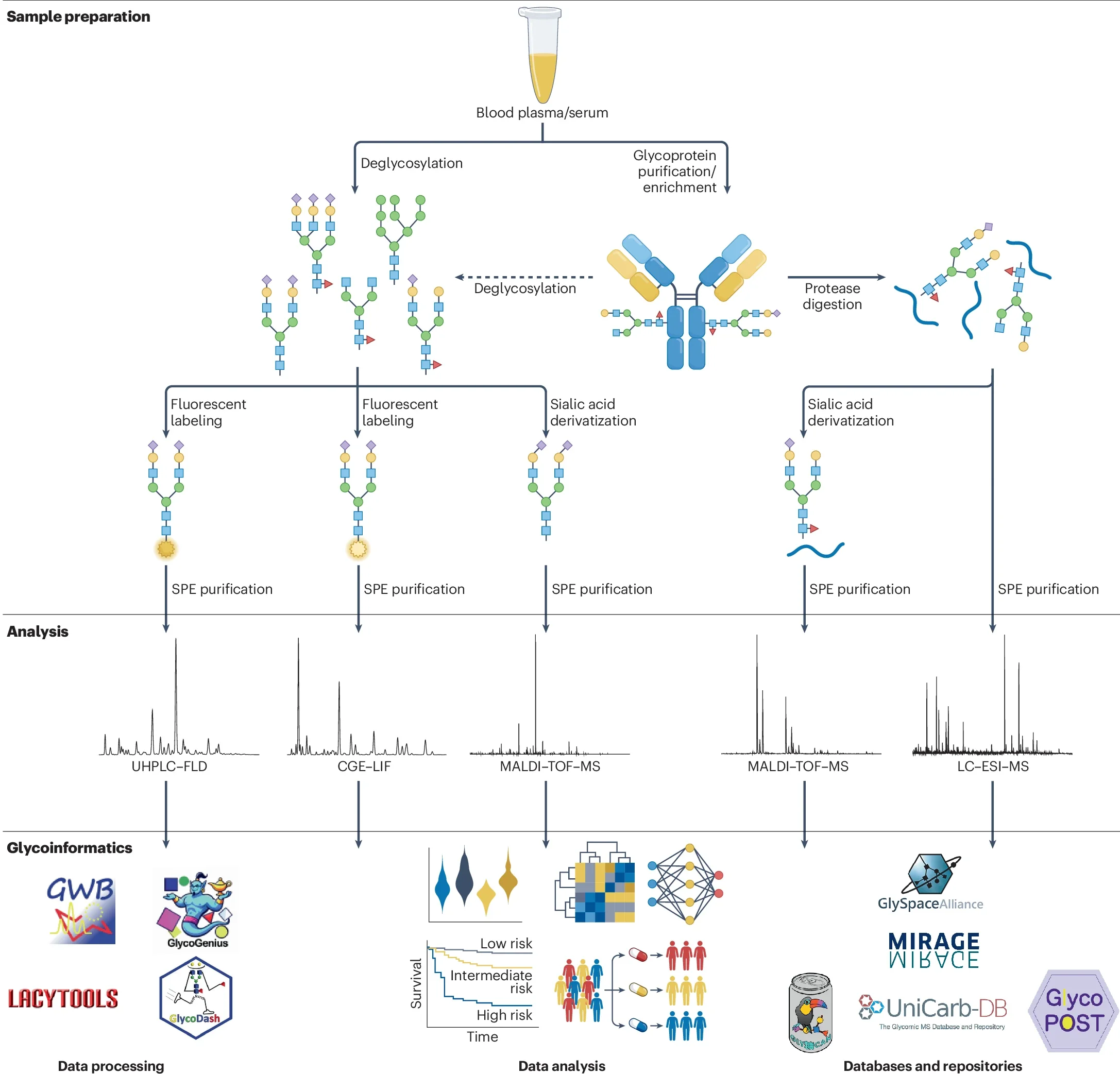
Until recently, scientists lacked the tools to sort through that detail. That is now changing. New lab methods allow researchers to measure thousands of samples at once.
Modern techniques use tools like mass spectrometry and advanced separation methods to map glycan patterns. Software then helps identify structures and compare results across large groups.
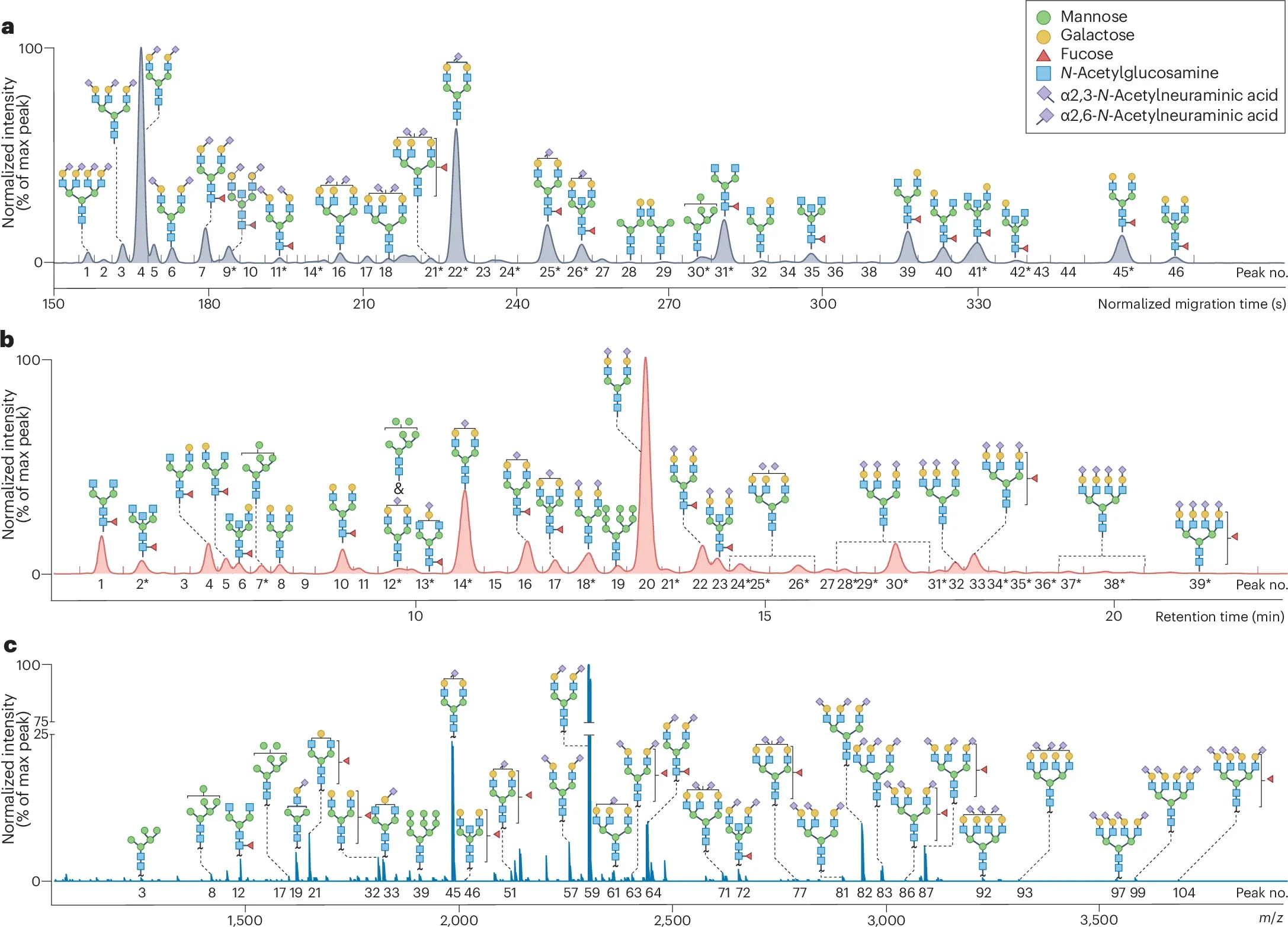
These advances have made glycomics more reliable. They also allow researchers to track patterns across populations and over time.
Still, challenges remain. Small changes in lab methods can lead to different results. Scientists are now working toward shared standards to ensure consistency.
Global collaborations are building common databases and guidelines. These efforts aim to make glycomics as dependable as fields like genetics.
Glycans are not simple markers. Their diversity creates both promise and difficulty. A single change in structure can alter how a molecule behaves.
Some glycans share the same components but differ in arrangement. These subtle differences can be hard to detect. Researchers must combine lab work with advanced computing to make sense of the data.
Even with better tools, much of the glycan landscape remains unexplored. Most studies focus on one major type, known as N-glycosylation. Other forms still require specialized methods and remain less understood.
Glycomics also does not exist alone. It interacts with genes, proteins, and environmental factors. Combining these layers of data could offer a fuller picture of health, though doing so remains complex.
The most striking finding is how early glycan changes appear. In some cases, patterns in blood can signal disease risk years before diagnosis.
The ECU study found that certain glycan profiles can predict type 2 diabetes up to a decade in advance. That kind of lead time could reshape how medicine works.
“This flips medicine on its head,” Wang said. “Instead of waiting for people to get sick, we could spot the risk early and step in sooner.”
Glycans also show promise in diagnosing other conditions. Changes in their structure can help distinguish between liver diseases, including fibrosis, cirrhosis, and cancer.
In immune disorders, glycan patterns often reflect inflammation levels. Conditions like Crohn’s disease and ulcerative colitis show consistent shifts in glycosylation.
Infections can alter glycans as well. Severe illness may change the structure of antibodies, affecting how the immune system responds.
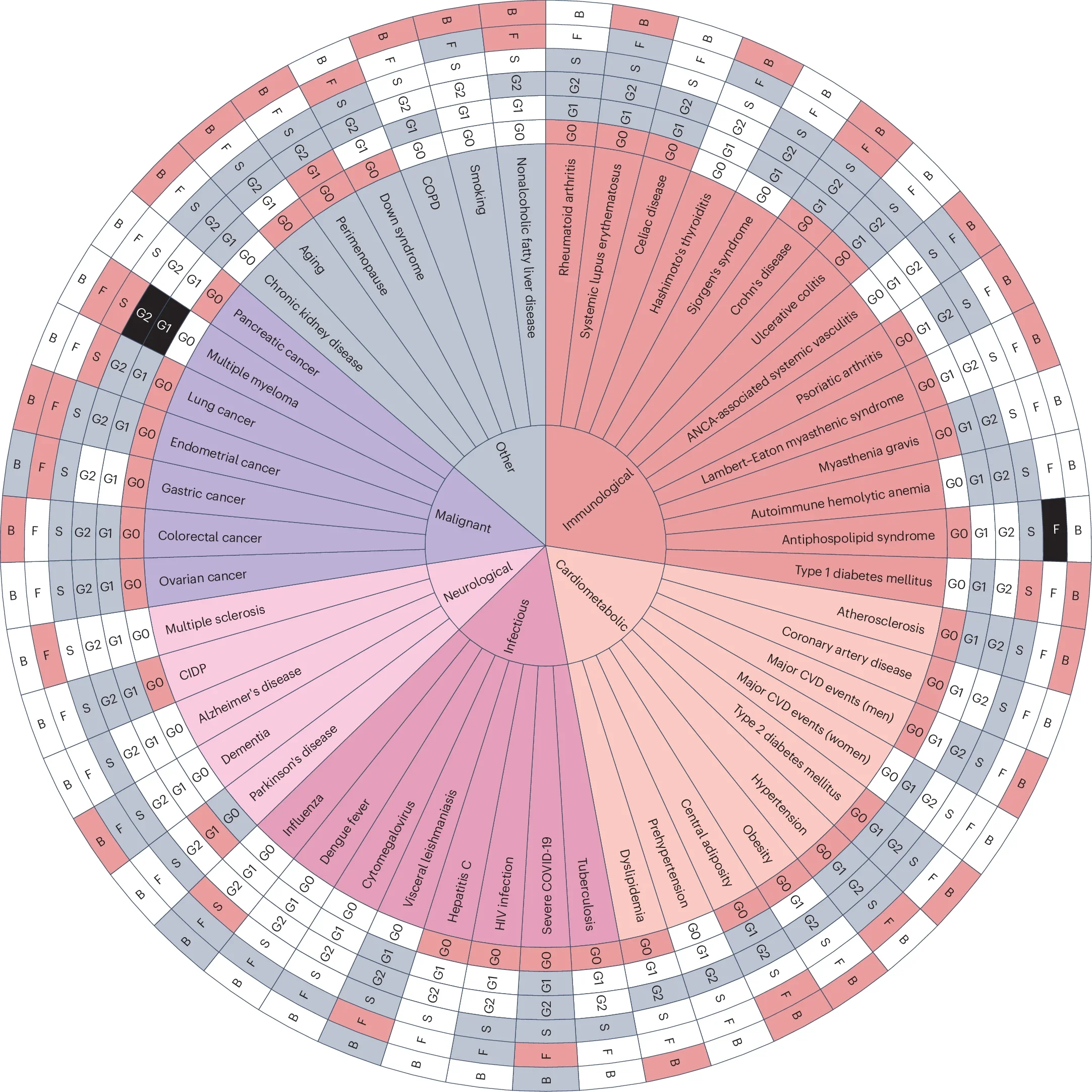
These findings suggest glycans are not just passive markers. They actively shape how disease develops and progresses.
Because glycan patterns respond to many influences, they are deeply individual. Genetics, lifestyle, and environment all play a role.
This makes them ideal for personalized medicine. A simple blood test could one day reveal your unique risk profile and guide treatment decisions.
“The glycome gives us a live window into how the body is changing,” Wang said. “DNA can’t do that.”
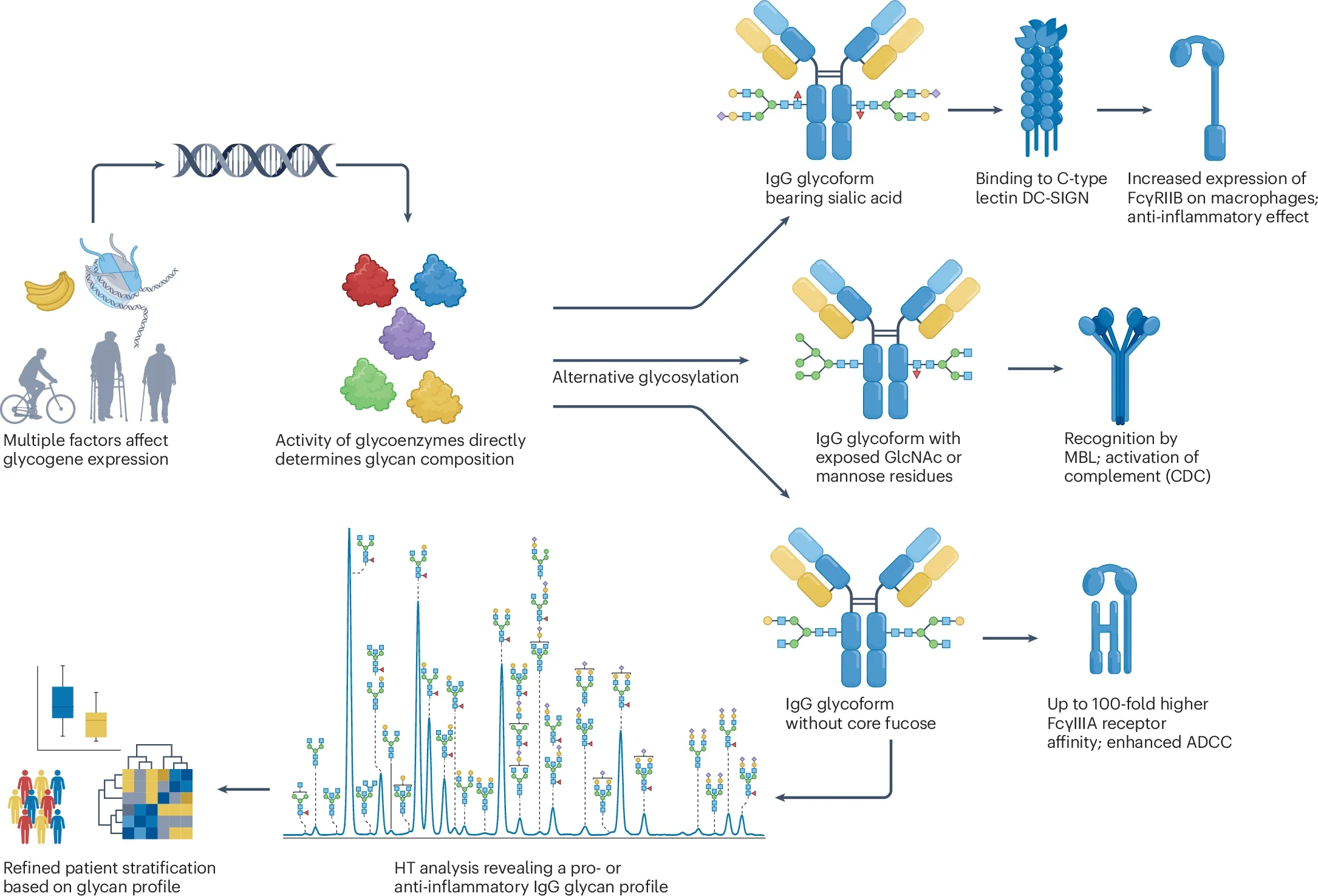
Researchers are also exploring how glycans can improve therapies. One well-studied example involves immunoglobulin G, an important immune protein.
Its sugar structures affect how strongly it interacts with immune cells. Adjusting these glycans can enhance or reduce its activity, a strategy already used in some drug development.
One of the most hopeful aspects of glycans is how quickly they can shift. Unlike genetic traits, they respond to everyday choices.
Weight loss has been linked to healthier glycan profiles. In some cases, it can reverse patterns tied to inflammation.
Regular exercise also plays a role, often promoting more balanced immune responses. However, intense activity can cause short-term changes in the opposite direction.
Medications and hormones influence glycans as well. Some treatments can restore healthier patterns, while others have limited impact.
This responsiveness means glycans could help track progress over time. Doctors may one day use them to measure how well a treatment is working.
Despite the excitement, researchers caution that more work is needed. Many studies remain small, and larger, long-term research is essential.
Tracking glycan changes over years will help confirm early findings. Better study design and stronger statistical methods are also needed to avoid false results.
Standardization remains a key goal. Without consistent methods, comparing studies can be difficult.
Even so, momentum is building. Advances in technology and collaboration are accelerating progress. Scientists are now exploring how to integrate glycomics with other biological data.
The aim is a more complete view of human health, one that captures both stable traits and real-time changes.
“We’re at a turning point. If we get this right, it could transform how we diagnose and treat disease,” Wang said.
This research could reshape how disease is detected and managed. By identifying risk years earlier, doctors could intervene before symptoms appear. That shift could reduce the burden of chronic illness and improve long-term outcomes.
Glycan testing may also enable more precise treatments. Instead of using a one-size-fits-all approach, care could be tailored to each person’s biological profile. This could improve effectiveness and reduce side effects.
The ability to track glycan changes over time offers another advantage. Doctors could monitor how patients respond to treatment and adjust care more quickly. This real-time feedback could lead to better results and more efficient healthcare.
Beyond medicine, the findings highlight the role of lifestyle in shaping health at a molecular level. Choices related to diet, exercise, and stress may directly influence glycan patterns, offering people more control over their health.
As research expands, glycomics may become a key part of routine care. While challenges remain, its potential to improve early detection, personalize treatment, and deepen understanding of disease could benefit millions.
Research findings are available online in the journal Nature Chemical Biology.
The original story “Scientists discover sugar molecules that predict disease years early” is published in The Brighter Side of News.
Like these kind of feel good stories? Get The Brighter Side of News’ newsletter.
The post Scientists discover sugar molecules that predict disease years early appeared first on The Brighter Side of News.

