A dinosaur could tower over a house, yet even the smallest known non-bird species never shrank to mouse size. That missing lower limit may reveal a forgotten evolutionary rivalry.
An analysis in the journal Evolution suggests physiology alone cannot explain why non-avian dinosaurs stayed unusually large. Competition with small mammals may have blocked them from occupying the tiniest body-size ranges.
Scientists at the American Museum of Natural History and Princeton University used mathematical models to compare mammals, birds, turtles, lizards, snakes, crocodilians, and non-avian dinosaurs.
“Everyone loves a giant dinosaur,” said Roger Benson, the Macaulay Curator of Dinosaur Paleobiology at the Museum. “But we decided to look at the other end of the scale. The absence of tiny dinosaurs may be just as interesting as the existence of giant ones. We already knew that dinosaurs prevented mammals from evolving to large sizes before the end-Cretaceous mass extinction. Here we suggest that mammals in turn prevented dinosaurs from evolving to small sizes.”
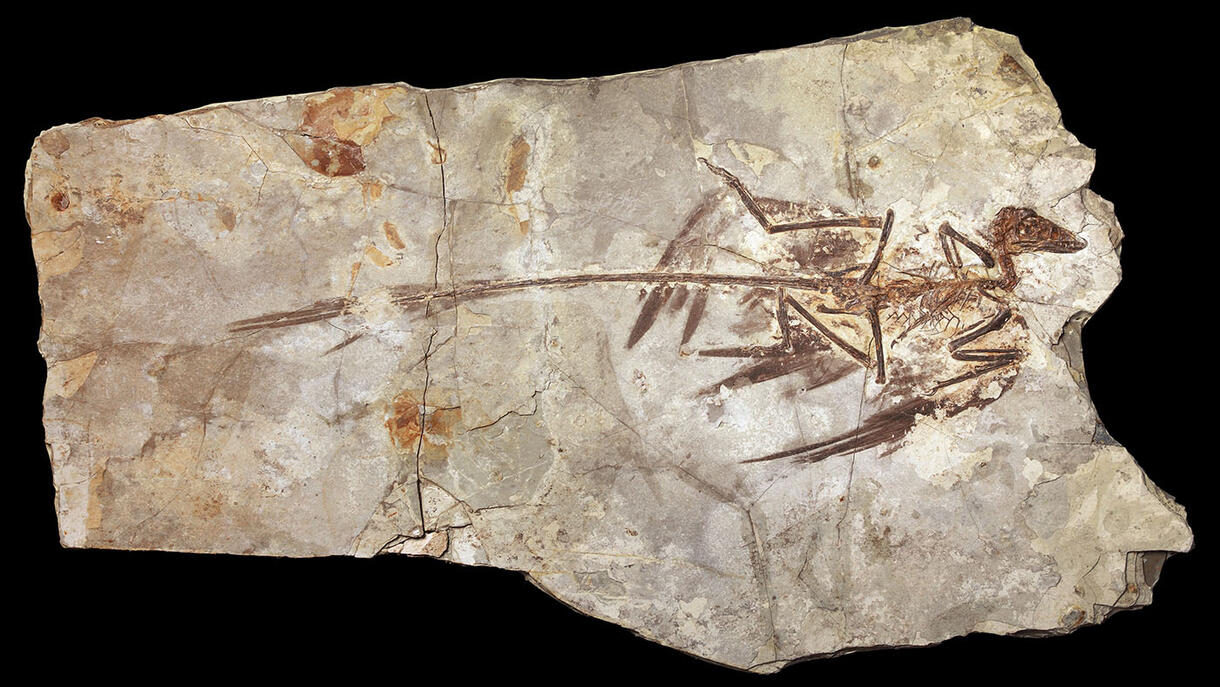
The largest dinosaurs weighed more than 80 tons. The smallest known non-avian dinosaurs weighed about 400 to 450 grams, close to one pound.
That limit looks enormous beside modern vertebrates. The bee hummingbird weighs 1.75 grams, the Etruscan shrew about 1.8 grams, and the dwarf gecko only 0.15 grams.
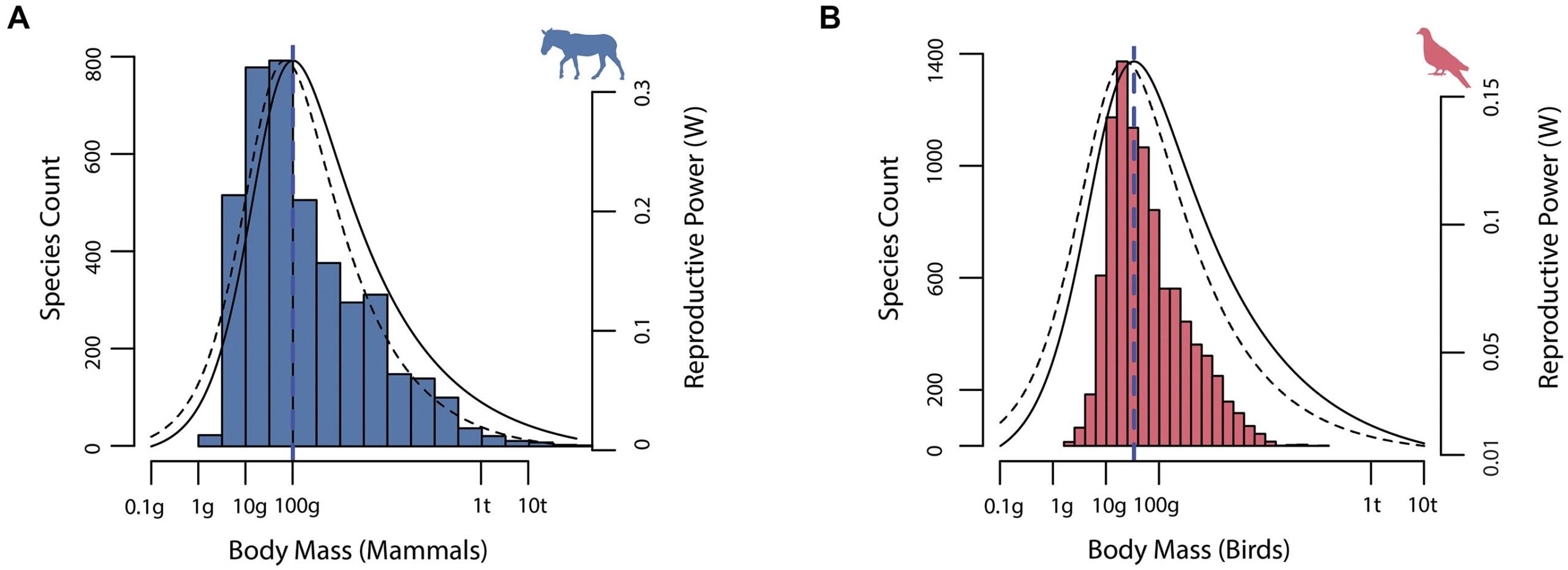
Roughly 75 percent of living mammal species and 90 percent of bird species are smaller than the smallest known non-avian dinosaurs.
“Small animals dominate modern ecosystems,” said lead author Stephanie Lechki, a Princeton postdoctoral fellow. “If we want to understand how today’s biodiversity evolved, we need to understand why tiny dinosaurs appear to have been missing.”
The fossil record might seem like the simplest explanation. Tiny animals are harder to preserve and discover.
Yet deposits containing dinosaurs also preserve much smaller mammals, lizards, amphibians, and other vertebrates. The Jehol Group in China and Djadokhta Formation in Mongolia contain abundant small-bodied animals, but no adult non-avian dinosaurs weighing about 100 to 300 grams.
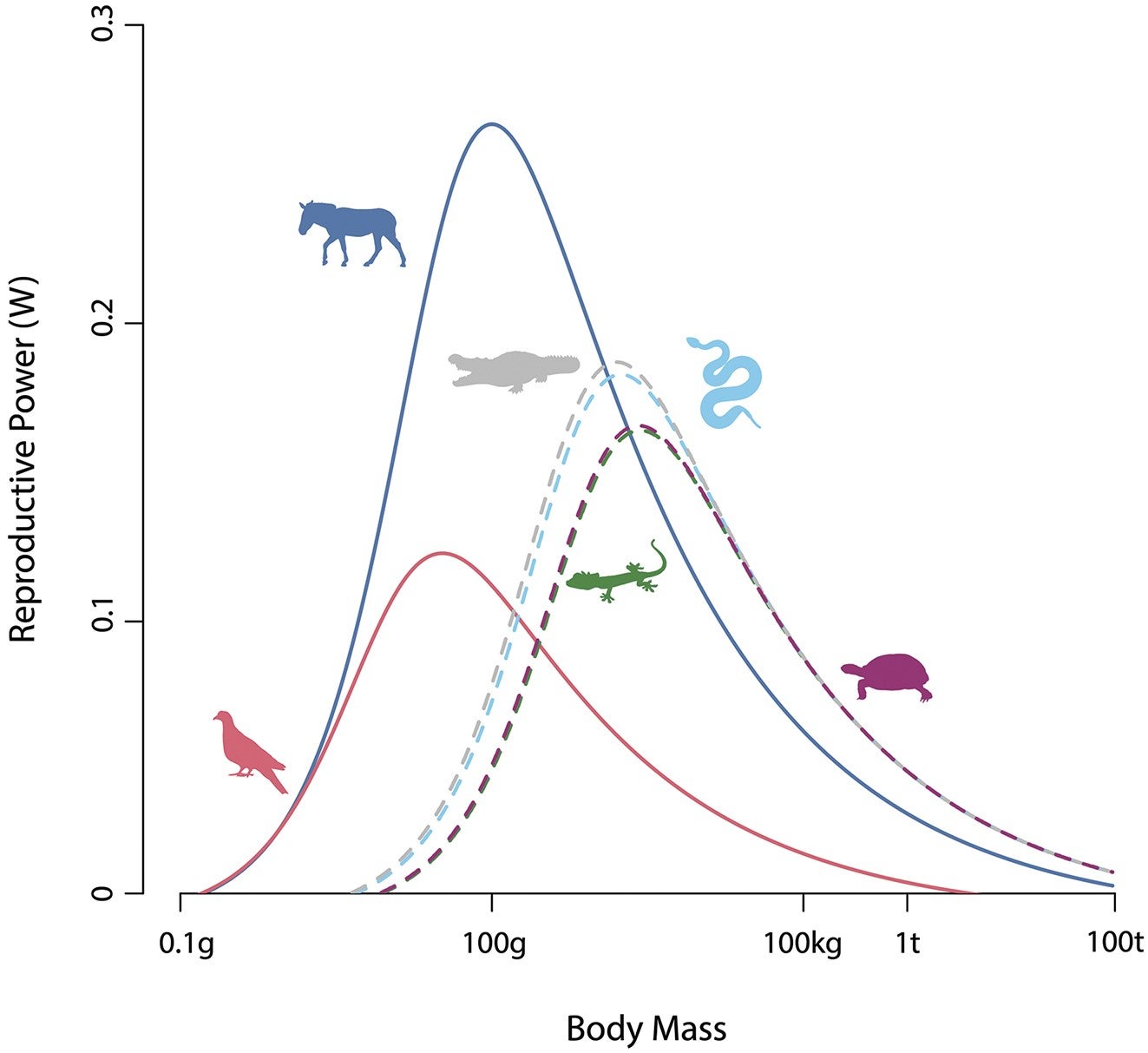
The team tested a model based on how animals gain energy and convert it into offspring. Natural selection should favor sizes that maximize this reproductive output.
Small species convert resources efficiently but may struggle to acquire enough energy. Large species gather resources effectively but convert them into offspring less efficiently. The balance creates a predicted optimal size.
The model closely matched mammals and birds. It predicted optima near 100 grams for mammals and 33 grams for birds, close to each group’s most common size.
It also performed relatively well for turtles, predicting 2.58 kilograms against an observed modal mass of 1.23 kilograms.
The fit broke down elsewhere. Lizards had a predicted optimum of 2.68 kilograms, far above their observed modal mass. For snakes, the prediction was 1.71 kilograms, compared with 0.38 kilograms.
Crocodilians showed the reverse pattern. Their predicted optimum was 1.59 kilograms, smaller than any living species, while their observed modal mass approached 295 kilograms.
These mismatches point toward competition, predation, habitat, and available niches.
The global dinosaur record favors larger animals. Small skeletons disappear more easily, while large fossils are easier to find.
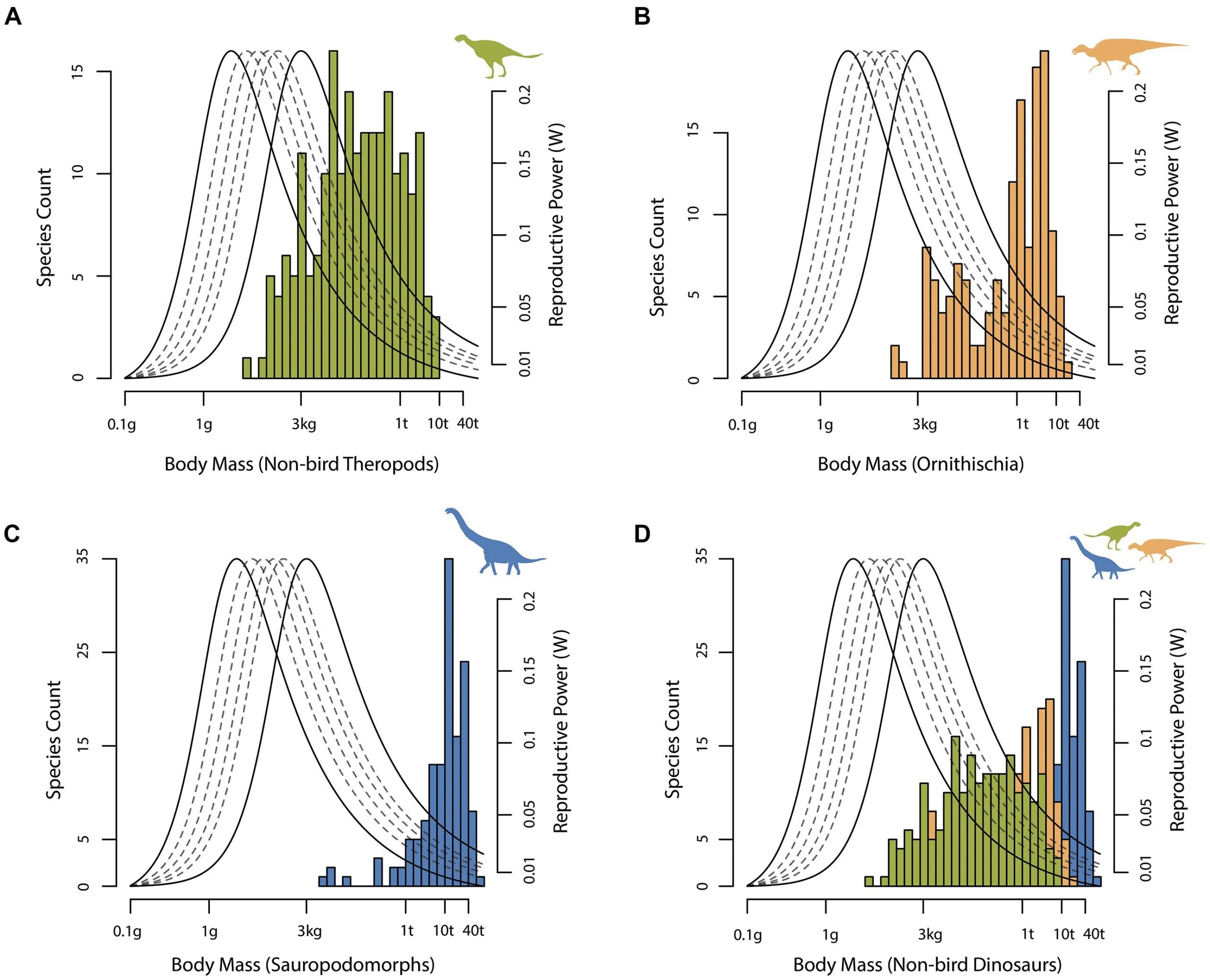
That bias helps explain why global dinosaur data lean toward giants. Even when researchers adjusted the model to favor larger bodies, it produced an optimum of about 3 kilograms.
Canada’s Dinosaur Park Formation had a modal size near 178 kilograms. Hell Creek reached about 4,780 kilograms, but both favor large fossils.
Better-preserved sites came closer to the model. The Djadokhta Formation had a modal dinosaur size near 0.76 kilograms, while the Jehol Group reached about 34 kilograms.
Those results suggest many small dinosaurs near the 3-kilogram range may remain undiscovered.
Still, the lowest size gap persisted. Adult non-avian dinosaurs below roughly 300 grams remain absent, even where similarly sized vertebrates survived as fossils. The model repeatedly predicted dinosaurs between 100 and 300 grams, making preservation alone an unlikely answer.
The researchers propose that ecological competition pushed dinosaurs away from the smallest sizes.
Early mammals occupied many small-bodied roles during the Mesozoic. Juvenile dinosaurs may also have competed for some of the same resources.
This creates a two-way evolutionary picture. Dinosaurs may have prevented mammals from becoming large before the end-Cretaceous extinction, while mammals limited dinosaurs at the opposite end.
The proposal remains a hypothesis. The analysis does not directly demonstrate competition.
Birds add another clue. Although they evolved from dinosaurs, their body sizes dropped rapidly during the Early Cretaceous. Modern birds include species far smaller than any adult non-avian dinosaur.
“The ability to fly may have opened entirely new ways of life,” Lechki said. “Once birds entered those new ecological niches, they were free to evolve body sizes that had simply not been possible for other dinosaurs.”
Flight may have released early birds from competition and predation pressures affecting their ancestors. Airborne niches then allowed energetic factors to shape a much smaller size range.
The findings give paleontologists a clearer target. Fossil sites may still contain undiscovered species near 3 kilograms, where preservation bias remains important.
The work also shows that physiology cannot always explain body size. Ecological pressure can redirect evolution even when energy-based models predict other possibilities.
Future fossils and closer comparisons among mammals, juvenile dinosaurs, and early birds could test whether competition closed the smallest niches. That evidence may clarify how flight changed dinosaur evolution and why tiny vertebrates dominate modern ecosystems.
Research findings are available online in the journal Evolution.
The original story “Scientists discover why tiny dinosaurs never roamed the Earth” is published in The Brighter Side of News.
Like these kind of feel good stories? Get The Brighter Side of News’ newsletter.
The post Scientists discover why tiny dinosaurs never roamed the Earth appeared first on The Brighter Side of News.


Leave a comment
You must be logged in to post a comment.