Plants face a hard choice whenever disease strikes. They can defend themselves, or they can keep growing at full strength. A new study from Colorado State University suggests that choice may not always need to be so painful.
Researchers found a way to boost plant growth while keeping immunity strong in Arabidopsis thaliana, a small mustard-family plant widely used in biology research. The findings could one day help scientists design crops that resist disease without losing yield.
The work focuses on plant hormones, the chemical signals that help plants respond to stress, pests and changing conditions. By adjusting one hormone pathway, the team helped immune-activated plants grow better and defend themselves more effectively.
Plants have immune systems, much like people do. They can sense threats such as disease-causing microbes and activate defenses that help them survive.
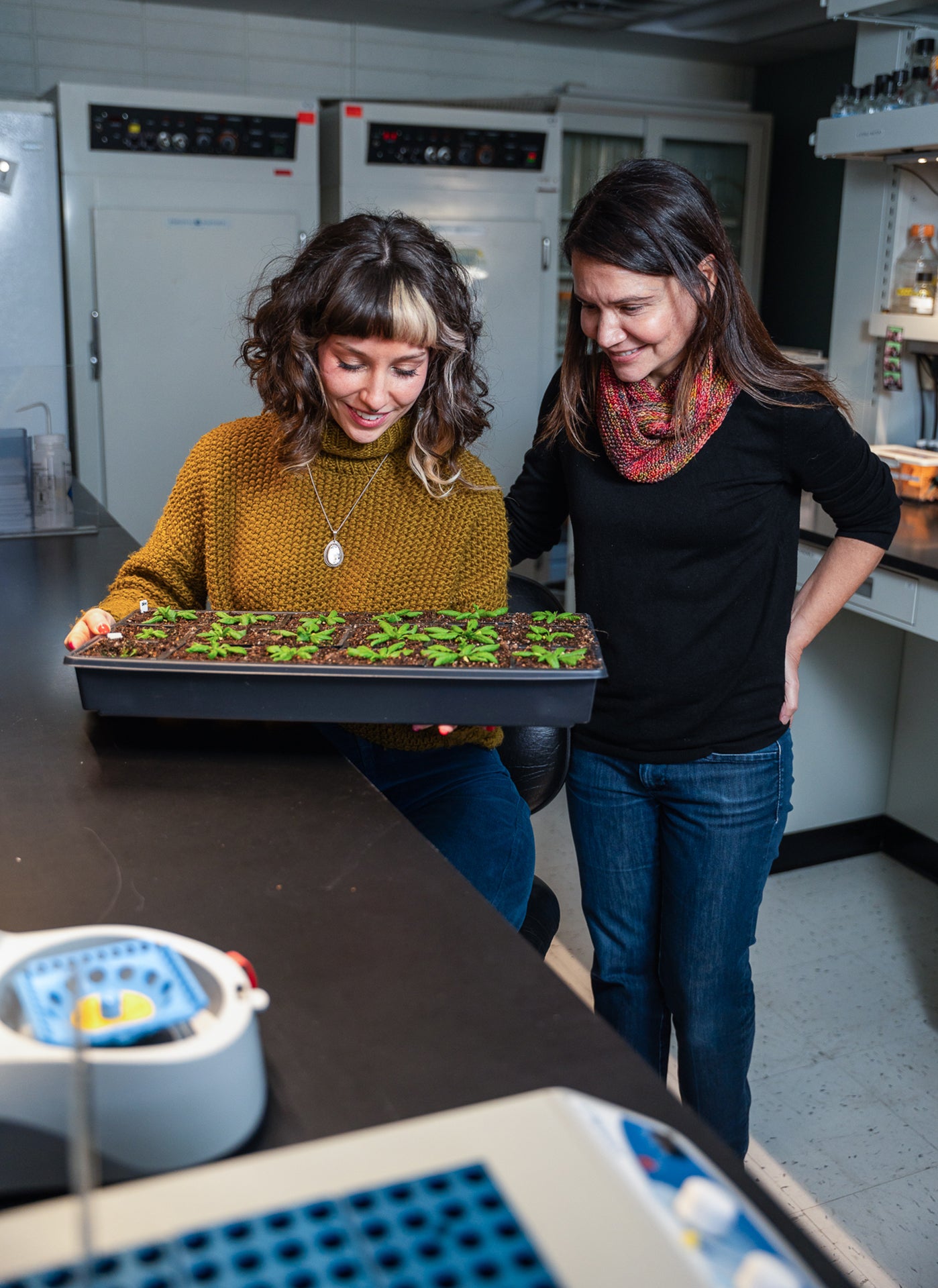
But those defenses come with a cost. When immunity turns on, growth often slows. For a wild plant, that tradeoff may help it survive. For a food crop, it can mean smaller harvests.
A plant facing disease produces chemical signals that protect it from harm. At the same time, those signals can suppress the growth needed for leaves, seeds and yield.
This long-standing problem is known as the growth-defense tradeoff. Farmers need plants that can resist pathogens, but they also need plants that remain productive.
The CSU team sees this work as a possible step toward more secure food production. If crops can defend themselves without major yield loss, farmers may need fewer chemical inputs.
“Only time will tell once it’s integrated into crops what effect this will have, but it does have the potential to be as big of a breakthrough as the Green Revolution 60 years ago in terms of food security,” said Cris Argueso, an associate professor in CSU’s Department of Agricultural Biology and senior author of the study.
The Green Revolution changed global agriculture after Norman Borlaug developed high-yield wheat varieties. Those crops helped prevent famine and earned Borlaug a Nobel Peace Prize.
But that revolution also brought heavy use of fertilizers and pesticides. Argueso hopes this approach could support a cleaner version.
“We want to create crop plants that can defend really well against pathogens but don’t have a yield penalty, which is the dream for farmers,” Argueso said. “We joke that this is the ‘green’ Green Revolution.”
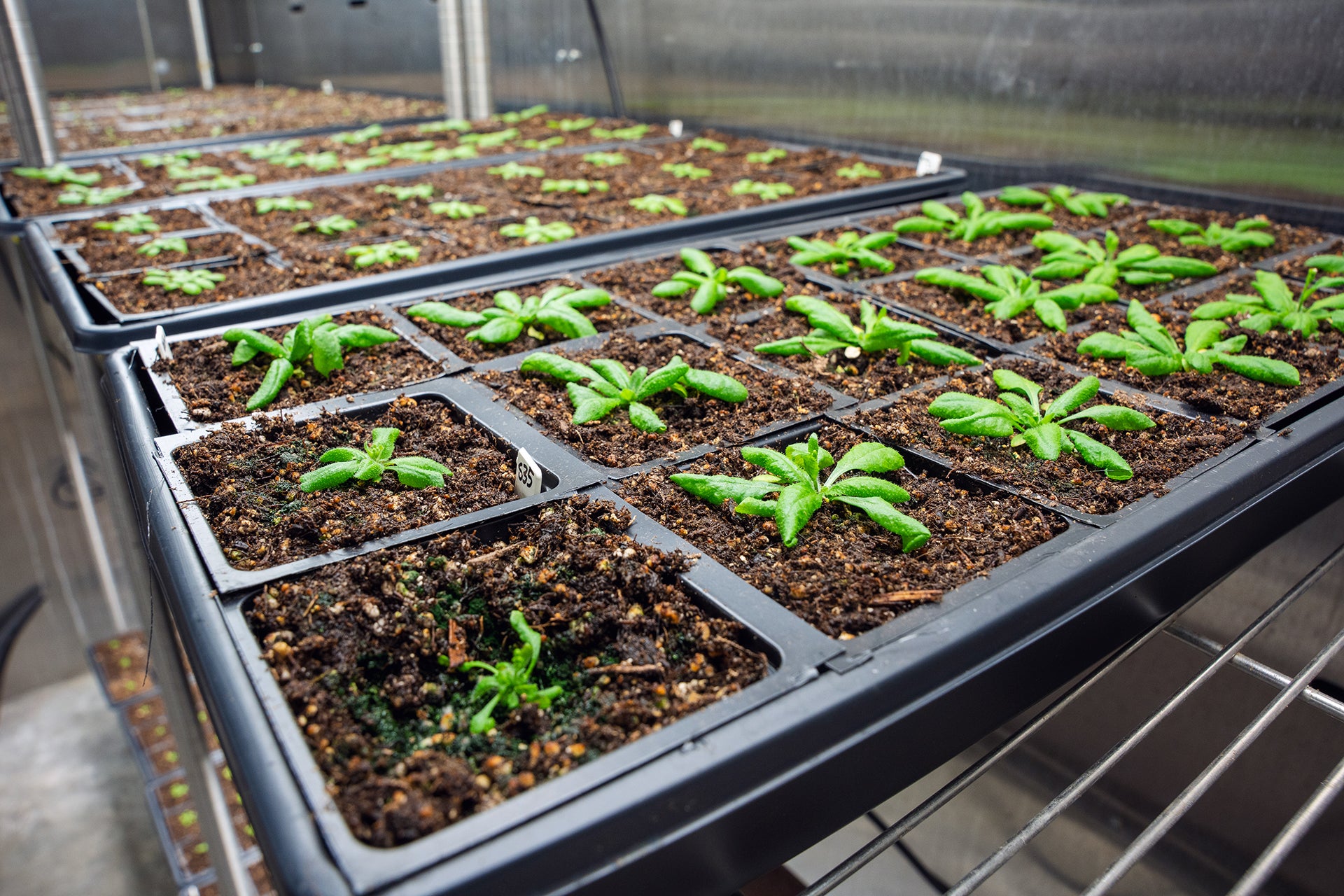
Argueso calls plant hormones the plant’s “chemical brain.” These signals help plants interpret the world around them and decide how to respond.
One key hormone group is cytokinins. These hormones help control cell division, plant development and growth. They also play roles in stress responses and nutrient signaling.
When plants face pests or disease, cytokinin signaling can drop. That helps explain why immune activation often comes with weaker growth.
The researchers studied Arabidopsis thaliana plants with an autoimmune mutation. These plants behave as if their immune systems stay switched on.
That makes them useful for science. They show what happens when defense stays active, even without a real infection.
In these autoimmune plants, the team found that constant immune activation suppressed cytokinin signaling. That suppression harmed growth and productivity.
The scientists then restored cytokinin levels. This changed the plant’s internal hormone balance and restarted growth without weakening defenses.
In fact, the engineered plants became even more resistant to disease. That result matters because it challenges the idea that growth and defense must always work against each other.

The plants improved through changes in meristem activity. Meristems are growth zones where plant cells divide and produce new tissues.
Healthy meristems help plants make leaves, flowers and seeds. By restoring cytokinin signaling, the researchers helped those growth centers keep working.
The study found benefits against pathogens with different lifestyles. Some pathogens feed on living plant tissue. Others kill plant tissue and feed on the dead material.
Plants usually use different defense strategies against these threats. Helping defend against both types is especially valuable.
That suggests the hormone adjustment did not simply trade one defense pathway for another. Instead, it helped the plant maintain broad immunity while reducing the growth penalty.
The work also involved other hormone pathways, including salicylic acid and jasmonic acid. These signals help plants respond to different kinds of attack.
The key idea is hormone crosstalk. Plant hormones communicate with each other, and that communication shapes growth, immunity and survival.
Traditional crop improvement often requires researchers to find specific genes tied to desired traits. That process can take years and may involve mapping large parts of the genome.
Argueso said their approach may offer a simpler route. Instead of hunting for one responsible gene, the team adjusted the plant’s chemical signaling balance.
She compares the idea to how a doctor might prescribe a pill to correct a chemical imbalance. In plants, the goal is to restore a signal that defense had suppressed.
The approach still involves genetic manipulation in the study. But the target is a broad hormone response, not one narrow trait gene.
Argueso expects the mutations developed by her team could remain useful in agriculture for decades.
“We are exploring collaborations with breeding programs across the world, so this can be tested in different regions with all sorts of crops,” Argueso said. “If these mutations have the potential that we think they do, we would like them to be used everywhere.”
The work remains in an early stage because Arabidopsis is not a major food crop. It is a model plant, valued because scientists understand it well.
The next challenge is testing the idea in wheat, corn and soybeans. Those crops matter deeply for global food supply.
Crop plants grow in tougher and more varied conditions than lab plants. They face drought, heat, soil stress, pests and many diseases at once.
That means the hormone strategy must prove itself beyond controlled experiments. It must work across regions, climates and farming systems.
Still, the study gives researchers a clear target. If crops show the same cytokinin suppression during immune activation, scientists may have a new way to protect yield.
The study was funded by the National Science Foundation and led by Grace Johnston. She began the project as a student in Argueso’s lab.
Johnston joined the lab as an undergraduate biology student. She later wrote the paper as her master’s thesis and now works as a research associate there.
“I did not know I wanted to do plant science,” said Johnston, who credits Argueso’s mentoring for her achievement and love of plant biology. “By the time I was done with my undergrad degree, we still didn’t know enough about these plants, and I just couldn’t let it go.”
Johnston received fellowships from the National Science Foundation and the American Society of Plant Biologists. She said the project shows how student research can grow into meaningful discovery.
“This is a CSU research success story,” Johnston said. “Cris took me on when I didn’t know anything about science, and here we are eight years later, and we have the opportunity to actually impact food security.”
These resources provide directly relevant context on cytokinin signaling, hormone crosstalk and efforts to reduce the growth-defense tradeoff.
Immune activation suppresses reproductive growth in Arabidopsis through cytokinin signaling: This is the underlying mechanistic study showing that constitutive immunity suppresses cytokinin signaling and that restoring the pathway can improve yield-related growth and pathogen resistance. (Current Biology, 2026)
More than growth: Phytohormone-regulated transcription factors controlling plant immunity, plant development and plant architecture: This review examines how hormone-controlled transcription factors connect immune responses with growth and plant architecture, highlighting possible agricultural targets. (Current Opinion in Plant Biology, 2022)
Understanding the molecular mechanisms of trade-offs between plant growth and immunity: This review summarizes transcriptional, post-transcriptional and protein-level mechanisms that regulate growth-defense tradeoffs and their implications for crop breeding. (Science China Life Sciences, 2020)
Cytokinin action in response to abiotic and biotic stresses in plants: Researchers review how cytokinin signaling interacts with drought, temperature, nutrient stress and plant pathogens while influencing growth-defense decisions. (Plant, Cell & Environment, 2019)
Should I fight or should I grow now? The role of cytokinins in plant growth and immunity and in the growth-defence trade-off: This foundational review explains why cytokinin sits at the intersection of development and plant immunity and anticipated its use for reducing defense-related growth costs. (Annals of Botany, 2017)
Research findings are available online in the journal Current Biology.
The original story “Scientists find a way to boost plant grow without sacrificing immunity” is published in The Brighter Side of News.
Like these kind of feel good stories? Get The Brighter Side of News’ newsletter.
The post Scientists find a way to boost plant grow without sacrificing immunity appeared first on The Brighter Side of News.


Leave a comment
You must be logged in to post a comment.