Life in the wild often comes down to survival, and for many species, survival depends on others. A new global study suggests that mammals that live with partners or groups tend to live longer than those that live alone, offering fresh insight into how behavior shapes lifespan.
The research, led by Associate Professor Owen R. Jones at the University of Southern Denmark, analyzed more than 1,400 mammal species. It found that social living, whether in pairs or groups, is linked to longer life. However, the benefits appear to level off once species move beyond living in pairs.
Scientists have long known that larger animals tend to live longer than smaller ones. Elephants, for example, outlive mice by decades. This pattern reflects differences in predation risk and how species allocate energy.
Bigger animals face fewer threats, so they can invest more in maintenance and repair. This helps extend their lifespan.
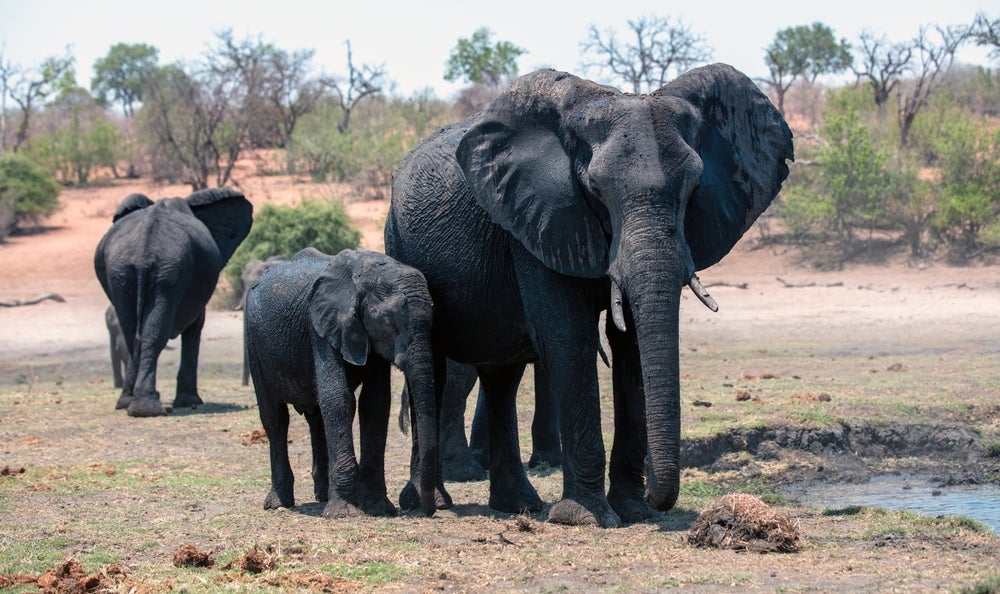
The new study shows that social behavior adds another layer to this pattern. According to Owen R. Jones, “Bigger animals live longer than small, but being social seems to pull species upward from the average lifespan expected for their body size.”
This means that social life can boost longevity beyond what size alone predicts.
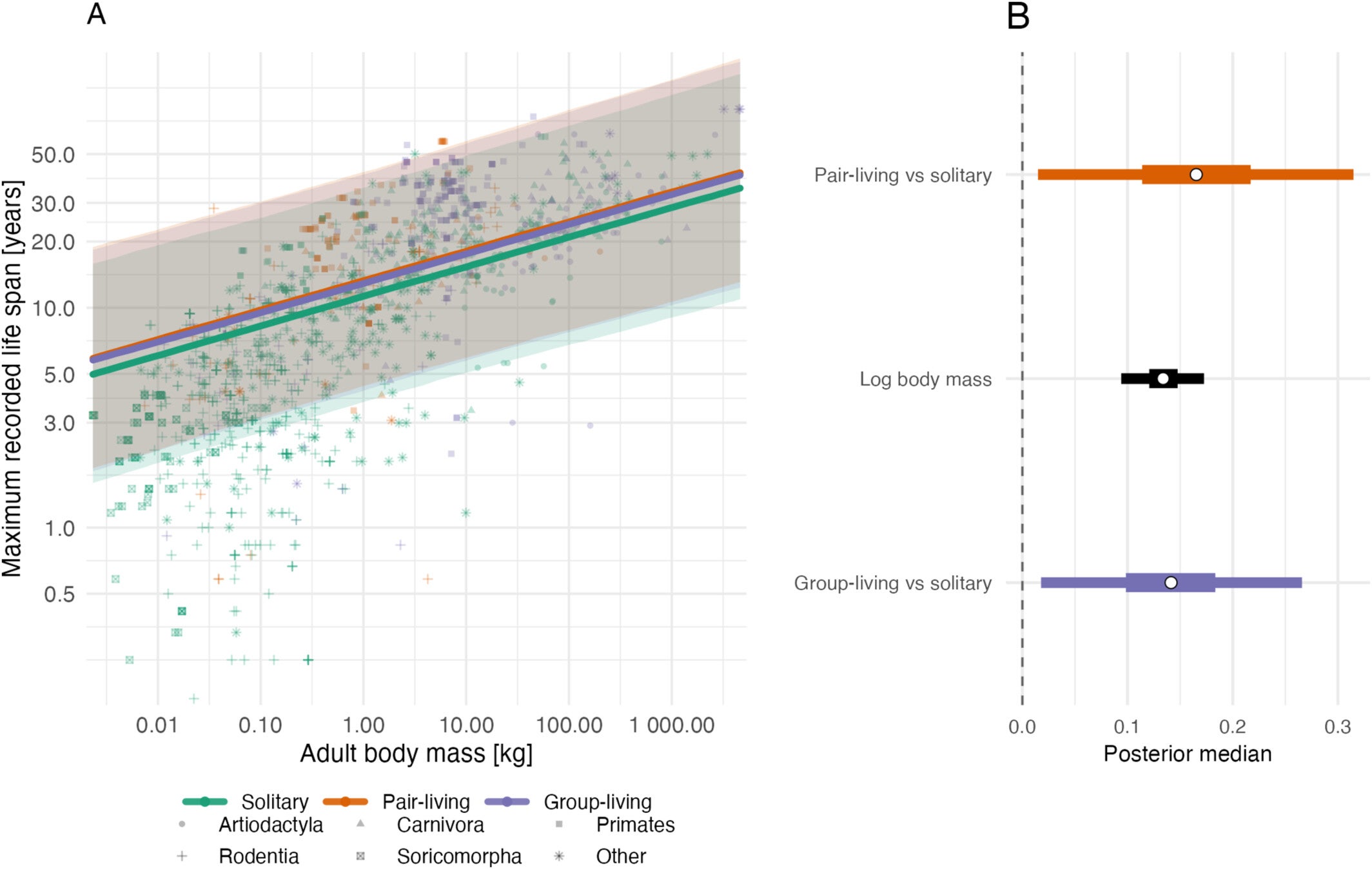
To explore this link, researchers gathered data on lifespan, body mass, and social behavior. They grouped species into three categories: solitary, pair-living, and group-living.
The results revealed a clear pattern. Mammals that live in pairs or groups tend to live longer than those that live alone.
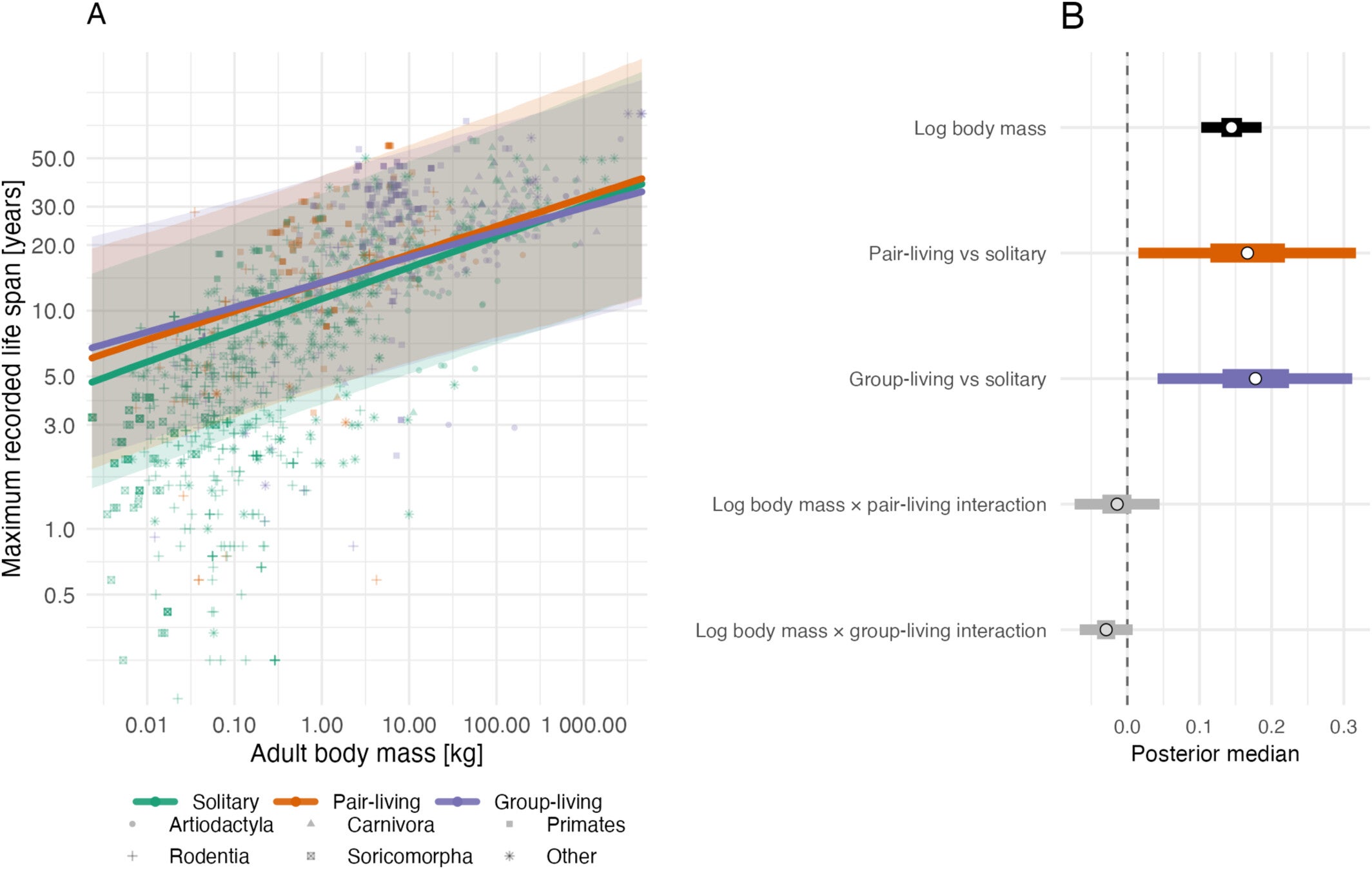
However, there was little difference between pair-living and group-living species. Both showed similar lifespan advantages compared to solitary animals.
This suggests that forming stable social bonds may provide most of the benefits, while larger group living does not add much more.

Living with others can offer strong protection. One of the main benefits is defense against predators.
Animals in pairs or groups can watch for danger more effectively. While one individual feeds, another can stay alert. This shared vigilance reduces the chance of being caught.
There is also what scientists call the dilution effect. When predators attack a group, each individual has a lower chance of being targeted.
Jones described this effect in simple terms. “If you watch deer in a field, there’s almost always at least one individual with its head up, scanning for danger.”
These advantages can lower mortality rates. Over time, this allows species to evolve longer lifespans.
Despite these benefits, living in larger groups comes with risks. One of the biggest challenges is disease.
As group size increases, individuals come into closer contact. This makes it easier for infections to spread.
Jones explained this trade-off clearly. “The larger the group is, the higher risk of pathogen transmission.”
Other costs include competition for food and mates. Group members must share resources, which can lead to stress and conflict.
These downsides may offset the advantages of larger groups. This could explain why group-living species do not live significantly longer than pair-living species.
Pair living may strike a balance between safety and risk. Two individuals can cooperate and defend each other without facing the same level of disease spread found in larger groups.
This simple form of sociality may provide enough protection to extend lifespan, without introducing major new costs.
The findings suggest that the key shift occurs when animals move from living alone to living with at least one partner. Beyond that, additional complexity may offer limited gains.
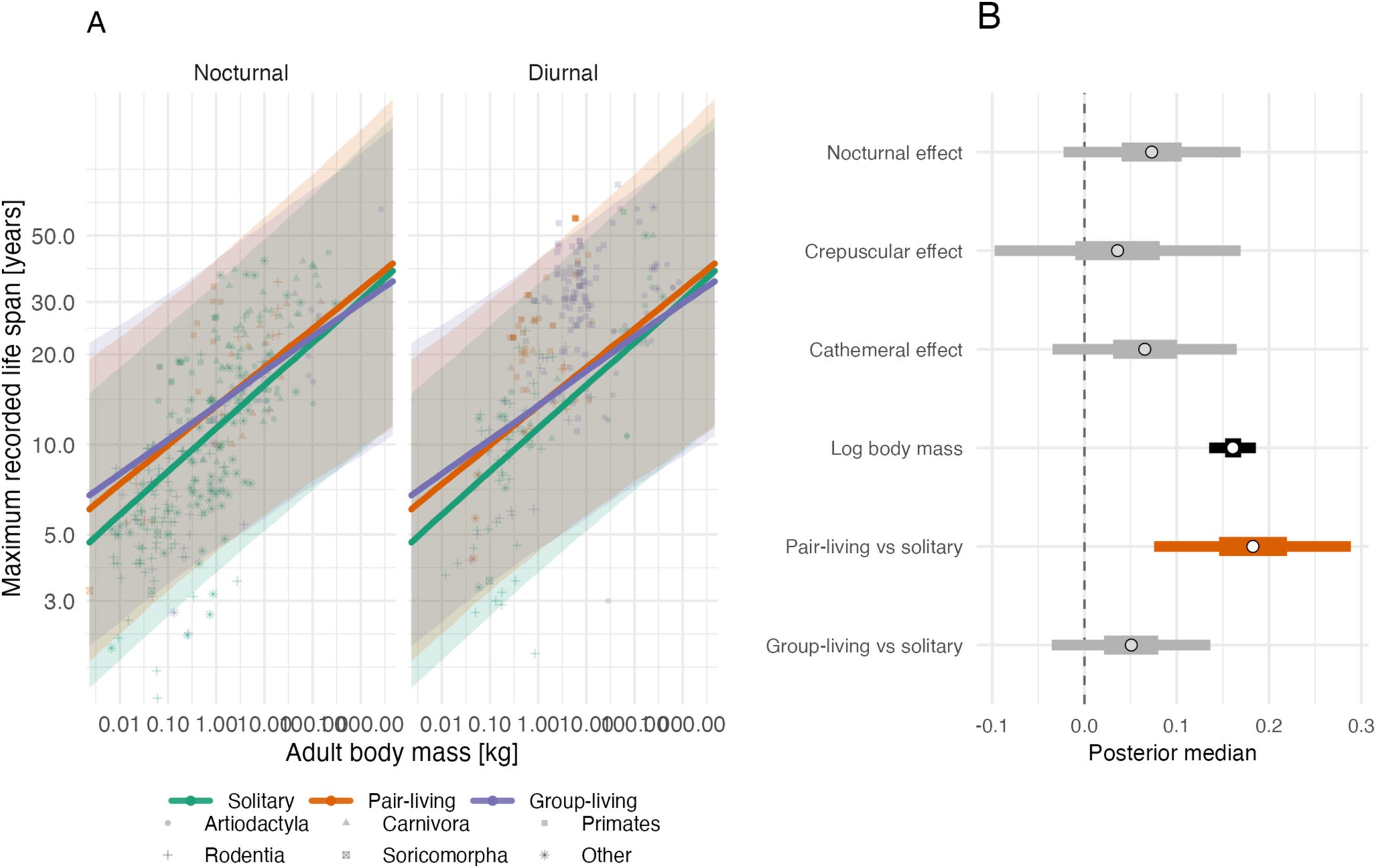
The study also examined other influences on lifespan, including whether species are active during the day or night.
These factors showed only weak or uncertain effects. Compared to body size and social behavior, they played a much smaller role.
This highlights how important social organization is in shaping how long animals live.
One of the strengths of the study is its size. By analyzing more than 1,400 species, researchers were able to detect patterns that smaller studies might miss.
They used advanced statistical methods to account for evolutionary relationships between species. This ensured that the results were not simply due to shared ancestry.
The consistency of the findings across different models adds confidence to the conclusions.
The study challenges the idea that lifespan is determined only by biology at the cellular level. Instead, it shows that behavior plays a key role.
“We often think of ageing as pure biology at the cellular level,” Jones said. “But we show that behavior and social life matter too.”
Over long periods, social behavior can shape how species allocate energy. It can influence how much they invest in growth, reproduction, and repair.
These changes become part of a species’ biology, affecting how it ages.
Although the study focused on mammals, the findings may apply more broadly. Social behavior is common across many animal groups, from birds to fish.
Understanding how social life affects lifespan in animals could also shed light on human health.
“In humans, social connections are strongly linked to health and longevity,” Jones said. “Understanding how social organization shapes lifespan in other animals helps us understand ageing as not just a medical phenomenon.”
Like all research, the study has limitations. It relies on maximum recorded lifespan, which can vary depending on how well a species has been studied.
The categories of social behavior are also broad. Group living can take many forms, from small family units to large, complex societies.
Future research may explore these differences in more detail. Scientists may also investigate how specific social behaviors, such as cooperation or caregiving, influence lifespan.
The findings add to a growing body of research showing that life history traits are interconnected. Body size, environment, and behavior all work together to shape how species live and age.
Social organization emerges as a key factor in this system. It influences survival, reproduction, and long-term health.
By studying these patterns across many species, scientists gain a better understanding of evolution itself.
This research could influence how scientists think about health, aging, and social behavior across species, including humans. It reinforces the idea that social connections play a meaningful role in longevity, not just at the individual level but across evolutionary time.
For conservation efforts, understanding the link between social structure and lifespan may help guide how species are protected. Animals that rely on social bonds may suffer more when populations become fragmented. Preserving group structures could be important for their survival.
In medicine and public health, the findings support growing evidence that social isolation can harm well-being. While humans are far more complex than other mammals, the biological roots of social behavior suggest that connection and cooperation may influence health in deep ways.
For future research, the study opens new questions about how behavior interacts with biology. Scientists may explore how different types of social systems affect aging, disease resistance, and survival. This could lead to more personalized approaches to health and aging, based on both biology and social environment.
Research findings are available online in the journal Ecology and Evolution.
The original story “Social living linked to longer lifespan in humans and other mammals” is published in The Brighter Side of News.
Like these kind of feel good stories? Get The Brighter Side of News’ newsletter.
The post Social living linked to longer lifespan in humans and other mammals appeared first on The Brighter Side of News.


Leave a comment
You must be logged in to post a comment.