A new solar-powered technology is offering a glimpse into a cleaner industrial future. Researchers at the University of Nottingham have developed a system that uses sunlight to convert carbon dioxide and organic waste into useful chemicals at the same time.
The study introduces a catalyst system that can carry out two chemical reactions using the energy from a single particle of light. This approach could reshape how industries produce fuels, plastics, and other essential materials.
At a time when the world faces rising greenhouse gas emissions, the ability to turn carbon dioxide into something useful offers both environmental and economic promise.
The system is built around a photoelectrochemical reactor, a device that uses light to drive chemical reactions. Inside the reactor, two compartments work together.
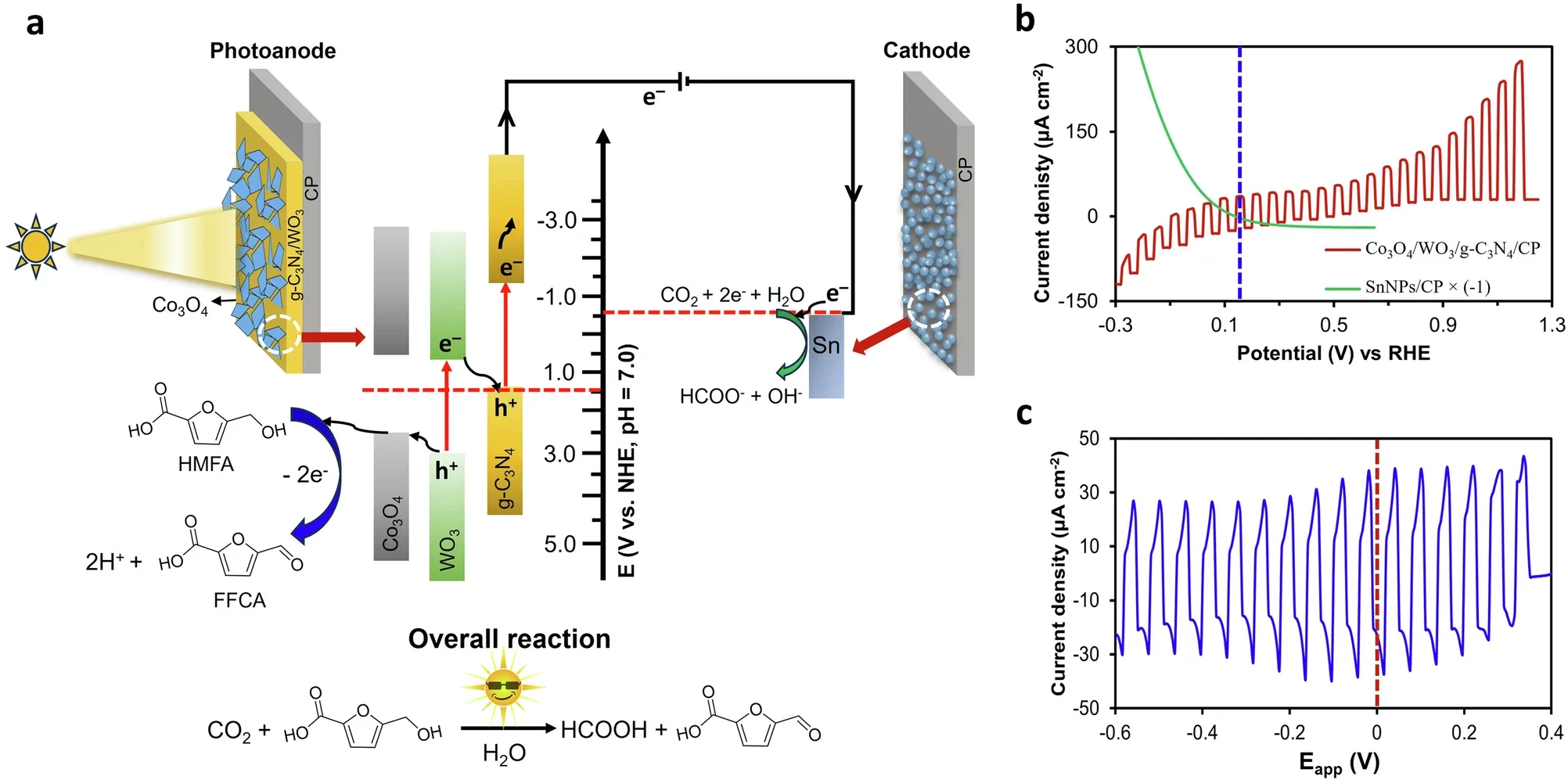
In one chamber, a special material absorbs sunlight. This creates an energized electron. That electron then travels to the second chamber, where it helps convert carbon dioxide into a useful chemical called formate.
At the same time, the first chamber uses the remaining energy to transform an organic waste molecule into a compound used in sustainable plastics.
This dual process means that one photon, a single unit of light, powers two reactions. Both outputs have real-world value.
Formate, the product created from carbon dioxide, has many uses. It is found in textiles, paints, and pharmaceutical production. Turning a greenhouse gas into such a product could reduce emissions while creating economic value.
The second reaction produces a compound derived from biomass, which serves as a building block for bio-based plastics. These plastics offer an alternative to traditional petroleum-based materials.
By combining both reactions, the system avoids waste. Instead, it creates two valuable outputs from materials that would otherwise be discarded or harmful.
This efficiency marks a shift in how scientists think about chemical manufacturing.
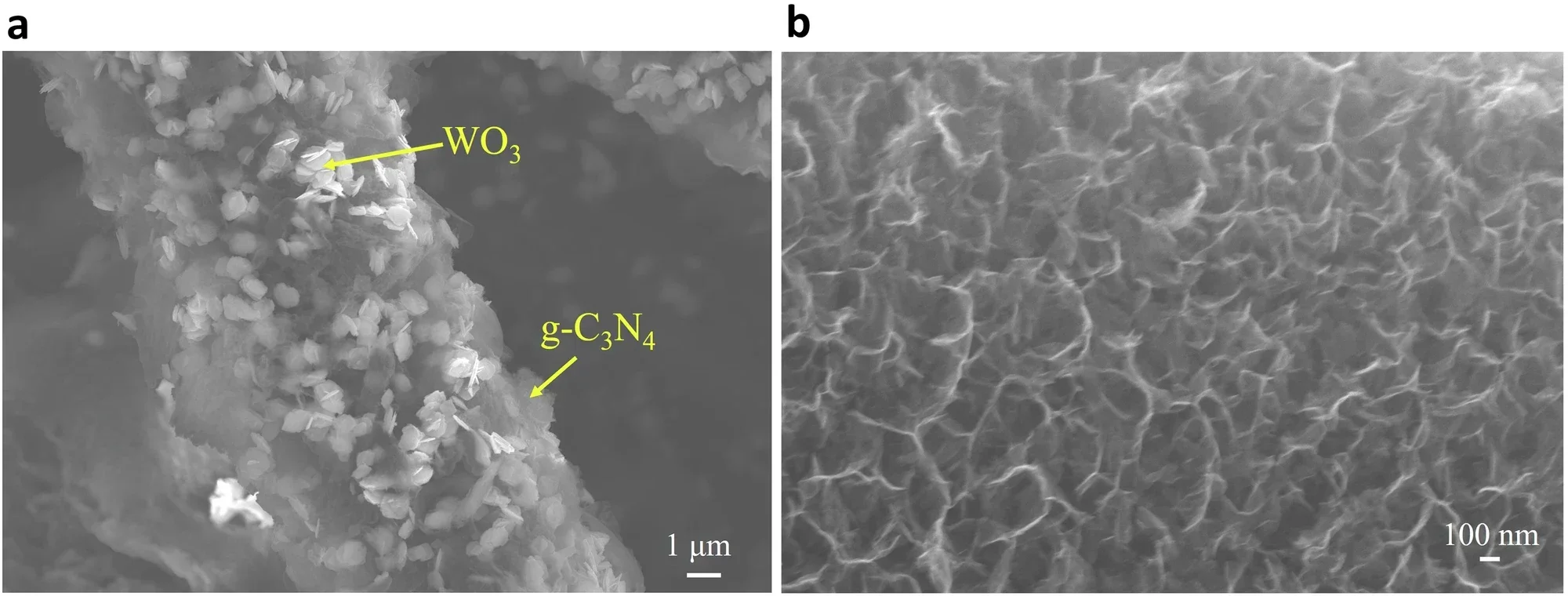
At the center of the process is a carefully designed catalyst. The researchers created a nanostructured photoanode made from carbon nitride and tungsten oxide. They added a layer of cobalt oxide to improve performance.
“When sunlight hits the photoanode, it generates an electron that travels to the cathode to reduce CO₂, while the remaining hole simultaneously oxidises the molecule,” explained Dr Madasamy Thangamuthu, who designed the system.
This design allows energy to flow efficiently through the system. It ensures that both reactions occur at the same time without requiring extra power.
The second chamber contains a cathode that completes the process by converting carbon dioxide into formate.
One of the most striking features of the system is its efficiency. The researchers reported about 93 percent efficiency for converting carbon dioxide into formate. The biomass reaction reached about 95 percent efficiency.
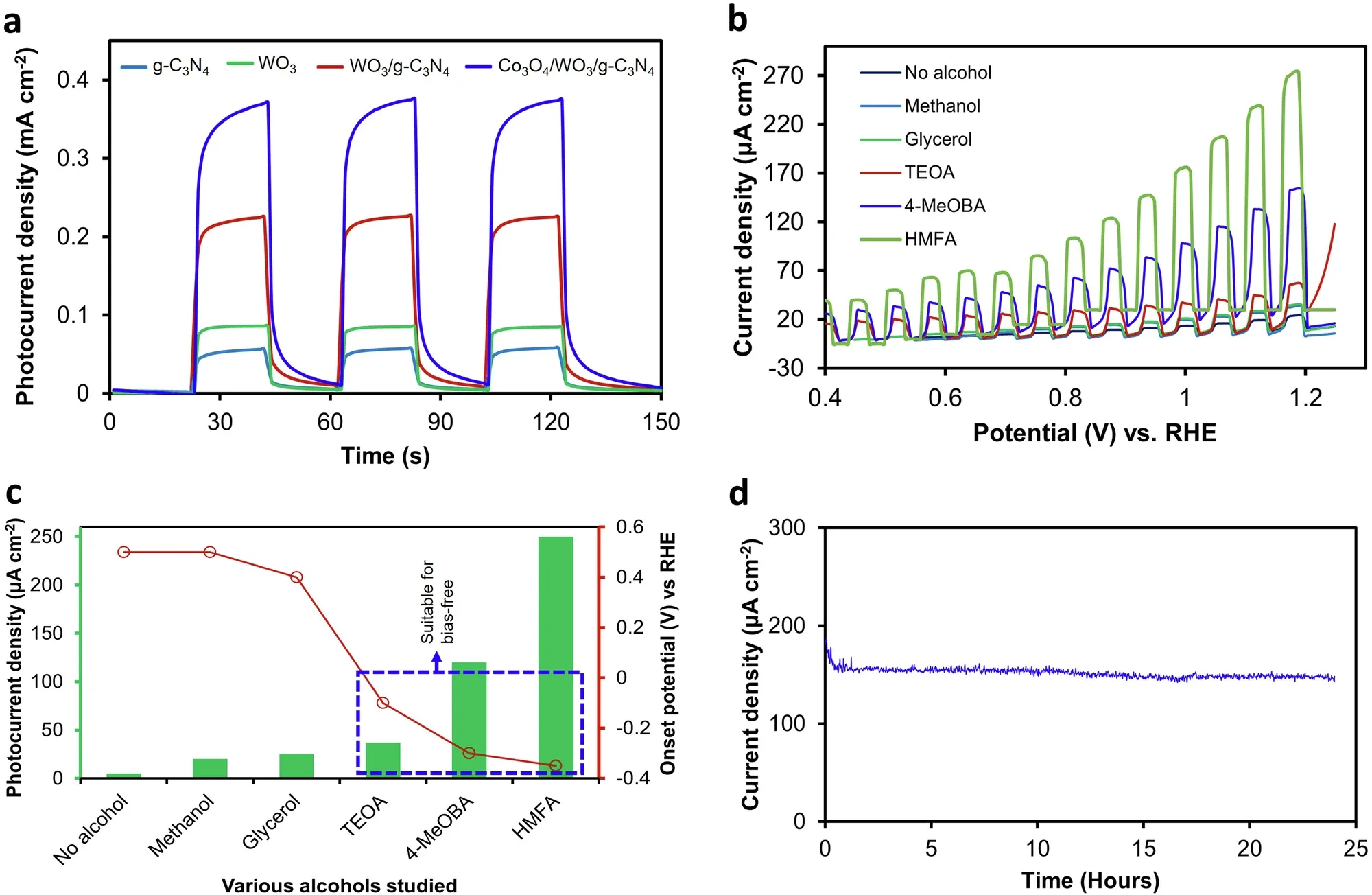
These numbers indicate that almost all of the energy captured from sunlight is used effectively.
Even more important, the system does not require additional electricity or heat. It operates entirely on solar energy. This makes it cleaner and more sustainable than many existing methods.
“Sustainable polymer production is one of the key challenges of our times,” said Dr Vincenzo Taresco. “The use of solar light enables a clean process, ensuring that a sustainable energy source powers sustainable chemistry.”
Many earlier systems struggled with one key issue. They relied on water oxidation, a process that requires significant energy and limits efficiency.
The Nottingham team took a different approach. They replaced water with an organic molecule derived from biomass. This reaction is easier to drive and produces a useful product instead of waste.
By doing so, the system avoids a major bottleneck in solar-driven chemistry. It also improves overall performance.
This change highlights how rethinking basic design choices can unlock new possibilities.
Another advantage of the system is its use of common materials. Many advanced catalysts rely on rare or expensive elements, which limits their scalability.
The new catalysts use earth-abundant materials. This makes them more practical for large-scale use.
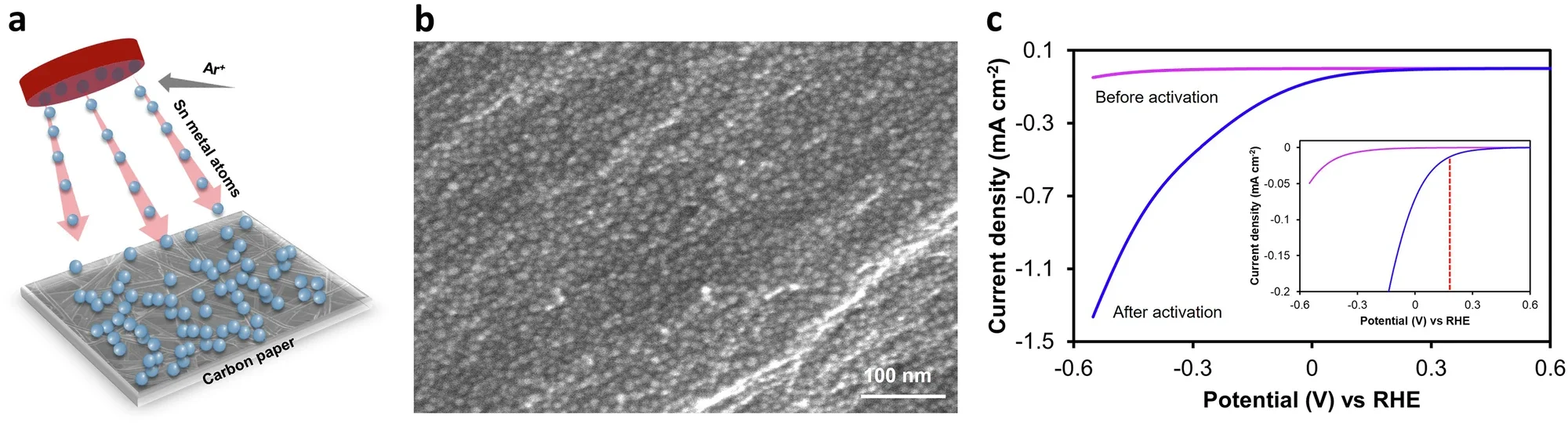
The researchers also developed a method to assemble the catalyst particles directly on surfaces. This approach allows precise control over their size and structure.
“Our unique approach to the on-surface assembly of metal atoms into catalyst particles will be essential for extending this work,” said Dr Jesum Alves Fernandes.
This flexibility could allow the system to be adapted for other chemical processes in the future.
The team conducted extensive tests to confirm the system’s reliability. Under simulated sunlight, the reactor produced consistent results over several hours.
They also used labeled carbon dioxide to verify that the formate product came directly from the gas. This ensured that the reaction worked as intended.
In addition, the system maintained stable performance over time. Only minor decreases in efficiency were observed after extended use.
These results suggest that the technology could operate reliably in real-world conditions.
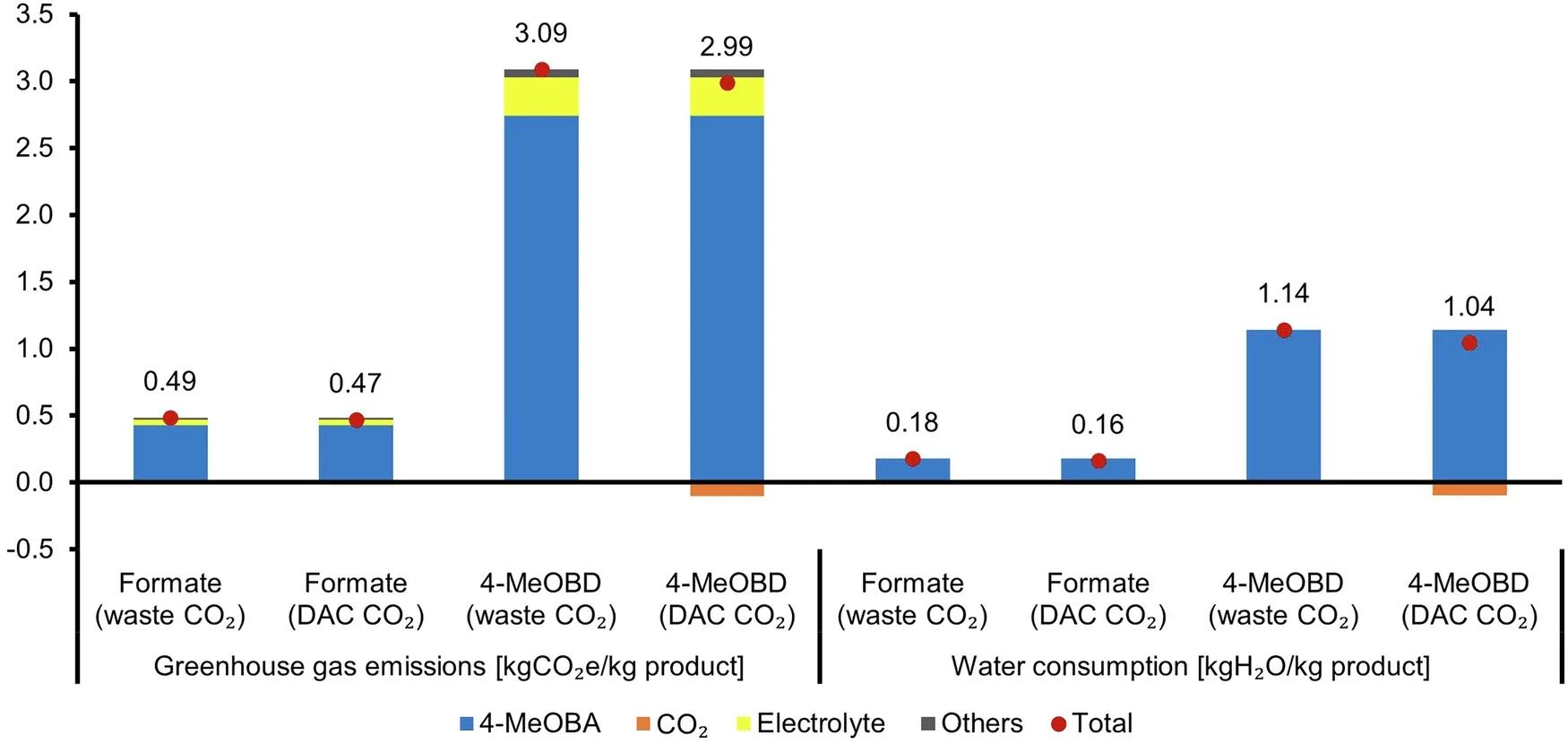
A life cycle assessment showed that the system has a lower environmental impact than traditional methods. Producing formate using this approach generates significantly fewer greenhouse gas emissions.
The process also uses less water and avoids fossil fuels. Most of the remaining environmental impact comes from producing the input materials, not from the reaction itself.
This means that further improvements in sourcing could make the system even more sustainable.
Overall, the technology aligns with global efforts to reduce emissions and transition to cleaner production methods.
The researchers believe the system could be scaled up for industrial use. Its design is compatible with existing manufacturing techniques, and its materials are widely available.
In the future, it could be integrated with carbon capture systems. This would allow industries to convert waste carbon dioxide into useful products on site.
It could also work alongside biorefineries, where plant-based materials are processed into fuels and chemicals.
“This discovery opens new opportunities to capture sunlight directly to address two global challenges simultaneously,” said Professor Andrei Khlobystov.
These challenges include reducing emissions and creating sustainable materials.
The study represents a shift toward more efficient and sustainable chemistry. Instead of treating carbon dioxide as waste, it becomes a resource.
At the same time, organic waste is transformed into valuable materials. This creates a more circular system where inputs and outputs are carefully balanced.
The ability to drive these reactions using sunlight alone makes the approach even more powerful.
As scientists continue to refine the technology, it could lead to new methods for producing fuels, plastics, and other essential products.
This research could have wide-ranging effects on both industry and climate efforts. By converting carbon dioxide into useful chemicals, the system offers a way to reduce emissions while creating economic value.
Industries could use this technology to lower their carbon footprint. Instead of releasing carbon dioxide, they could transform it into products like formate.
The ability to produce plastic precursors from biomass also supports the shift away from fossil fuels. This could help reduce reliance on petroleum-based materials.
In research, the study provides a model for combining multiple reactions into a single system. This could inspire new approaches to chemical design and energy use.
Over time, these advances could contribute to a more sustainable economy. They show how innovation can turn environmental challenges into opportunities for growth and progress.
Research findings are available online in the journal Communications Materials.
The original story “Solar catalyst converts CO2 and organic waste into essential materials” is published in The Brighter Side of News.
Like these kind of feel good stories? Get The Brighter Side of News’ newsletter.
The post Solar catalyst converts CO2 and organic waste into essential materials appeared first on The Brighter Side of News.

