
What if I told you that the key to achieving a Goldilocks fall makeup base (not too shiny, not too matte) isn’t a makeup product at all but a sunscreen? Stay with me here. Yes, sunscreen formulas have come a long way in recent years—especially with the recent FDA approval of BEMT!—but still, there are very few I genuinely look forward to applying and pretty much none that I’d consider a makeup staple. Well, that was until I learned this derm-approved hack.
Let me rewind. This past September, Ju Rhyu, the mastermind behind Hero Cosmetics, and board-certified dermatologist Aimee Paik, MD, launched Vize, a suncare brand spotlighting a custom hybrid noncomedogenic formula with a satin finish. The formula itself does provide a smooth, supple base for makeup, but it’s Paik’s technique that makes all the difference. Presenting: SPF stacking.
What is SPF stacking?
It’s simple, really. Apply, or “stack,” your sunscreen in thin layers, and there you have it—SPF stacking. Is this a revolutionary concept? Not exactly. Derms across the globe have been recommending this trick for years, but oftentimes, it takes a fun, clever moniker to get a good habit to finally stick. Case in point: slugging, skin cycling, skin flooding, etc. “We coined the term ‘SPF stacking’ as a consumer-friendly concept to help people get to the target application amount that is so important for optimal protection,” Paik explains.
See, most of us know that we need a quarter teaspoon, or two full finger lengths, of sunscreen on the face to achieve proper protection, but not many of us actually adhere to that rule in practice. Even I, a beauty editor who talks to dermatologists on a daily basis, can apply my SPF haphazardly, especially as summer comes to a close. (I’m really putting myself on blast here.) “You can be diligent about wearing SPF every day and still be underapplying and not getting its full benefit,” adds Paik. By consciously applying the product in stackable layers, you can ensure you’re getting adequate coverage without making your skin feel too heavy or greasy. Plus, the trick makes my makeup less likely to pill and smear, which is great news for my “cashmere skin” looks this fall. More on that in just a moment…
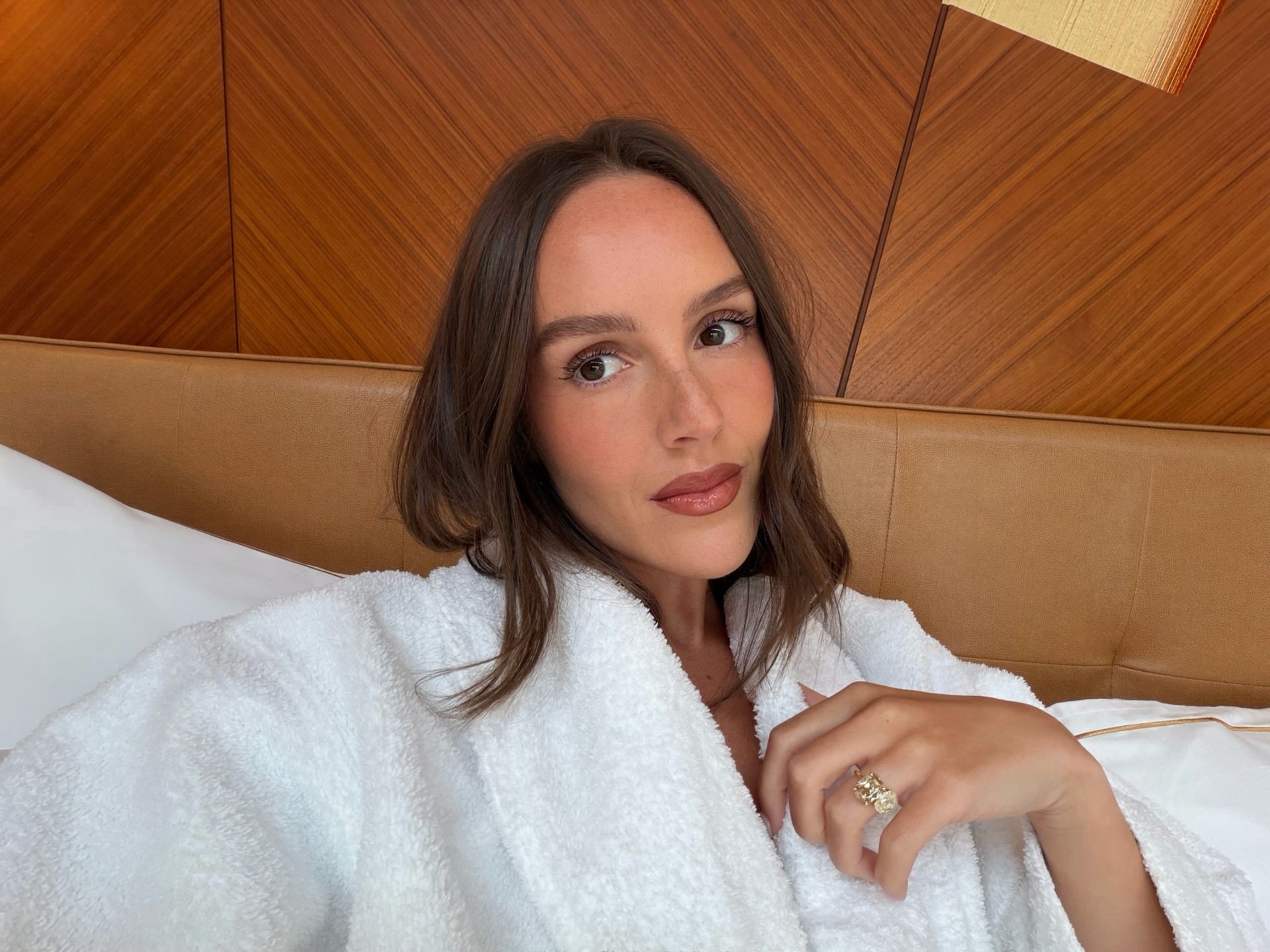
What are the benefits?
The number one benefit is, of course, adequate sun protection. “Most people don’t realize that most of what we consider aging—wrinkles, dark spots, dry, sallow skin, textural changes—is really sun damage,” declares Paik. “It’s amazing when I have patients start to use sunscreen daily and witness the transformation it makes in their skin quality.” As I mentioned above, however, you won’t experience said transformation if you aren’t actually applying the correct dose. “You can be diligent about wearing SPF every day and still be underapplying and not getting its full benefit,” Paik adds, which is why she recommends the stacking hack to make your application mess- and hassle-free.
Not for nothing, stacking your sunscreen can also lend an aesthetic benefit. Namely, it allows makeup to “set really nicely on top of it,” Paik shares. This will depend on the exact SPF you use, but if you select a cushiony formula with a soft, nearly undetectable sheen (Paik is quick to recommend Vize’s Cloudwear Daily SPF 30), trust me—your foundation will apply like butter. Ask any makeup artist, and they’ll agree. To avoid pilling, it’s best to wait a beat between your skincare and makeup routine so any water-based formulas have time to fully dry down. Stacking your SPF involves waiting a minute or two in between each thin layer, which inherently results in a seamless, smooth base ready for foundation and concealer. “You should wait a few minutes before applying any makeup, ideally 15. But even a few minutes helps your sunscreen start to set and form its protective film,” Paik notes.
Again, it’s simple, but it bears repeating as we enter the cooler, drier season, which may trigger flaky patches of skin. Paik concurs. “During the fall, humidity falls, and the skin becomes drier, so using a hydrating sunscreen at the recommended generous amount can help keep skin looking and feeling supple,” she insists.

How to Layer Correctly
After completing your regular skincare routine (cleanser, serum, moisturizer, etc.), Paik recommends squeezing two strips of sunscreen across the full length of your index and middle fingers—the “two-finger rule” for proper sun protection. But instead of massaging in the full amount all at once, she dabs a small bit across her face and rubs it in with her other hand. Wait a moment for it to dry, then keep repeating until you’ve used up the entire amount. “This sometimes means four to five layers on my face,” she explains. “I also highly recommend taking more product and applying it to your chest, where women experience a lot of sun damage.” You can use the same stacking approach there, too, if you’d like to achieve the same velvety finish.
One quick caveat: Stacking only applies to a single SPF formula. Meaning, you can’t apply one layer of a glowy sunscreen and one layer of matte sunscreen and expect to accumulate coverage. That’s unfortunately not how SPF levels work. “UV filters need to form an even protective film across the skin. The vehicle chassis is just as important as the active ingredients to achieve an even protective layer, so mixing multiple products together is not ideal,” Paik further explains. Rather, think of SPF stacking as applying multiple layers of a single sunscreen. Trust me. The extra few seconds it takes to blend are worth securing accurate protection and a perfectly dewy finish.
The Best Sunscreens to Shop (and Stack) This Fall
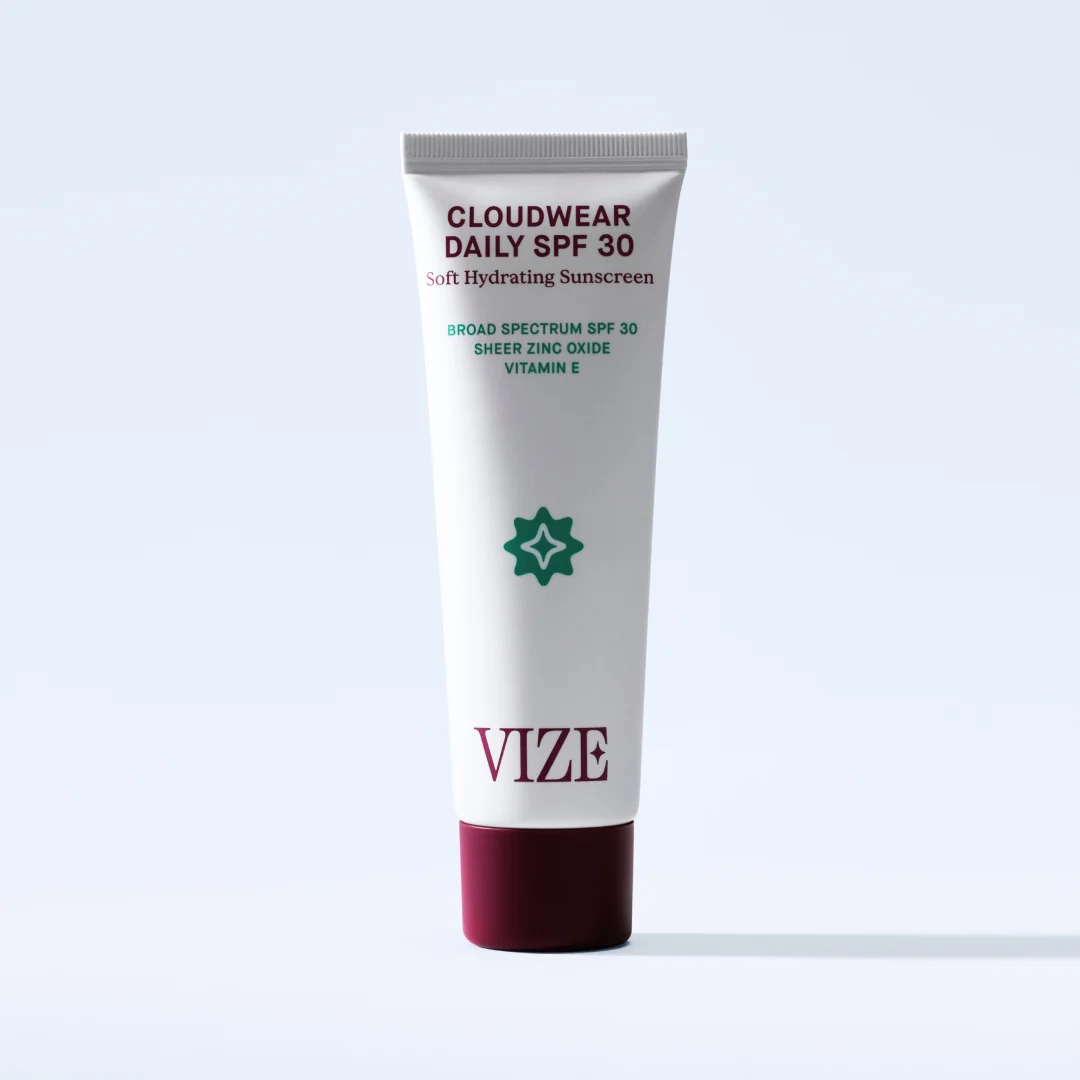
Vize’s sunscreen, formulated by Paik, is so hydrating that it doubles as a stand-alone moisturizer. Despite its creamy texture, it has a soft, satiny finish that never appears too shiny. I’ve been using it as my sole skincare base this fall, and I can attest that it provides the perfect canvas for buttery makeup.
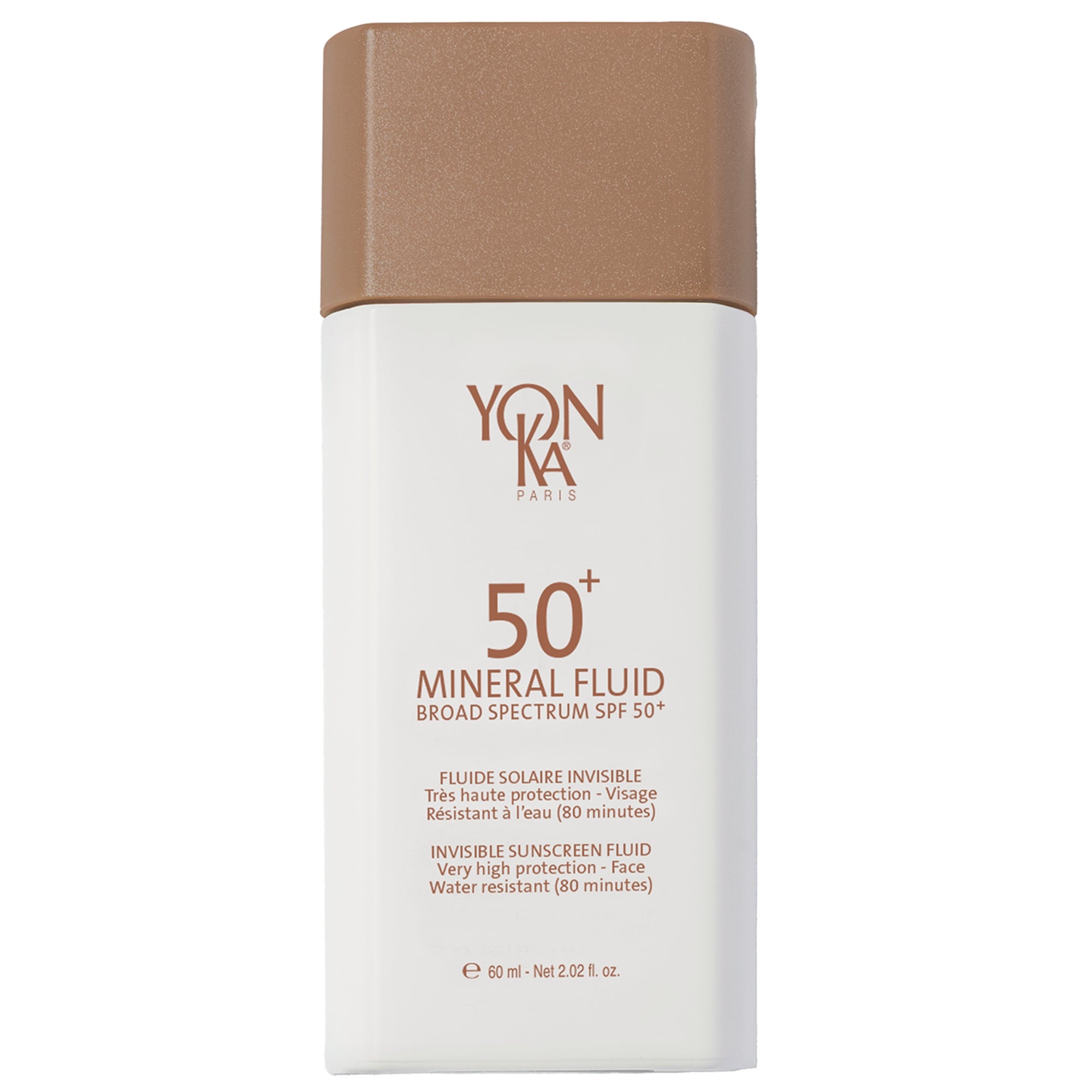
As far as 100% mineral options go, this Yon-Ka number is my absolute staple. The stacking method mitigates any white cast too.
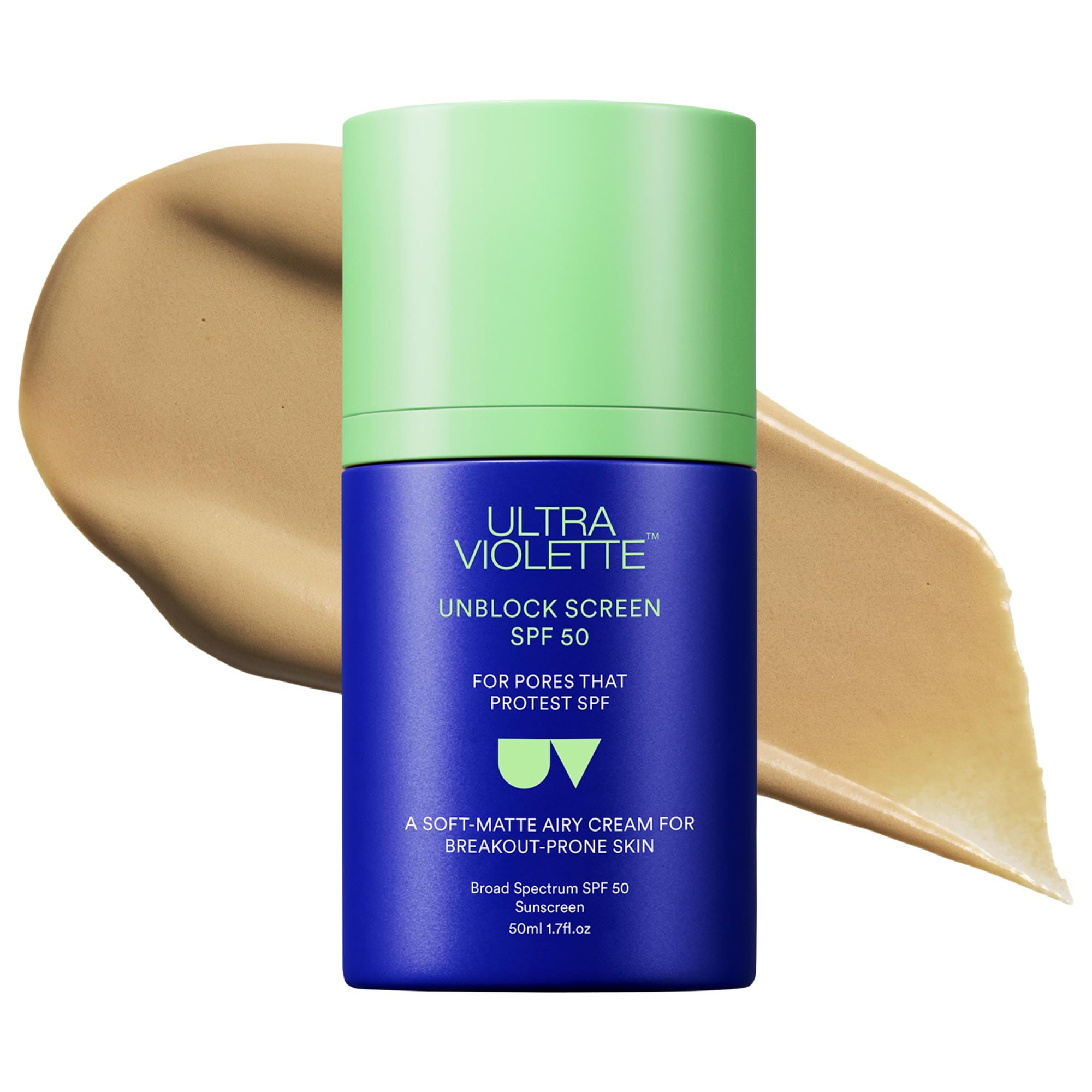
Ultra Violette (the international suncare brand editors stockpile whenever they’re abroad) recently launched a formula with BEMT, the new sunscreen ingredient approved in the U.S., and I’m itching to get my hands on it.
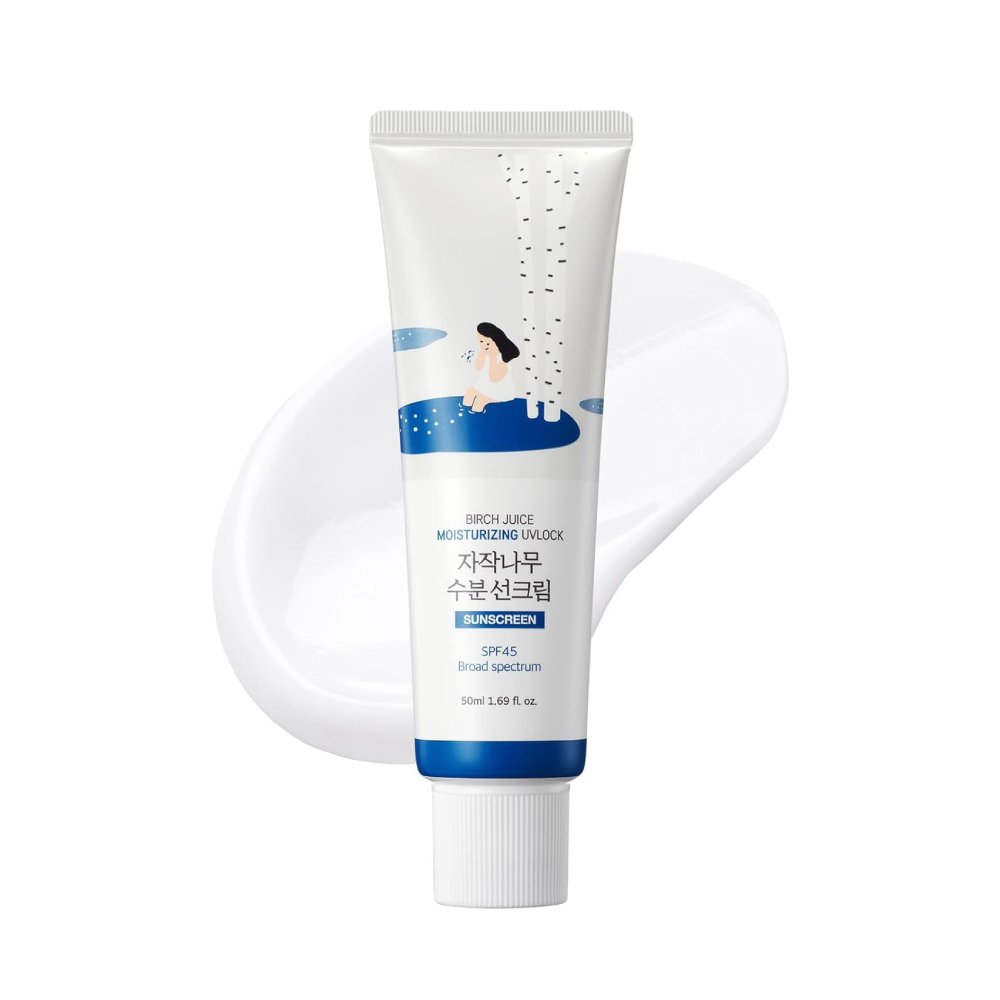
Round Lab’s hydrating, lightweight formula will always be my favorite Korean sunscreen.
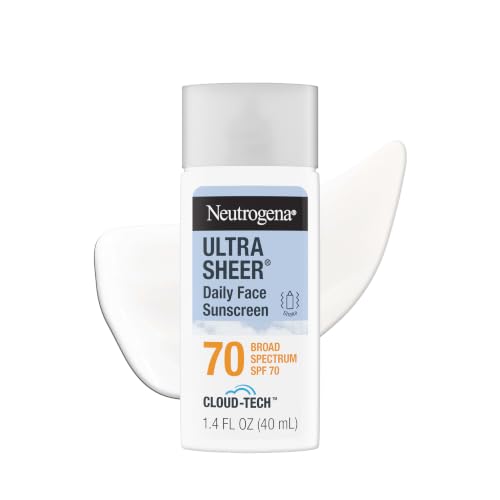
Neutrogena’s newest formula calls upon Cloud-Tech, a proprietary technology that combines BEMT with other UV filters for a weightless, silky feel.
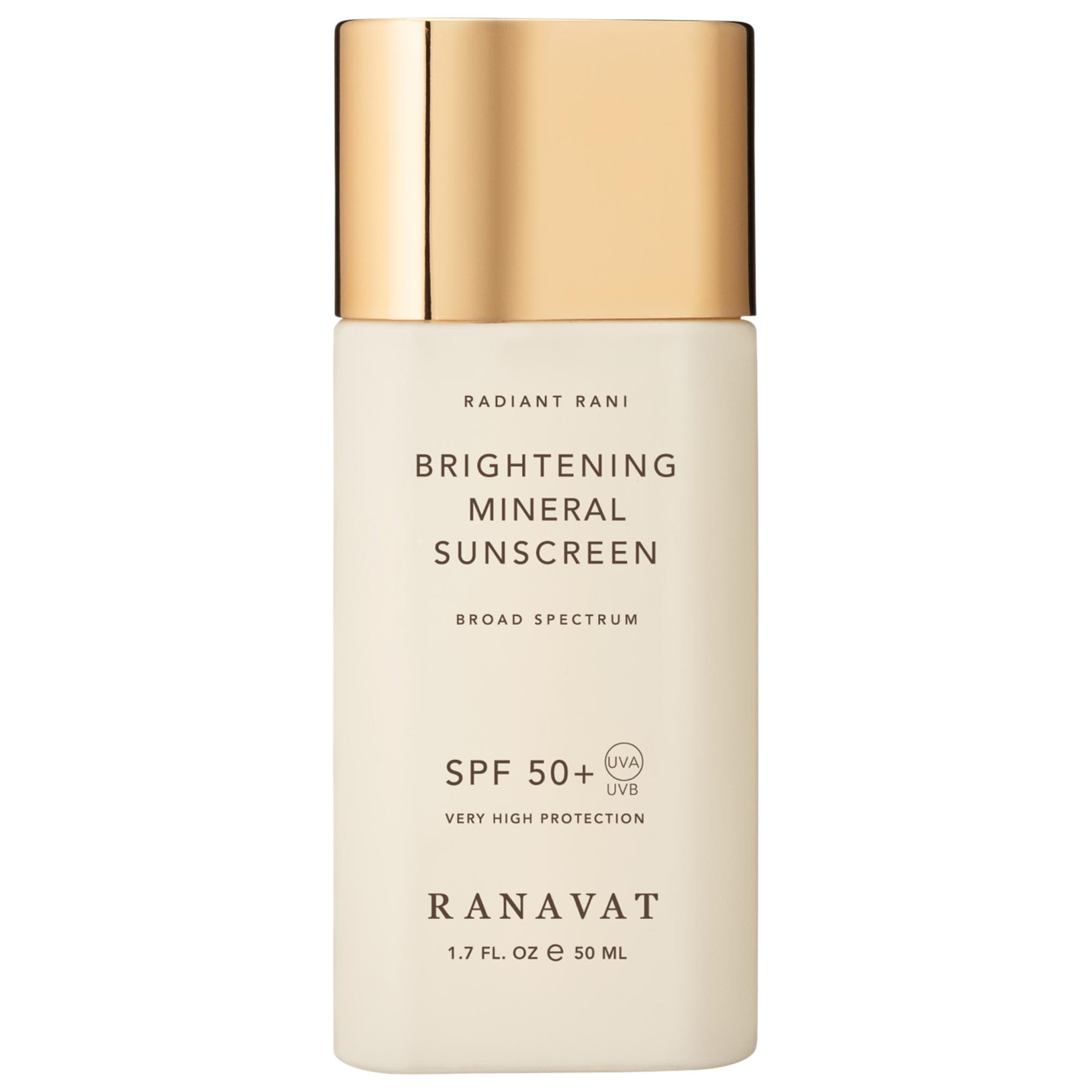
If dark spots are your main skincare gripe, you must grab this sunscreen with brightening saffron and antioxidant-rich adaptogenic herbs.
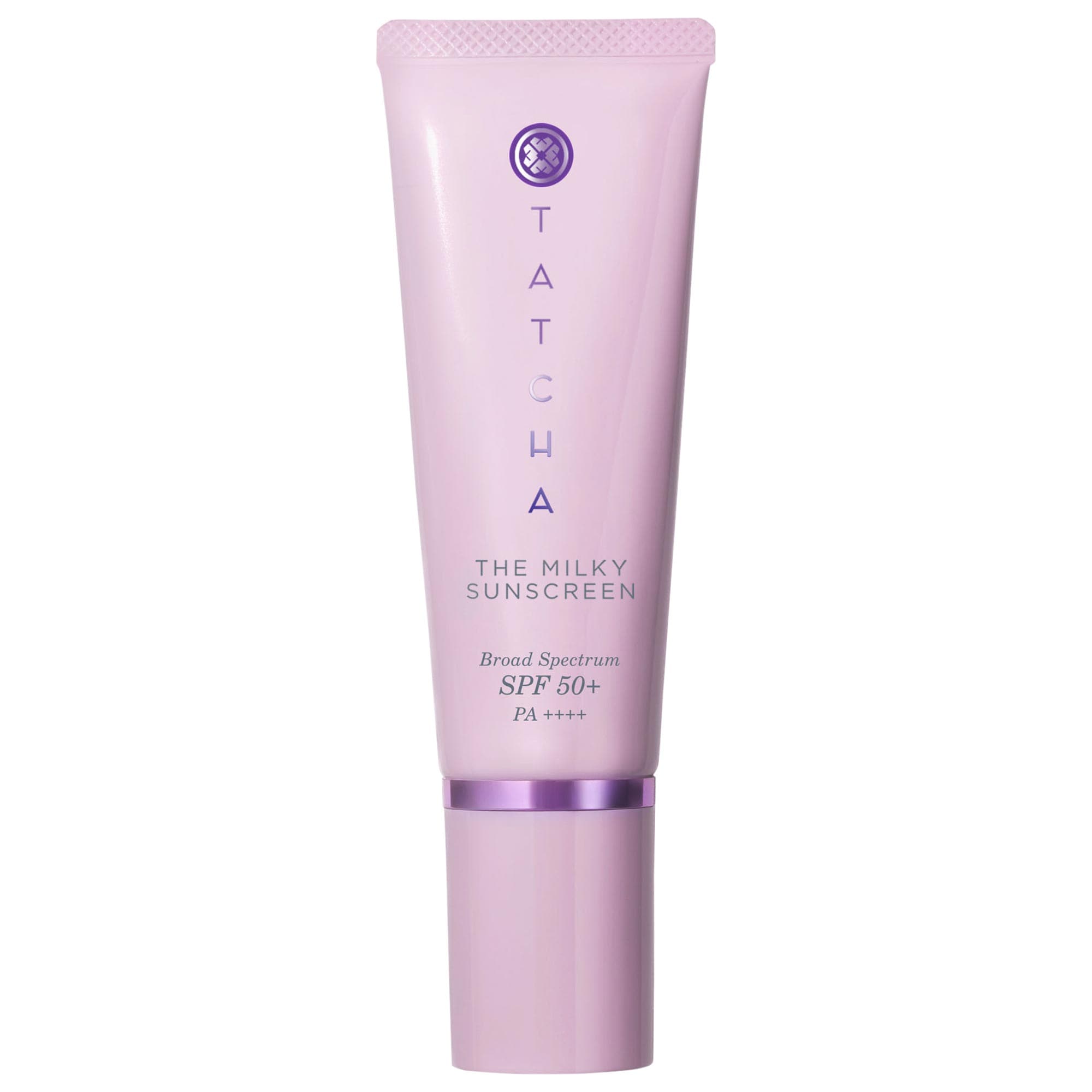
Sunscreen milks will always have a spot in my routine, and Tatcha’s is truly one of the silkiest I’ve ever tried.
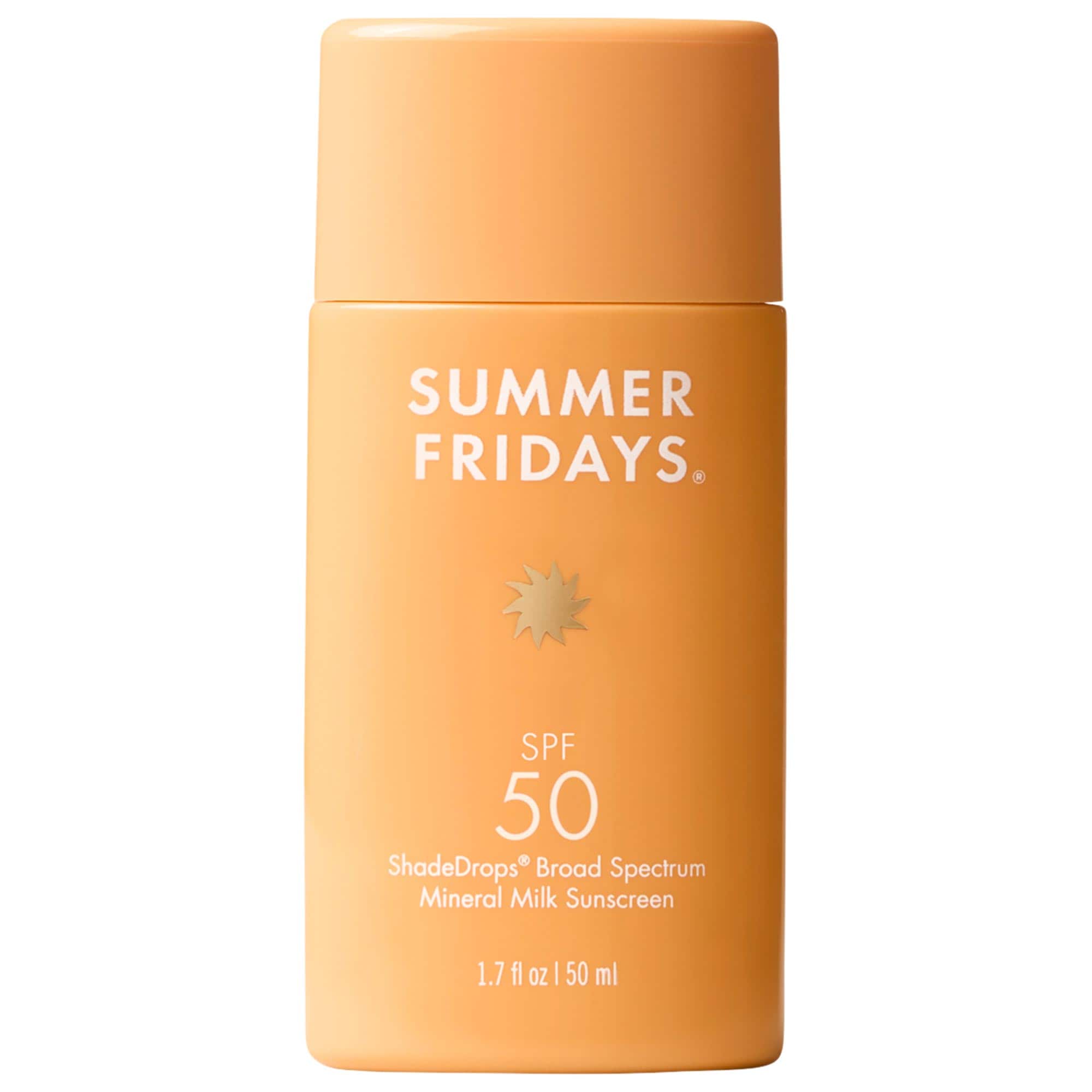
Another milky number, Summer Fridays’ SPF 50 formula literally melts upon application.

Leave a comment
You must be logged in to post a comment.