A spinal cord injury can steal movement, feeling and independence in a single moment. When damage happens in the neck, it can also disrupt breathing, one of the body’s most basic and urgent tasks. New research from Gladstone Institutes offers a careful but hopeful step toward repairing those broken circuits.
The study found that human stem cell-derived spinal interneurons survived after transplantation into injured rats. The cells connected with the animals’ own nerve circuits and improved breathing-related muscle activity during stress.
Spinal cord injuries affect an estimated 15 million to 20 million people worldwide. Yet no approved treatment can rebuild the neurons and connections lost after injury.
“Spinal cord injuries have long been considered difficult to repair because the body does not naturally rebuild the neural connections that are lost,” said Lana Zholudeva, PhD, a Gladstone investigator and first author of the study.
The spinal cord contains many types of nerve cells that help signals travel through the body. One important group is called interneurons. These cells act like connectors, helping other nerve cells communicate across circuits.
The Gladstone team focused on V2a interneurons. These relay cells help control movement and breathing-related pathways. Earlier studies suggested they may support recovery after traumatic spinal cord injury.
The new work targeted the cervical spinal cord, the neck region that helps control the diaphragm. The diaphragm is the main muscle used for breathing.
When this region is injured, the brain’s signals may not reach the breathing muscles properly. That can leave people vulnerable during illness, exertion or respiratory stress.
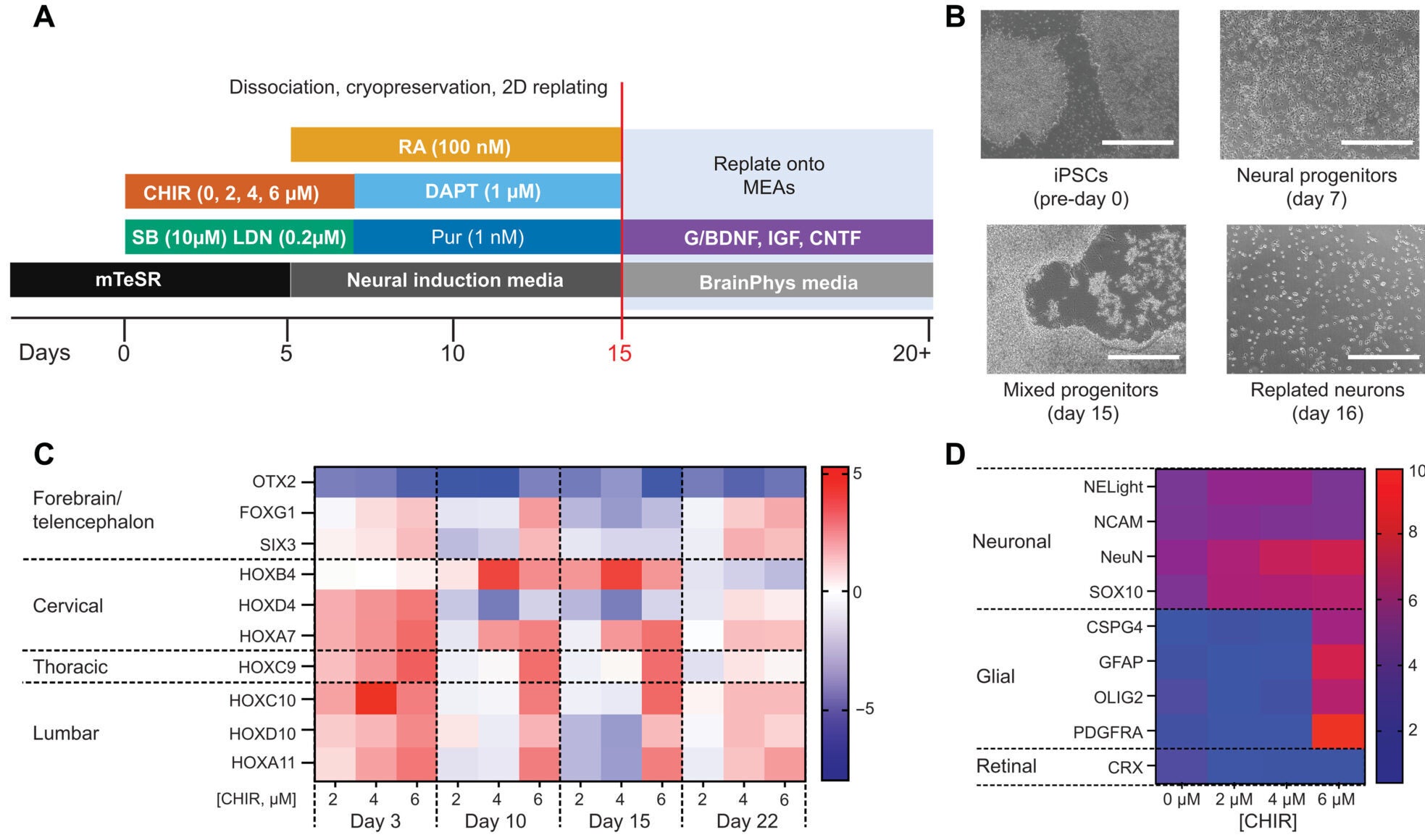
The researchers began with human induced pluripotent stem cells. These cells can be guided in the lab to become many specialized cell types.
The goal was not to make generic nerve cells. The team wanted cervical V2a spinal interneurons suited for repairing breathing circuits in the neck.
Developing that recipe took time. Scientists adjusted molecular signals until the cells showed the right spinal identity.
“It took about a year and a half of trial and error to get the recipe right to make this particular neuron out of stem cells, but it really paid off,” said Gladstone President and Senior Investigator Deepak Srivastava, MD, senior author of the study.
The team also showed the cells could be frozen and thawed. That matters because future therapies may need reliable, stored cell products for clinical use.
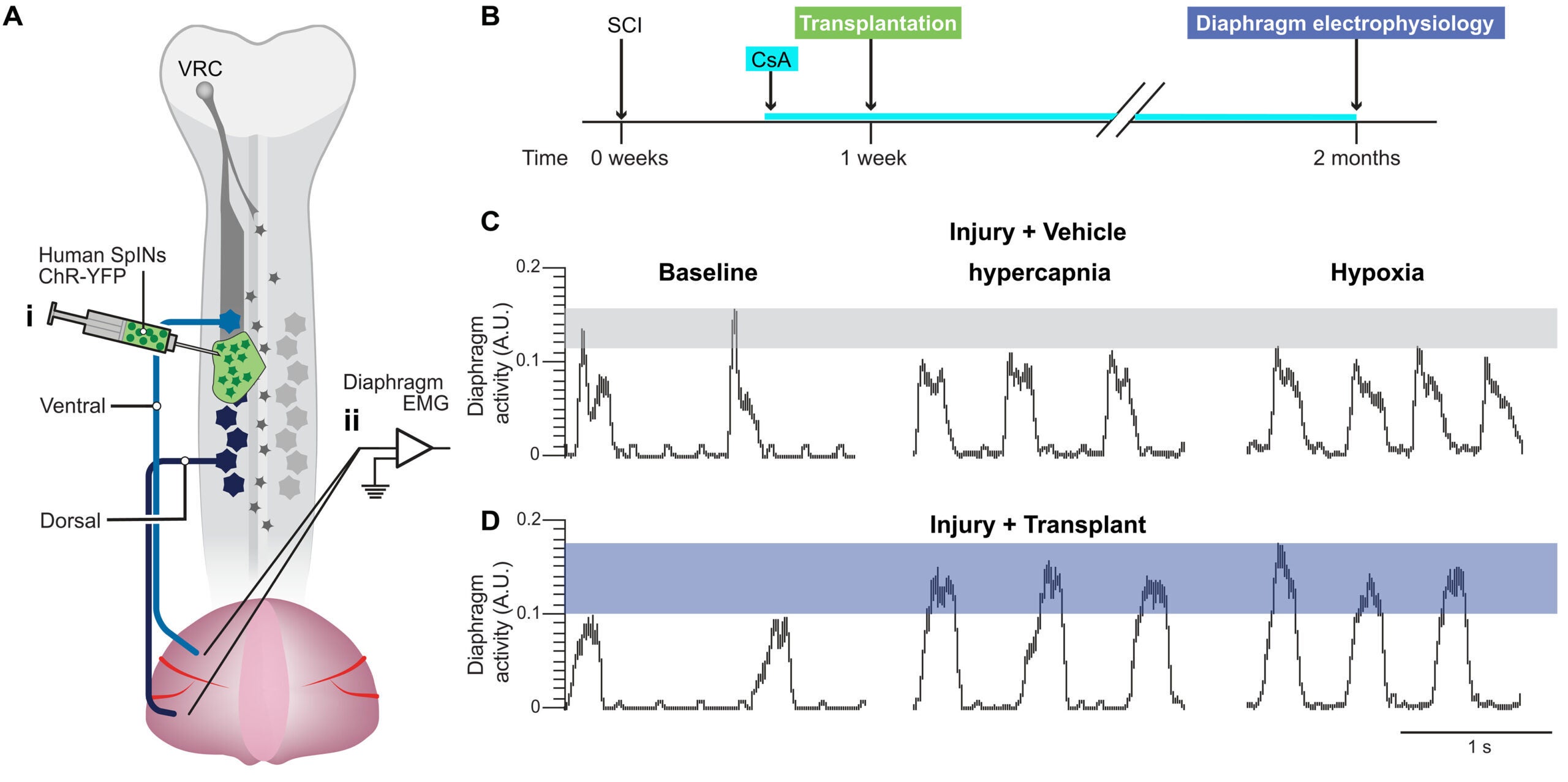
Researchers transplanted the human spinal interneurons into adult rats one week after cervical spinal cord injury. This injury model damages circuits that help control breathing.
“Breathing is evolutionarily conserved across many species, very well-defined anatomically and functionally, and directly relevant to people living with high-level spinal cord injury,” Zholudeva said. “It was the ideal circuit to serve as a test bed for evaluating the therapeutic potential of our transplantation approach.”
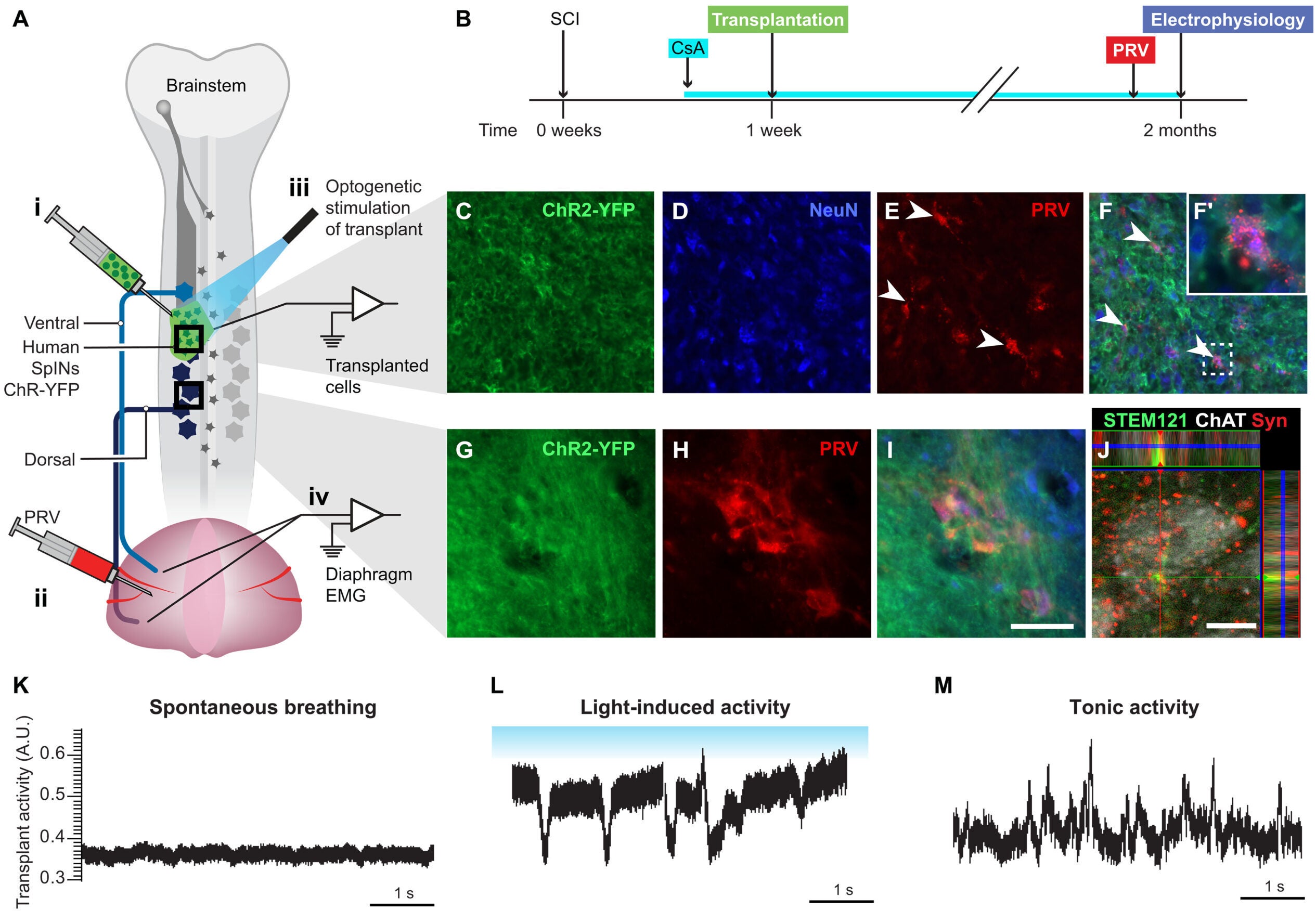
Two months after transplantation, the human cells were still alive. They filled much of the injury site and connected with nearby spinal cord tissue.
The team found evidence that donor cells formed working links with the rats’ phrenic motor network. This network controls the diaphragm.
That result was important because survival alone would not be enough. The cells needed to join the damaged system and help carry useful signals.
To test the transplanted cells, researchers engineered them so blue light could activate them. This gave scientists a way to ask whether the new cells could influence breathing muscles.
When the team stimulated the transplant site, activity increased in the diaphragm. That showed the donor cells could send signals into the breathing circuit.
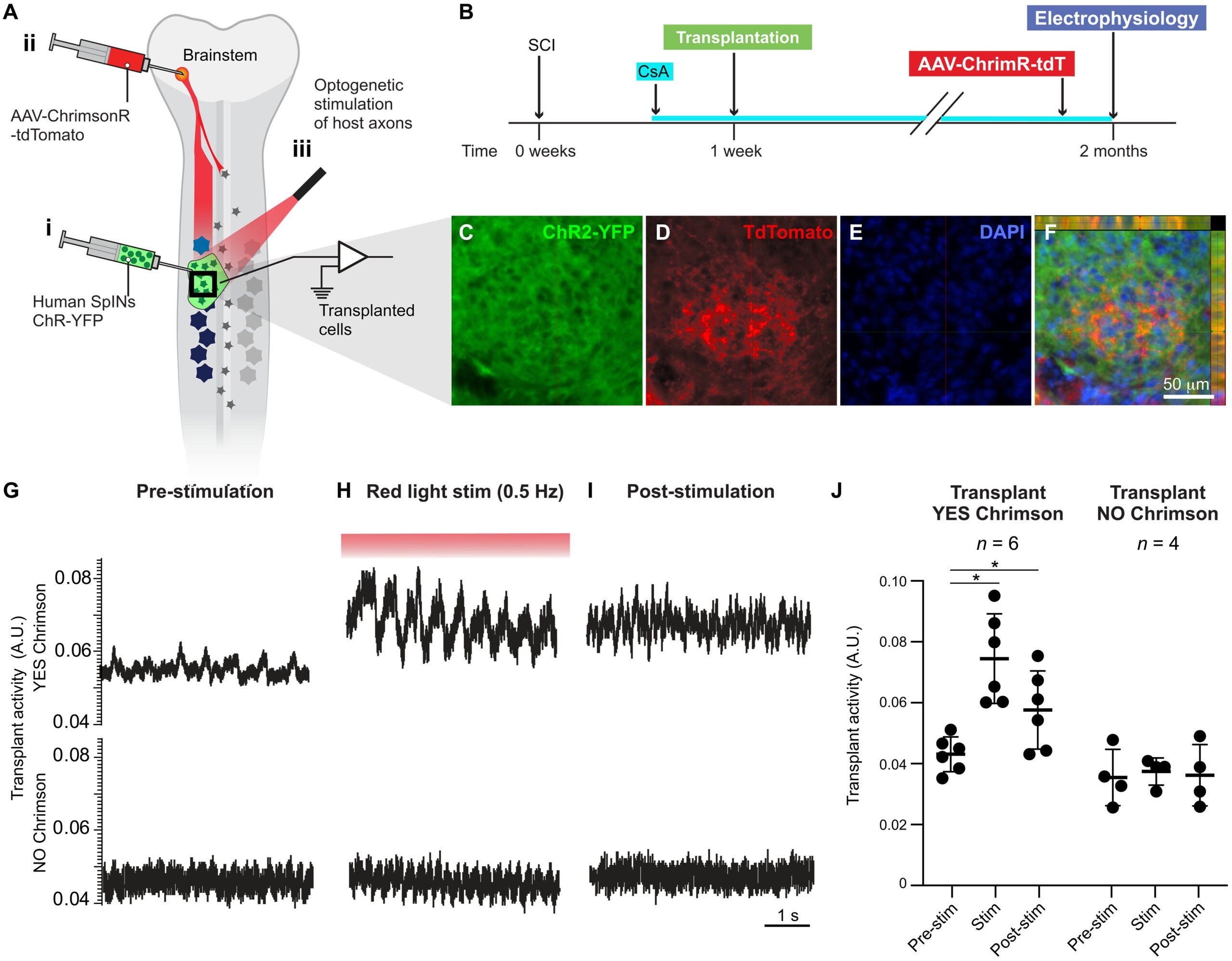
The researchers also tested the opposite direction. They activated the rats’ own brainstem neurons, which normally send signals down to the spinal cord.
The transplanted cells responded. This showed that host nerve fibers could connect with the human donor cells.
Together, the results suggest the transplant worked as a living relay inside the injured spinal cord.
Under normal conditions, breathing differences between treated and untreated rats were subtle. The bigger test came when animals faced low oxygen or high carbon dioxide.
These conditions force the diaphragm to work harder. They mimic moments when an injured person may struggle, such as during illness.
Most injured, untreated rats showed signs of respiratory failure during these challenges. But three-quarters of rats that received V2a interneurons handled the tests without difficulty.
“That’s the difference between an injured person who gets a cold and ends up back on a ventilator, versus someone with enough function to handle that challenge,” Zholudeva said. “The transplanted cells seem to be providing that additional capacity.”
This improvement appeared mainly when the damaged circuit had to respond under pressure.
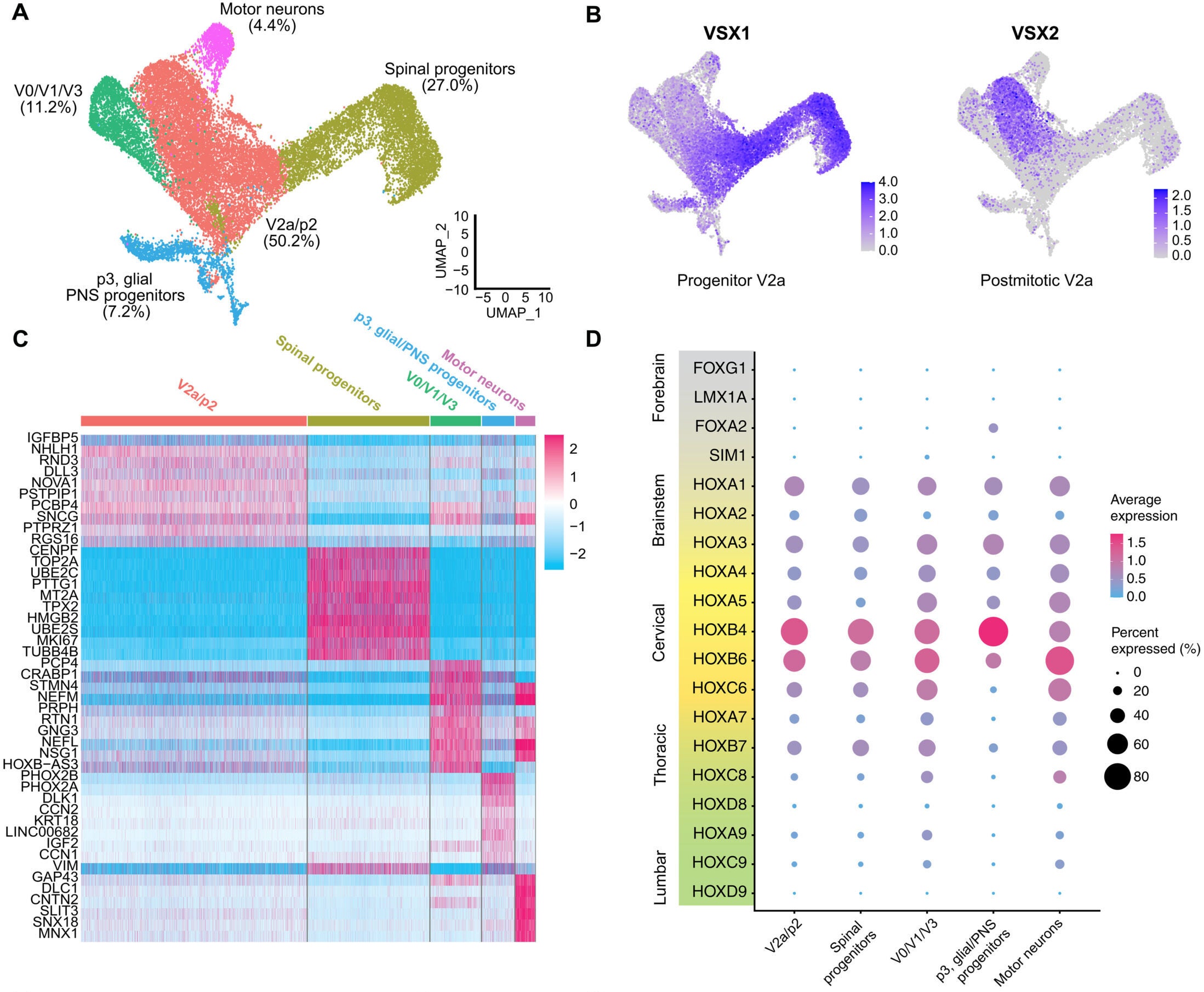
The team also studied why some transplants worked better than others. Using single-nucleus RNA sequencing, researchers examined what the transplanted cells became after two months.
They found that animals with more donor neurons tended to show stronger breathing recovery. A specific excitatory cell group appeared especially important.
That subset looked likely to connect with the host phrenic motor network. It showed genes linked to synaptic signaling, neuron development and cell-to-cell adhesion.
In simpler terms, these cells seemed especially good at forming useful connections. The researchers now want to learn how to make more of them.
This could help future therapies become more consistent and powerful.
The study offers proof of principle, not a treatment ready for people. Rats are not humans, and many safety questions remain.
Before human testing, researchers must show the therapy works in larger animals. They also need to know whether it can help after chronic injury, months or years after damage occurs.
Most people living with spinal cord injury are not treated one week after injury. A successful human therapy would need to work in more realistic time frames.
Scientists also need to study dosing, cell safety and long-term stability. They must ensure transplanted cells do not grow in unwanted places or form harmful connections.
The researchers hope to extend the approach beyond breathing. People with cervical spinal cord injuries often rank arm and hand function as a top recovery priority.
Restoring hand control could transform daily life. It could help with feeding, writing, dressing, working and using technology.
The same general strategy may apply to other spinal circuits. Engineered interneurons could one day help rebuild pathways for movement or automatic body functions.
“We’ve shown a proof of principle that this can work, that you can engineer a defined cell type, transplant it, and have it actually repair a specific circuit,” Zholudeva said. “Now we have to make it work more consistently, in more circuits, and eventually in people.”
This research could guide future regenerative treatments for spinal cord injury. By showing that engineered human interneurons can connect with damaged breathing circuits, the study moves the field beyond simple cell survival. It shows that transplanted cells may help rebuild functional communication.
The findings could be especially important for people with high cervical injuries. Breathing problems can threaten life and independence. A therapy that adds respiratory reserve could reduce vulnerability during illness or physical stress.
The work may also help researchers design more precise cell therapies. By identifying which donor cell subtypes linked most strongly with recovery, scientists can refine future treatments. Better cell selection may improve safety, consistency and effectiveness.
For humanity, the broader promise is deeply personal. Spinal cord injury has long meant permanent loss for many people. This study suggests damaged circuits may not always remain silent. With more research, engineered cells could help restore functions that shape dignity, health and daily freedom.
These resources trace the development of V2a interneuron engineering and their emerging role in rebuilding respiratory circuits after spinal cord injury.
Differentiation of V2a interneurons from human pluripotent stem cells: Describes a method for directing human pluripotent stem cells toward V2a interneurons and established an important foundation for later transplantation studies. (Stem Cells and Development, 2017)
Anatomical Recruitment of Spinal V2a Interneurons into Phrenic Motor Circuitry after High Cervical Spinal Cord Injury: Shows that V2a interneurons are recruited into respiratory circuitry after cervical spinal injury, helping identify them as potential targets for repair strategies. (Journal of Neurotrauma, 2017)
Transplantation of Neural Progenitors and V2a Interneurons after Spinal Cord Injury: Reports that donor populations enriched with V2a interneurons can survive, integrate and improve respiratory function after cervical spinal cord injury in animal models. (Cell Transplantation, 2018)
Targeting Spinal Interneurons for Respiratory Recovery After Spinal Cord Injury: Reviews how spinal interneurons contribute to respiratory plasticity and evaluates strategies for using these circuits therapeutically after spinal cord injury. (Cells, 2025)
Targeted neuromodulation of spinal interneurons enhances breathing in chronic spinal cord injury: Demonstrates that stimulating cervical excitatory interneurons can improve breathing even during chronic spinal cord injury, supporting the broader therapeutic potential of these cells. (Neurobiology of Disease, 2025)
Research findings are available online in the journal Science Translational Medicine.
The original story “Stem cell-derived neurons offer a new path toward spinal cord repair” is published in The Brighter Side of News.
Like these kind of feel good stories? Get The Brighter Side of News’ newsletter.
The post Stem cell-derived neurons offer a new path toward spinal cord repair appeared first on The Brighter Side of News.


Leave a comment
You must be logged in to post a comment.