A few minutes of all-out sprinting may send a louder message through your body than much longer moderate exercise. New research from Rockefeller University scientists found that six 30-second sprints dramatically changed the molecular contents of the bloodstream, while 90 minutes of moderate cycling produced a far smaller immediate response.
The study compared how different exercise intensities changed proteins, metabolites and other signals in the blood. These signals, sometimes called exerkines, help organs communicate after exercise. The findings suggest that intensity can strongly shape the body’s chemical response to movement.
“What’s exciting here is that just a few minutes of intense exercise can trigger a significant molecular response,” said Cohen. “And we still see it after eight weeks of training, which tells us this response isn’t simply a product of the body struggling to keep up with unfamiliar stress. It may be that the responses we observed are intrinsic to intense exercise.”
Exercise does not affect muscle alone. When you work out, muscle, fat, liver, immune cells and other tissues exchange chemical signals.
These signals can influence how the body handles fuel, inflammation, hormones and repair. They may help explain why exercise protects against obesity, type 2 diabetes, heart disease and metabolic disorders.
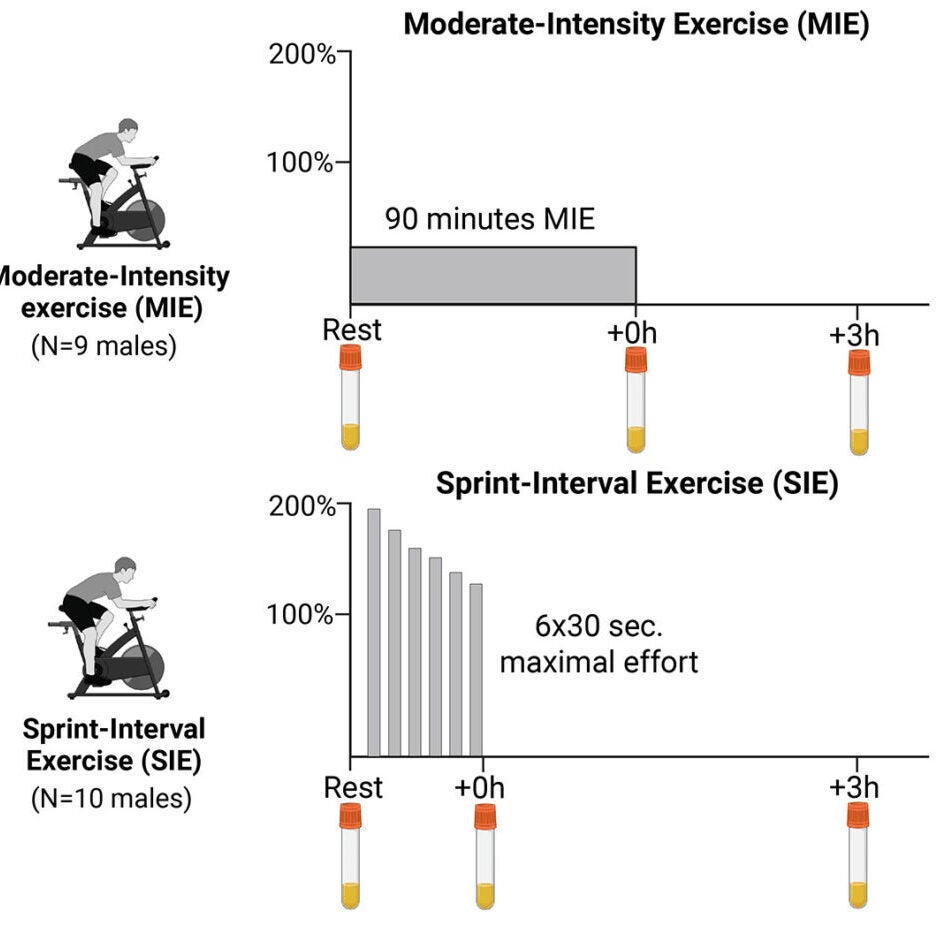
The researchers wanted to know whether sprinting and moderate exercise send different messages through the blood. To test that, they compared sprint-interval exercise with moderate-intensity exercise.
The sprint workout included six 30-second all-out cycling bursts, separated by four-minute rests. The moderate cycling session lasted 90 minutes at a steady pace.
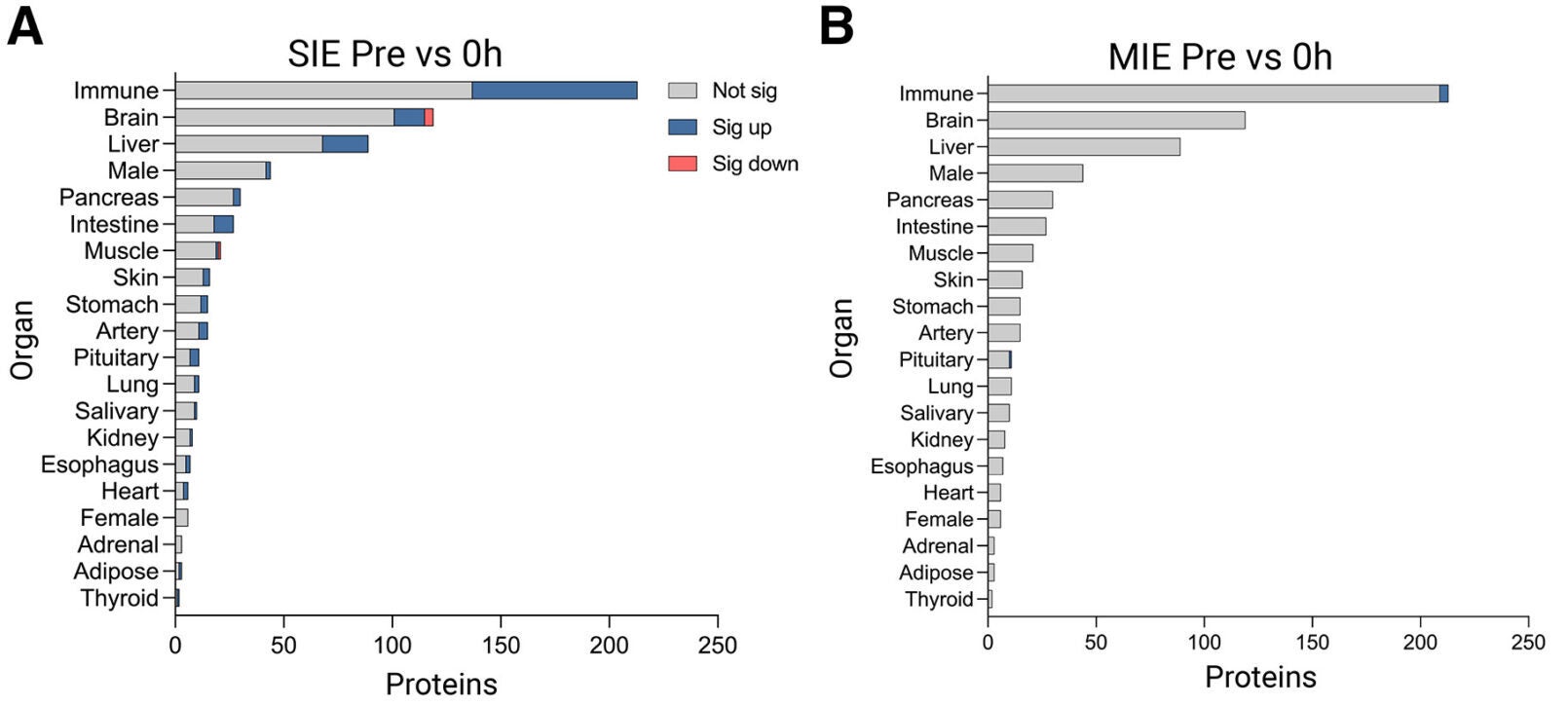
The team measured 2,884 proteins in blood plasma. Sprinting caused the largest immediate shift.
Right after sprint-interval exercise, 714 proteins changed significantly. That is nearly one-quarter of all proteins measured.
Moderate cycling looked very different. Immediately afterward, only seven proteins changed. Three hours later, 19 proteins had shifted.
Moderate treadmill running produced more protein changes than moderate cycling. Still, it changed far fewer proteins than sprinting.
This suggests that intense exercise creates a rapid, powerful wave of blood signals. Moderate exercise appears to create a slower and more modest response.
Sprinting increased proteins involved in blood-vessel growth, tissue remodeling and hormone signaling. These changes appeared almost immediately after exercise.
Some proteins may have entered the blood through a rapid process called ectodomain shedding. In plain language, parts of proteins already sitting on cell surfaces were clipped off and released.
That matters because the body did not need to make new proteins from scratch. It could quickly send signals using pieces already in place.
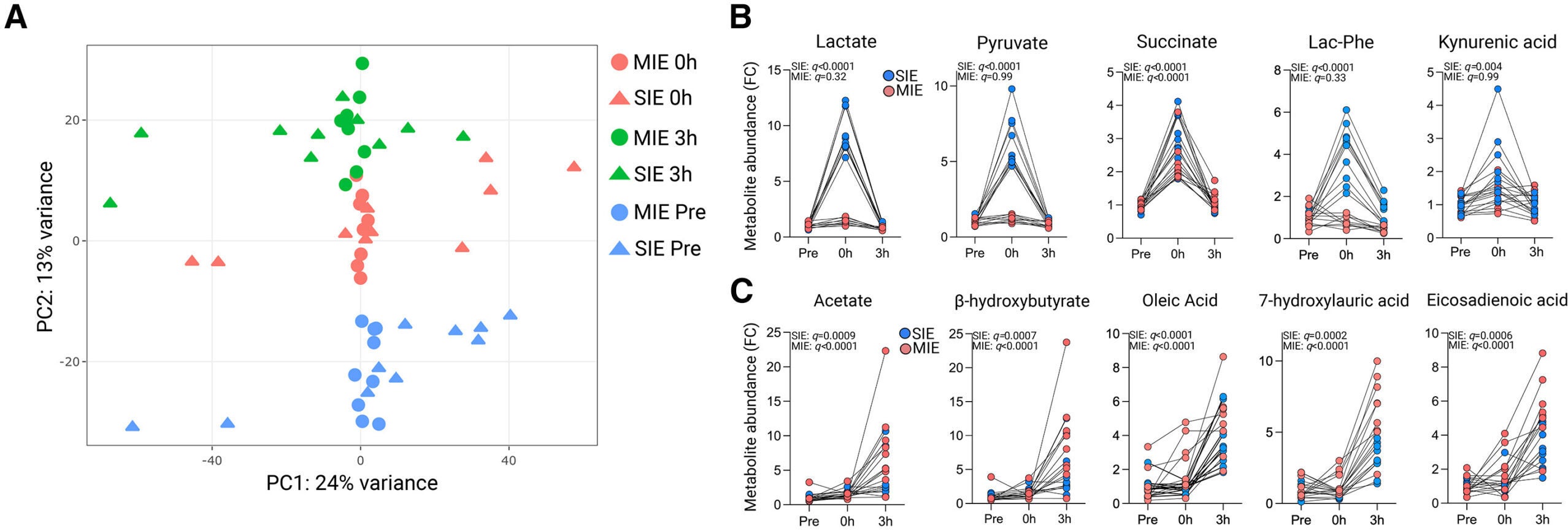
The sprint workout also changed more than 200 metabolites. These small molecules reflect how the body uses energy.
Several sprint-related metabolites pointed to high energy demand. They included molecules linked to intense fuel use and ATP turnover, the process that powers cells.
Moderate exercise did not produce the same immediate protein surge. Its stronger signals appeared later, during recovery.
Three hours after moderate cycling, researchers saw a wave of fatty acids and liver-derived proteins. These signals fit the demands of longer endurance-style exercise.
That delayed response may reflect how the body manages fuel over a longer session. A 90-minute workout can draw on fat metabolism, liver energy stores and hormone balance.
So the study does not suggest moderate exercise is unimportant. Instead, it shows that different workouts may improve health through different biological routes.
Sprint exercise sends a fast, sharp signal. Moderate exercise sends a slower, steadier one.
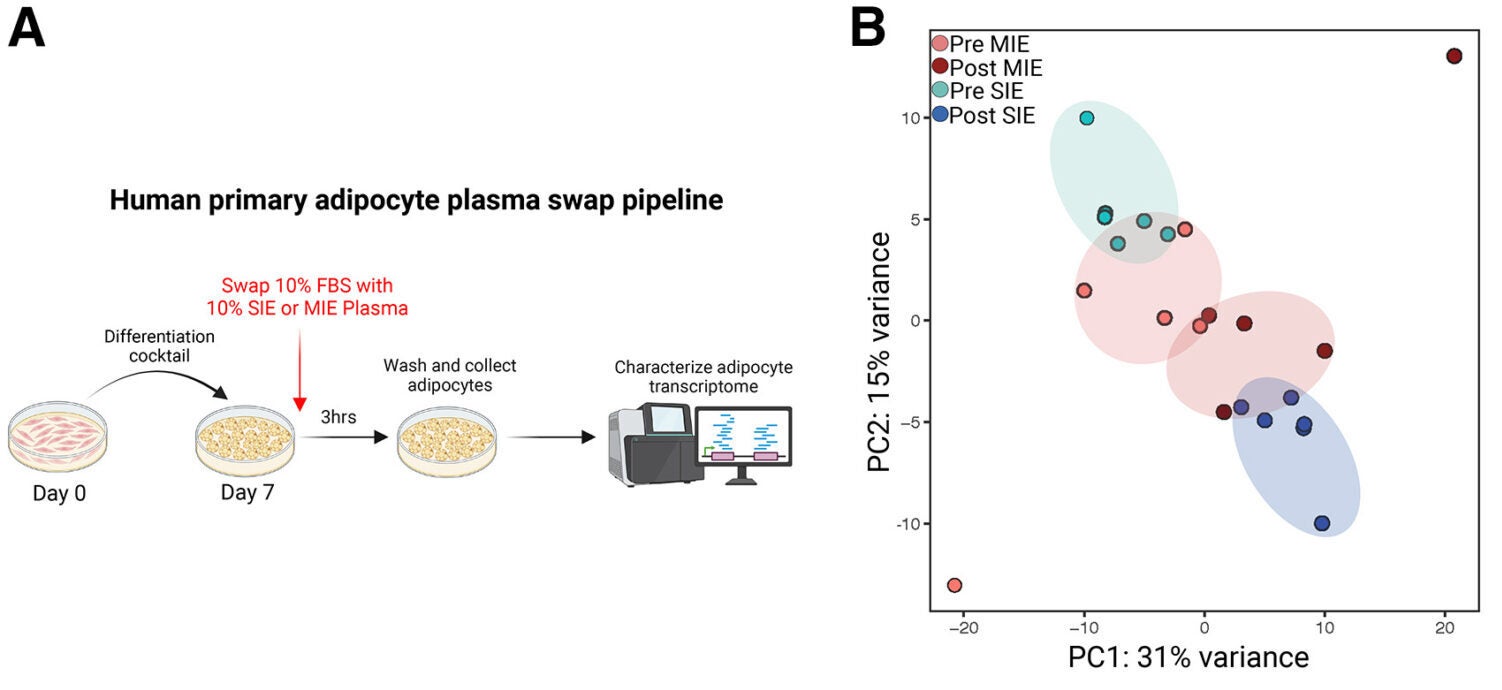
The researchers also tested how blood collected after exercise affected human fat cells. They exposed fat cells to plasma taken before and after the workouts.
Blood collected after sprinting caused extensive changes in fat-cell gene activity. The cells shifted genes involved in fuel processing, hormone response and nutrient sensing.
Blood collected after moderate cycling caused only minor changes in fat-cell gene activity.
This suggests that sprinting does not only affect the muscles doing the work. It also changes the blood in ways that other tissues can detect.
Fat tissue may be one important target of these exercise signals. That matters because fat tissue plays a major role in metabolic health.
One key question was whether the sprint response only happened because the exercise felt unfamiliar. The researchers tested this by repeating the workouts after eight weeks of training.
Many sprint-related protein changes still appeared after training. That suggests the response was not just a sign of early struggle or poor fitness.
Instead, the body may respond to intense effort in a distinct way, even after it adapts to regular exercise.
“It’s well appreciated that different intensities of exercise stimulate distinct body-wide adaptations,” said Luke Olsen, the postdoctoral fellow who conducted the studies. “However, the molecular mechanisms linking these intensity-dependent adaptations have remained largely elusive. Our work suggests that exerkines–proteins and metabolites released into the bloodstream following exercise–are highly sensitive to exercise intensity and may be the key mediators of the health-promoting effects of short bursts of vigorous exercise”.
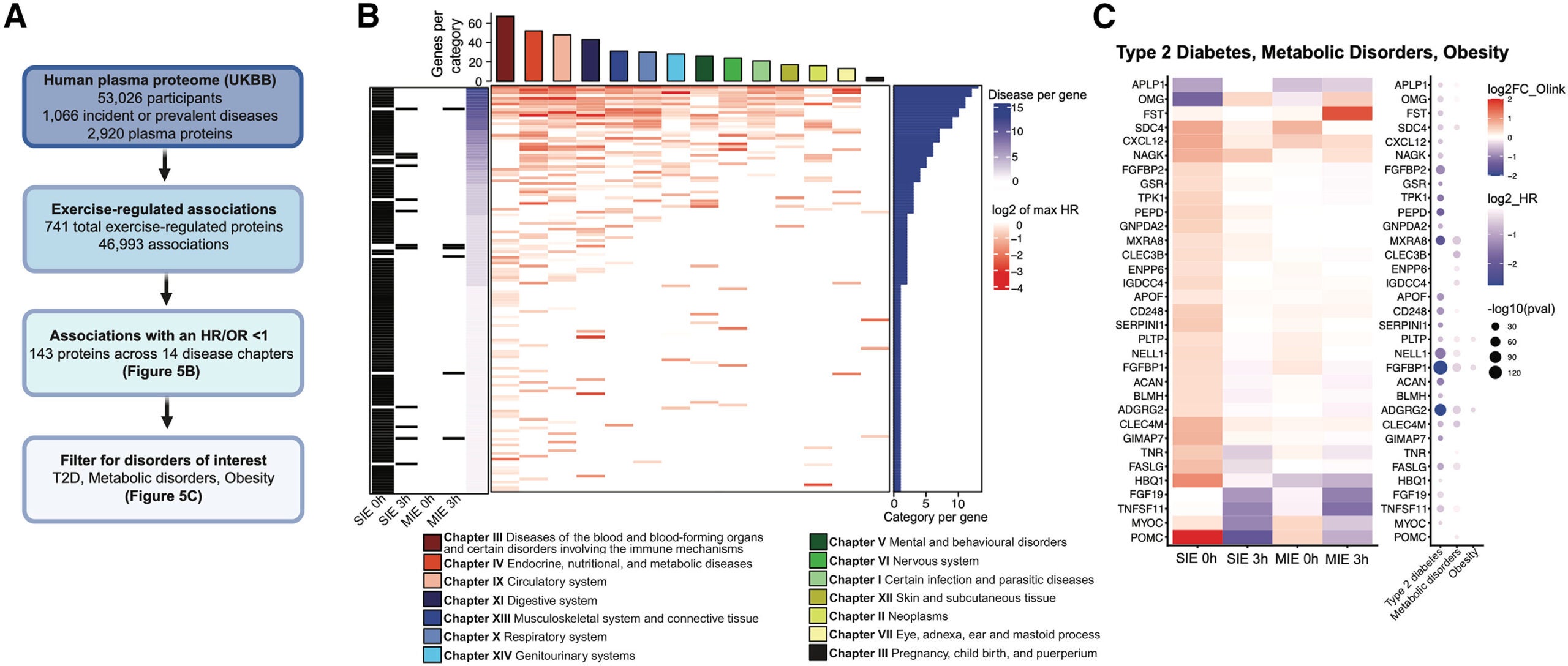
The team also compared exercise-responsive proteins with health data from more than 53,000 people in the UK Biobank. Many of the proteins were linked with lower risk of cardiovascular and metabolic disease.
The connection stood out most for obesity, type 2 diabetes and other metabolic disorders. Of 33 proteins linked with lower disease risk, 32 changed after sprinting.
Only three of those 33 proteins changed after moderate exercise.
More than one-quarter of these proteins were also linked with slower biological aging. That does not prove the proteins cause better health. But it gives scientists a strong list of targets for future study.
The findings may help explain why short bursts of vigorous activity can produce broad health benefits.
The research does not mean everyone should abandon moderate exercise. Longer, steady workouts have proven benefits for heart health, endurance, mood and overall fitness.
The study also had limits. The main exercise group was small and focused on young, active, metabolically healthy males. Future studies need to include larger and more diverse groups.
Researchers also need to learn where each blood signal comes from and where it acts. Muscle, liver, fat and immune cells may all contribute.
Still, the core message is clear. Exercise intensity changes the body’s bloodstream signals in powerful ways.
A short sprint session can start a bodywide conversation that reaches far beyond working muscles.
This research could help scientists design more precise exercise plans for different health goals. If intense and moderate workouts use different molecular pathways, doctors may one day tailor exercise prescriptions more carefully.
The findings may matter for people at risk of metabolic disease. Sprint-style exercise changed many proteins linked with lower risk of obesity, type 2 diabetes and related disorders. Future studies could test whether these signals help drive real improvements in patients.
The work may also guide drug discovery. If researchers identify which exerkines produce health benefits, they may uncover new treatment targets. That could help people who cannot safely perform intense exercise.
For humanity, the study reinforces a hopeful idea. Even brief movement can trigger deep biological change. Your body does not only count minutes; it also responds to effort, intensity and the signals those moments create.
These resources explore how exercise intensity changes molecular signaling between tissues, how those signals affect metabolism and immune function, and what interval training may mean for long-term health.
Acute exercise rewires the proteomic landscape of human immune cells
This human crossover study found that high-intensity interval exercise produced stronger changes in immune-cell proteins than moderate continuous exercise, reinforcing the idea that intensity can shape the body’s molecular response. (Nature Communications, 2026)
Gut microbiome-adipose crosstalk modulates soluble IL-6 receptor influencing exercise responsiveness in glycemic control and insulin sensitivity
This research identifies an adipose-derived exercise signal involved in glucose control and insulin sensitivity, offering a closer look at how fat tissue can participate in the body-wide communication triggered by physical activity. (Cell Metabolism, 2025)
Comparative effects of high-intensity and sprint interval training on cardiorespiratory fitness and body composition: a systematic review with meta-analysis
Across nine randomized trials involving 666 participants, both sprint and high-intensity interval training improved cardiorespiratory fitness and reduced body fat, although responses varied with participants’ health and fitness status. (Frontiers in Physiology, 2025)
Temporal dynamics of the multi-omic response to endurance exercise training
The NIH-supported MoTrPAC project mapped thousands of exercise-related molecular changes across blood and 18 tissues, revealing widespread effects on metabolic, immune, mitochondrial and stress-response pathways during endurance training. (Nature, 2024)
Exerkines and cardiometabolic benefits of exercise
This review examines how exercise-released molecules coordinate communication among organs and may contribute to improvements in glucose regulation, cardiovascular function and other aspects of metabolic health. (Nature Cardiovascular Research, 2024)
Research findings are available online in the journal Cell Reports Medicine.
The original story “Three minutes of sprinting linked to lower risks of diabetes and obesity” is published in The Brighter Side of News.
Like these kind of feel good stories? Get The Brighter Side of News’ newsletter.
The post Three minutes of sprinting linked to lower risks of diabetes and obesity appeared first on The Brighter Side of News.


Leave a comment
You must be logged in to post a comment.