Sleep may carry early clues about Alzheimer’s disease long before memory problems appear. New research from the University of Liège suggests that frequent tiny awakenings during the night may relate to higher genetic risk of the disease in middle-aged adults.
The study analyzed sleep patterns in more than 500 healthy people. Most were young adults ages 18 to 31, while others were ages 50 to 69. Researchers found that middle-aged participants with higher genetic risk had more nocturnal micro-awakenings.
These brief bursts of brain activity do not fully wake you. You may not remember them in the morning. Yet they can disrupt the sleep cycle in subtle ways that may matter over time.
Alzheimer’s disease affects more than 220,000 people in Belgium. Around the world, researchers are trying to find changes that appear before the first signs of memory loss.
The University of Liège team, supported by the Stop Alzheimer’s Foundation, explored whether sleep could offer one of those early clues. They focused on healthy people, not patients already showing symptoms.
The researchers calculated each participant’s polygenic risk for Alzheimer’s disease. This score summarizes the combined influence of many genetic factors.
The researchers stressed that this score remains limited. It cannot predict who will develop Alzheimer’s disease. It only gives a broad estimate of inherited vulnerability.
The team then compared genetic risk with sleep characteristics. Among young adults, they found no link between Alzheimer’s genetic risk and micro-awakenings.
Among middle-aged adults, the pattern changed. Higher genetic risk went along with more frequent micro-awakenings during sleep.
These moments are not the same as waking fully. They are short periods when brain activity rises enough to interrupt sleep structure.
“These micro-awakenings are therefore not insignificant,” said Puneet Talwar, a researcher at the GIGA ULiège laboratory, “certain profiles could promote the accumulation of proteins involved in Alzheimer’s disease and be associated with increased vulnerability.”
That finding does not mean restless sleep causes Alzheimer’s disease. It also does not mean micro-awakenings can diagnose it. But the connection gives scientists a reason to keep looking.
Sleep helps the brain recover, organize memory and regulate important biological systems. During deep sleep and REM sleep, the brain changes its activity in ways that support learning and mental health.
Poor sleep has long been linked with brain aging and neurological disease. Scientists have studied sleep problems in Alzheimer’s, Parkinson’s disease and other conditions.
This new work adds a different angle. It suggests that sleep disruption may appear before obvious symptoms, at least in people with greater inherited risk.
That possibility matters because Alzheimer’s disease develops slowly. Brain changes can begin years before a person or family notices memory loss.
If sleep shows early signs of vulnerability, it could one day help guide prevention research.
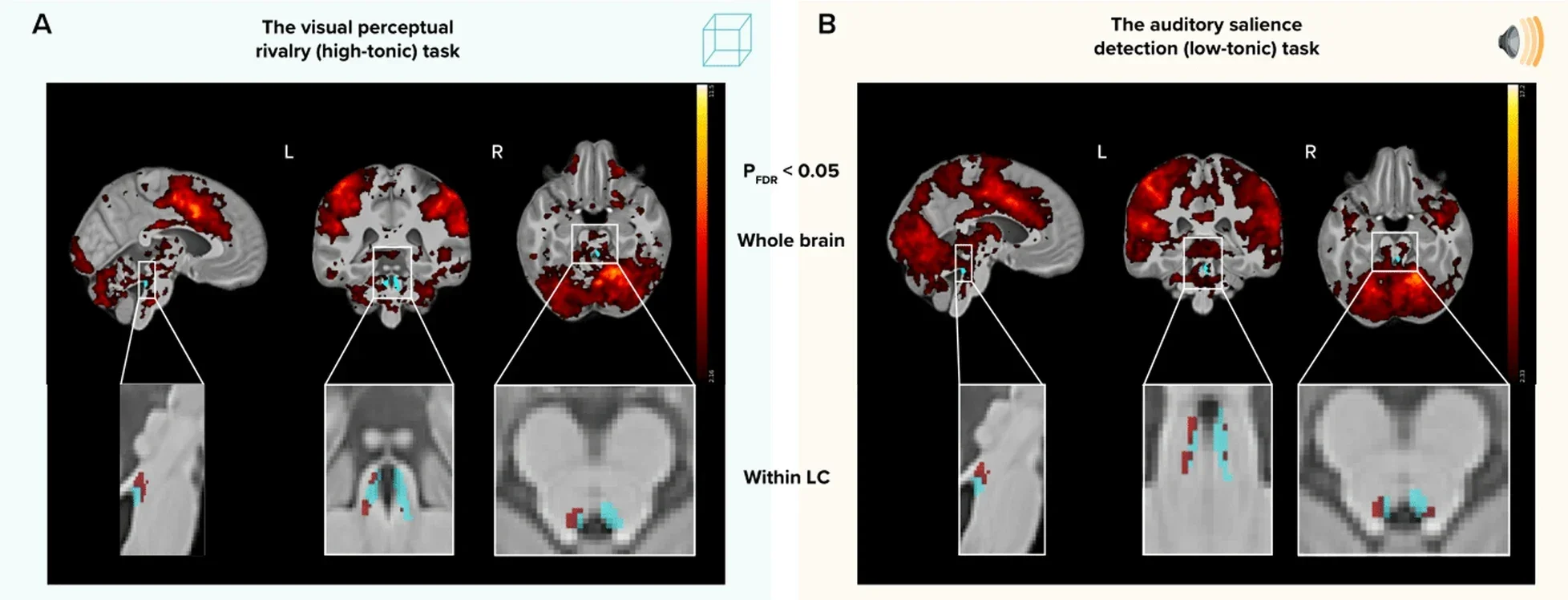
The researchers also looked toward a small brain region called the locus coeruleus. It sits deep in the brainstem and is about the size of a grain of rice.
This region helps regulate wakefulness, attention and sleep. It produces norepinephrine, a chemical messenger tied to alertness and arousal.
“This region is difficult to observe, but it appears to play a role in the early mechanisms linked to the disease,” said Gilles Vandewalle, co-director of the GIGA CRC In Vivo Imaging technology platform and Fund for Scientific Research, FNRS Research Director at ULiège.
The locus coeruleus draws special interest because abnormal protein deposits can appear there very early. Some deposits may appear as early as adolescence, though scientists still do not fully understand what that means.
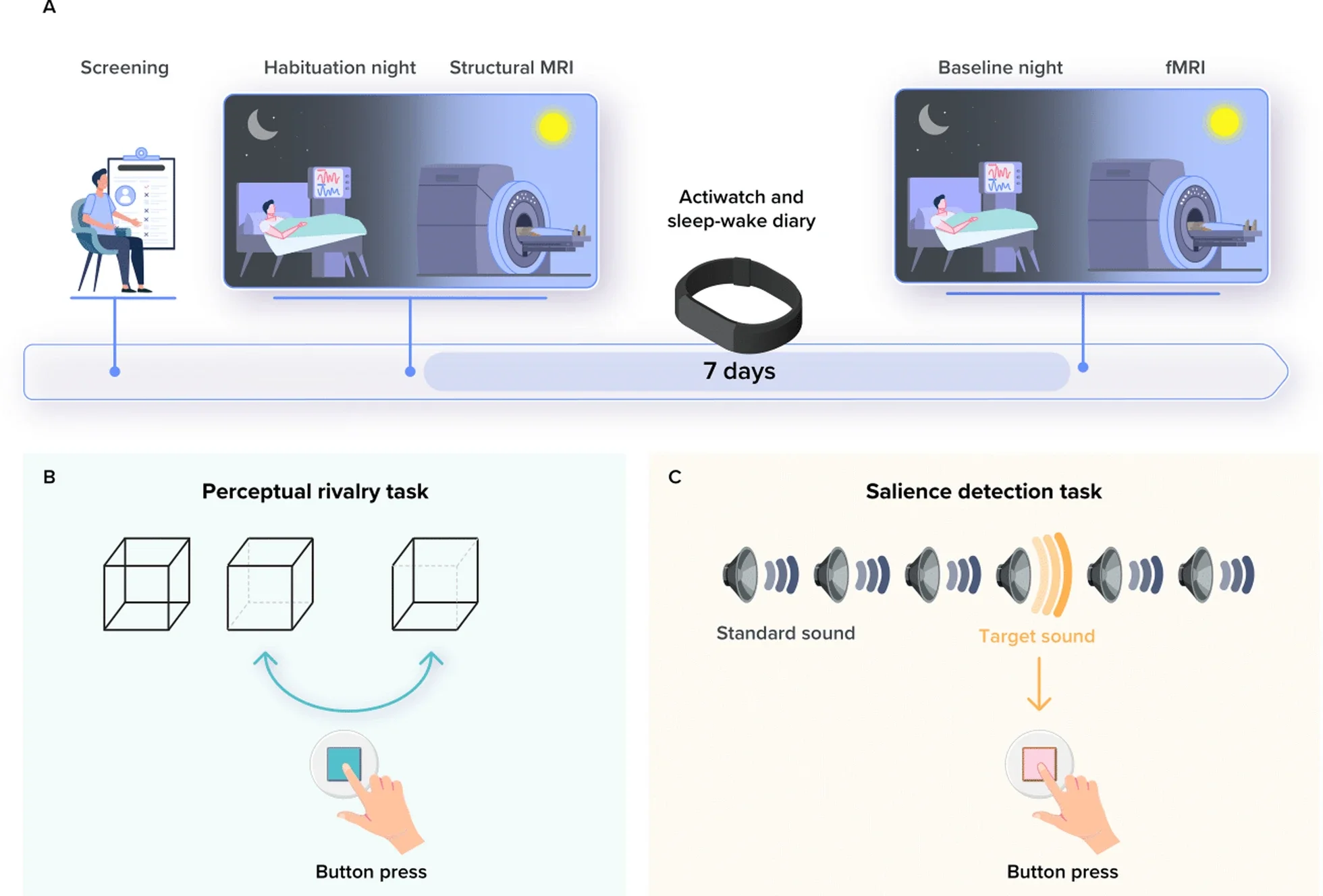
The University of Liège team had already studied the locus coeruleus using a powerful 7-Tesla MRI scanner. In preliminary work published in 2025, they examined this small region in detail.
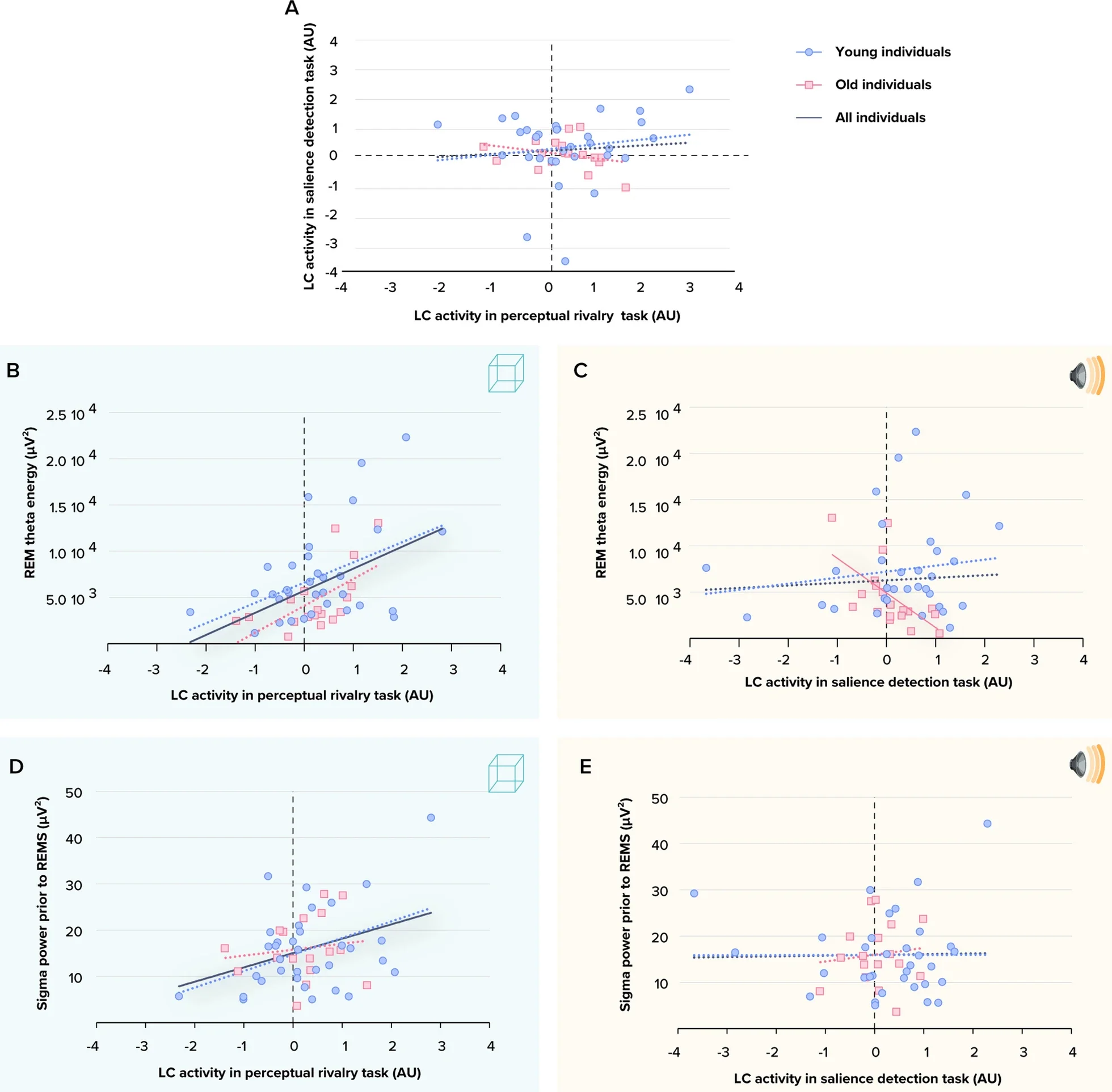
That earlier work found that sleep quality was linked to the state of the brainstem from a young age. Factors included how quickly someone fell asleep and how deep their sleep became.
The team also found that proper locus coeruleus function depended on REM sleep quality. REM sleep is the stage often tied to dreaming, memory and emotional processing.
This is important because memory is central to Alzheimer’s disease. If REM sleep and locus coeruleus health are connected, they may help scientists understand early vulnerability.
The new findings remain statistical associations. They cannot show that micro-awakenings cause Alzheimer’s disease. They also cannot predict the disease in an individual person.
That caution is essential. Many people sleep poorly and never develop Alzheimer’s disease. Others may sleep well and still develop it.
Polygenic risk also has limits. Alzheimer’s disease is not purely inherited, but it is not independent of genes either. Lifestyle, age, brain health and other factors all matter.
The study’s value lies in pointing to a possible early marker. It gives researchers another clue to test in longer and larger studies.
If future studies confirm the findings, sleep analysis could become part of early risk assessment. Doctors might one day combine sleep measures with genetics, brain imaging and other tools.
“Sleep could become an accessible marker for the early identification of vulnerable individuals,” Vandewalle said.
Sleep has one major advantage. It can be measured without invasive tests. Wearable devices and home sleep tools continue to improve, though clinical-grade tools remain more reliable.
Still, the idea is powerful. A night of sleep may contain useful information about brain health years before symptoms begin.
The research also raises a practical question. If sleep disruption relates to Alzheimer’s vulnerability, could better sleep reduce risk or slow disease processes?
Scientists do not yet know. But sleep is one of the few brain health factors that people can often improve.
“This research shows that sleep is not only an indicator of health, but also a potential lever for intervention,” said Lucie Leroux, head of French-speaking activities at the Stop Alzheimer’s Foundation.
That does not mean sleep hygiene can prevent Alzheimer’s disease by itself. But better sleep may support broader brain health, especially when paired with exercise, medical care and healthy aging habits.
This research could help scientists identify people at higher Alzheimer’s risk before symptoms appear. If future studies confirm the link, sleep analysis may become part of early screening tools. That could help researchers study prevention sooner, when the brain may still have more resilience.
The findings may also guide new treatments focused on sleep quality. Micro-awakenings, REM sleep and locus coeruleus function could become targets for future studies. Improving sleep may one day help reduce vulnerability in people with higher genetic risk.
For families, the work offers cautious hope. Alzheimer’s disease often feels invisible until memory changes begin. A better understanding of early sleep signals could give doctors more time to act.
For humanity, the deeper value is prevention. Learning how sleep reflects brain health may help researchers anticipate disease earlier. It may also make brain care more accessible, personal and proactive.
These studies explore how sleep fragmentation, brainstem activity, amyloid biology and cognitive decline may interact before and during Alzheimer’s disease.
REM sleep quality is associated with balanced tonic activity of the locus coeruleus during wakefulness: University of Liège researchers used ultra-high-field imaging and sleep measurements to examine how locus coeruleus activity during wakefulness relates to subsequent REM sleep quality. (Journal of Biomedical Science, 2025)
Relationship between locus coeruleus and slow-wave sleep in aging and Alzheimer’s disease: This study connects structural integrity of the locus coeruleus with slow-wave activity across healthy aging, mild cognitive impairment and Alzheimer’s disease. (Alzheimer’s & Dementia, 2026)
Sleep Fragmentation and the Risk of Incident Alzheimer’s Disease and Cognitive Decline in Older Persons: A prospective study of older adults found that greater sleep fragmentation was associated with subsequent Alzheimer’s diagnosis and faster cognitive decline. (SLEEP, 2013)
Slow wave sleep disruption increases cerebrospinal fluid amyloid-β levels: An experimental study found that disrupting slow-wave activity in healthy adults was associated with an increase in cerebrospinal-fluid amyloid-beta, providing evidence that specific sleep processes may influence Alzheimer’s-related biology. (Brain, 2017)
Timely coupling of sleep spindles and slow waves linked to early amyloid-β burden and predicts memory decline: Research in healthy late-middle-aged adults connected altered sleep microstructure with greater amyloid burden and subsequent memory decline. (Communications Biology, 2022)
Research findings are available online in the journal SLEEP.
The original story “Tiny sleep interruptions may signal Alzheimer’s risk long before symptoms appear” is published in The Brighter Side of News.
Like these kind of feel good stories? Get The Brighter Side of News’ newsletter.
The post Tiny sleep interruptions may signal Alzheimer’s risk long before symptoms appear appeared first on The Brighter Side of News.


Leave a comment
You must be logged in to post a comment.