The site of Gesher Benot Ya’aqov (GBY), along the ancient shores of Lake Hula in northern Israel, represents an archaeological record that dates back approximately 800,000 years and records evidence of human habitation by successive hunter-gatherer populations over hundreds of thousands of years.
Evidence from GBY shows that early humans returned repeatedly to the site for a variety of reasons, including butchering large mammals, stone tool manufacture, and gathering plant food items. The use and maintenance of fires was central to their lifestyle.
A recent study of charcoal from GBY provides a new perspective on the way in which early humans understood the environment around them, suggesting that the inhabitants of the GBY site developed their routines around those features in the landscape that would have enabled them to create and maintain fires on a routine basis.
GBY is one of the more complete records of long-term occupancy by hunter-gatherers at one location in the world and contains over 20 separate archaeological levels representing the remains of hunter-gatherers returning to the same location over multiple generations.
Excavations at the site conducted by Professor Naama Goren-Inbar from the Hebrew University in Jerusalem have produced stone tools manufactured from flint, limestone, and basalt, as well as numerous animal remains and a large selection of different plant food items.
One well-preserved level of the site provides an excellent representation of the camp itself and has been dated to about the same general time period as a glacial phase in the northern regions of the Levant.
Among the remains located within the level of great interest are the skull and bones of a straight-tusked elephant, along with tools, plant remains, and other materials, which appear to represent the remains of a single episode of activity at the site by early inhabitants of GBY. The evidence from this site indicates that the elephant was likely hunted and butchered on site.
Part of the evidence of the importance of fire in the early human lifestyle at GBY comes from an exceptional collection of charcoal samples.
Charcoal rarely survives in such great condition at ancient archaeological sites. One of the many reasons why this current research is significant is due to the fact that most other early Paleolithic archaeology contains only fragments or disputed evidence for fire making. However, at GBY, they have an extraordinary amount of evidence related to numerous forms of burning that are present over tens of thousands of years.
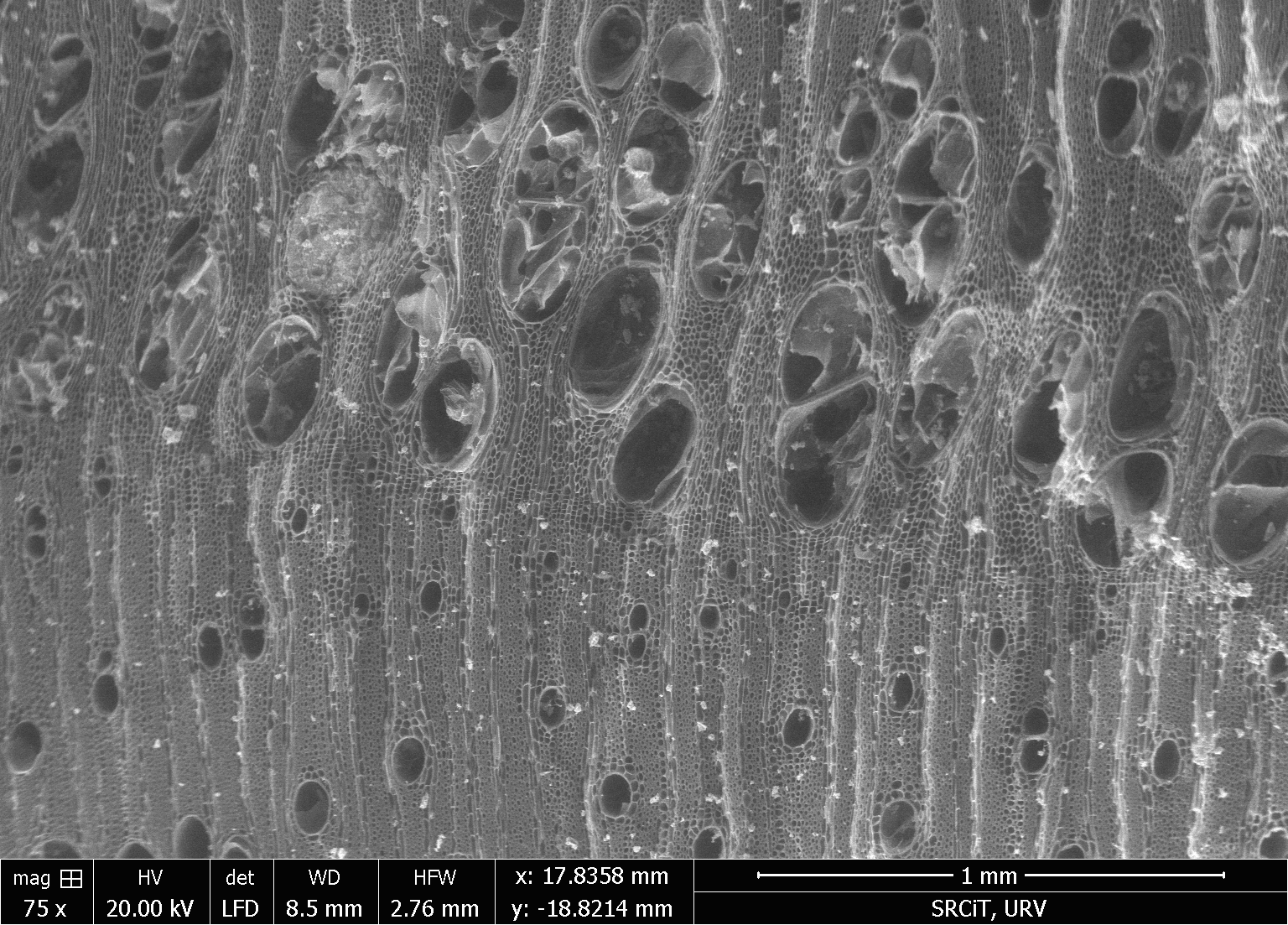
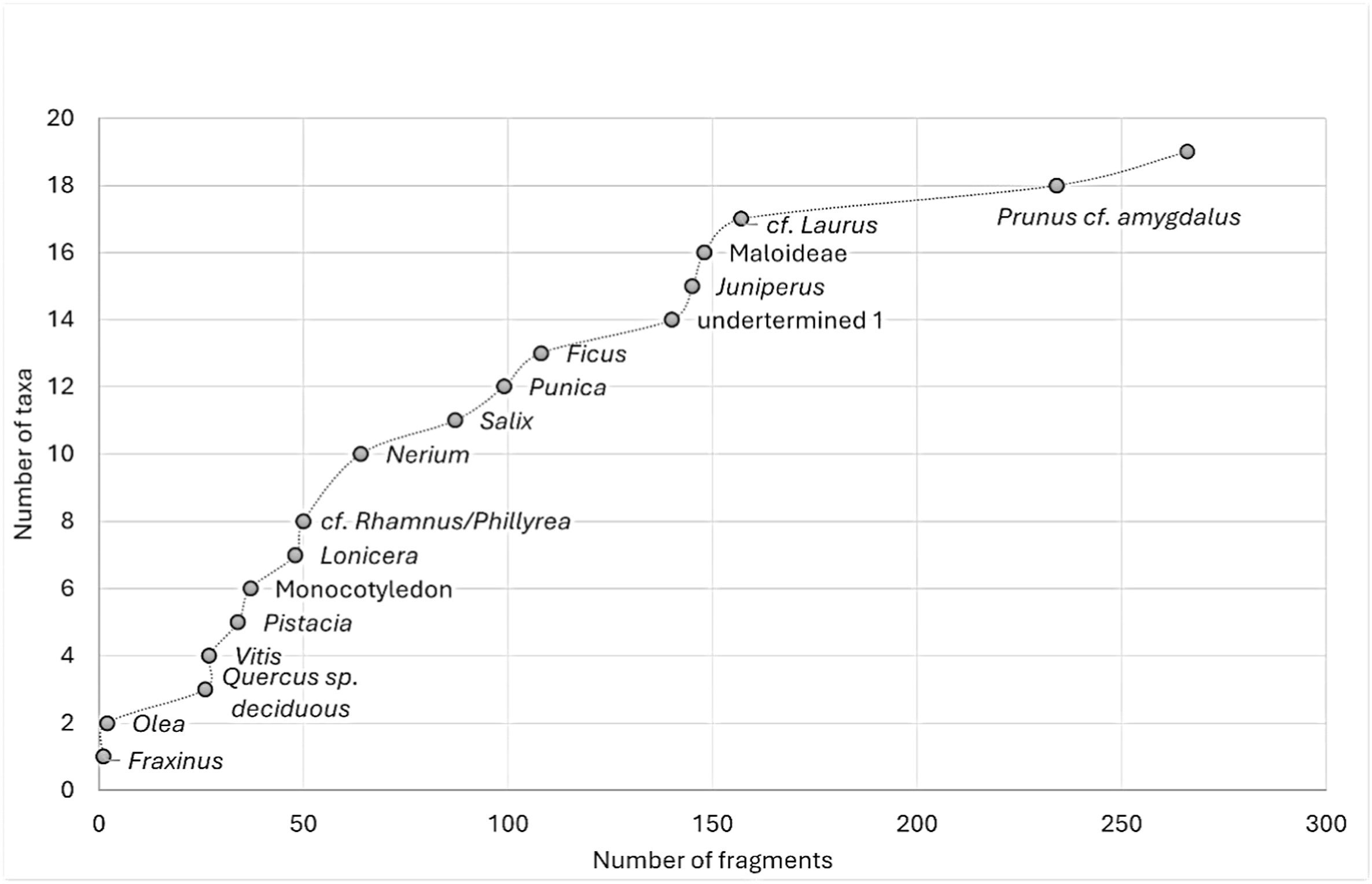
In this instance, the researchers concentrated on a single stratum dated around 780,000 years ago. They analysed 266 charcoal remnants that were recovered from the site and employed microscopy techniques to study the internal structure of the wood. This helped them identify the actual source of many of the burned pieces back to their original plant source.

The resulting list of plant sources identified was broader than they anticipated. Ash trees, willows, grapevines, oleanders, olives, oaks, pistachios, pomegranates, and several others were included. Interestingly enough, the pomegranate samples are regarded as being the oldest known evidence of this tree species in the region of the Levant.
A significant majority of the identified charcoal arose from the ash species, as it represents over half of the classified pieces of charcoal. Olive ranked second by comparison. However, the other types were present at lesser frequencies, although, when considered together, they provide insight into a greater degree of ecological diversity than would be anticipated for an area that is confined to a single coastal zone.
This ecological diversity represented in the charcoal remains is valuable, as it tells us about the overall diversity of plants that were present, rather than just the seeds, fruits, and unburned portions of the woody plants in the same stratum level.
Some other examples of plant habitats near water would be ash trees, which are frequently found near lakeshores, willow trees, and many other plants growing in water, such as grapes, olive trees, and reeds. All these plants grow on or near a lakeshore and take advantage of the rich variety of resources available to them from the lake itself and from the surrounding area.
According to these researchers, this mix of plant and animal life probably plays an important role in where the people who lived at GBY chose to live. The lakeshores provided food (fish), material for constructing boats, and important raw materials (wood) used to create fires.
It appears that rather than choosing one or two specific tree species to harvest for their firewood, the people living at GBY utilized mostly the wood available to them from the lake and the nearby rivers, including driftwood and deadwood. The charcoal analysed in this study indicates that these people had a relatively straightforward and effective strategy for using resources they encountered in their environment.
This does not, however, mean that the behaviour of the GBY individuals was some form of primitive behaviour. The fact that they used a variety of sources for their fuel demonstrates that their behaviour was, in some aspects, more complex than primitive behaviour.
The fact that they continuously maintained fire provides evidence of their capability over prolonged periods of time. As a result, having good access to fuel resources would have given the GBY individuals a distinct advantage in their daily life.
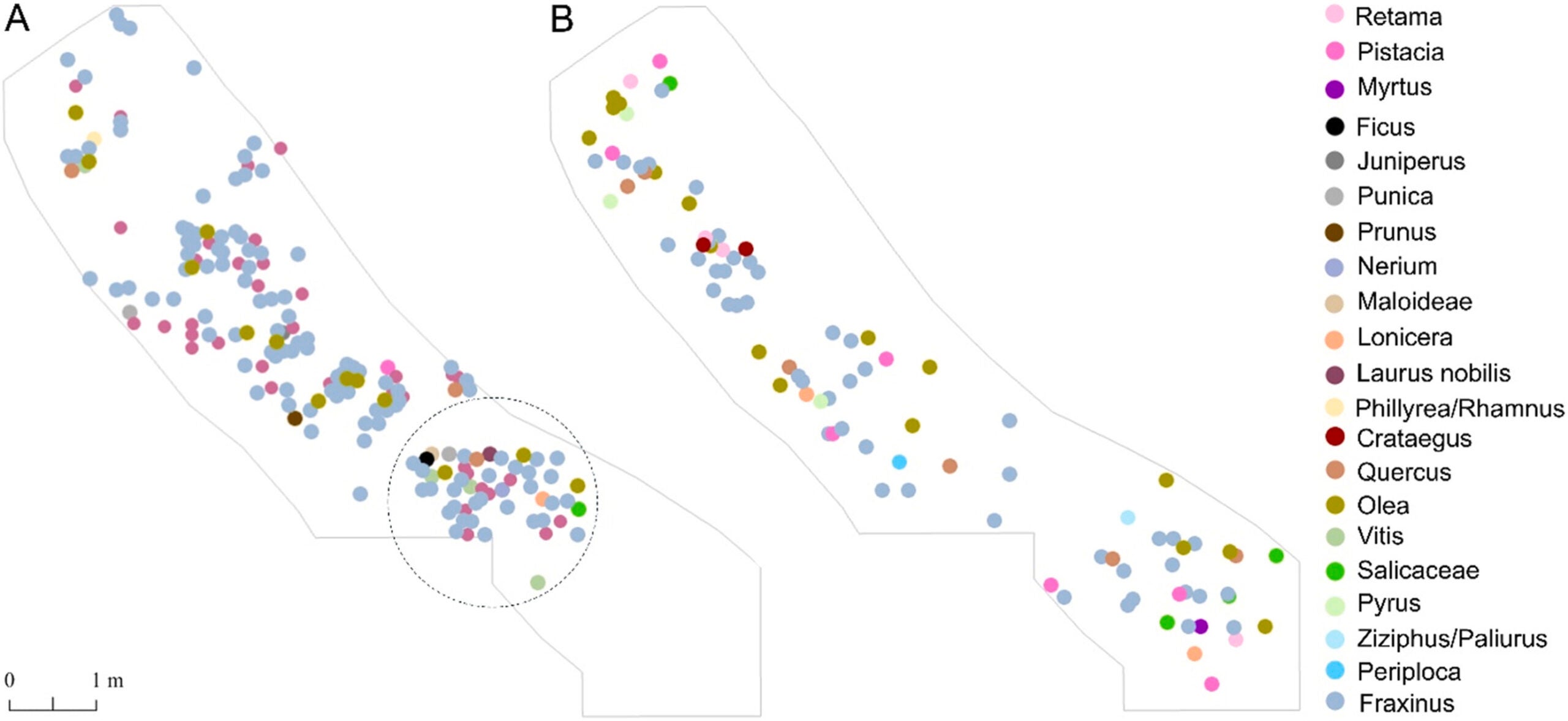
Discarded charcoal found at GBY was not in one place, but in many different clusters that were near one another. One of the larger clusters also had the largest variety of plant types located in the area. In addition, this same area also contained large quantities of fish remains, including many large carp teeth, which further supports the previous idea that people were cooking fish using controlled fire at this site.
In addition, previous research indicated that the carp remains found at GBY were burned in an intentional manner, as opposed to being accidentally exposed to heat. The addition of charcoal strengthens this type of thinking as well.
The use of fire at GBY was not an event that happened only rarely or coincidentally. Previous research has indicated that fire hearth areas support the manufacture of tools, preparation of food, and other activities.
Much of the work performed at the site, including any associated materials that may have been discarded, such as burned stone tools and burned plant remnants, indicates that fire was a multi-faceted process. This further strengthens previous research done at the site and provides additional information regarding its use.
At GBY, it appears that the people were organizing their social space around the cooking fire. In addition, their daily tasks were being performed in close proximity to the cooking fire. The types of tasks and organization around the use of the fire at GBY may indicate that gathering firewood was a frequent occurrence.
Where the lakeshore is located may be another reason why people continued to return to GBY, as it provided them with a dependable resource package. GBY was situated on a freshwater lake and was therefore surrounded by fish, plant materials, and fruits, and it provided an opportunity for hunting large game animals.
The location of GBY also offered easy access to toolstone materials, along with easy access to wood and other essential resources for cooking and social gathering.
Research has identified this type of site as a “home base,” where people brought together materials and food for processing. The presence of charcoal at GBY suggests that the people of this community recognized the value of a resource-rich location like GBY and continued to utilize it because the location limited the amount of effort expended while increasing the number of resources available.
The use of fire by the people of GBY has implications beyond providing warmth. It has implications for the manner in which all humans organized themselves and their surroundings, the way in which fire played a role in hunting, food gathering, and the manner in which the experiences and lives of the people became intertwined.
The study also provides a practical understanding of how our ancestors chose their locations for habitation and how they were able to keep fire going continuously throughout long periods.
In addition, the research provides evidence that access to fuel was just as important to early human settlement and use of fire, either for cooking or organizing daily activities, as access to water, food, and stone tools, which have all been utilized in the construction of the evolution of our species and culture.
Research findings are available online in the journal Quaternary Science Reviews.
The original story “Ancient charcoal from Israel reveals how early humans used fire” is published in The Brighter Side of News.
Like these kind of feel good stories? Get The Brighter Side of News’ newsletter.
The post Ancient charcoal from Israel reveals how early humans used fire appeared first on The Brighter Side of News.

