Losing about 10% of body weight improved metabolic health regardless of whether people ate ketogenic, Mediterranean or very-low-fat diets. Yet once researchers held weight loss nearly equal, the composition of those diets still made a measurable difference.
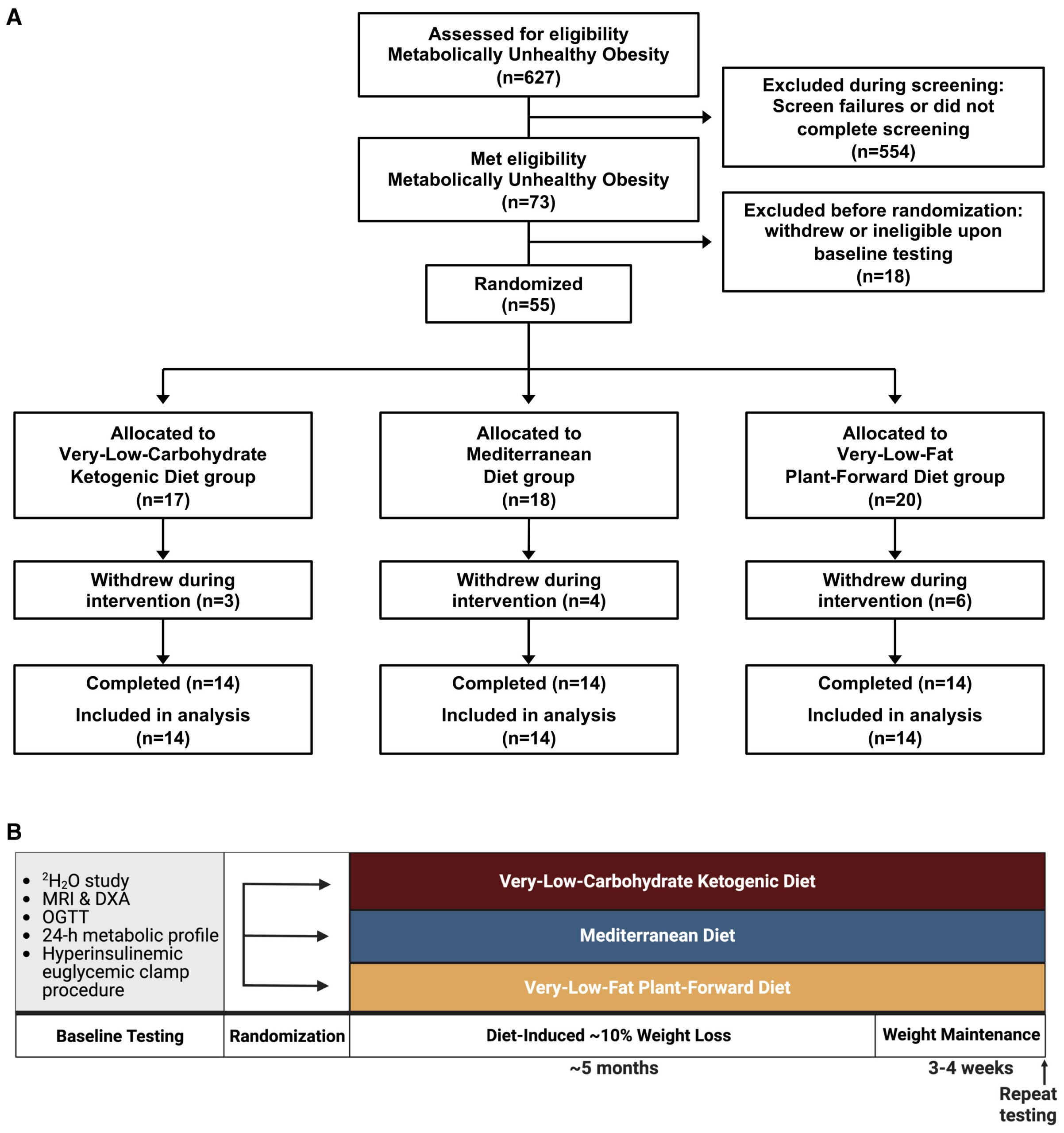
A randomized clinical trial at Washington University School of Medicine compared the three approaches in adults with obesity, prediabetes and fatty liver disease. Forty-two participants completed the intervention, with 14 in each diet group.
The ketogenic group showed the largest reductions in liver fat, daily glucose and insulin exposure and several other metabolic measures. About half also no longer met criteria for prediabetes after losing weight.
“Our data suggest that if you have high liver fat content and prediabetes, reducing carbohydrate intake can have important therapeutic effects on metabolism beyond just weight loss alone,” said corresponding author Samuel Klein.
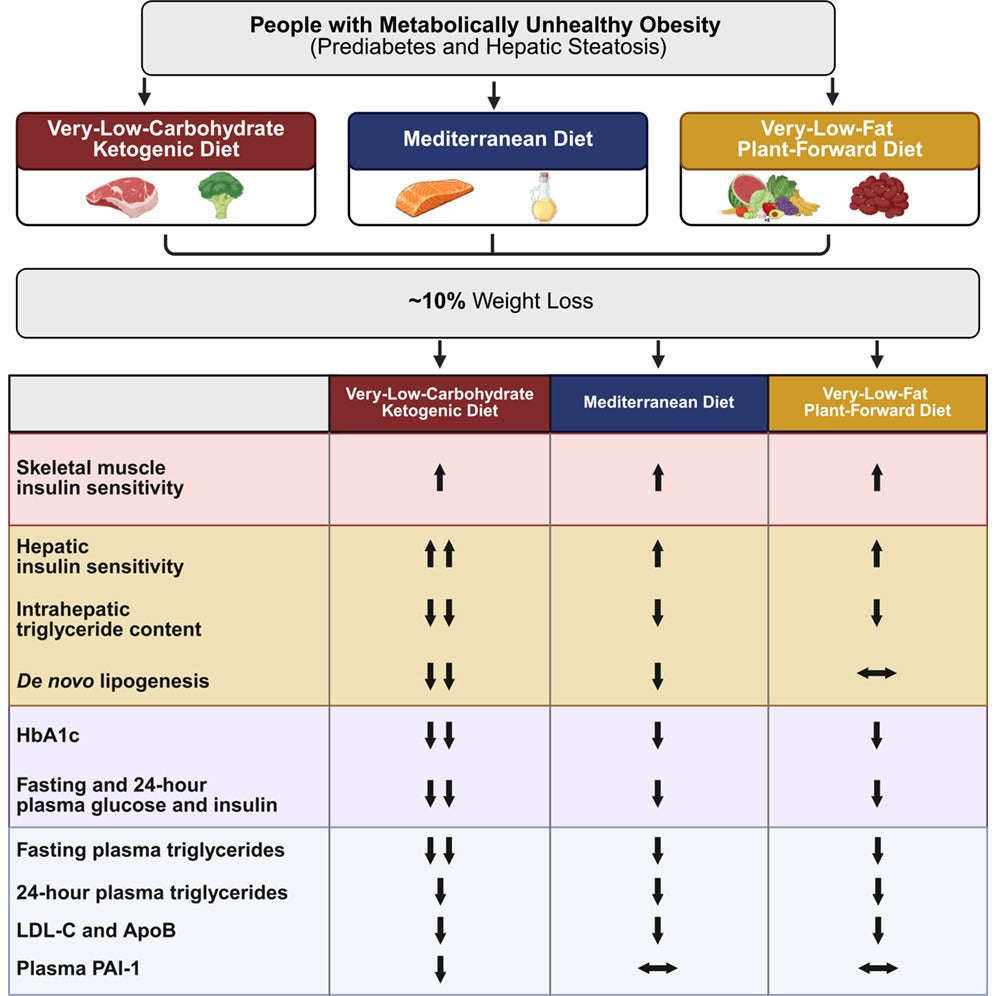
The diets differed sharply in how they divided carbohydrates and fat. The ketogenic plan supplied only 4% of calories from carbohydrates and 73% from fat. The Mediterranean diet provided 50% from carbohydrates and 35% from fat, while the plant-forward diet supplied 70% from carbohydrates and 15% from fat.
Researchers provided participants with their meals and snacks and adjusted calorie intake so each person lost approximately 10% of their starting weight. Participants also met weekly with a dietitian, and reported adherence exceeded 95%.
Weight loss ended up remarkably similar. The ketogenic group lost 10.4% of starting weight, compared with 10.2% in the Mediterranean group and 10.1% in the plant-forward group. Reaching those targets took roughly four to five months.
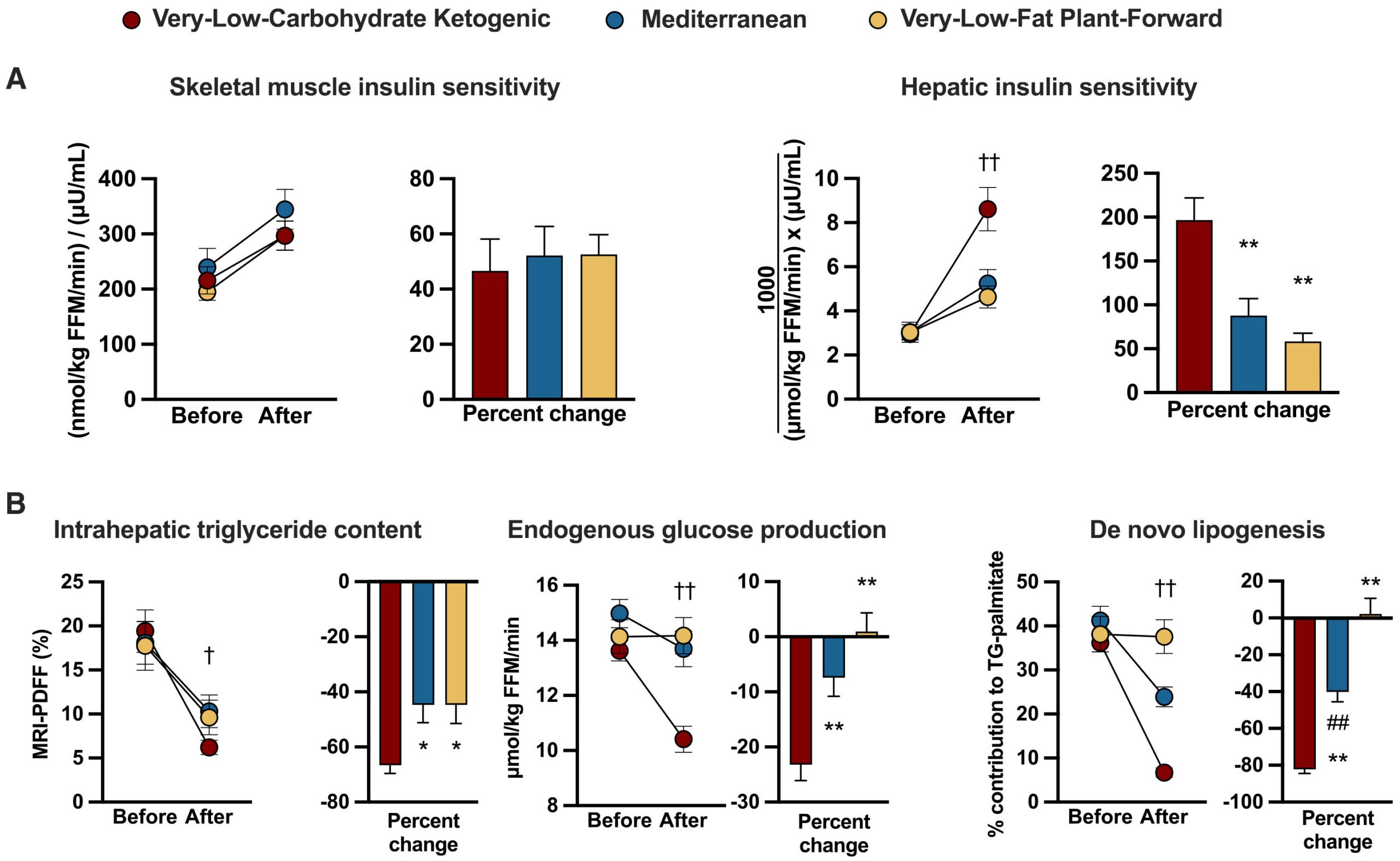
All three approaches reduced body fat and increased skeletal-muscle insulin sensitivity by about 50%. That similarity allowed the investigators to examine whether macronutrient composition produced additional effects beyond weight loss itself.
The largest difference appeared in the liver.
Liver fat fell by 67% in the ketogenic group, compared with 45% in both other groups. Measured liver triglyceride content declined from 19.4% to 6.2% with keto, from 18.1% to 10.3% with the Mediterranean diet and from 17.7% to 9.6% with the plant-forward diet.
Liver insulin sensitivity also improved two to three times more in the ketogenic group.
The liver’s production of new fat, called de novo lipogenesis, declined with both the ketogenic and Mediterranean diets but not with the very-low-fat plan. The reduction was greatest with carbohydrate restriction.
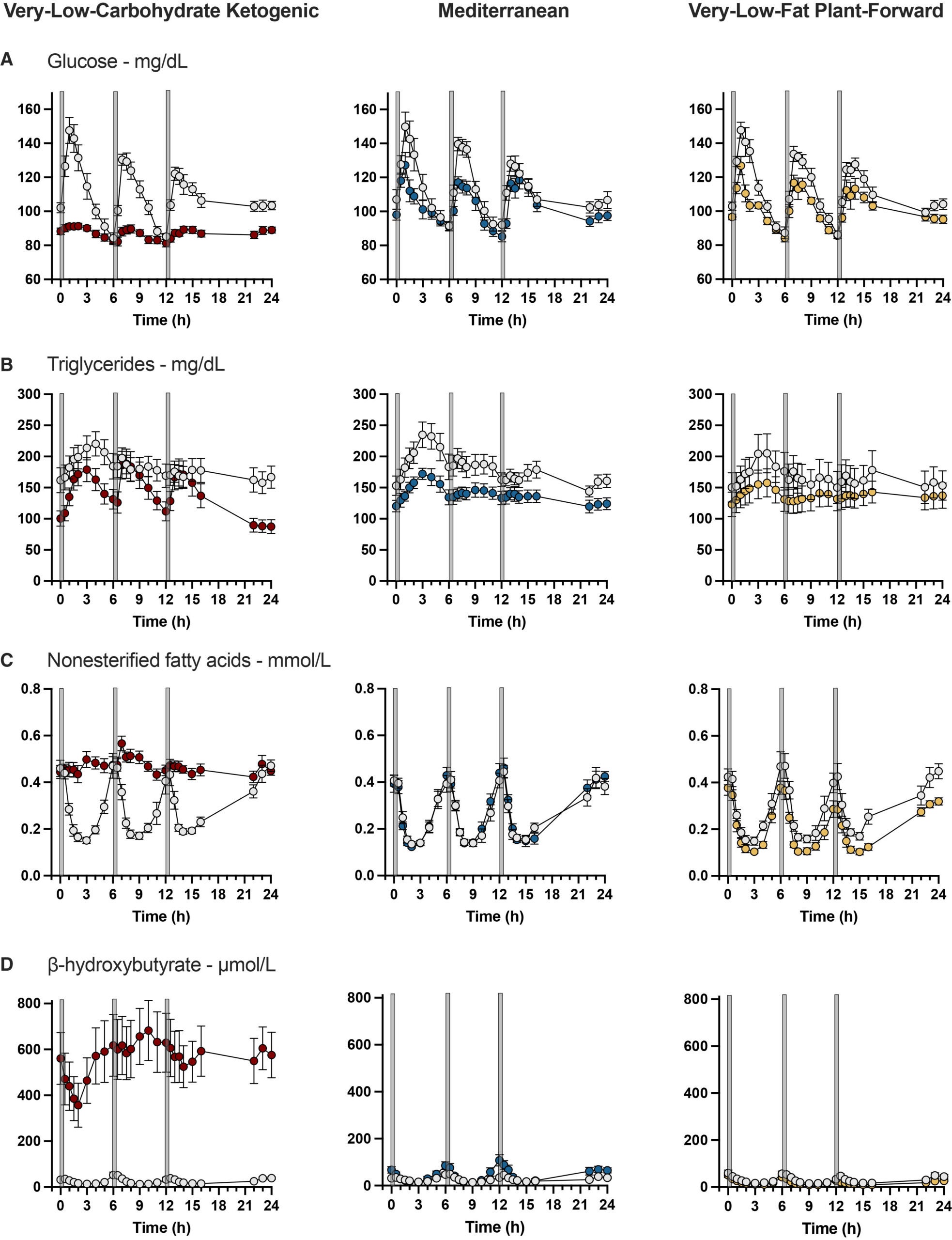
Researchers also monitored hormones and metabolites across a full 24-hour period. Daily insulin exposure fell 74% in the ketogenic group, compared with 44% on the Mediterranean diet and 27% on the plant-forward plan.
Glucagon moved in the opposite direction. Its 24-hour concentration increased 52% on keto but declined 32% and 41% in the Mediterranean and plant-forward groups.
Daily glucose exposure fell with every diet, but the reduction reached 20% with keto and 8% with each of the other approaches.
Fasting glucose declined from 97 to 85 milligrams per deciliter in the ketogenic group. The Mediterranean group went from 102 to 97, while the plant-forward group moved from 96 to 90.
HbA1c, a measure reflecting longer-term blood sugar, dropped from 5.6% to 5.0% with keto. Smaller reductions occurred in the other two groups.
Prediabetes status produced another noticeable difference. After the intervention, 50% of ketogenic participants no longer met prediabetes criteria. The proportions were 29% with the Mediterranean diet and 7% with the plant-forward diet.
The experiment did not, however, show improved function of the pancreatic beta cells that produce insulin. Beta-cell responses after glucose intake did not change significantly in any group.
The ketogenic plan contained far more saturated fat, about 23% of total energy, compared with 8% on the Mediterranean diet and 3% on the plant-forward diet.
That made the blood-lipid results notable.
“The most surprising finding was that participants in the ketogenic diet group didn’t experience an increase in blood fat or cholesterol levels despite consuming the most fat,” said first author Max Petersen.
Changes in LDL cholesterol, total cholesterol and apolipoprotein B did not differ significantly among the three groups. Twenty-four-hour triglyceride concentrations also fell similarly.
Fasting triglycerides declined most with keto, from 180 to 99 milligrams per deciliter. Several other metabolic and inflammatory markers also improved more in that group.
Those findings apply to this relatively small, closely supervised intervention. They do not establish what would happen during much longer use of the diets or in people with different metabolic conditions.
Providing all food gave the investigators unusually strong control over dietary intake. Participants also maintained stable weight for three to four weeks after reaching their weight-loss goal before undergoing final metabolic testing.
No serious adverse events occurred, and no participants left because of an adverse event.
Still, only 42 people completed the trial. The sample may have been too small to detect some meaningful differences, and four to five months cannot establish long-term cardiovascular, nutritional or metabolic effects.
The trial also cannot answer whether a less restrictive low-carbohydrate diet would produce similar results. Nor does it show whether someone must use the ketogenic diet during weight loss or could receive similar benefits by adopting it after losing weight.
The experiment helps separate two factors that are usually tangled together in diet studies: losing weight and changing what proportion of calories comes from carbohydrates and fat.
Weight loss itself clearly mattered. Every group lost about the same amount of weight, and all three improved body fat and insulin sensitivity.
But the liver responded differently depending on diet composition. For adults with obesity, prediabetes and fatty liver disease, very-low-carbohydrate eating produced larger short-term improvements in several liver and glucose measures under these tightly controlled conditions.
The findings do not establish one diet as universally healthiest or most sustainable. They instead suggest that clinicians studying metabolic disease may need to consider both the amount of weight lost and the dietary pattern used to achieve it.
Larger and longer trials will be needed to determine whether the metabolic advantages persist, whether cholesterol responses remain similar over time and how feasible the diets are outside a research setting.
These studies and reviews examine how carbohydrate restriction, Mediterranean diets and weight loss affect liver fat, glucose control and cardiovascular risk.
Effect of a ketogenic diet versus Mediterranean diet on glycated hemoglobin in individuals with prediabetes and type 2 diabetes mellitus: The interventional Keto-Med randomized crossover trial: This crossover trial found similar HbA1c outcomes with ketogenic and Mediterranean-style diets, while keto lowered triglycerides more but raised LDL cholesterol and reduced some nutrient intake. (The American Journal of Clinical Nutrition, 2022)
Beneficial Effects of Carbohydrate Restriction in Type 2 Diabetes Can Be Traced to Changes in Hepatic Metabolism: A randomized trial in adults with type 2 diabetes linked ketogenic eating to lower liver fat and reduced de novo lipogenesis compared with a weight-maintaining low-fat diet. (The Journal of Clinical Endocrinology & Metabolism, 2026)
The impact of dietary interventions on liver health biomarkers in individuals with metabolic dysfunction-associated steatotic liver disease (MASLD): a systematic literature review and meta-analysis of randomized controlled trials: This meta-analysis found benefits from several dietary strategies, while emphasizing that larger, longer and better-standardized trials are still needed to compare approaches. (European Journal of Nutrition, 2026)
Impact of weight loss and reduction of ultra-processed foods on liver fat content in MASLD: A randomized controlled trial: This six-month trial compared Mediterranean, low-carbohydrate high-protein and standard dietary approaches in people with MASLD, adding evidence on how diet composition and weight loss interact in liver health. (JHEP Reports, 2026)
Ketogenic diet-induced changes in adult lipid metabolism: a comprehensive systematic review and meta-regression of randomized controlled trials: An analysis of 53 randomized trials examined how ketogenic diets affect cholesterol and other lipid measures, providing broader context for the cardiovascular questions raised by high-fat diets. (BMC Cardiovascular Disorders, 2026)
Research findings are available online in the journal Cell Metabolism.
The original story “Equal weight loss, different results: keto produced the largest liver changes” is published in The Brighter Side of News.
Like these kind of feel good stories? Get The Brighter Side of News’ newsletter.
The post Equal weight loss, different results: keto produced the largest liver changes appeared first on The Brighter Side of News.


Leave a comment
You must be logged in to post a comment.