A toad smaller than a human palm has rewritten part of Los Angeles’ Ice Age story. Fossils from La Brea Tar Pits belong to a previously unknown species, revealing how much the region’s climate and wildlife changed.
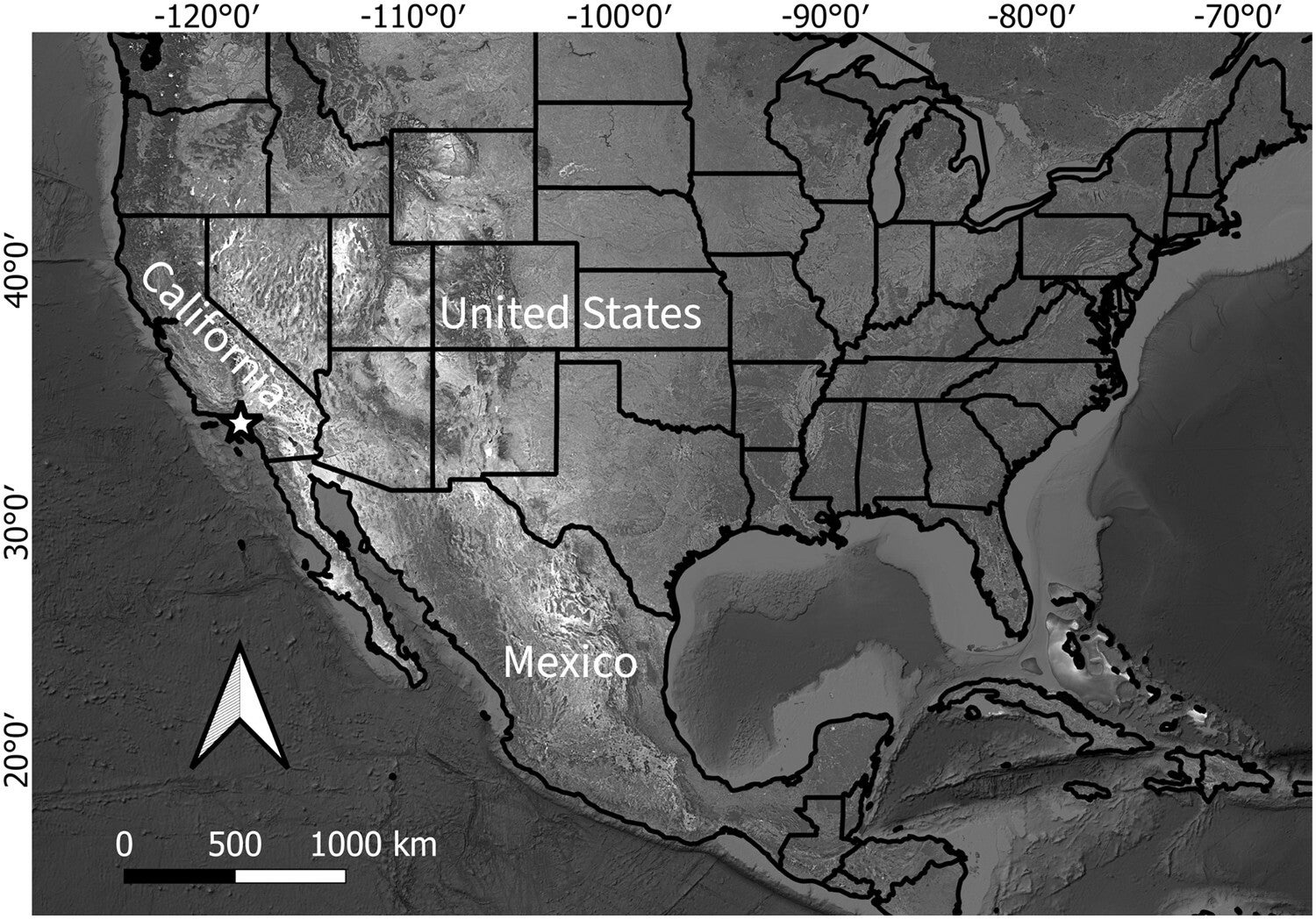
The extinct spadefoot toad, named Spea labreae, is the first extinct amphibian identified from Rancho La Brea. Only one other extinct Pleistocene amphibian has been reported in North America, a tree frog from Florida.
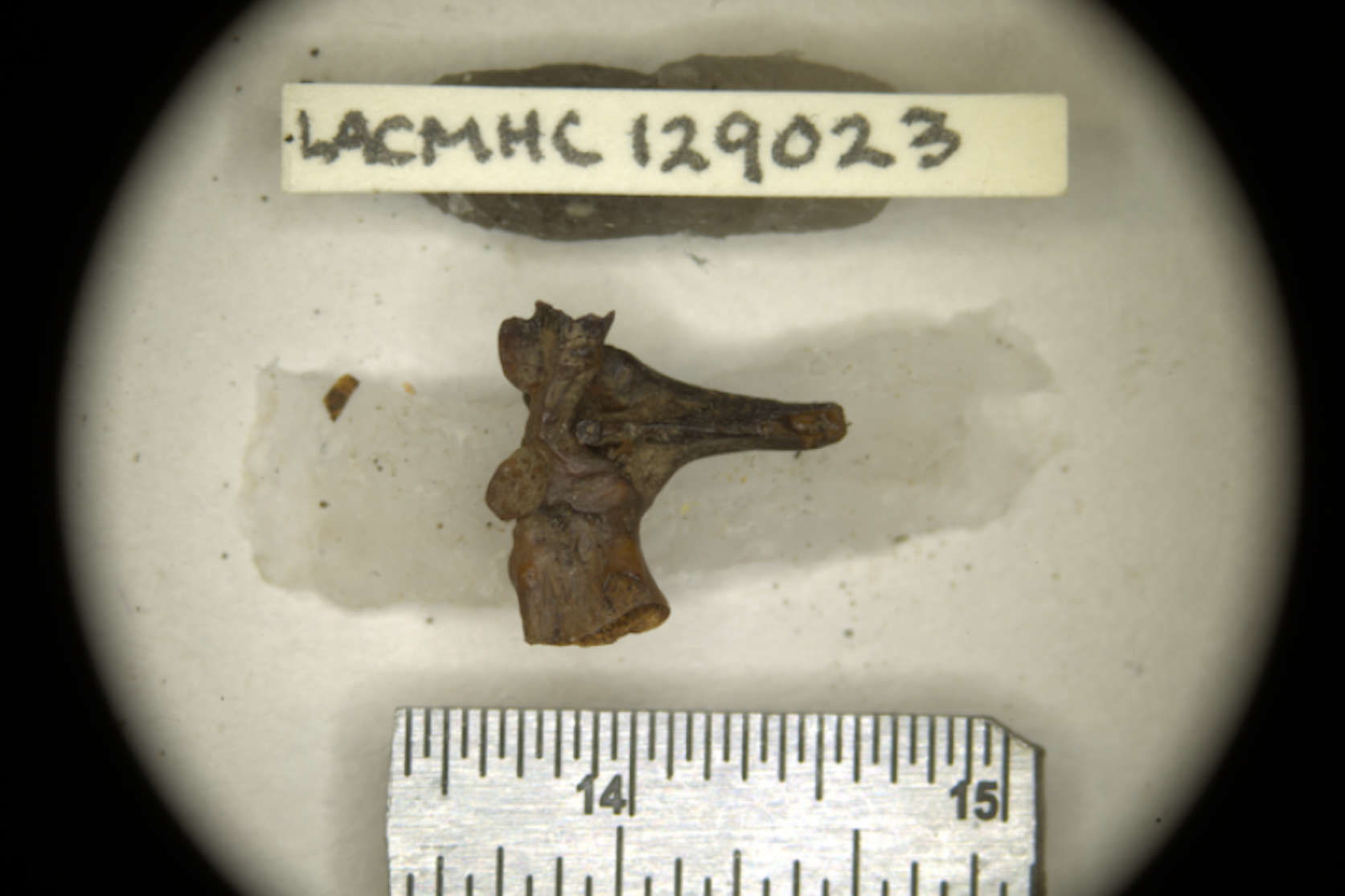
The discovery appears in the Journal of Vertebrate Paleontology. It came from bones collected decades ago, including material excavated from Pit A in 1929.
Dr. Alberto Cruz was reviewing La Brea’s amphibian and reptile collections when unusual bones caught his attention.
Cruz did not begin the project expecting to name a species. At first, he wondered whether the strange features reflected an injury or disease.
“I’m really more of a paleoecologist, paleogeographer, not a taxonomist,” Cruz said.
He compared the fossils with modern spadefoot toads and reviewed dozens of specimens. The distinctions persisted.
“I reviewed and reviewed a lot of specimens until I was convinced. I thought, ‘Oh my gosh, this is a new species.’ This material is originally from the 1950s, but when you study it again, you can find gold in these specimens. It’s very cool.”
The sacro-urostyle joins parts of the backbone and pelvis. The prehallux is a foot structure associated with digging in spadefoot toads.
Spea labreae differed from living and fossil relatives in several ways. Its sacral projections were not strongly expanded, and it lacked web-like bone between the sacrum and urostyle. It also had a prominent V-shaped or U-shaped neural spine. Other features included a partially unfused upper connection and unusually long prehalluces with narrowed shafts.
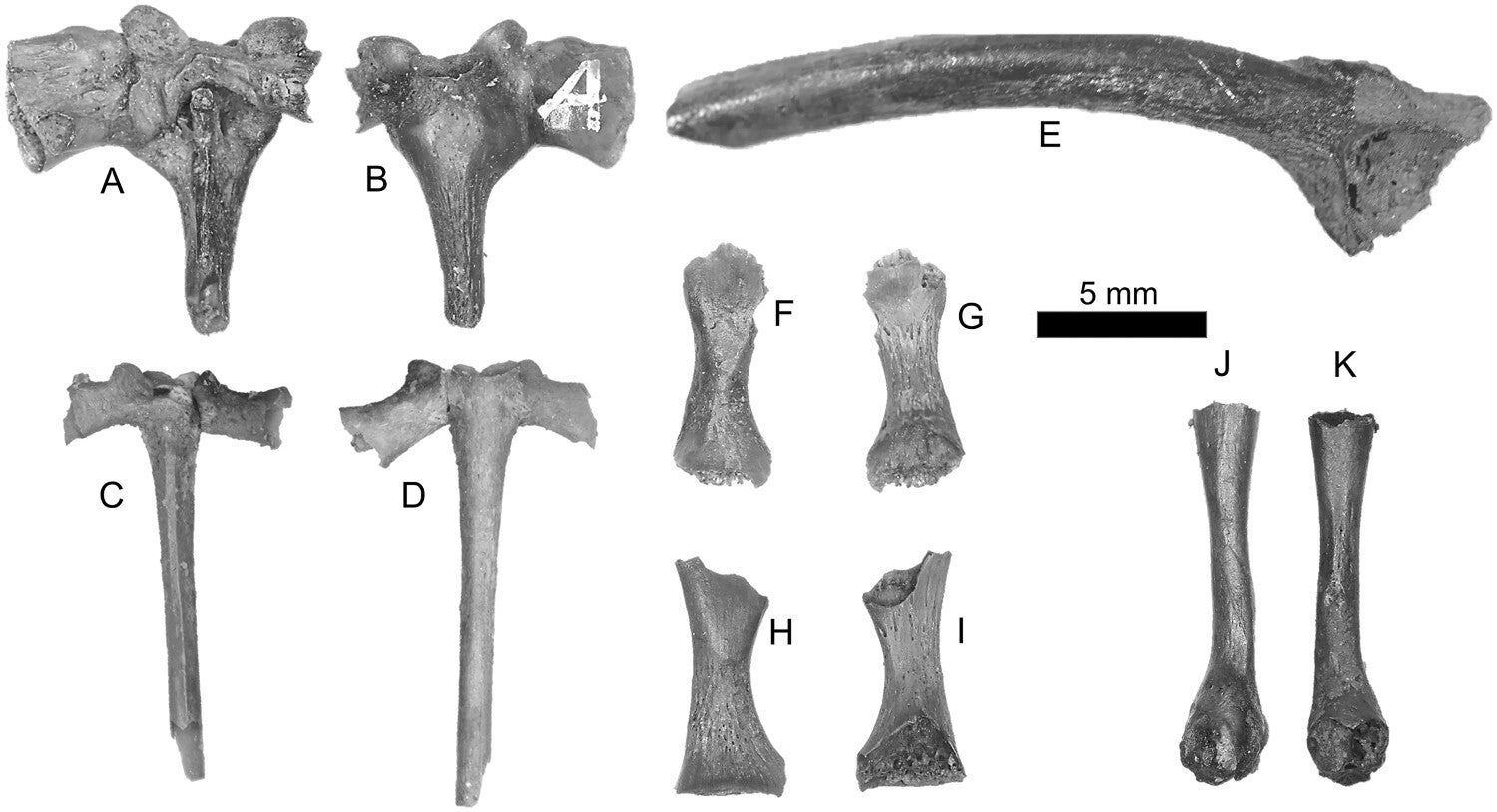
Cruz compared the fossils with 80 specimens from the Natural History Museum of Los Angeles County and the Museum of Vertebrate Zoology at the University of California, Berkeley. He also used material from the Centro de Investigación Paleontológica Quinametzin.
Measurements suggest the two fossil individuals had snout-to-vent lengths of about 68.6 millimeters and 53.7 millimeters. The larger estimate exceeds the reported 64-millimeter maximum for living Spea species included in the comparison.
That size difference may matter. Earlier work has documented body-size declines in some mammals from the Pleistocene to the present. Fossil toads from Europe also became smaller during warmer parts of the Quaternary.
The authors suggest Spea labreae could have been vulnerable because of its larger body size. They stop short of claiming size caused its extinction. More fossil work is needed to connect changes in frogs and toads with shifts in vegetation, climate and fire.
“It’s a great example of how we’re still finding new things at La Brea Tar Pits, even after a century of ongoing excavation and research,” said Dr. Emily Lindsey, curator and excavation site director at the Samuel Oschin Global Center for Ice Age Research at La Brea Tar Pits. “There’s definitely more to come.”
The study also reports the first southwestern U.S. record of Rhinophrynus, the Mexican burrowing toad genus. Researchers identified it from a worn left femur measuring 11.41 millimeters long.
Because the specimen is worn, the team assigned it only to the genus level.
Today, the nearest living Rhinophrynus populations lie about 2,490 kilometers southeast of La Brea, along Mexico’s Pacific region. That gap shows how dramatically the genus’ range shifted after the Pleistocene.
Similar patterns appear among other La Brea animals. The roseate spoonbill now lives farther south, while the closest living relatives of an extinct hawk-eagle and California tapir also occupy warmer southern regions.
The new records challenge the idea that North American amphibians and reptiles remained mostly stable through the Quaternary. Recent fossil studies instead point to important extinctions and geographic shifts.
Amphibians often reveal environmental change more clearly than wide-ranging mammals. They move limited distances and depend heavily on water, humidity and suitable temperatures.
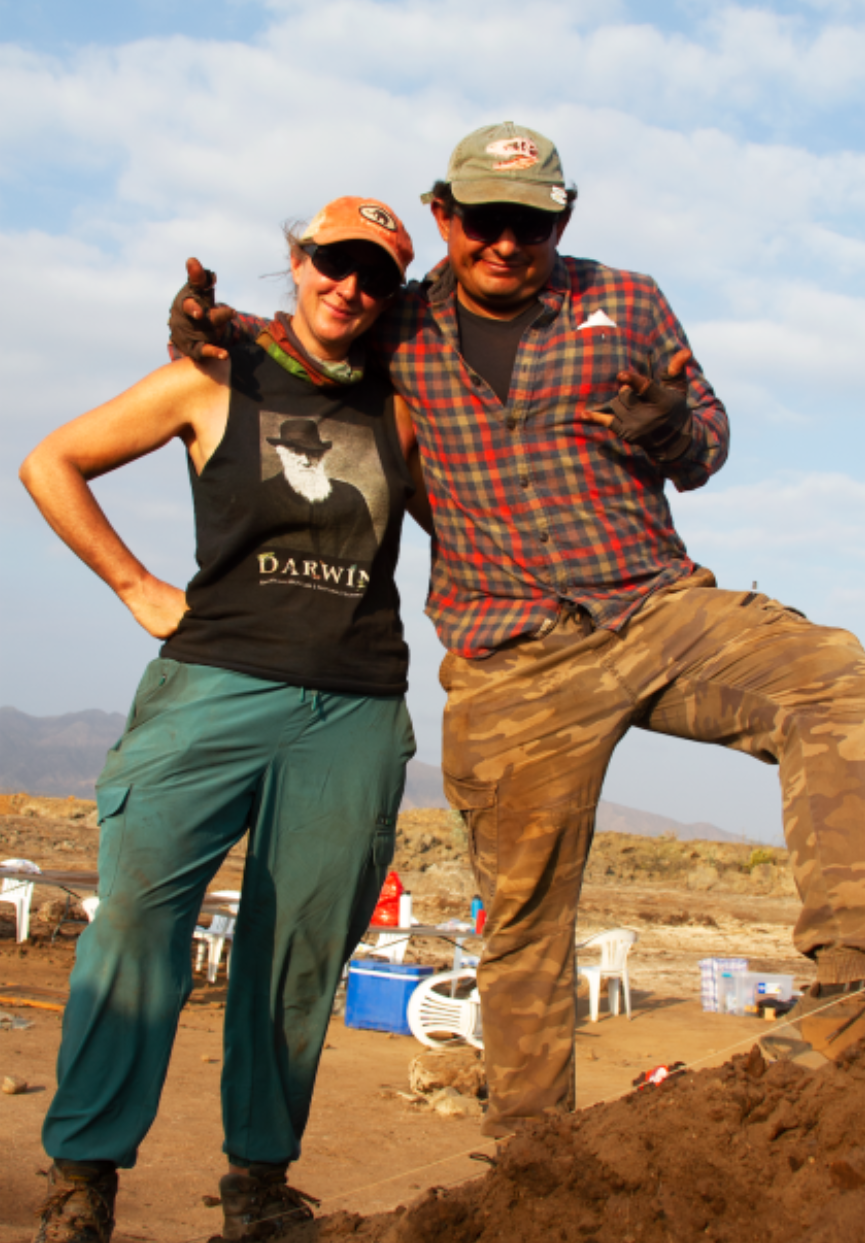
“If you change the environment, you change the vegetation, the climate is warmer or colder, it affects these animals directly,” Cruz said.
That sensitivity makes them useful climate proxies. Their presence can help researchers reconstruct local conditions at finer scales.
Yet their fossil record remains thin. Frog and toad bones are fragile, often incomplete and difficult to identify to species. At Rancho La Brea, fewer than 0.5 percent of 840 scientific publications have focused on amphibians.
La Brea’s amphibian collection had not received a detailed review in nearly 30 years. The new species shows that older museum collections can still contain major discoveries.
Spea labreae gives scientists a new tool for studying how Southern California ecosystems responded to rapid changes near the end of the Ice Age. Its extinction, large body size and unusual anatomy provide fresh evidence that small vertebrates did not simply persist unchanged.
The Rhinophrynus fossil adds another clue. A toad genus now centered far south once reached Los Angeles, suggesting major shifts in suitable habitat.
More detailed study of amphibian bones could refine reconstructions of rainfall, temperature, vegetation and water availability. It may also help researchers compare past range shifts with the pressures amphibians face today from warming, drought, urban growth and habitat loss.
The work also underscores the scientific value of museum collections. Fossils collected nearly a century ago can answer questions that earlier researchers lacked the methods, comparisons or specialists to resolve.
Research findings are available online in the Journal of Vertebrate Paleontology.
The original story “Extinct ice age toad found at La Brea Tar Pits rewrites Los Angeles’ climate history” is published in The Brighter Side of News.
Like these kind of feel good stories? Get The Brighter Side of News’ newsletter.
The post Extinct ice age toad found at La Brea Tar Pits rewrites Los Angeles’ climate history appeared first on The Brighter Side of News.


Leave a comment
You must be logged in to post a comment.