A new kind of partnership between human and machine is beginning to reshape how stroke recovery may look in the future. Scientists say this approach could help restore one of the most basic human abilities, the simple act of walking.
Each year, nearly 800,000 people in the United States survive a stroke. Many face a long and difficult recovery. Walking, once automatic, often becomes slow, uneven, and exhausting. Months of therapy can help, but progress is often limited by the physical demands placed on both patients and therapists.
Now, researchers at Shirley Ryan AbilityLab and Northwestern University have introduced a new system that brings therapist and patient closer than ever before. Their findings suggest a promising shift in how rehabilitation may be delivered.
The system is called therapist-exoskeleton-patient interaction, or TEPI. It pairs both the therapist and the patient with wearable robotic devices that support the legs.
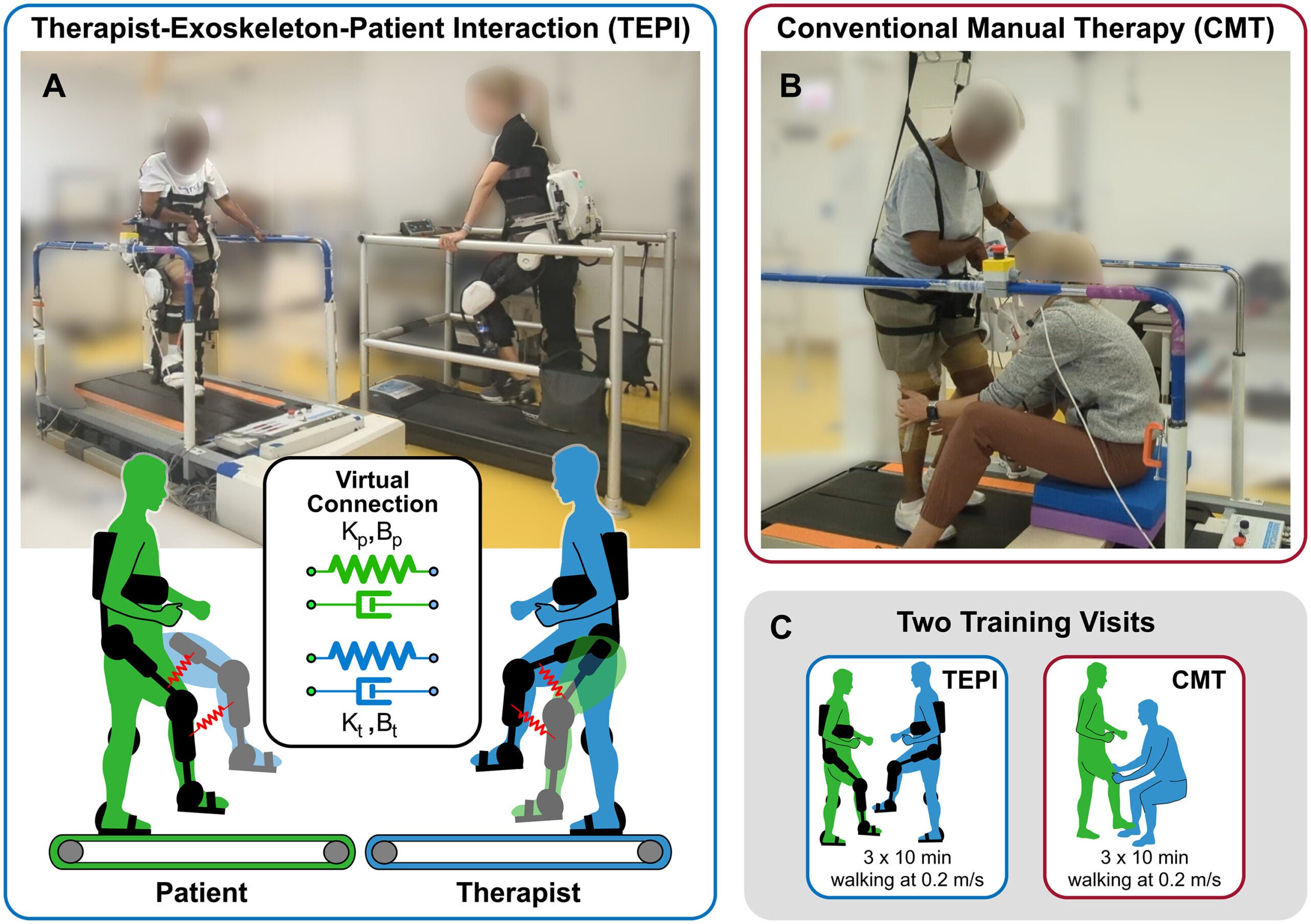
These exoskeletons connect through a virtual link at the hips and knees. This link behaves like a spring and damper, allowing forces to move between both people.
As the therapist walks, the patient feels those movements through the system. At the same time, the therapist senses how the patient responds. This creates a shared movement experience that feels more natural than traditional methods.
“Therapist-led rehabilitation remains the foundation of recovery for many patients, and this research shows promise for complementing this standard of care,” said José L. Pons, who led the research program.
Standard rehabilitation relies on hands-on guidance. A therapist supports the patient’s body and helps guide each step.
This method works, but it has clear limits. A therapist can only assist a few joints at once. Complex movements often require more than one therapist, which is not always practical.
The work is also physically demanding. Repeating movements over long sessions can lead to fatigue or injury for therapists.
Robotic exoskeletons were designed to ease that burden. They allow patients to practice walking for longer periods and support multiple joints at once.
However, most systems follow fixed movement patterns. These patterns do not always adjust to the patient’s needs in real time. This can limit how personalized the therapy feels.
TEPI aims to bridge that gap. It combines the flexibility of human guidance with the precision of robotics.
“By combining the hands-on adaptability of physical therapy with the scalability and precision of robotic systems, it can enable more comprehensive, whole-body gait training without requiring multiple therapists, while also introducing real-time responsiveness to patient performance, allowing support, resistance and feedback to be adjusted dynamically,” said Lorenzo Vianello.
The system allows therapists to guide movement using their own body. Instead of placing their hands on the patient, they move naturally and let the exoskeleton transfer those movements.
This reduces physical strain while allowing more coordinated support across the entire body.
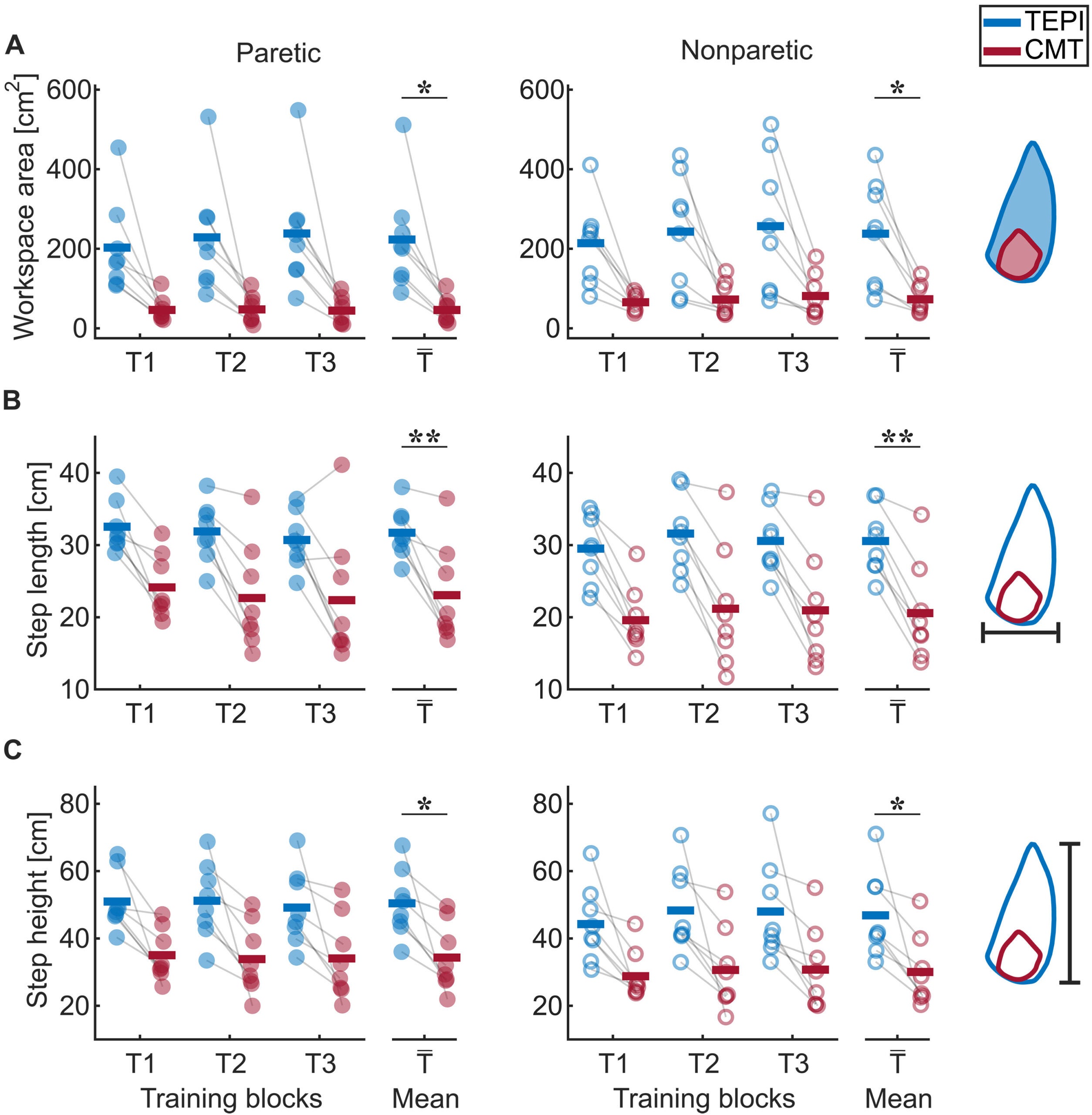
Researchers tested the system with eight people who had experienced a stroke. Each participant completed two sessions, one using TEPI and one using standard therapy.
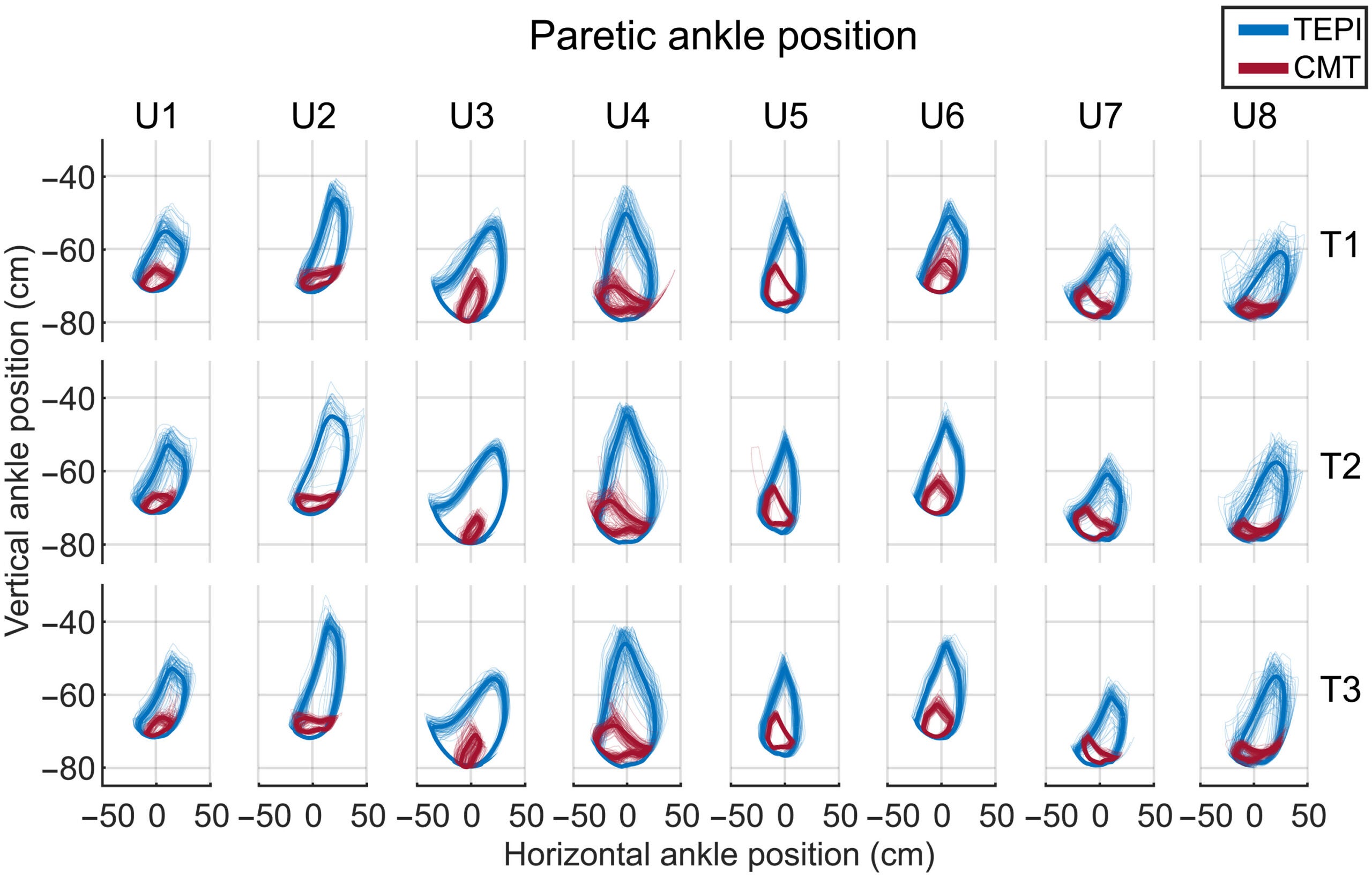
During each session, participants walked on a treadmill at a steady, slow pace. Scientists measured joint movement, step length, step height, muscle activity, and effort.
The results showed clear differences. Patients using TEPI moved more freely. Their joints showed greater range of motion. Their steps became longer and higher.
These changes suggest that the system helped guide patients toward more natural walking patterns.
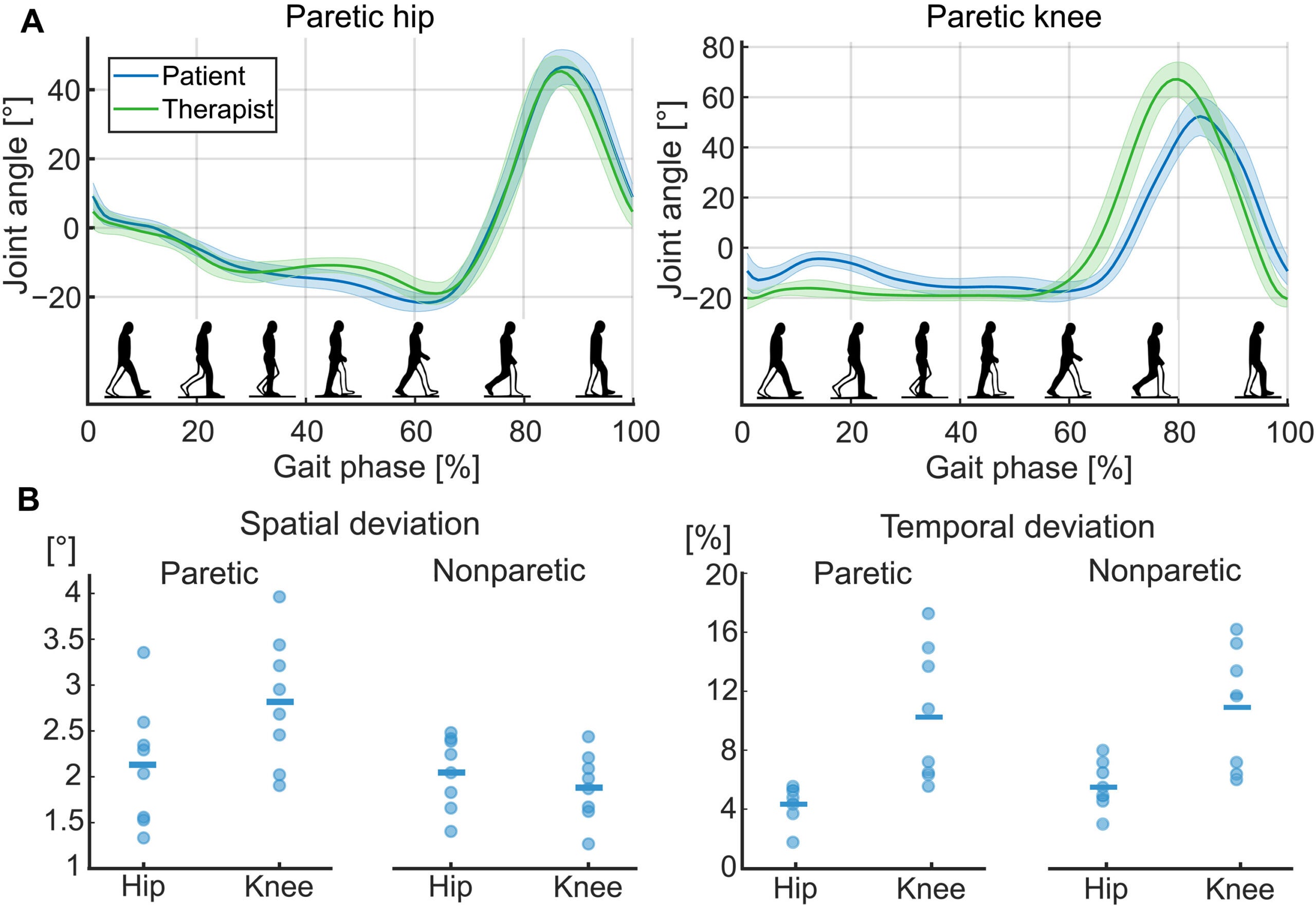
The study also showed strong coordination between therapist and patient. Their movements stayed closely aligned, often within a few degrees.
This close alignment means the therapist could effectively guide each step. At the same time, patients still had room to adjust their movements.
This balance is important. It allows patients to stay active in their recovery rather than being moved passively by a machine.
One concern with robotic systems is that they may reduce effort. If a machine does too much, patients may not build strength.
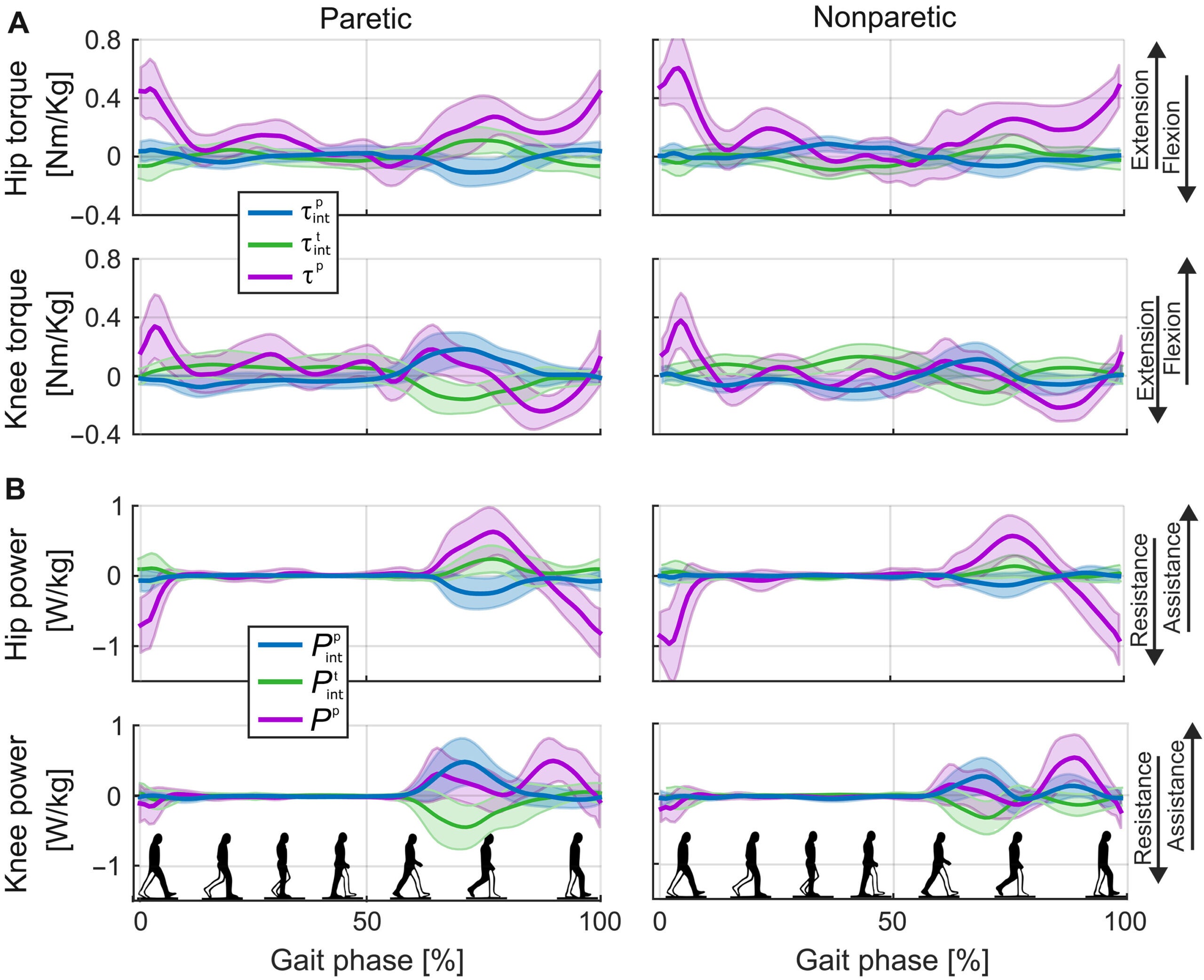
The findings suggest otherwise. Muscle activity remained strong during TEPI sessions. In some cases, it was even higher than in standard therapy.
Patients also contributed a large share of the force needed for movement. For example, during certain phases of walking, they generated more than half of the required force.
Heart rate and effort levels rose gradually during sessions. This indicates that patients stayed engaged and continued working throughout.
“By allowing therapists to guide a patient’s movements through their own leg movements, TEPI could provide an impactful complement to conventional gait training for stroke rehabilitation, reducing physical effort that can contribute to fatigue and injury for therapists during hands-on therapy,” said Emek Barış Küçüktabak.
Beyond physical results, researchers also looked at how patients felt. Participants reported high levels of motivation and enjoyment during TEPI sessions.
Many said the experience felt more interactive and engaging. Anxiety levels remained low, and the system did not feel overly complex.
This emotional response matters. Recovery often depends on consistent effort over long periods. A system that keeps patients motivated could improve long-term outcomes.
Researchers plan to explore how TEPI can support other movements. Future studies may include walking on the ground, climbing stairs, and standing up from a seated position.
They also hope to test the system over longer periods. This will help determine whether the improvements seen in single sessions lead to lasting recovery.
“Future work will also investigate more accessible and scalable systems that can extend therapist-guided rehabilitation into the home and support remote care,” said Matthew R. Short.
The system is still in early stages. It requires specialized equipment and careful setup. Larger studies are needed to confirm the findings.
However, the concept represents a shift in thinking. Instead of choosing between human care and robotic assistance, TEPI combines both.
It creates a shared space where therapist and patient move together. That connection may offer a more natural path to recovery.
This research could change how stroke rehabilitation is delivered. By allowing therapists to guide full-body movement with less physical strain, it may improve both patient outcomes and therapist safety. Clinics could provide more efficient care without requiring multiple therapists for complex tasks.
For patients, the benefits could be even greater. The system encourages active participation, which is essential for rebuilding strength and coordination. It also creates a more engaging experience, which may help patients stay motivated during long recovery periods.
In the future, more advanced and accessible versions of this technology could extend therapy beyond clinics. Patients may be able to continue guided rehabilitation at home, with remote support from therapists. This could make high-quality care available to more people and reduce barriers related to travel and cost.
As the technology improves, it may also be used for other conditions that affect movement, including spinal injuries and neurological disorders. By combining human insight with robotic precision, TEPI could open new paths for recovery and independence.
Research findings are available online in the journal Science Robotics.
The original story “New exoskeleton teaches stroke patients to walk with therapist guidance” is published in The Brighter Side of News.
Like these kind of feel good stories? Get The Brighter Side of News’ newsletter.
The post New exoskeleton teaches stroke patients to walk with therapist guidance appeared first on The Brighter Side of News.

