A small yellow-tinged lizard living high in Thailand’s mountain forests now carries the name of a fantasy dragon. Its size, coloring and reproductive habits helped inspire the comparison, but its unusual anatomy and DNA made it scientifically distinct.
The species, Acanthosaura syrax, comes from evergreen forests in Mae Wong National Park in western Thailand. It belongs to a group of reptiles known as mountain horned dragons, recognizable by rows of pointed scales along the neck and back.
Poramad Trivalairat and colleagues from Chulabhorn Royal Academy and Kasetsart University described the animal after combining physical measurements with DNA analysis. The discovery raises the number of recognized Acanthosaura species to 23.
Its name comes from Syrax, the dragon ridden by Queen Rhaenyra Targaryen in House of the Dragon. The fictional dragon’s yellow coloring, relatively modest size and reproductive output all have parallels in the newly described reptile.
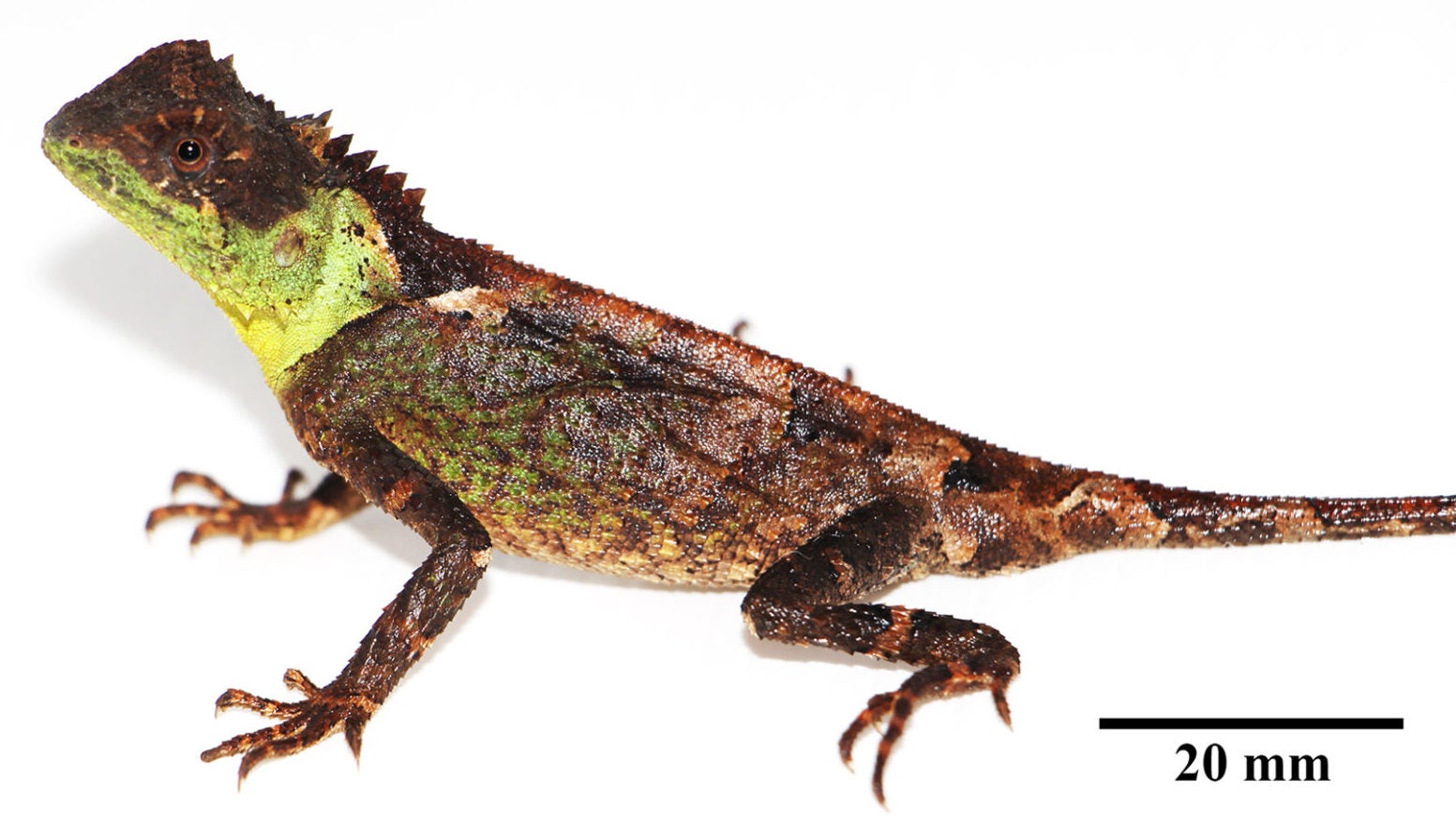
The resemblance goes beyond the name. Male A. syrax have yellowish-green around the lips and neck, while females can show pale yellowish-brown to orange-brown coloring.
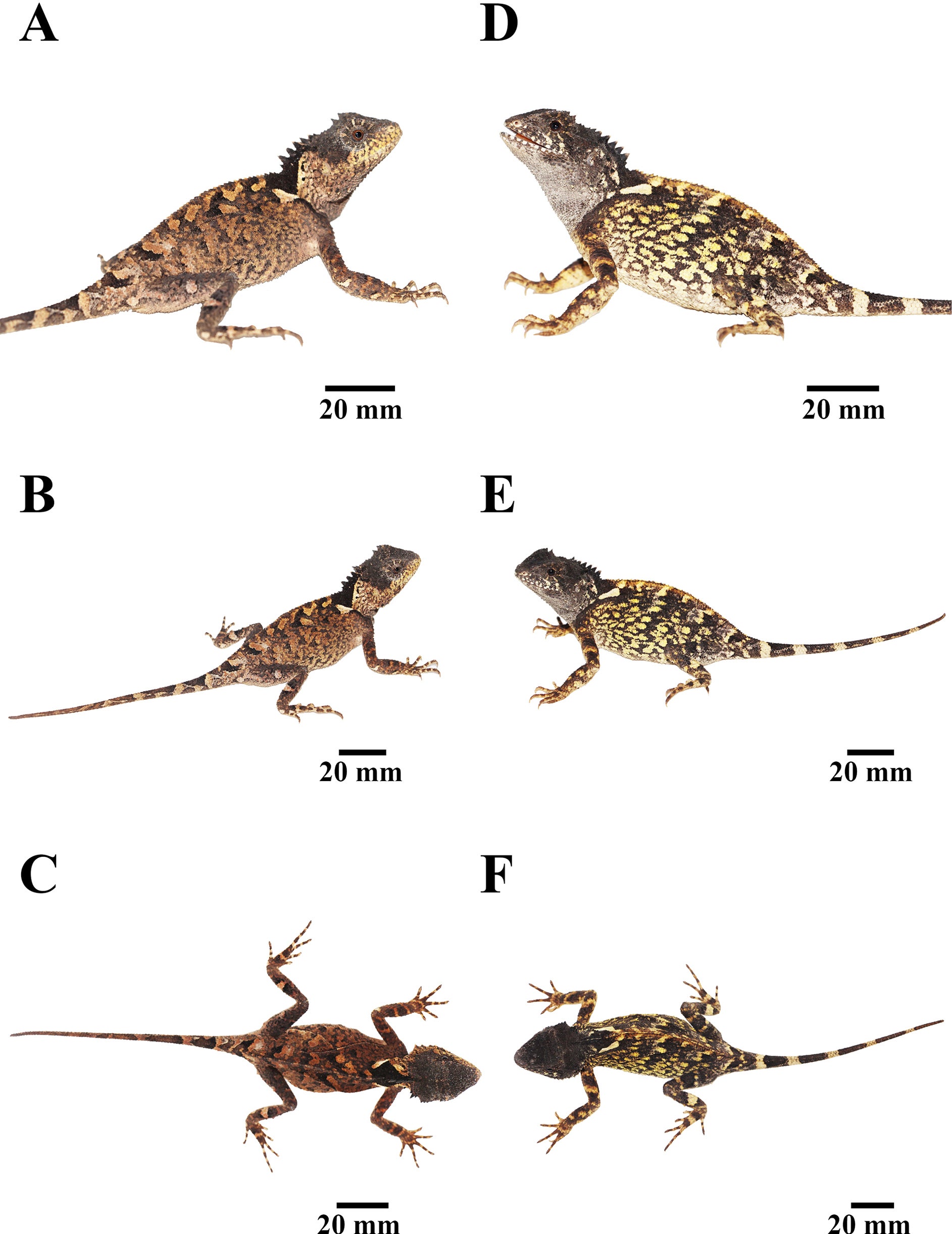
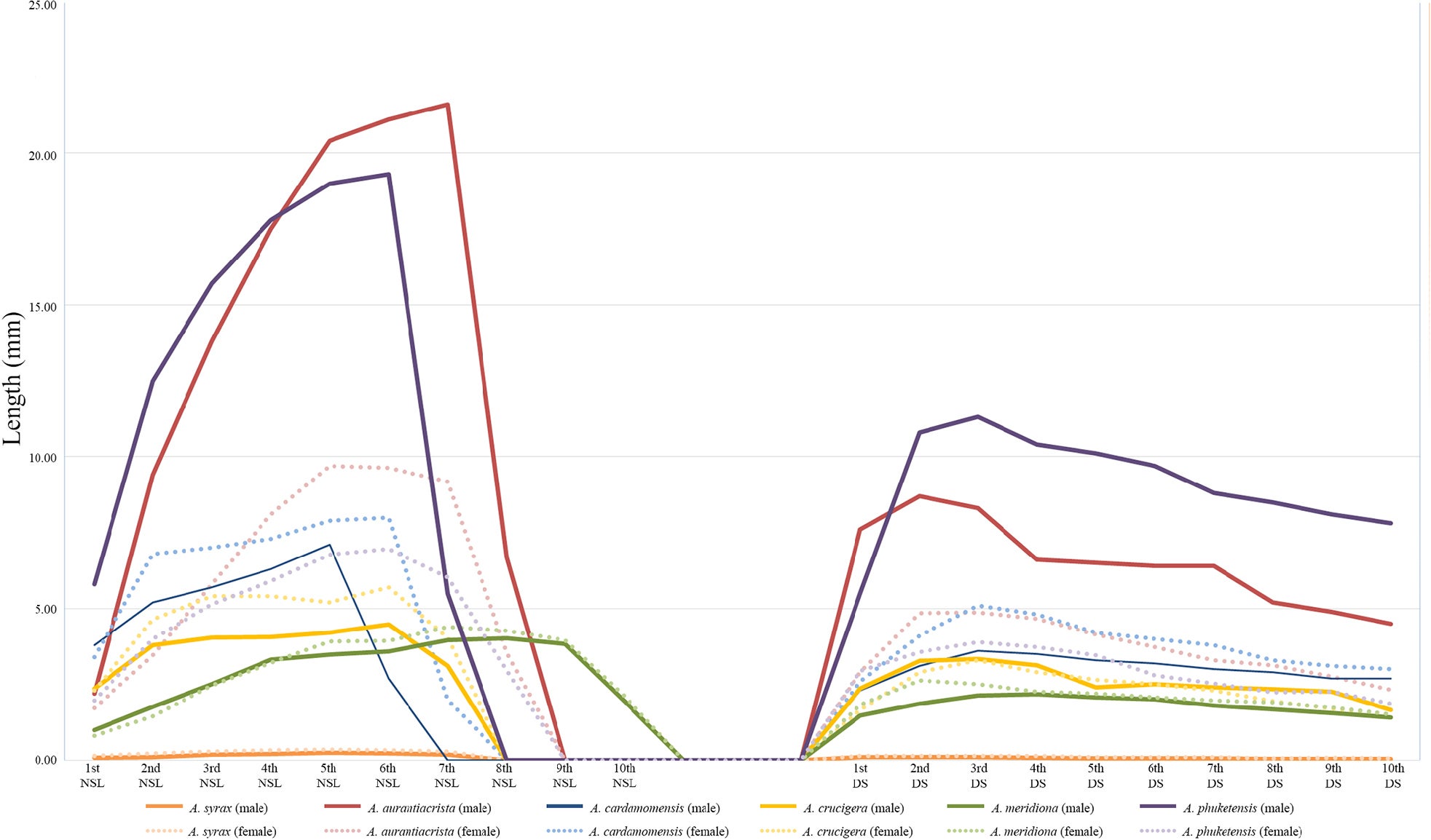
The species is also among the smallest members of its genus. Males in the type series had body lengths of 62.5 to 69.6 millimeters from snout to vent. Females were larger, ranging from 75.5 to 101.2 millimeters.
Its most striking anatomical feature is even smaller.
The pointed scales forming the animal’s neck and back crests are the smallest recorded anywhere in Acanthosaura. The neck crest consists of seven tiny, compressed triangular spines in the examined specimens. The dorsal crest continues along the back with small, saw-like scales that gradually decrease in size.
Those details help distinguish A. syrax from related reptiles that can look similar at first glance.
The lizard also has a dark collar marking but lacks the black patch around the eye found in several related species. Its exposed eardrum is small and roundish, and it has a tiny spine behind the eye and another on the back of the head.
Females differed noticeably from males in size and coloring. Several females also carried eggs. Recorded clutches ranged from six to 16 eggs, a feature that helped inspire the reference to Syrax.
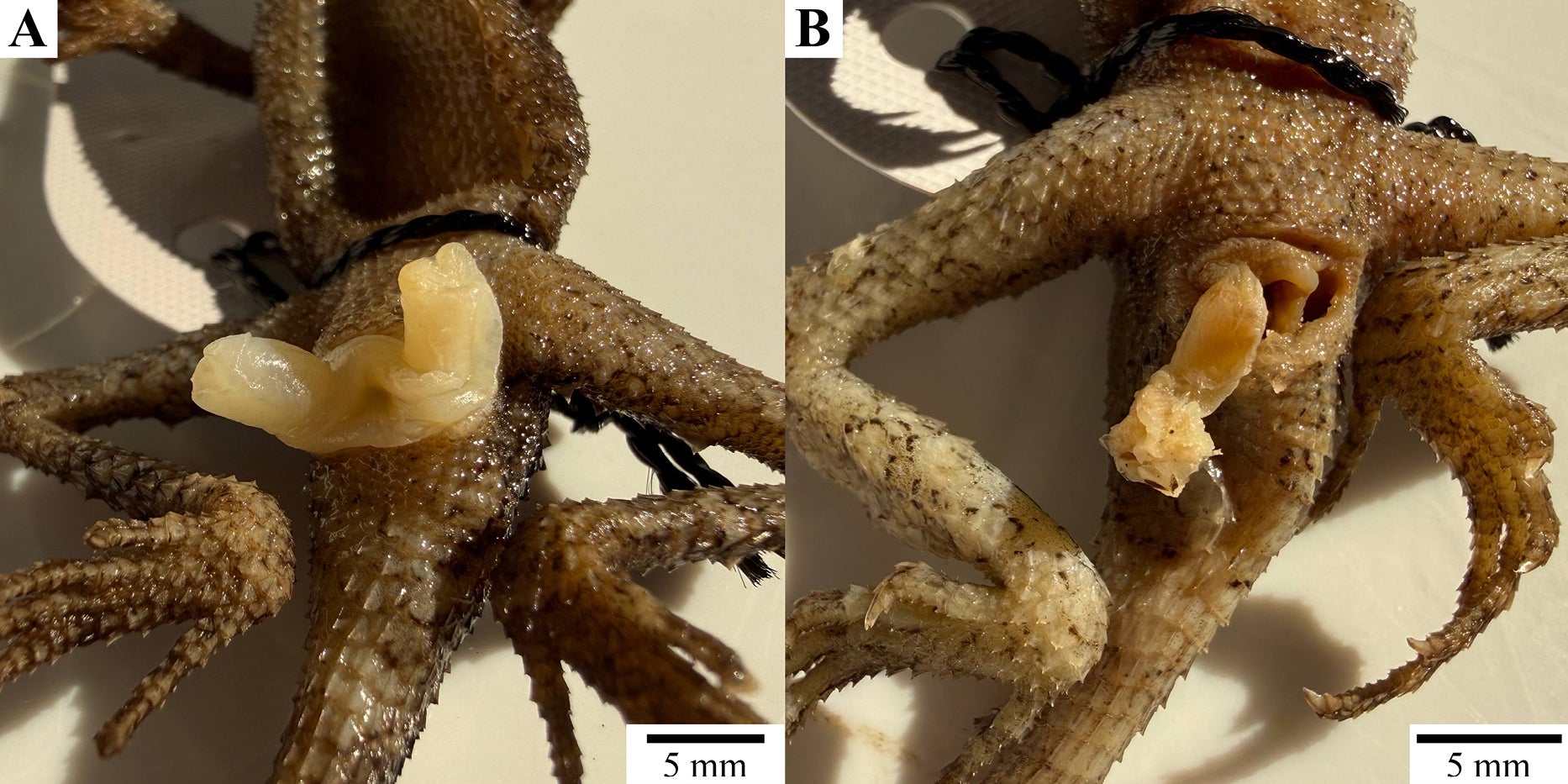
Physical appearance alone did not establish the new species.
The team also examined two sections of mitochondrial DNA, known as ND2 and COI. Researchers analyzed eight A. syrax specimens and compared their sequences with those from other members of the genus.
Variation among the eight animals was extremely low. For the COI gene, differences within the species ranged from 0 to 0.34 percent.
Comparisons with other Acanthosaura species showed much larger separations. COI genetic distances between A. syrax and other species ranged from 14.96 percent to 28.13 percent.
Its closest morphological relative is Acanthosaura lepidogaster, another mountain horned dragon known from the region. Yet the COI sequences of the two differed by 16.64 percent to 17.53 percent.
Phylogenetic analyses also placed the new animals together as their own lineage. Analysis of the COI gene produced 99 percent support in the maximum-likelihood reconstruction and a Bayesian support value of 1.00.
The ND2 analysis likewise separated A. syrax from the other sampled lizards, including A. lepidogaster. Together, the genetic evidence and physical differences supported recognition of a separate species rather than a local variant of an existing one.
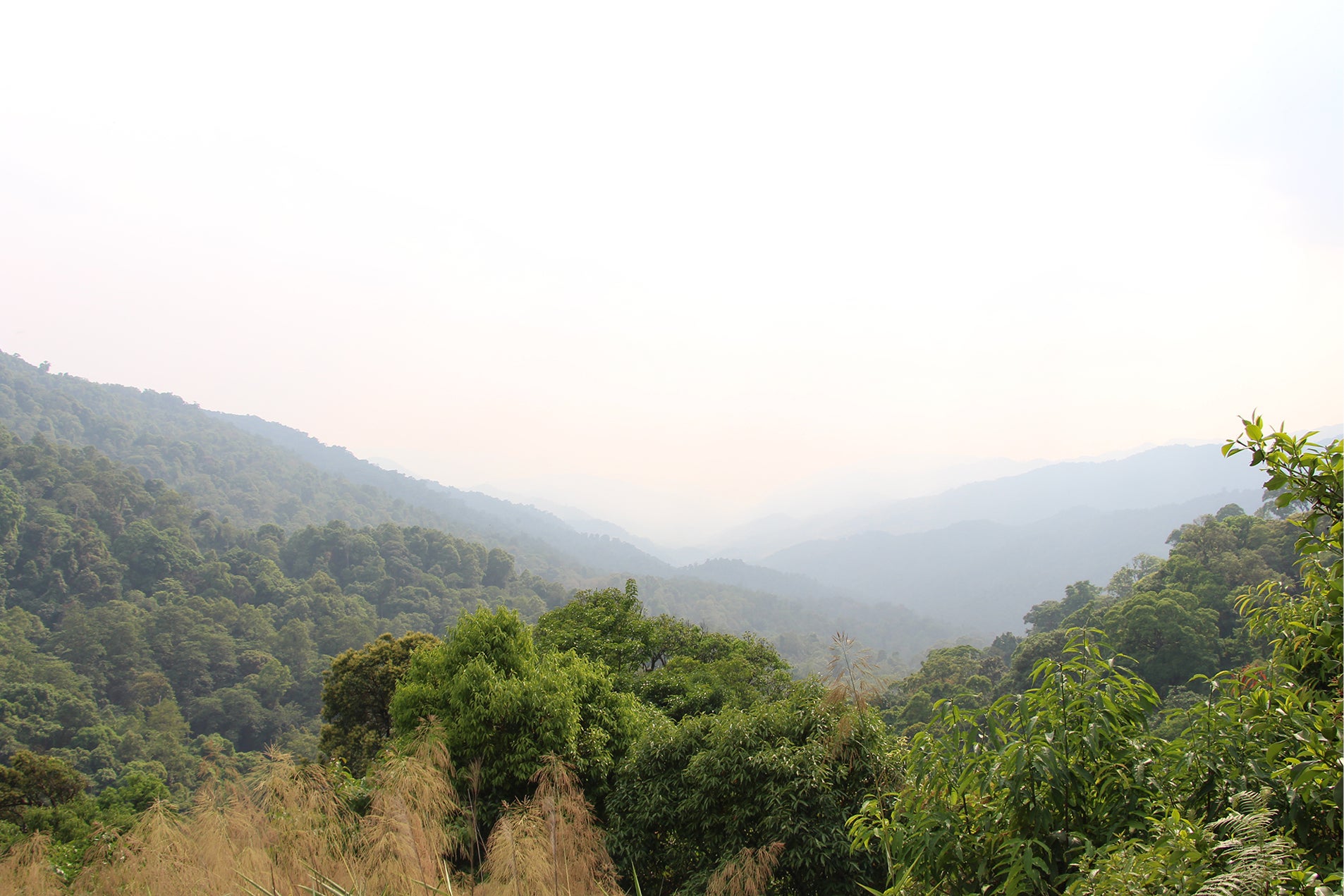
So far, A. syrax appears closely tied to the upper slopes of Mae Wong National Park in the Tak-Kamphaeng Phet Province.
The type specimens came from about 1,340 meters above sea level. Field observations found the lizards mainly above 1,300 meters, although their reported distribution extends through areas above 1,000 meters. None were encountered below 1,000 meters.
The animals are active during daylight.
During the early and middle parts of the day, individuals bask on rocks, fallen logs, small shrubs and even cement structures. As afternoon sunlight fades, they retreat into forest shelters beneath rocks or logs and inside tree cavities.
They also appear relatively inactive compared with more skittish reptiles. The team reported being able to approach and capture some animals by hand without prompting an immediate escape response.
Some were seen eating earthworms on the ground around dawn.
Activity changes with the seasons. The lizards were encountered most often from the late dry season into the beginning of the monsoon, roughly April through mid-June.
Sightings declined as the monsoon progressed and temperatures fell. Activity dropped further during November and December, when minimum temperatures can reach about 10 degrees Celsius. During the wetter months, observations were mainly around midday under direct sunlight.
The same high terrain that may have helped separate A. syrax from related populations could now make the species vulnerable.
Its known populations occupy rugged mountain habitat and appear naturally fragmented. That separation could restrict movement between groups and reduce opportunities for gene exchange.
The researchers did not encounter A. lepidogaster in the high-elevation area occupied by A. syrax. They did find that species about 50 kilometers north in Khlong Lan National Park, where it occupied lower and warmer habitat.
The restricted range of the new species makes the condition of Mae Wong’s upper evergreen forest particularly important. The team recommends stronger protection of the park’s primary high-elevation forest and suggests using A. syrax as a flagship species for conservation.
Other wildlife proposed alongside it includes the Asian forest tortoise, Oldham’s leaf turtle, grey-sided thrush, rufous-necked hornbill and Indochinese tiger.
Recognizing Acanthosaura syrax as a distinct species changes how the biodiversity of western Thailand’s mountain forests is understood and managed.
A population previously confused with related mountain horned dragons can now be treated as a separate evolutionary lineage with a narrow known distribution. That distinction can guide future surveys and help conservation authorities identify habitat specifically associated with the species.
The discovery also points toward unanswered questions in neighboring highlands. Additional fieldwork could determine how far A. syrax extends beyond Mae Wong National Park and whether other isolated mountain populations represent species that have not yet been formally recognized.
Here are five resources to help you dig deeper into the discovery, the Acanthosaura genus, and the conservation setting around Mae Wong National Park.
Research findings are available online in the journal ZooKeys.
The original story “New Thai lizard named after Syrax, Queen Rhaenyra’s dragon from House of the Dragon” is published in The Brighter Side of News.
Like these kind of feel good stories? Get The Brighter Side of News’ newsletter.
The post New Thai lizard named after Syrax, Queen Rhaenyra’s dragon from House of the Dragon appeared first on The Brighter Side of News.


Leave a comment
You must be logged in to post a comment.