Life depends on more than DNA. Every cell must decide which genes to read, which to ignore and which to lock away. A new study from the Centre for Genomic Regulation in Barcelona shows that cells across the tree of life share ancient rules for turning genes on, yet use surprisingly different tools to keep genes silent.
The findings come from the broadest comparison yet of genome regulation across eukaryotes. This group includes animals, plants, fungi and many single-celled organisms. Researchers studied species that have rarely appeared in this kind of work, including discobans, rhizarians, ichtyosporeans and cryptomonads.
“The cell’s instructions for activating genes are essentially the same in a human, a sea anemone and a soil amoeba,” said Dr. Arnau Sebé-Pedrós, ICREA Research Professor and senior author of the study.
Inside each cell, DNA wraps around proteins called histones. Together, DNA and histones form chromatin, a structure that controls access to genetic instructions.
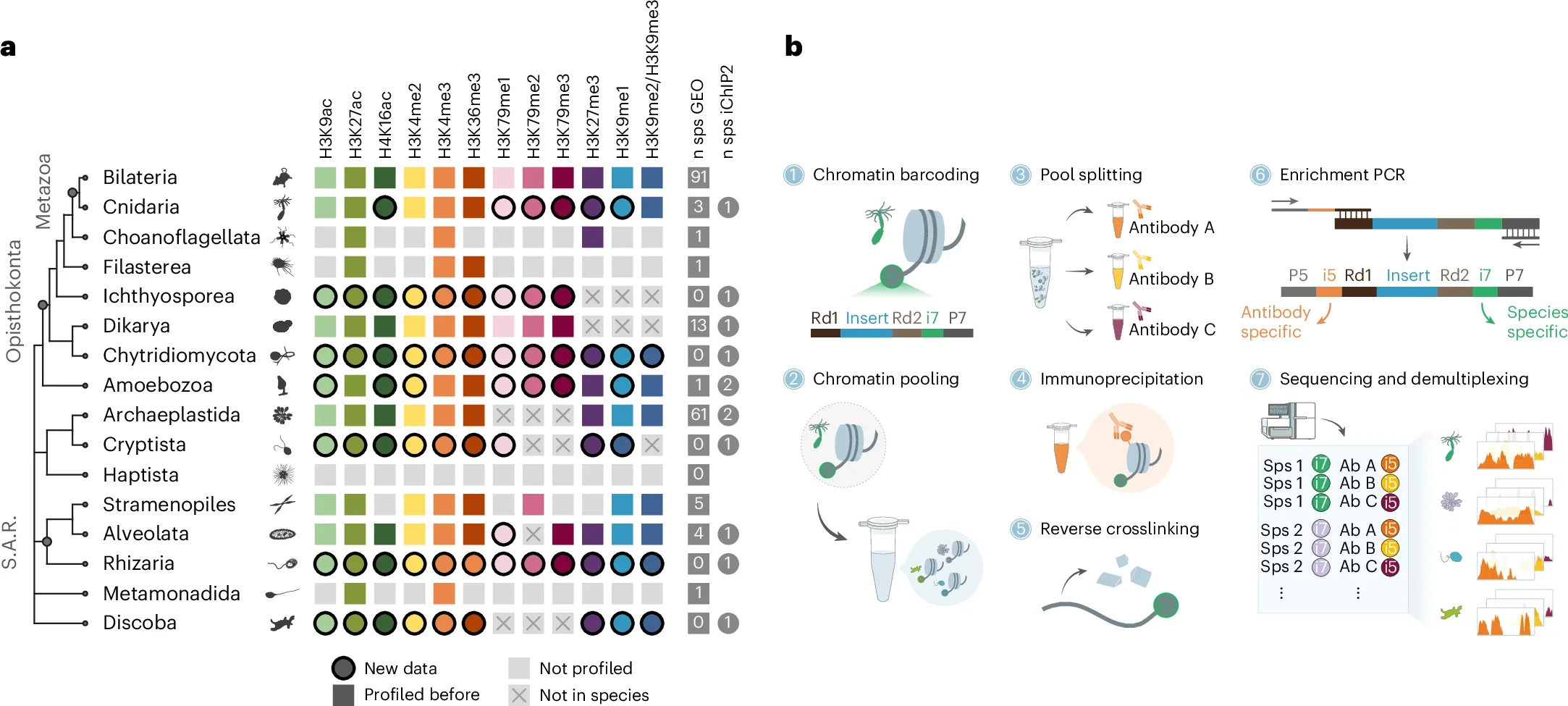
Small chemical tags attach to histones. These tags help tell the cell which parts of DNA to read and which parts to ignore. This process helps the same genome create very different cells, such as a neuron or liver cell.
The new study found that active genes share a deep pattern across life. The chemical marks near the start of active genes looked strikingly similar in every species studied.
That matters because these organisms separated from one another over immense spans of time. Their shared pattern likely traces back about 2 billion years to the Last Eukaryotic Common Ancestor.
This single-celled ancestor gave rise to all complex cellular life on Earth.
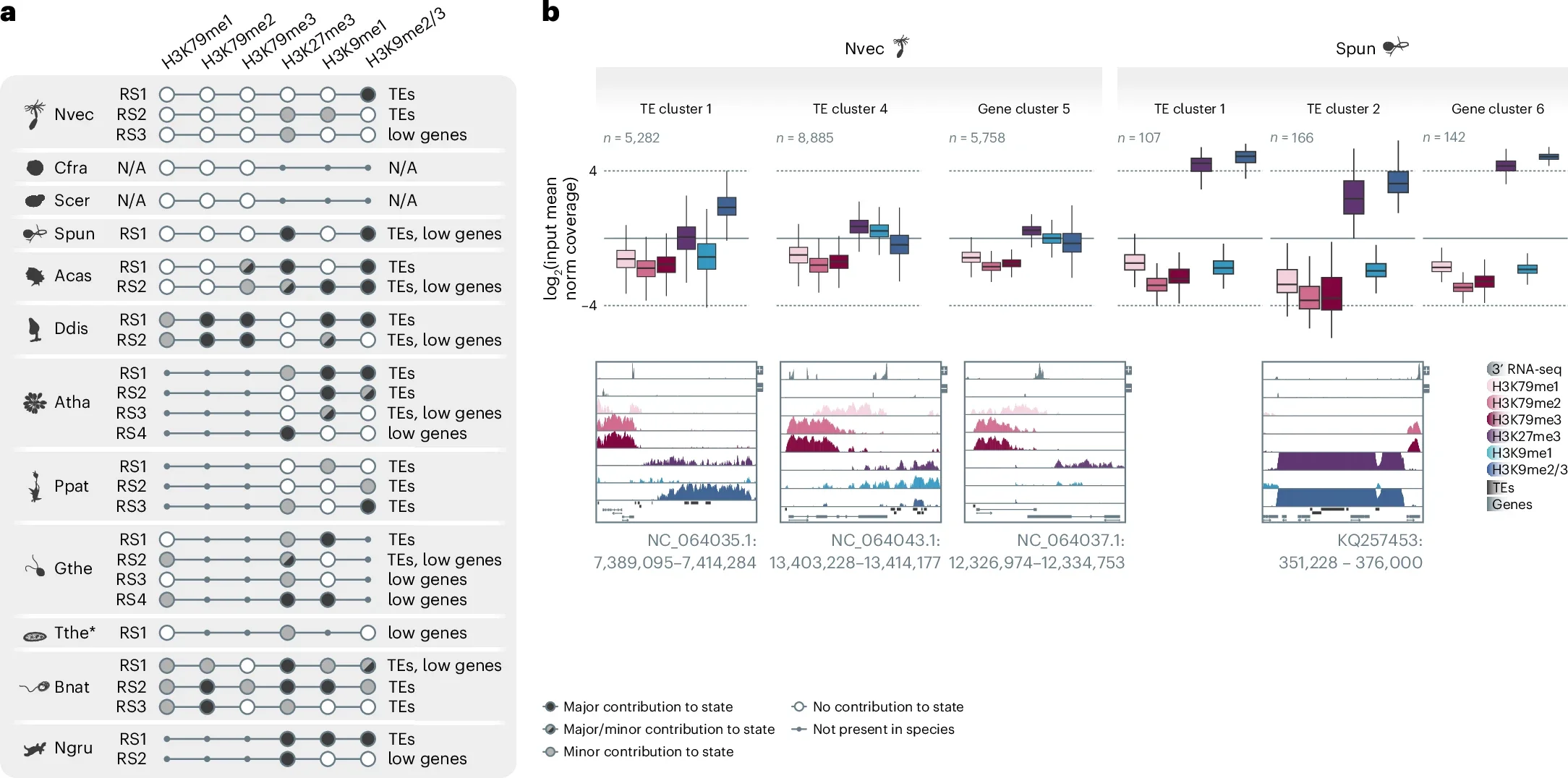
The rules for turning genes off were much less stable. Different branches of life used different combinations of chemical marks to silence DNA.
“But the instructions for silencing genes and other genomic elements like transposons have been continuously evolving since our last common eukaryotic ancestor,” Sebé-Pedrós said. “Different branches of life have developed different molecular toolkits to do the same thing.”
This split between stability and change is central to the study. Turning genes on appears to rely on ancient shared instructions. Turning genes off looks more like an evolutionary arms race.
The researchers found that some species used one mark to silence jumping genes and another to silence unused genes. Other species piled several marks onto the same regions.
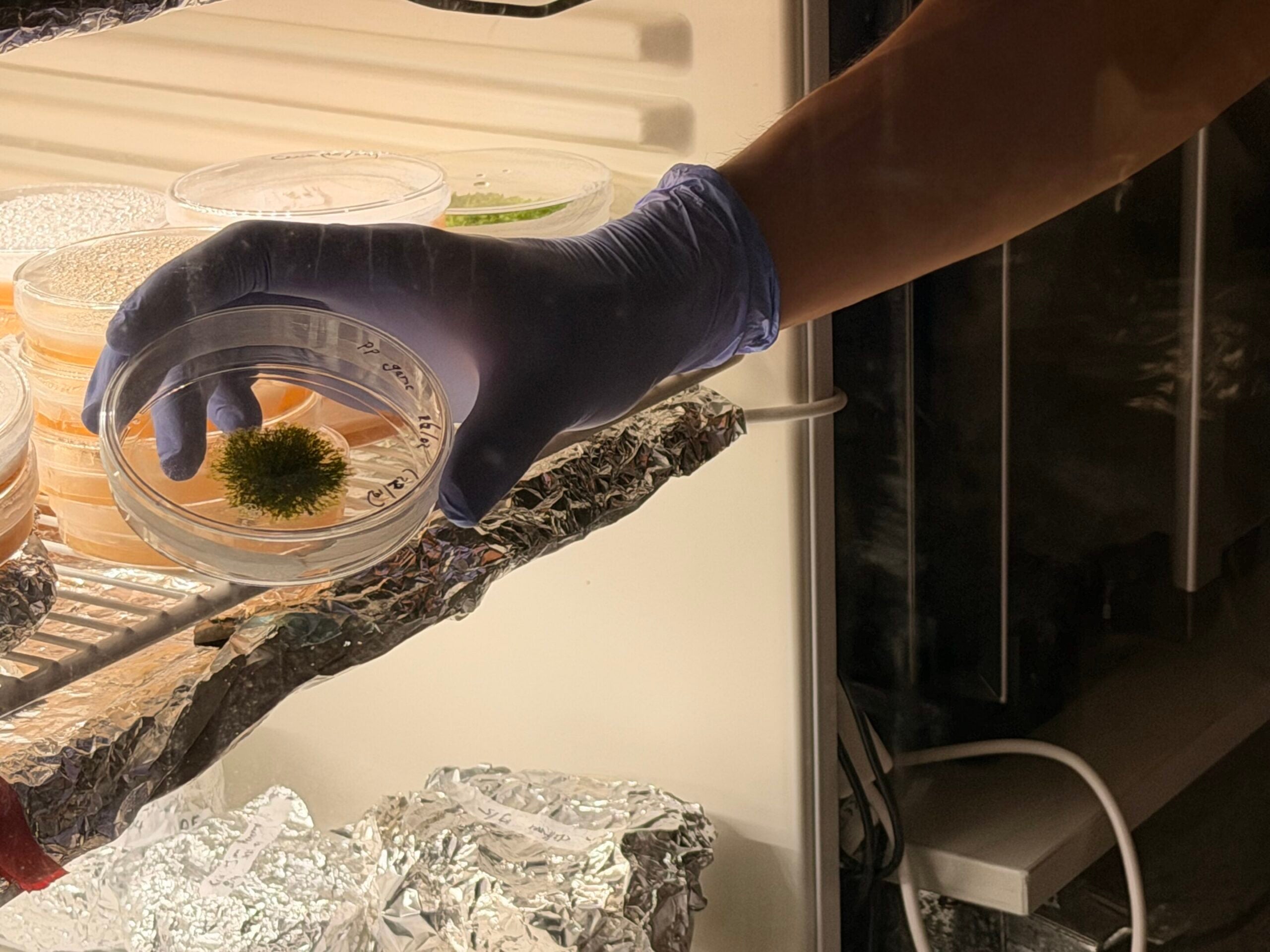
In the soil amoeba Acanthamoeba castellanii, one mark usually linked to gene activation in animals appears to help silence genes instead.
The project began in 2017, when researchers studied chromatin in comb jellies and placozoans. These animals are not traditional lab species.
Dr. Sebé-Pedrós and Dr. David Lara-Astiaso wondered whether their approach could work across the tree of life. The result was a method called iChIP2.
“We wanted to map epigenetic states in scarce cell types in mice and humans,” said Lara-Astiaso, now at the Arc Institute in California. “Eventually, we managed to transform that precursor into a general method for mapping genome regulation across the tree of life.”
The method uses molecular barcodes to label chromatin from many species. Researchers can then study multiple chemical marks in a single experiment.
This makes it easier to compare distant organisms and use tiny amounts of biological material.
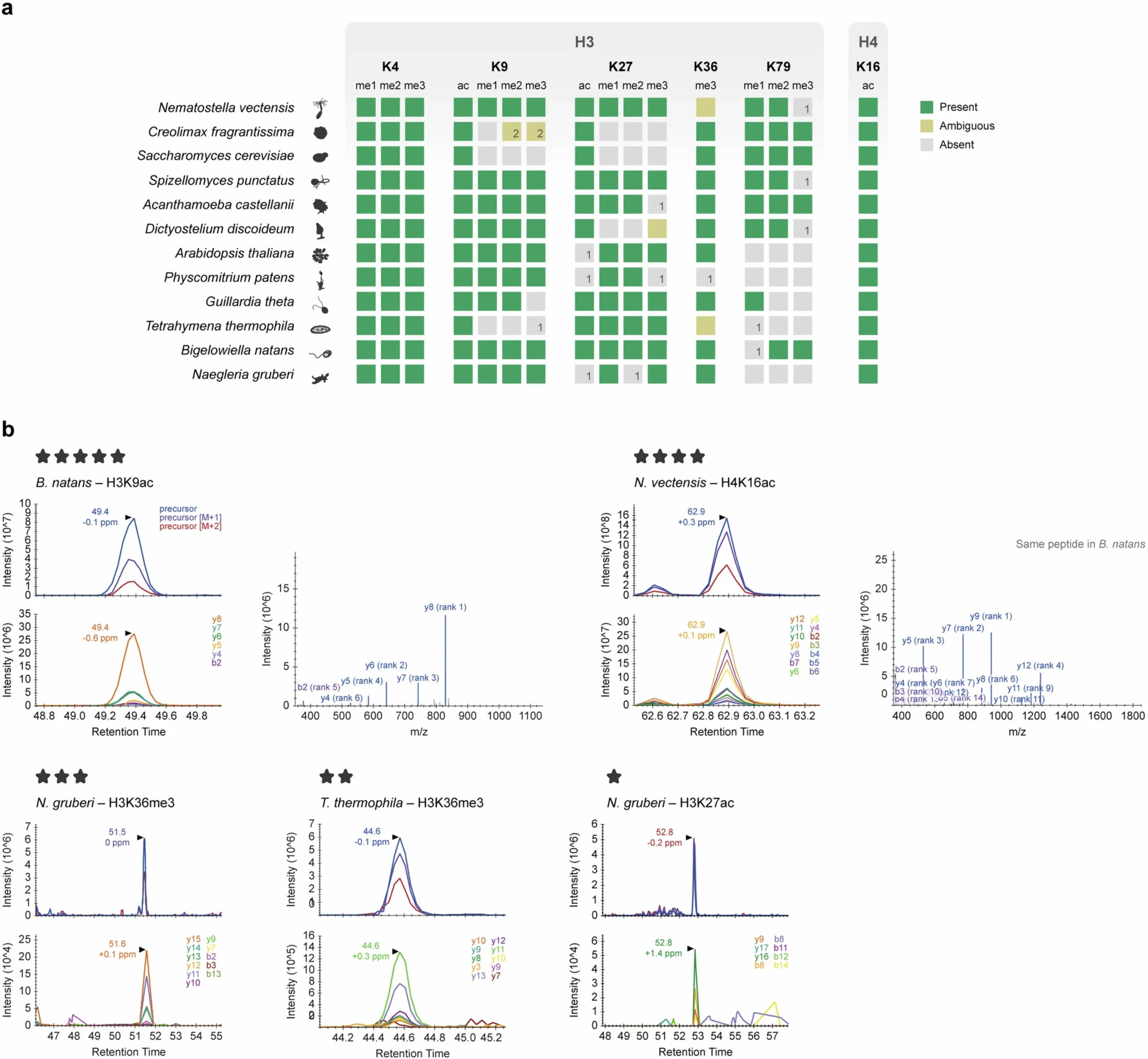
The team used iChIP2 to study 12 histone modifications across 12 diverse species. The group included amoebae, fungi, plants, algae, animals and single-celled predators.
Some had never had their chromatin mapped before. The species included Acanthamoeba castellanii, Dictyostelium discoideum, Naegleria gruberi and Bigelowiella natans.
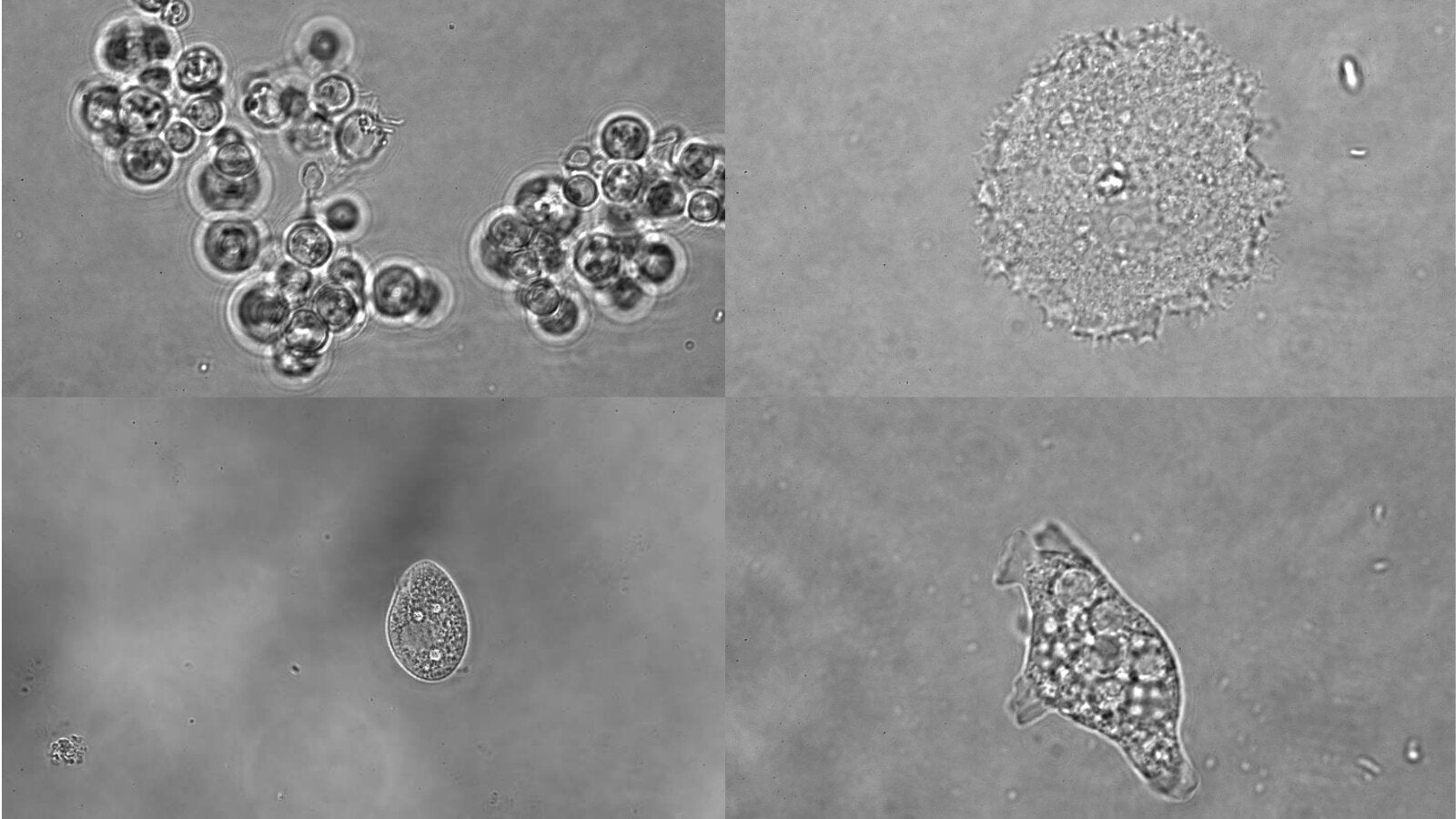
The study also included Guillardia theta, Tetrahymena thermophila, Spizellomyces punctatus and baker’s yeast, Saccharomyces cerevisiae.
Researchers also examined the colonial ichtyosporean Creolimax fragrantissima, the plant Arabidopsis thaliana, the moss Physcomitrium patens and the sea anemone Nematostella vectensis.
“We initially hoped to build a completely universal protocol, but species differ too much for that,” said Cristina Navarrete, co-first author of the study.
The study’s most dramatic variation appeared in repressive chromatin. This is the form that helps keep parts of the genome silent.
Much of this system appears tied to transposable elements, also called jumping genes. These DNA sequences can copy and insert themselves into new places.
In humans, such sequences make up roughly half of all DNA. Sometimes they do little harm. Other times, they can disrupt genes or damage genome stability.
Keeping them quiet can be a matter of survival.
“If a species loses its repressive mechanisms completely, it can’t tolerate parasitic elements like transposable elements or endogenized viruses. The result is that it’s no longer there. It’s dead,” Sebé-Pedrós said.
The researchers suggest that genome silencing keeps changing because threats keep changing. Jumping genes evolve new ways to evade detection.
Some may even acquire pieces of chromatin machinery to escape control. In response, genomes develop new ways to silence them.
Over hundreds of millions of years, each branch of life built its own defense system. Some strategies later gained new roles in ordinary gene regulation.
“We’ve established so many new rules from looking at such few species,” said Dr. Sean Montgomery, one of the study authors. “It’s the power of looking at non-model organisms to see how evolution has brought about many differing solutions to the same problems.”
This shows why studying only lab favorites can limit scientific understanding. Humans, mice, yeast and fruit flies reveal only a small part of life’s full range.
Faulty chromatin regulation plays a role in many diseases, including cancers. When cells misread these chemical signals, genes can turn on or off at the wrong time.
Understanding how chromatin works across life can reveal which parts are deeply conserved. It can also show which parts evolved more flexibly.
That distinction may help researchers identify the most important targets in disease. Ancient shared systems may point to core processes that cells cannot easily change.
More flexible systems may explain why some gene-control failures differ between tissues, species or disease types.
The work arrives as international projects race to sequence life on Earth. Efforts such as the Earth BioGenome Project and the Wellcome Sanger Institute’s Tree of Life programme are producing genomes at unprecedented speed.
But a genome sequence alone does not explain how an organism uses its DNA. Scientists also need to know how genes are controlled.
Methods like iChIP2 can help fill that gap. They allow researchers to compare genome regulation across many life forms.
This may turn genome sequencing from a list of parts into a deeper view of living systems.
This research could reshape how scientists study evolution, disease and biodiversity. By showing that gene activation is deeply conserved, it reveals a shared cellular language across complex life.
The findings may help medical researchers study diseases caused by faulty gene regulation. Cancer and many developmental disorders involve errors in chromatin control. Learning which systems are ancient may help identify reliable treatment targets.
The work also gives scientists a practical tool for studying non-model organisms. With iChIP2, researchers can examine genome regulation in species that were once difficult to study. This could expand knowledge far beyond the usual laboratory animals and plants.
For humanity, the study offers a deeper view of life’s resilience. Cells have preserved old tools for billions of years, yet adapted them to new challenges. That balance between stability and invention helps explain how life survived and diversified on Earth.
Research findings are available online in the journal Nature Genetics.
The original story “Scientists discover 2-billion-year-old rules that control genes across all life forms on Earth” is published in The Brighter Side of News.
Like these kind of feel good stories? Get The Brighter Side of News’ newsletter.
The post Scientists discover 2-billion-year-old rules that control genes across all life forms on Earth appeared first on The Brighter Side of News.


Leave a comment
You must be logged in to post a comment.