A slight shift in posture may seem harmless, but new research suggests it can quietly shape how people feel and the choices they make. A study from McGill University shows that sitting upright can lead to more positive emotions and smarter risk-taking, even when people are not aware of their body position.
The findings, published by researchers in psychology and psychiatry, add new insight to a long-standing question. Can the way the body is held influence the mind?
“Our study provides a genetic explanation for a century-old mystery of avocado pollination,” is not relevant here; instead, the researchers emphasized a different idea. They focused on how posture affects behavior without direct instruction.
“Motor imitation is a critical building block for social development,” is also unrelated; instead, Jorge Armony explained the broader importance of the findings. “Though the effects were modest, they highlight the body’s influence on mood and behaviour.”
The study involved nearly 200 participants from the McGill community. Each person completed a series of computer-based tasks designed to measure mood and decision-making.
Participants were not told that posture was part of the experiment. Instead, researchers adjusted the environment to encourage different body positions.
Some participants used a tablet placed at eye level on a raised stand. This setup encouraged them to sit upright. Others used a tablet placed lower on a desk, which led them to lean forward and slouch.
This design allowed researchers to observe natural posture changes. It also avoided a key problem in earlier studies, where participants were told how to sit.
For years, scientists have debated whether posture can influence emotions. Earlier studies suggested that standing tall or sitting upright could increase confidence. However, critics argued that participants may have simply acted in ways they believed researchers expected.
The McGill team addressed this issue by removing direct instructions. Most participants did not realize their posture was being influenced.
After the experiment, many reported no awareness of the setup. This suggests the effects occurred without conscious effort.
To confirm posture differences, researchers used video analysis. They measured neck angle as an objective marker. Upright participants showed smaller angles, while slouched participants showed larger ones.
This added a level of precision often missing in earlier work.
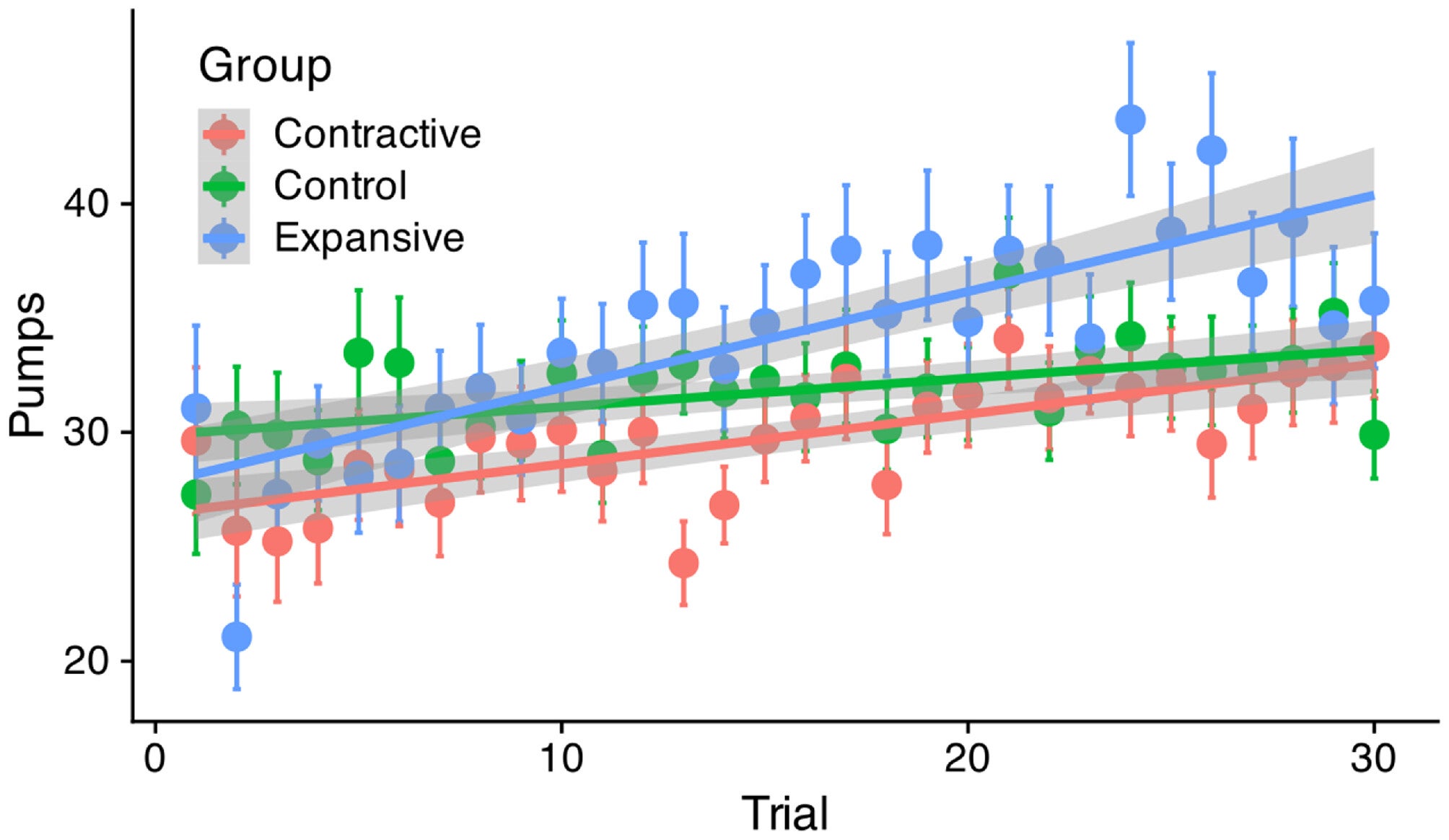
To measure behavior, the study used a task known as the Balloon Analogue Risk Task. Participants inflated a virtual balloon to earn rewards.
Each pump increased potential earnings but also raised the risk of losing everything if the balloon burst. This created a balance between caution and risk.
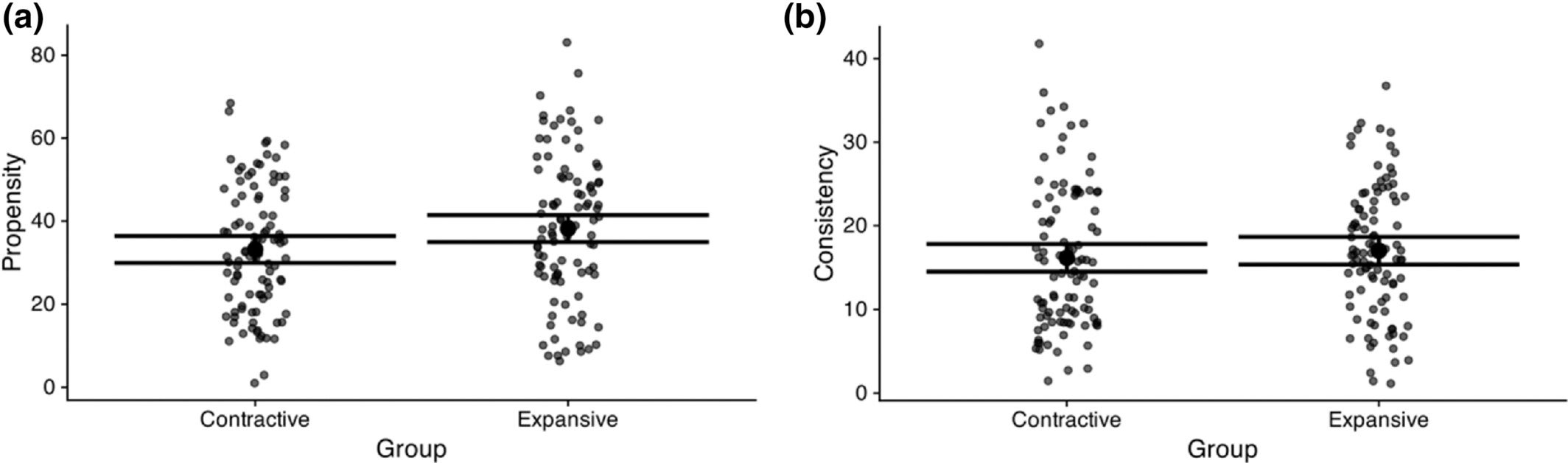
Over time, clear differences emerged between groups.
Participants sitting upright took more risks. They inflated the balloons further and earned higher rewards. At the same time, they did not experience more failures.
“This suggests they were not acting more impulsively but rather were engaging in more effective risk-taking,” Armony said.
In other words, upright posture appeared to encourage thoughtful risk-taking rather than reckless behavior.
The study also measured emotional responses through questionnaires. Participants reported how they felt before and after the task.
Those in the upright group reported stronger feelings of pride. Pride is often linked to positive mood and confidence.
The results suggest that posture may influence not only actions but also emotional states.
However, the effects were modest. Researchers caution that posture alone does not create dramatic changes in mood.
Still, the consistent pattern points to a subtle but meaningful connection.
The findings support a broader idea in psychology. The body and mind are closely linked, and physical states can influence mental processes.
This concept dates back to early theories of emotion. Some researchers argued that feelings arise from interpreting bodily signals.
Modern studies continue to explore this relationship. Facial expressions, for example, have been shown to affect mood. Posture may work in a similar way.
In this case, sitting upright may send signals associated with confidence and control. Slouching may signal the opposite.
These signals can shape how people approach decisions, even without awareness.
One of the most important insights from the study is the role of the environment.
Participants did not choose their posture intentionally. Instead, the setup of the tablet and desk influenced how they sat.
This suggests that everyday environments may shape behavior in subtle ways.
A workspace that encourages upright posture could promote confidence and better decision-making. A poorly designed setup may have the opposite effect.
Armony noted that these findings raise questions about ergonomics and design.
Small changes in how people interact with their surroundings could influence mood and behavior over time.
While the results are promising, the study has limitations.
The participants were mostly young adults, which may limit how widely the findings apply. Cultural factors may also play a role in how posture is interpreted.
The effects were observed in a controlled setting. Real-world environments may produce more complex outcomes.
Researchers also noted variation within groups. Not everyone responded in the same way, and posture alone does not determine behavior.
Future studies may explore how these effects appear in different populations and settings.
They may also examine how long posture-related changes last and whether they influence more complex decisions.
The study adds to growing evidence that small physical changes can shape mental experiences.
Posture does not control emotions or decisions on its own. However, it appears to nudge them in certain directions.
Even when unnoticed, these shifts can influence how people feel and act.
The findings suggest that the body plays a more active role in daily life than many realize.
This research highlights how everyday physical environments can influence behavior and emotional well-being. By understanding the link between posture and decision-making, individuals and organizations can make simple changes that support better outcomes.
Workplaces may benefit from designing desks, chairs, and screens that encourage upright posture. This could improve focus, confidence, and the ability to make balanced decisions. Schools and learning environments may also apply these insights to support student engagement.
For individuals, being aware of posture may help improve mood and approach to challenges. While the effects are modest, they can accumulate over time and contribute to overall well-being.
In research, these findings open new questions about how physical states interact with cognitive processes. Future studies may explore how posture interacts with stress, attention, and long-term decision-making.
Overall, the study shows that even small physical adjustments can have meaningful effects on how people experience the world.
Research findings are available online in the British Journal of Psychology.
The original story “Sitting upright can boost mood and improve decision-making, McGill researchers find” is published in The Brighter Side of News.
Like these kind of feel good stories? Get The Brighter Side of News’ newsletter.
The post Sitting upright can boost mood and improve decision-making, McGill researchers find appeared first on The Brighter Side of News.


Leave a comment
You must be logged in to post a comment.