A wedge of artisan cheese may contain far more than rich flavor and creamy texture. Hidden within every bite is a thriving community of microbes working together to transform milk into a complex food that could also support human health.
Researchers at the University of Reading have mapped the bacterial communities responsible for shaping the character of three British artisan cheeses. Their findings reveal how different microbes create distinctive aromas, textures and flavors during aging. The study also suggests that some of these same microbes may provide benefits to the gut microbiome.
The research followed three cheeses made by Nettlebed Creamery in Oxfordshire as they matured. By tracking both bacterial populations and chemical changes over time, scientists created a detailed picture of the living ecosystem hidden inside each cheese.
The work highlights an emerging area of food science sometimes called “cheese-omics,” where researchers study the relationship between microbes, chemistry and nutrition to better understand what happens during the cheese-making process.
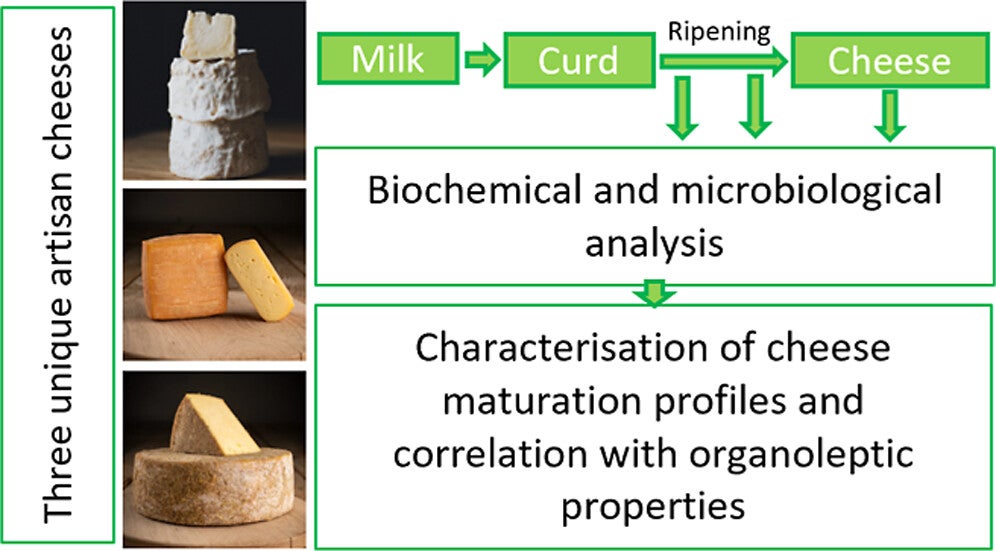
Cheese begins with milk, but it quickly becomes something much more complex. During fermentation and aging, armies of bacteria transform sugars, proteins and fats into hundreds of compounds that influence flavor, smell and texture.
“Good cheese is delicious, and the artisan varieties we studied are full of microbial life that could have benefits to your gut health,” said Sabrina Longley, lead author of the study and a PhD researcher in the Department of Food and Nutritional Sciences.
“The ageing process creates more complex aromas and textures through the work of an army of helpful bacteria. The matrix of fats and proteins in the cheese may also help protect the bacteria as they travel along the digestive tract, making cheese an excellent vehicle for delivery of probiotics to the gut.”
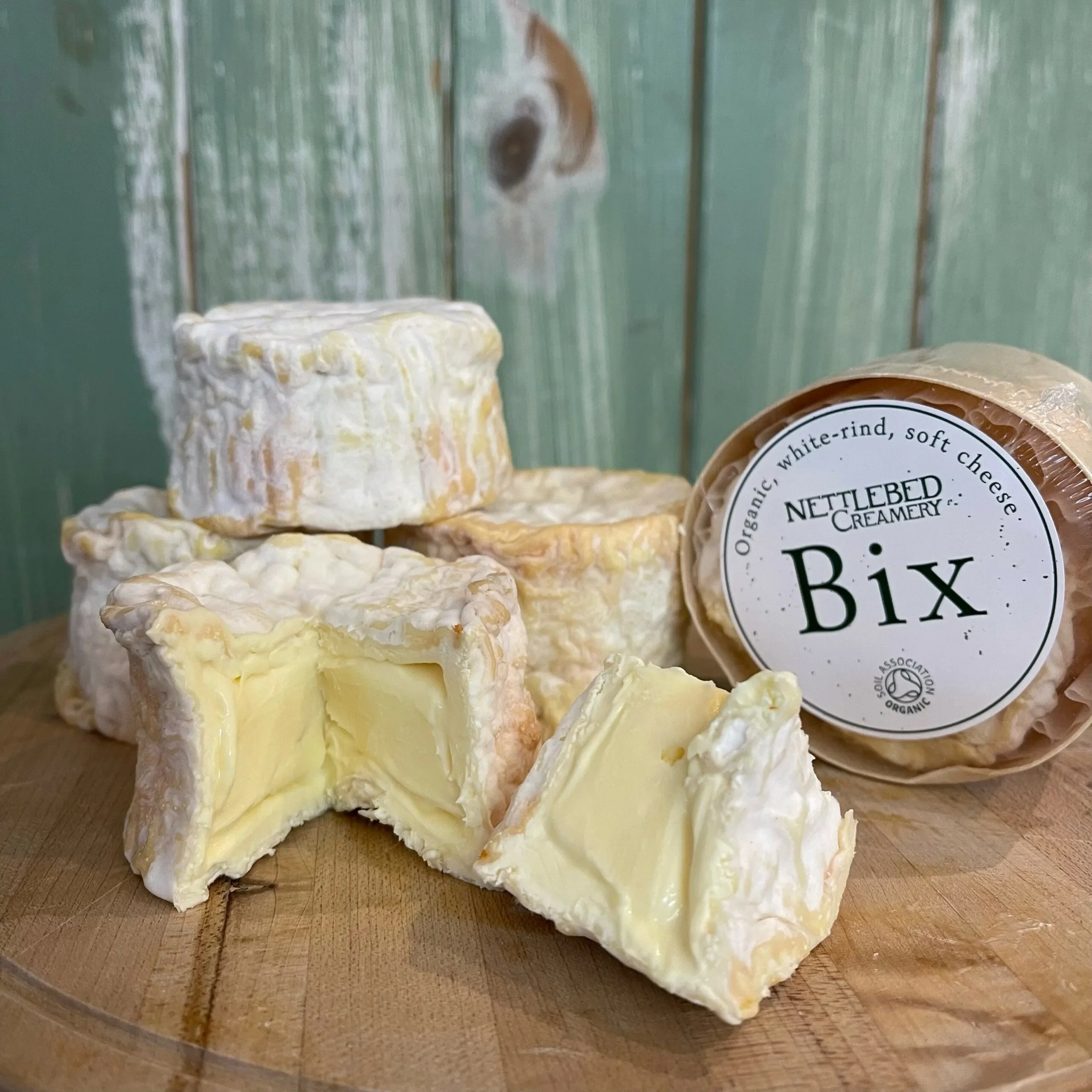
To investigate these changes, researchers examined three distinct cheeses. The first was Bix, a soft white-rind cheese that matures in just over a week. The second was Highmoor, a washed-rind semi-soft cheese that develops over several weeks. The third was Witheridge, a semi-hard cheese wrapped in hay and aged for roughly nine months.
Samples were collected at multiple stages of maturation and analyzed using advanced genetic and chemical testing techniques.
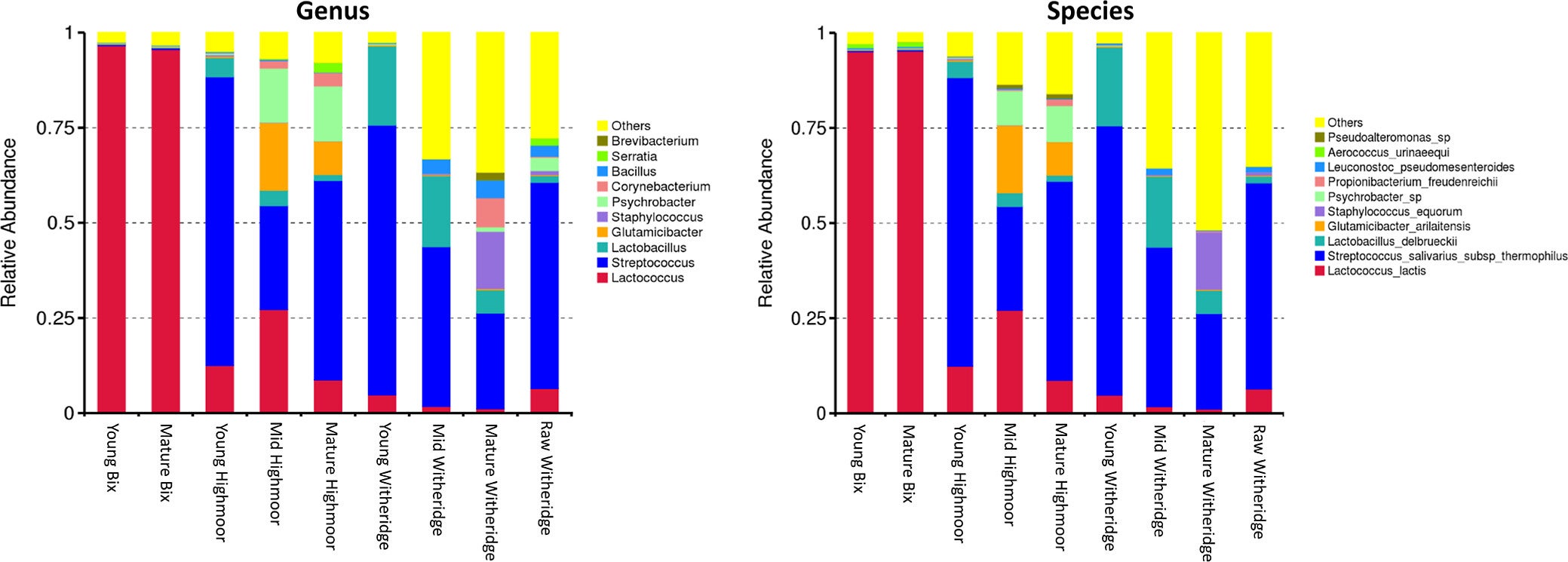
The researchers identified a wide variety of bacterial species throughout the cheeses. Some remained stable during maturation, while others appeared or increased as aging progressed.
One bacterium stood out across all three varieties. Lactococcus lactis, a well-known species used in dairy fermentation, remained present throughout the maturation process.
Another important species, Streptococcus thermophilus, remained dominant in the semi-soft and harder cheeses from early development through full maturity. This bacterium is also commonly used in yogurt production and has been linked to beneficial effects in fermented foods.
The washed-rind Highmoor and hay-aged Witheridge cheeses contained Propionibacterium freudenreichii, another notable microbe. This bacterium produces propionic acid, a compound associated with anti-inflammatory activity, appetite regulation and reduced cholesterol production.
Scientists found that each cheese followed its own microbial path during maturation. While starter cultures dominated younger cheeses, aging encouraged the growth of additional bacterial species that contributed to flavor and complexity.
As cheeses matured, their microbial communities became increasingly diverse.
Highmoor showed a major increase in bacterial richness during its aging process. Microbes associated with washed-rind cheeses, including species of Brevibacterium and Corynebacterium, became more prominent. These bacteria help create the distinctive aromas and orange-pink rinds found on many washed-rind cheeses.
The most dramatic transformation occurred in Witheridge.
Researchers discovered that bacterial diversity expanded significantly after the cheese was wrapped in hay. The mature version contained nearly four times as many bacterial species as earlier samples.
Observed species counts increased from roughly 309 in younger cheese to more than 1,180 in mature samples. Scientists believe the hay-aging process may help introduce or encourage a wider range of microbes, creating a richer microbial environment as the cheese develops.
This growing diversity also influenced the cheese’s chemistry. As microbes broke down proteins and fats, they produced new compounds responsible for flavor, aroma and texture.
The findings suggest that traditional aging methods do far more than preserve cheese. They actively shape the microbial ecosystem that gives each variety its unique character.
One of the most notable findings involved lactose, the natural sugar found in milk.
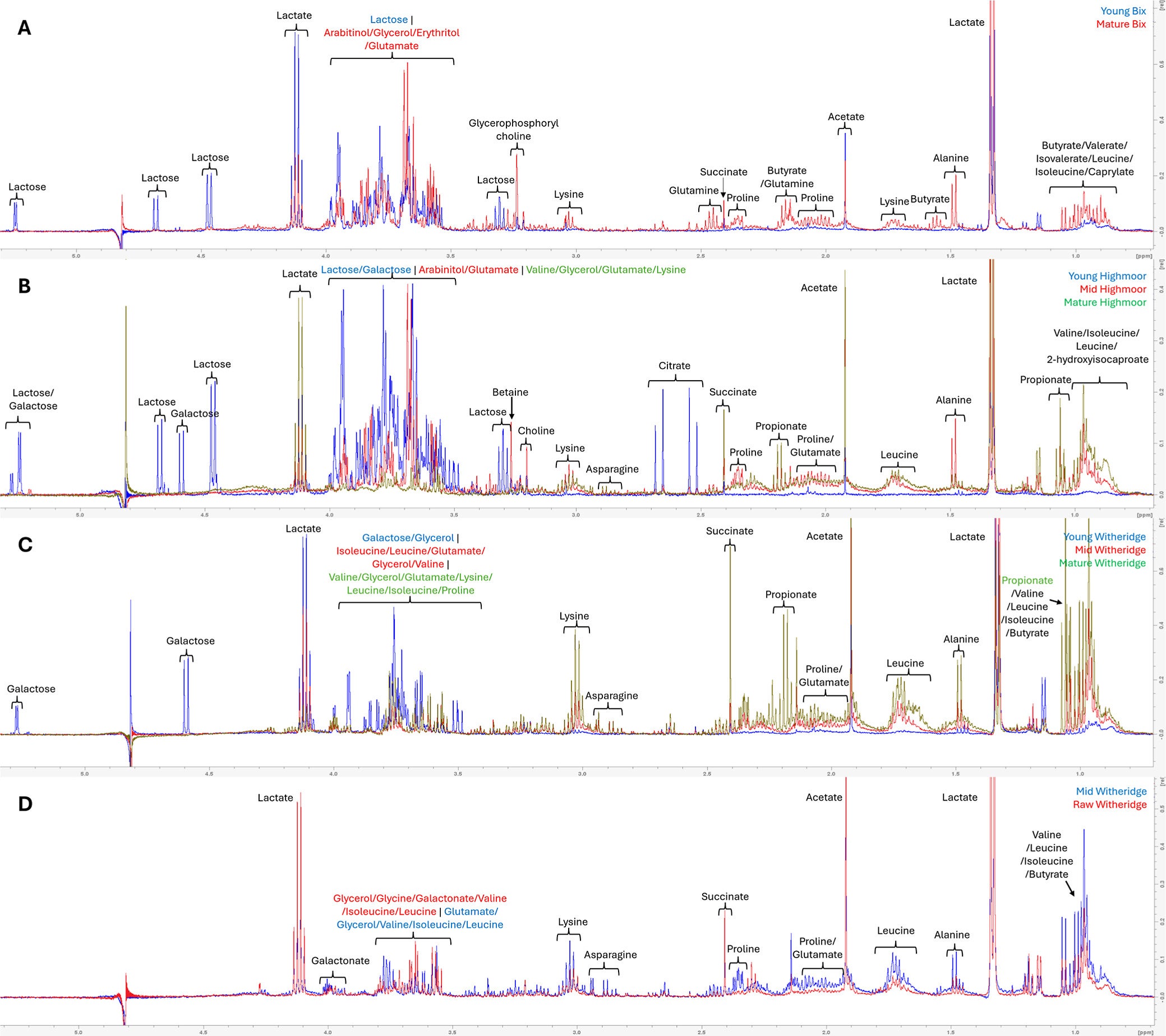
Many people struggle to digest lactose because they lack sufficient amounts of the enzyme needed to break it down. However, researchers found that lactose was nearly absent in all three cheeses by the time they reached maturity.
During fermentation, lactic acid bacteria consumed the lactose and converted it into other compounds. As a result, carbohydrate levels fell to extremely low levels in mature cheeses.
This process helps explain why some aged cheeses can be easier for lactose-sensitive individuals to tolerate than fresh dairy products.
The chemical analysis also revealed rising levels of compounds produced during fermentation, including acetate, propionate and certain amino acids. These substances contribute to flavor development and may also influence health.
For people who enjoy eating cheese rinds, the study uncovered an additional reason to keep them on the plate.
The white rind of Bix is formed by Penicillium candidum, a mold commonly used in soft-ripened cheeses. Researchers found evidence that this mold produces chitin, a type of dietary fiber.
Chitin may act as a prebiotic, meaning it provides nourishment for beneficial bacteria already living in the gut. By feeding those microbes, it could help encourage a healthier microbial balance.
Interestingly, Bix contained more fiber than the hay-aged cheese, despite not being wrapped in plant material. Scientists believe the mold-derived chitin likely explains this unexpected result.
The study also detected several short-chain fatty acid compounds created during maturation. Previous research has linked some of these molecules to digestive and metabolic health, although the researchers caution that more work is needed to understand their effects when consumed through cheese.
The possibility that cheese microbes may influence the gut has attracted increasing scientific interest.
Several bacterial species identified in the cheeses have recognized probiotic potential. These microbes may help support beneficial bacterial populations in the digestive tract.
Cheese may offer a unique advantage compared with other fermented foods. Its dense structure of proteins and fats could help shield bacteria as they travel through the digestive system, potentially increasing the chances that they reach the gut alive.
However, the researchers emphasize that their findings do not prove direct health benefits.
The study analyzed bacteria present in cheese itself. It did not examine how those microbes behave after consumption.
To answer those questions, scientists say dietary intervention trials will be necessary. Future studies will need to track how cheese-associated bacteria interact with the human microbiome and whether they produce measurable health effects.
The findings demonstrate that artisan cheese is far more than a collection of ingredients. It is a living, evolving ecosystem shaped by time, environment and microbial activity.
By mapping the bacteria and biochemical changes behind three traditional British cheeses, researchers have provided one of the most detailed looks yet at how aging transforms dairy products.
The work also highlights how traditional methods, including rind development and hay aging, influence microbial diversity in ways that modern science is only beginning to understand.
For centuries, cheesemakers have relied on experience and craftsmanship to create distinctive flavors. Now, scientists are revealing the microscopic communities that make those transformations possible.
This research could help cheesemakers better understand how microbial communities influence flavor, texture and product quality throughout maturation. By identifying specific bacterial populations linked to desirable characteristics, producers may be able to refine aging methods while preserving traditional production practices.
The findings also open new avenues for nutrition and microbiome research. Several bacterial species identified in the cheeses have recognized probiotic potential, while certain compounds produced during maturation may support digestive health. Future human studies could determine whether these microbes survive digestion and positively influence gut microbial communities.
In the long term, this work may help scientists develop fermented foods that combine traditional craftsmanship with evidence-based health benefits. It also strengthens understanding of how naturally occurring microbes contribute to both food quality and human well-being.
Research findings are available online in the journal ACS Food Science & Technology.
The original story “Scientists discover what gives artisan cheeses their distinct flavors” is published in The Brighter Side of News.
Like these kind of feel good stories? Get The Brighter Side of News’ newsletter.
The post Scientists discover what gives artisan cheeses their distinct flavors appeared first on The Brighter Side of News.

