A dog’s presence alone may not explain whether a pet helps a teenager handle social stress. New research suggests the details of that relationship, including companionship, caretaking, conflict and emotional reliance, matter far more.
Researchers at Tufts University studied 514 U.S. adolescents ages 13 to 17 who had high levels of social anxiety. A parent of each teenager also participated.
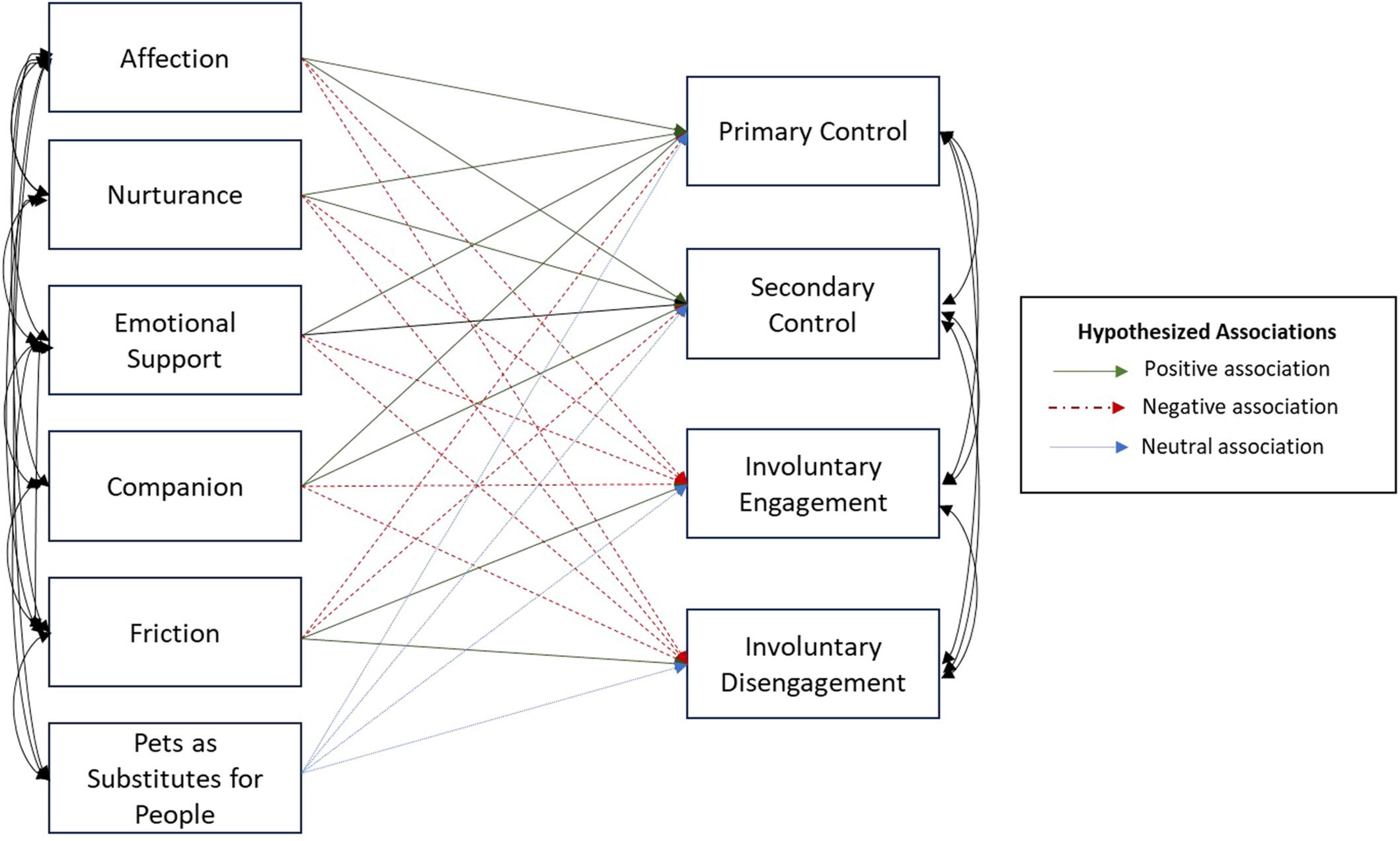
The work examined how six qualities of teen-dog relationships were associated with different ways of responding to peer stress.
The results were more complicated than a simple conclusion that dogs are beneficial.
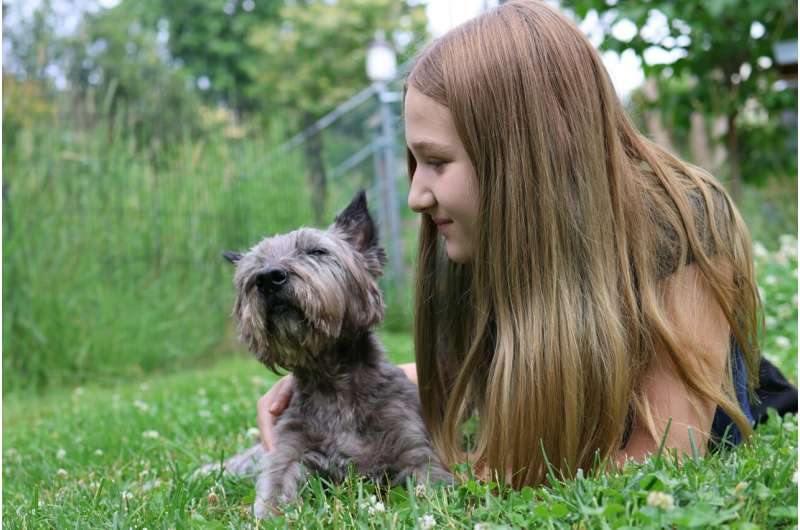
“During adolescence, teenagers develop their sense of self,” said senior author Megan Mueller of Cummings School of Veterinary Medicine at Tufts University. “Teenagers undergo a natural shift, with peers replacing parents as their primary relationships. There’s naturally some emotional churn during this transition, which can cause a lot of anxiety for some kids.”
The researchers separated teen-dog relationships into six dimensions: affection, nurturance, emotional support, companionship, friction with the pet and viewing pets as substitutes for people.
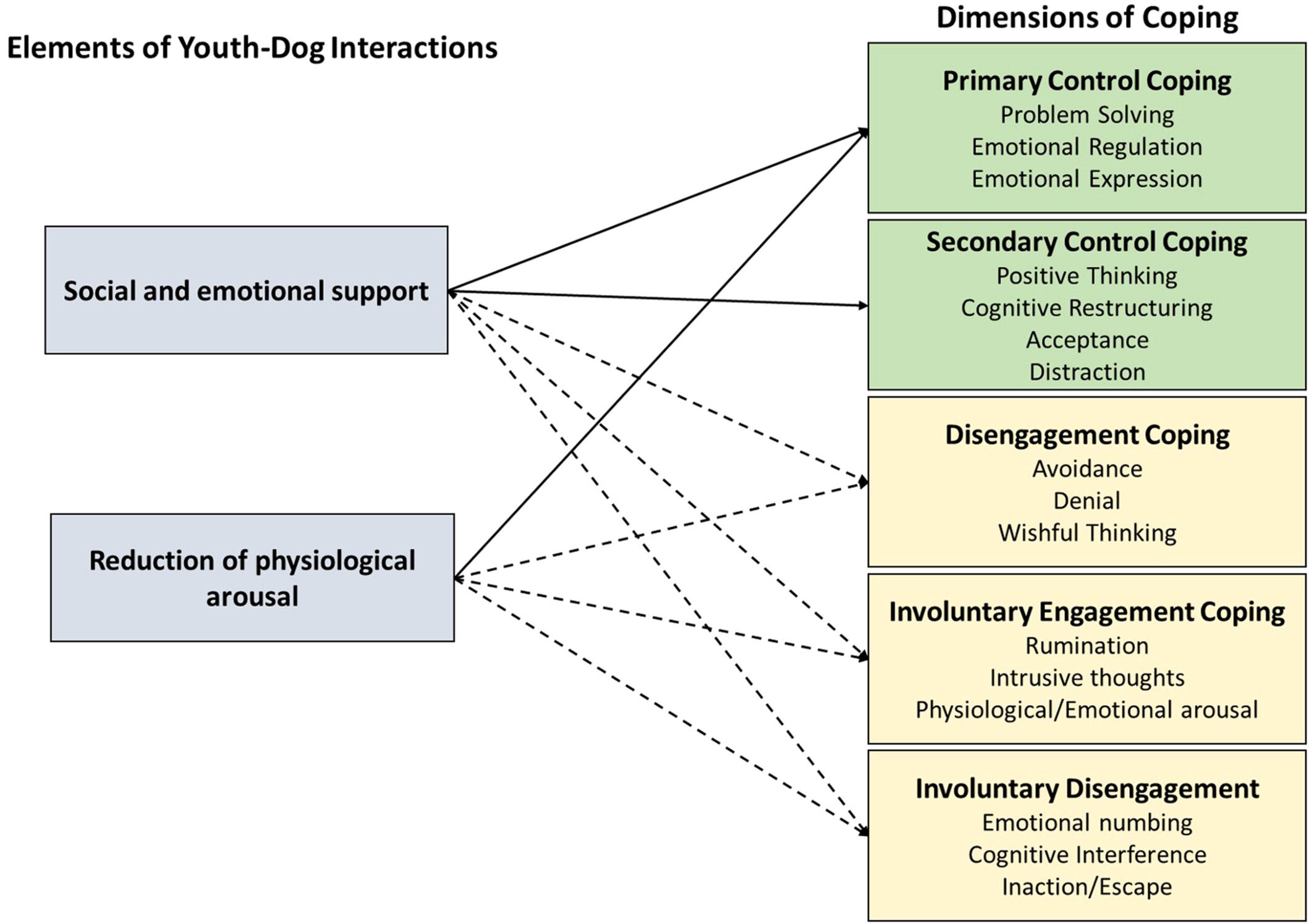
They also grouped coping strategies into several categories.
Primary Control Coping included problem solving and emotional regulation. Secondary Control Coping included positive thinking, acceptance, cognitive restructuring and positive distraction.
Other categories captured less adaptive responses, including rumination, intrusive thoughts, emotional numbing and inaction.
Companionship emerged as one of the most consistent findings.
Teens who reported more companionship with their dogs also reported more Primary and Secondary Control Coping. They showed lower levels of both forms of involuntary coping.
The statistical associations were strongest for Secondary Control Coping and lower Involuntary Engagement.
Caring for a dog, described as nurturance, followed a similar pattern.
That included paying attention to the animal’s needs and taking responsibility for its care.
One result surprised the team.
Researchers expected teenagers who turned to dogs for emotional support to show more adaptive coping and less rumination.
Instead, greater emotional support from a dog was associated with lower Secondary Control Coping and higher Involuntary Engagement.
In the initial model, the coefficient for Secondary Control Coping was -0.34, while the association with Involuntary Engagement was 0.26.
That does not mean seeking comfort from a dog causes unhealthy coping.
The researchers proposed another possibility: heavier emotional reliance on a dog could reflect a weaker human support network.
A pet may offer comfort without providing the type of feedback another person could give when a teenager becomes stuck in repetitive negative thoughts.
The associations also weakened after researchers included gender in the model.
Affection, on its own, did not significantly predict any coping category.
That result held in both adolescent and parent reports.
Most participants already reported strong affection for their dogs, leaving relatively little variation for researchers to compare.
Affection also overlapped with other positive relationship qualities.
The findings therefore suggest that simply loving a dog may be too broad a measure to explain how a teenager handles social stress.
Friction showed a much clearer pattern.
More conflict with a dog was associated with lower Primary and Secondary Control Coping and higher involuntary coping.
For example, friction predicted lower Primary Control Coping with a coefficient of -0.20 and higher Involuntary Disengagement with a coefficient of 0.14.
Those patterns included behaviors such as avoidance, rumination, denial and emotional numbing.
The researchers also examined whether teenagers saw their dogs as replacements for human relationships.
Higher scores on the “Pets as Substitutes for People” measure were associated with lower Primary and Secondary Control Coping and greater Involuntary Disengagement.
The result does not establish that preferring a dog to people is harmful.
Instead, the researchers suggested it may sometimes indicate that a teenager has fewer human sources of support.
“One possible explanation is that a dog becoming a teen’s main source of social support may reflect a lack of other social connections,” Mueller said.
The team emphasized that this relationship remains poorly understood and needs more research.
Both teenagers and parents completed questionnaires.
Parent reports generally pointed in the same direction, but their associations were weaker.
Companionship predicted greater Primary and Secondary Control Coping in the parent model.
Nurturance also predicted greater Secondary Control Coping and lower involuntary coping.
However, parents’ reports of Emotional Support and Friction did not significantly predict coping patterns.
The difference may reflect parts of a teenager’s emotional life that parents cannot easily observe.
Gender also influenced the analysis.
Among cisgender participants, girls reported lower Primary and Secondary Control Coping and higher involuntary coping than boys.
Age did not significantly predict the coping outcomes and was removed from the final model.
The biggest limitation is the design itself.
The study was cross-sectional and correlational, meaning researchers measured relationships and coping at one point in time.
It cannot determine whether companionship with a dog improves coping.
The reverse could also be true. Teenagers who already cope more effectively may find it easier to build companionable and nurturing relationships with pets.
The research also relied on self-reported surveys.
The sample was entirely U.S.-based and mostly White and non-Hispanic. There were too few gender-diverse participants to analyze those groups separately.
Dog personality, behavior, health and family dynamics were not fully examined either.
The findings move the question beyond whether owning a dog is simply “good” for socially anxious teenagers.
Different relationship qualities were linked to very different coping patterns.
That distinction can help researchers design future studies around companionship, caretaking, conflict and dependence rather than pet ownership alone.
Mueller’s team is now following teenagers and their dogs over time.
That work may help determine which changes come first and whether dog personality, behavior or compatibility with a teenager influences coping.
“Dogs in many ways bridge the space between family and peers,” Mueller said. “They’re obviously not your parents, but they’re part of the family unit and may serve as a familiar source of comfort.”
Understanding when that relationship supports coping, and when it reflects wider social difficulties, will require looking at the full social world around both the teenager and the dog.
These resources explore how pet attachment, relationship quality, dog ownership and caregiving can shape emotional health and social development in young people.
The Relationship Between Attachment to Pets and Mental Health and Wellbeing: A Systematic Review
This review of 116 studies found that stronger attachment to a pet does not consistently predict better mental health, highlighting the importance of relationship type, human social support and other factors. (Animals, 2025)
Dog ownership during adolescence alters the microbiota and improves mental health
Researchers found that dog-owning adolescents showed fewer social, behavioral and psychological problems, while also identifying microbiome differences that may help explain some associations between dogs and adolescent well-being. (iScience, 2025)
Exploring the connection between pet attachment and owner mental health: The roles of owner-pet compatibility, perceived pet welfare, and behavioral issues
This study found that pet attachment alone could not explain mental health outcomes, with compatibility, perceived animal welfare and behavioral problems adding important complexity to the human-pet relationship. (PLOS One, 2025)
Companion animals and child development outcomes: longitudinal and cross-sectional analysis of a UK birth cohort study
Using a large longitudinal birth cohort, researchers found mostly limited evidence that pet ownership alone improves children’s emotional health, reinforcing the need to examine relationship quality and potential confounding factors. (BMC Pediatrics, 2024)
Longitudinal associations between pet relationship quality and socio-emotional functioning in early adolescence
Following 940 pet-owning adolescents over time, this research linked greater pet-relationship satisfaction with more favorable emotional trajectories, while heavy emotional disclosure to pets was associated with less favorable patterns for loneliness and depression. (Social Development, 2024)
Research findings are available online in the journal Journal of Adolescence.
The original story “Spending time with a dog helps teens to better cope with social anxiety” is published in The Brighter Side of News.
Like these kind of feel good stories? Get The Brighter Side of News’ newsletter.
The post Spending time with a dog helps teens to better cope with social anxiety appeared first on The Brighter Side of News.


Leave a comment
You must be logged in to post a comment.