For years, the phrase “trans fat” has carried a warning. Health experts have linked these fats to heart disease, prompting governments and food manufacturers around the world to remove them from many products. But a major new review suggests that not all trans fats deserve the same reputation.
Researchers analyzing evidence from 22 scientific studies have found that the naturally occurring trans fats found in dairy products such as milk, cheese, butter, and yogurt do not increase the risk of heart disease, stroke, cardiovascular death, or type 2 diabetes. The findings help resolve a long-running debate about whether naturally occurring trans fats behave like the industrial versions that have been widely condemned.
The study comes at a time when dairy-derived trans fats make up a growing share of total trans fat intake in many countries. As industrial trans fats disappear from the food supply, consumers and policymakers have increasingly questioned whether naturally occurring trans fats should be viewed with the same concern.
According to the researchers, the evidence suggests they should not.
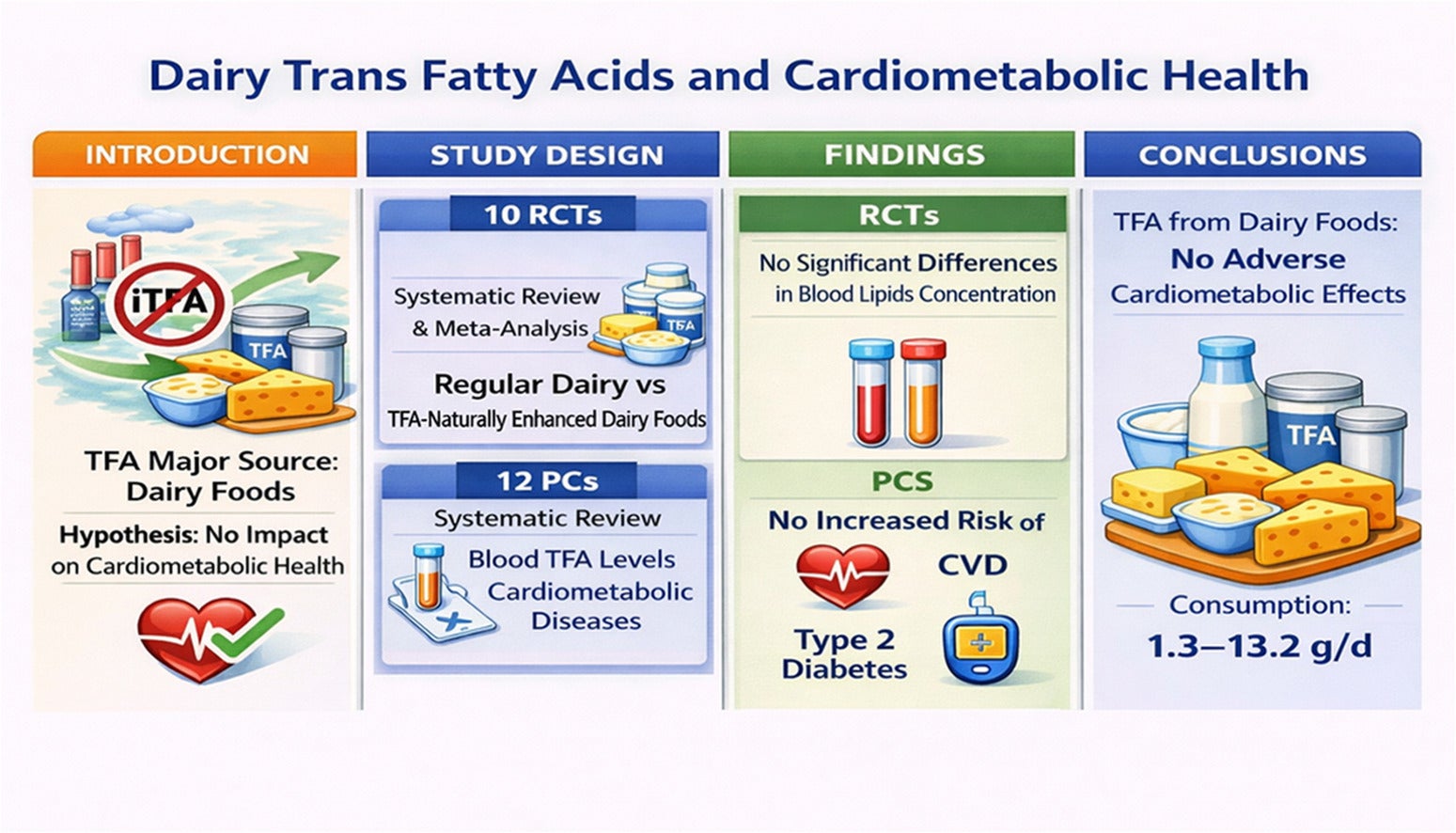
Trans fats belong to a group of unsaturated fats. They occur naturally in the milk and meat of ruminant animals such as cows, sheep, and goats. They can also be created artificially through industrial processes that partially hydrogenate vegetable oils.
The industrial form has long been associated with harmful effects on cardiovascular health. Numerous studies have shown that these manufactured fats raise levels of harmful cholesterol and increase the risk of heart disease.
Natural dairy trans fats, however, have remained much more controversial.
“People hear the words ‘trans fats’ and assume the worst, but the trans fats in your morning milk, yogurt, butter or cheese are not the same as the ones from industrial partially hydrogenated fats. This research should give people reassurance that dairy, eaten as part of a balanced diet, is not something to worry about for your heart,” said Professor Ian Givens of the University of Reading, one of the study’s lead authors.
The most common naturally occurring dairy trans fat is vaccenic acid. Another, found in smaller amounts, is trans-palmitoleic acid. Both originate from natural digestive processes inside ruminant animals.
As efforts to eliminate industrial trans fats continue worldwide, understanding the health effects of these natural compounds has become increasingly important.
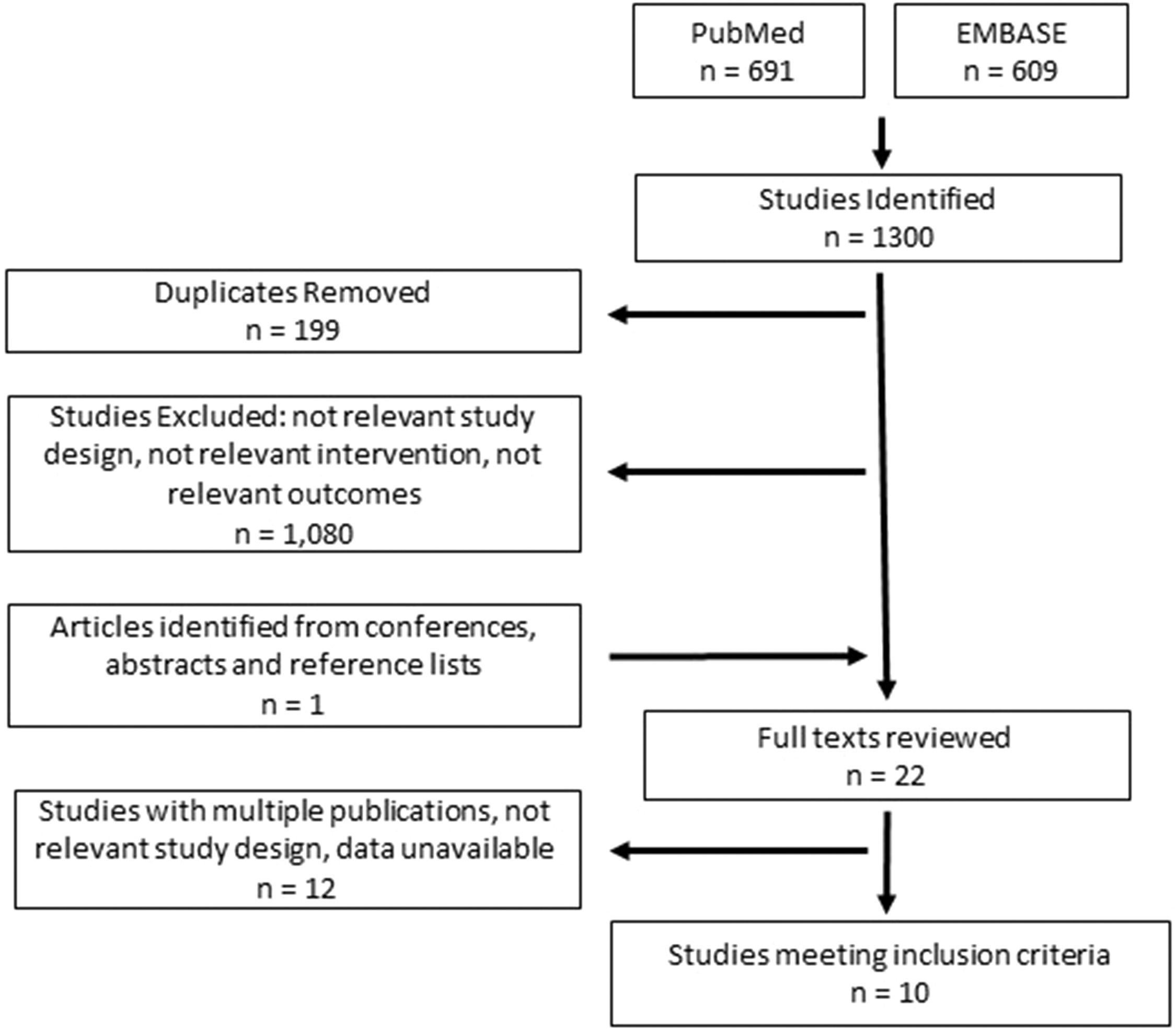
To investigate the issue, researchers conducted a comprehensive review of two major categories of scientific evidence.
The first included 10 randomized controlled trials. These studies compared people who consumed dairy products naturally enriched with higher levels of trans fats against those who consumed conventional dairy products.
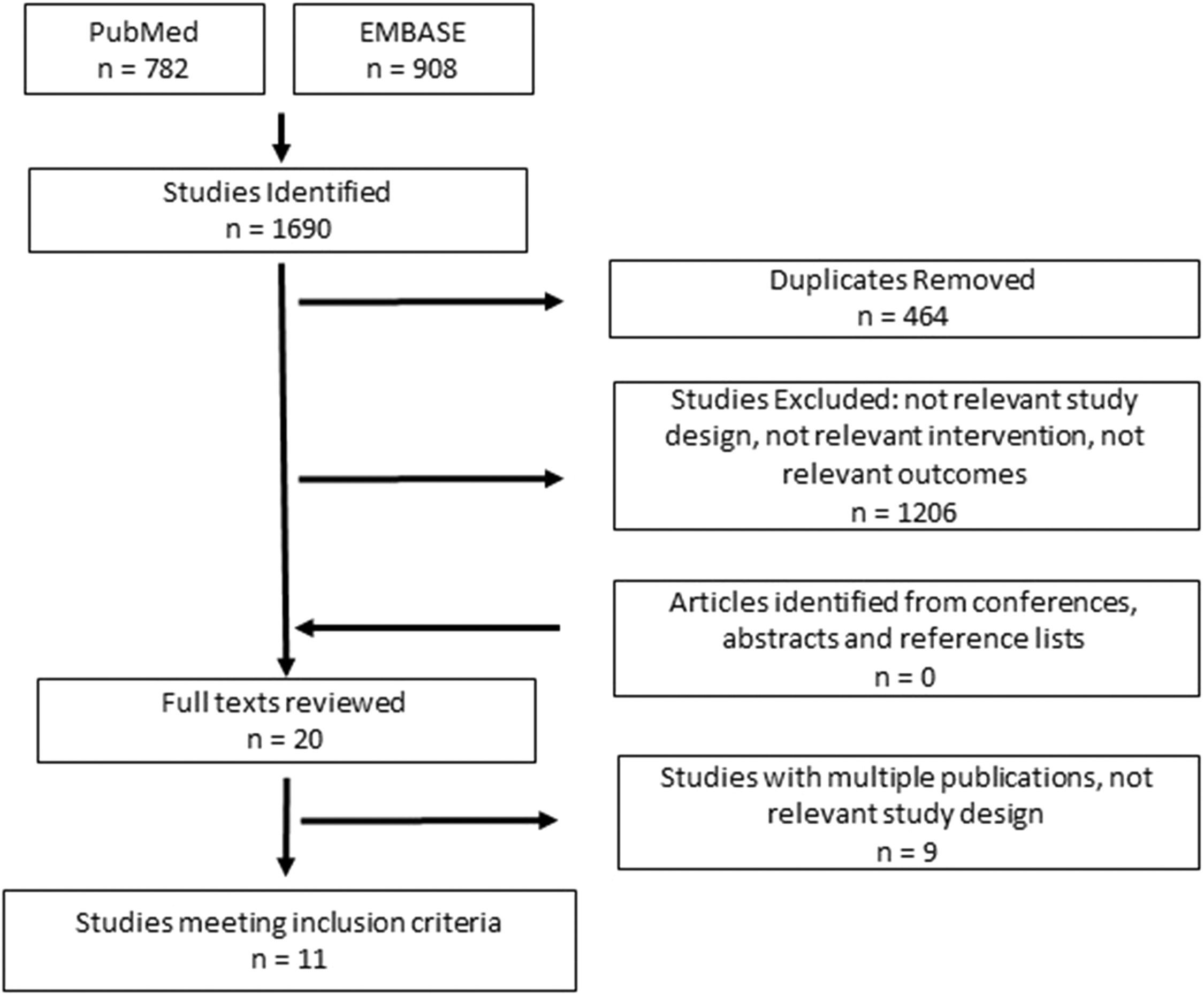
The second involved 12 long-term prospective cohort studies. These studies followed thousands of participants over periods ranging from five years to more than two decades. Researchers measured levels of dairy-derived trans fats in participants’ blood and tracked health outcomes over time.
Together, the studies involved thousands of people across Europe, Canada, and the United States.
The controlled trials focused on blood lipid markers commonly used to assess cardiovascular risk. These included total cholesterol, LDL cholesterol, HDL cholesterol, triglycerides, and other indicators linked to heart health.
The cohort studies examined whether higher blood levels of dairy-derived trans fats corresponded with increased rates of heart disease, stroke, cardiovascular death, or type 2 diabetes.
The randomized trials tested a variety of dairy products, including milk, butter, cheese, and mixed dairy diets.
Participants consumed between 1.3 grams and 13.2 grams of dairy trans fats daily. Researchers then measured changes in cholesterol and other cardiovascular markers.
Across all 10 studies, the findings were remarkably consistent.
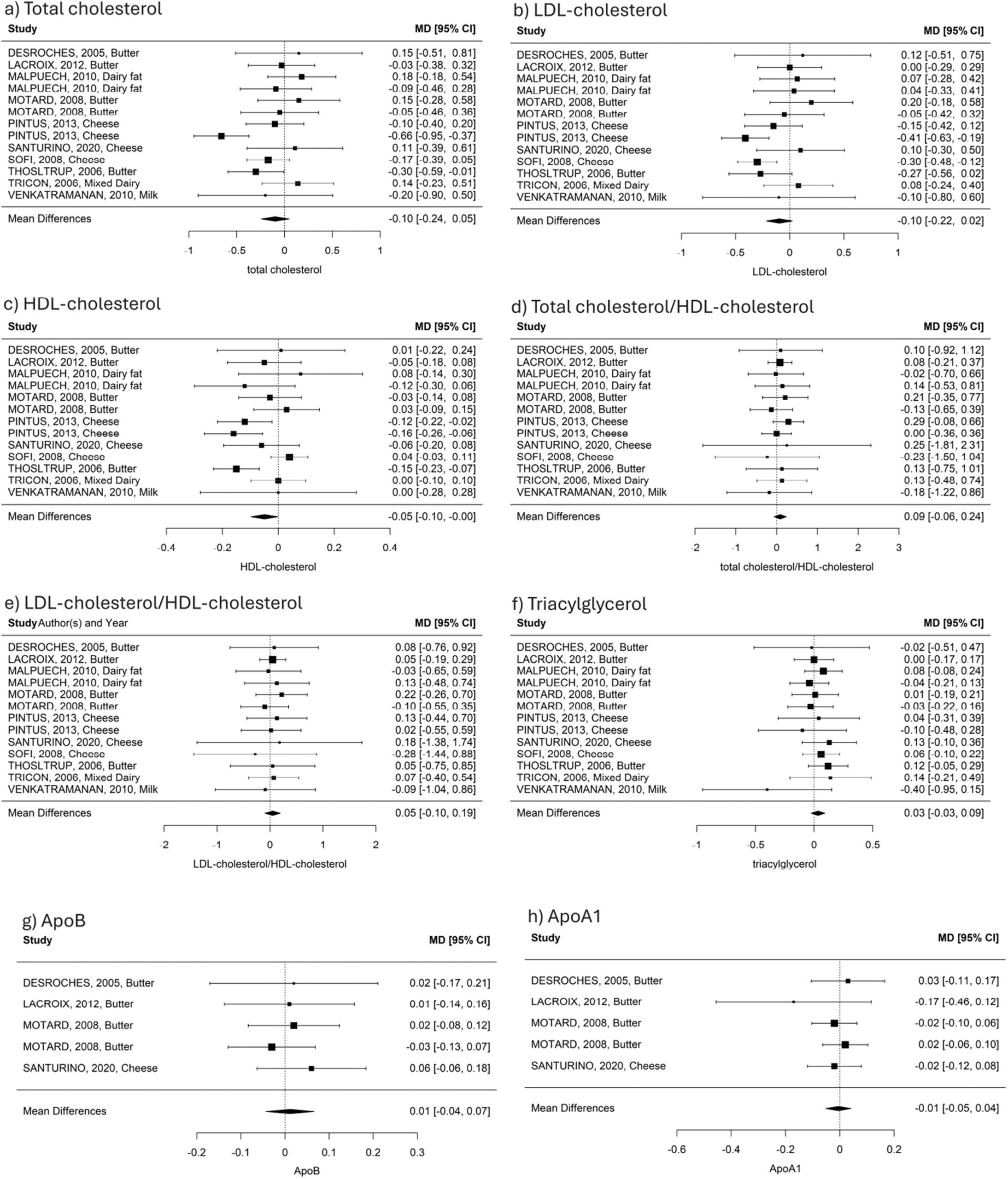
Higher intake of dairy-derived trans fats did not significantly increase total cholesterol levels. Researchers also found no meaningful rise in LDL cholesterol, often called “bad” cholesterol because elevated levels contribute to artery-clogging plaque.
Triglycerides remained largely unchanged. Other key markers, including apolipoprotein B and apolipoprotein A1, also showed no significant differences between participants consuming enriched dairy products and those consuming standard dairy products.
The researchers observed a small decrease in HDL cholesterol, commonly known as “good” cholesterol, in some analyses. However, when they examined specific dairy products separately, that change lost statistical significance.
Importantly, several measurements considered strong predictors of cardiovascular risk, including the ratio of total cholesterol to HDL cholesterol and the ratio of LDL cholesterol to HDL cholesterol, showed no harmful changes.
Overall, the clinical trials provided little evidence that naturally occurring dairy trans fats negatively affect major blood markers associated with heart disease.
The long-term observational studies painted a similarly reassuring picture.
Researchers measured blood concentrations of vaccenic acid and trans-palmitoleic acid and followed participants for years to determine whether these markers predicted future disease.
They found no evidence that higher levels of dairy trans fats increased the risk of cardiovascular disease, coronary heart disease, stroke, or death from cardiovascular causes.
The findings also extended to metabolic health.
Several studies examined the relationship between dairy trans fats and type 2 diabetes. None found an increased risk.
In fact, some studies suggested a possible protective relationship. In certain cohorts, participants with higher blood levels of trans-palmitoleic acid experienced substantially lower rates of type 2 diabetes compared with those who had lower levels.
The researchers caution that these findings were not consistent across every study. Some investigations found no association at all. Nevertheless, none reported a higher risk linked to dairy-derived trans fats.
Taken together, the evidence strongly suggests that naturally occurring dairy trans fats do not contribute to major cardiometabolic diseases.
The review highlights an important lesson in nutrition science: foods and nutrients often behave differently depending on their source and biological context.
Industrial trans fats and naturally occurring dairy trans fats may share a similar chemical classification, but they exist in different food environments and contain distinct fatty acid profiles.
Researchers note that dairy products contain complex mixtures of nutrients, proteins, vitamins, minerals, and fatty acids that may influence how the body processes these compounds.
The findings suggest that grouping all trans fats into a single category may oversimplify a much more nuanced biological reality.
This distinction has become increasingly relevant as global public health efforts successfully reduce industrial trans fats from the food supply.
The study’s authors believe their findings could help reduce confusion among consumers who see the term “trans fat” on nutrition labels and assume all sources carry identical risks.
“Trans fats” has become one of the most negatively viewed terms in nutrition. Yet the evidence indicates that the naturally occurring forms found in dairy foods should not be viewed the same way as industrially produced varieties.
The researchers emphasize that their findings apply specifically to dairy-derived trans fats consumed as part of normal diets. They do not challenge the well-established evidence showing that industrial trans fats increase cardiovascular risk.
Instead, the review helps draw a clearer line between two distinct types of fats that have often been discussed together despite very different health effects.
This research provides important reassurance for consumers who regularly eat dairy products. The findings suggest that naturally occurring trans fats in foods such as milk, butter, cheese, and yogurt do not increase the risk of heart disease, stroke, cardiovascular death, or type 2 diabetes when consumed as part of a balanced diet.
For policymakers and health professionals, the results may help improve public education about nutrition and guide future food-labeling discussions. As industrial trans fats continue to disappear from food systems worldwide, distinguishing between harmful manufactured trans fats and naturally occurring dairy trans fats will become increasingly important.
For researchers, the study highlights the need to examine nutrients within their biological and dietary context rather than assuming similar compounds always produce identical health outcomes. Future studies may further explore why dairy-derived trans fats appear to behave differently and whether certain components of dairy foods contribute to these effects.
Ultimately, the findings could help create more accurate dietary recommendations while reducing unnecessary concern about dairy products that provide valuable nutrients for millions of people worldwide.
Research findings are available online in the journal Nutrition Research.
The original story “What dairy trans fats really mean for your heart health” is published in The Brighter Side of News.
Like these kind of feel good stories? Get The Brighter Side of News’ newsletter.
The post What dairy trans fats really mean for your heart health appeared first on The Brighter Side of News.

